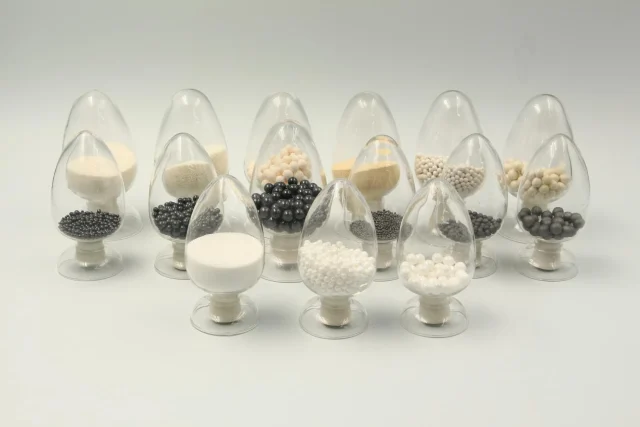
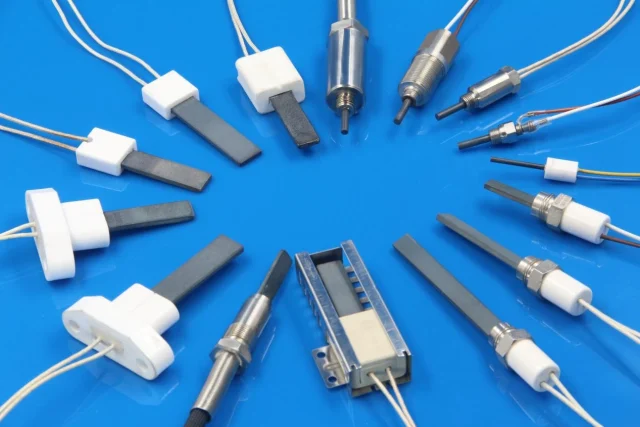
Inside a plasma gasification chamber, you’re not just dealing with heat—you’re dealing with a brutal combination of extreme temperatures, corrosive gases, and continuous ion bombardment. Standard refractories don’t last. Even advanced ceramics often fail within hours. So when a material starts showing up repeatedly in technical conversations and pilot projects, engineers tend to take notice.
Boron nitride—a compound that most people have never heard of, despite its “white graphene” nickname—has quietly become one of those materials.
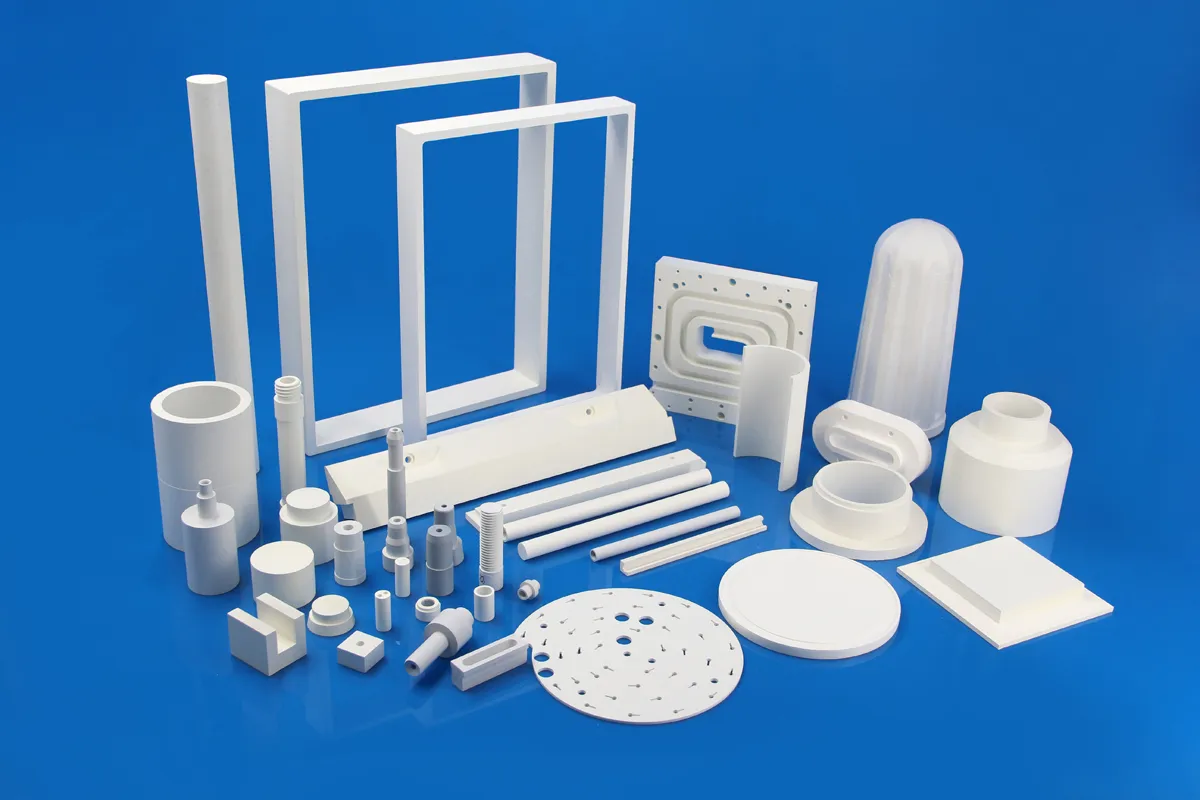
What makes it stand out? For starters, its thermal stability is remarkable. Hexagonal BN doesn’t begin to degrade until well above 800°C in air, and in oxygen-free environments, it stays structurally sound past the 3,000°C mark. That alone puts it in rare company. But the real selling point for plasma applications is its unusual dual personality: it’s a first-rate electrical insulator, yet it conducts heat almost as well as some metals. That combination means it can handle the intense thermal shocks that happen when a plasma torch fires up, without cracking or losing its dielectric strength.
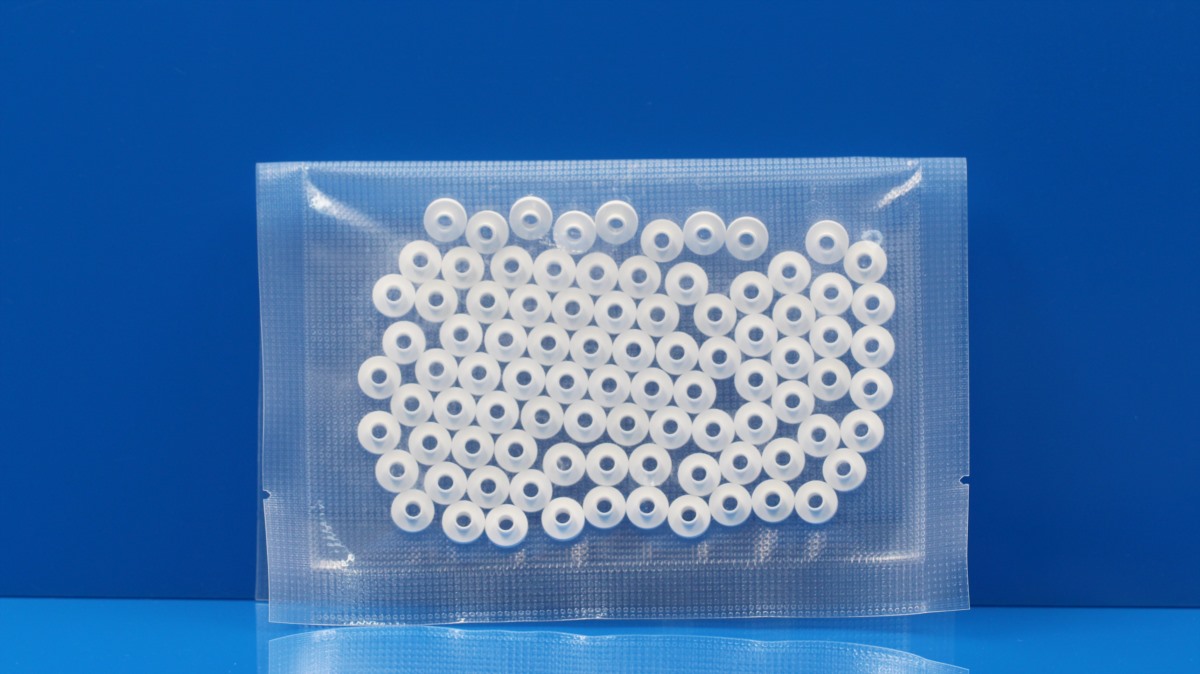
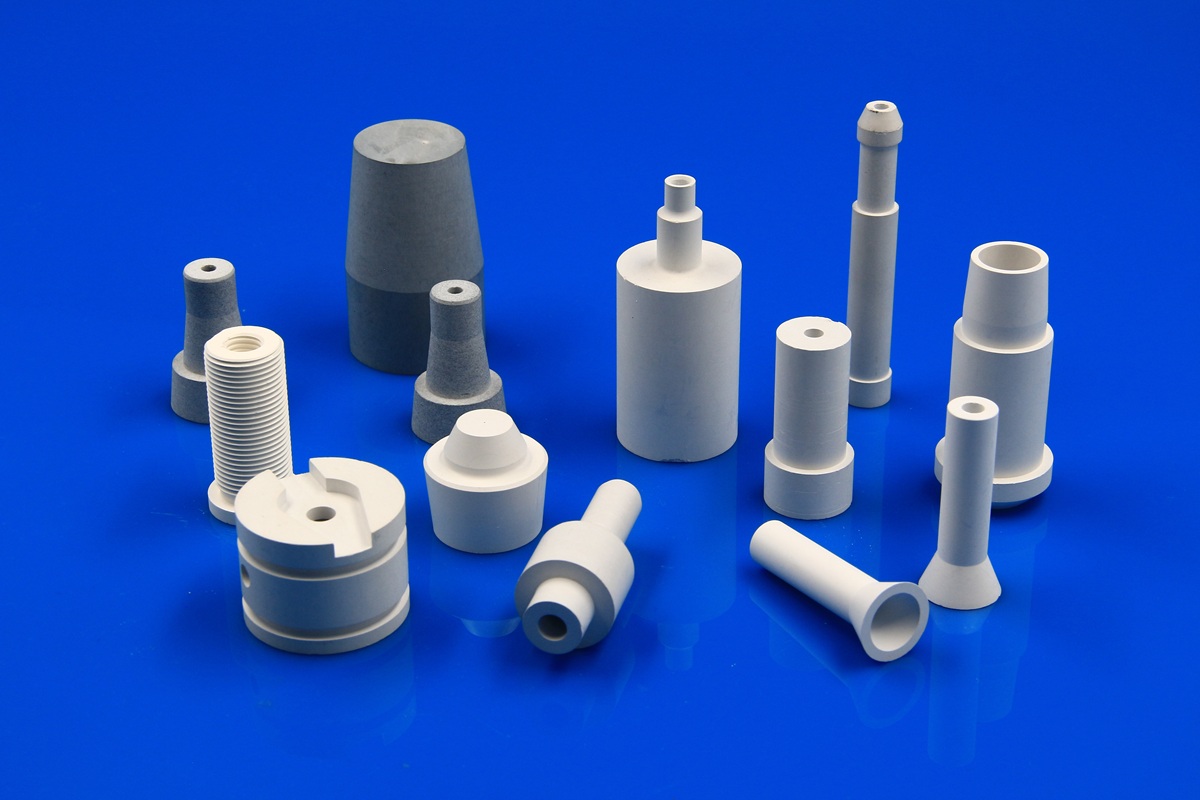
Some of the commercial grades already on the market—BNP-6, for example—have proven their mettle in adjacent fields like PVD coating and semiconductor processing, where similar demands apply. Transferring that track record to plasma waste treatment is a logical next step.
The more intriguing angle, though, comes from recent lab work that suggests BN may be more than just a passive liner. Researchers experimenting with dielectric barrier discharge plasma for methane conversion found that BN substrates actually influenced the reaction chemistry. The material’s porous structure, depending on how it was processed, showed an affinity for CO₂ adsorption, while boron-oxygen bonds on its surface appeared to steer the reaction toward more selective syngas production. That finding hints at something bigger: a properly designed BN component might not only survive the plasma environment but also improve the overall gasification efficiency.
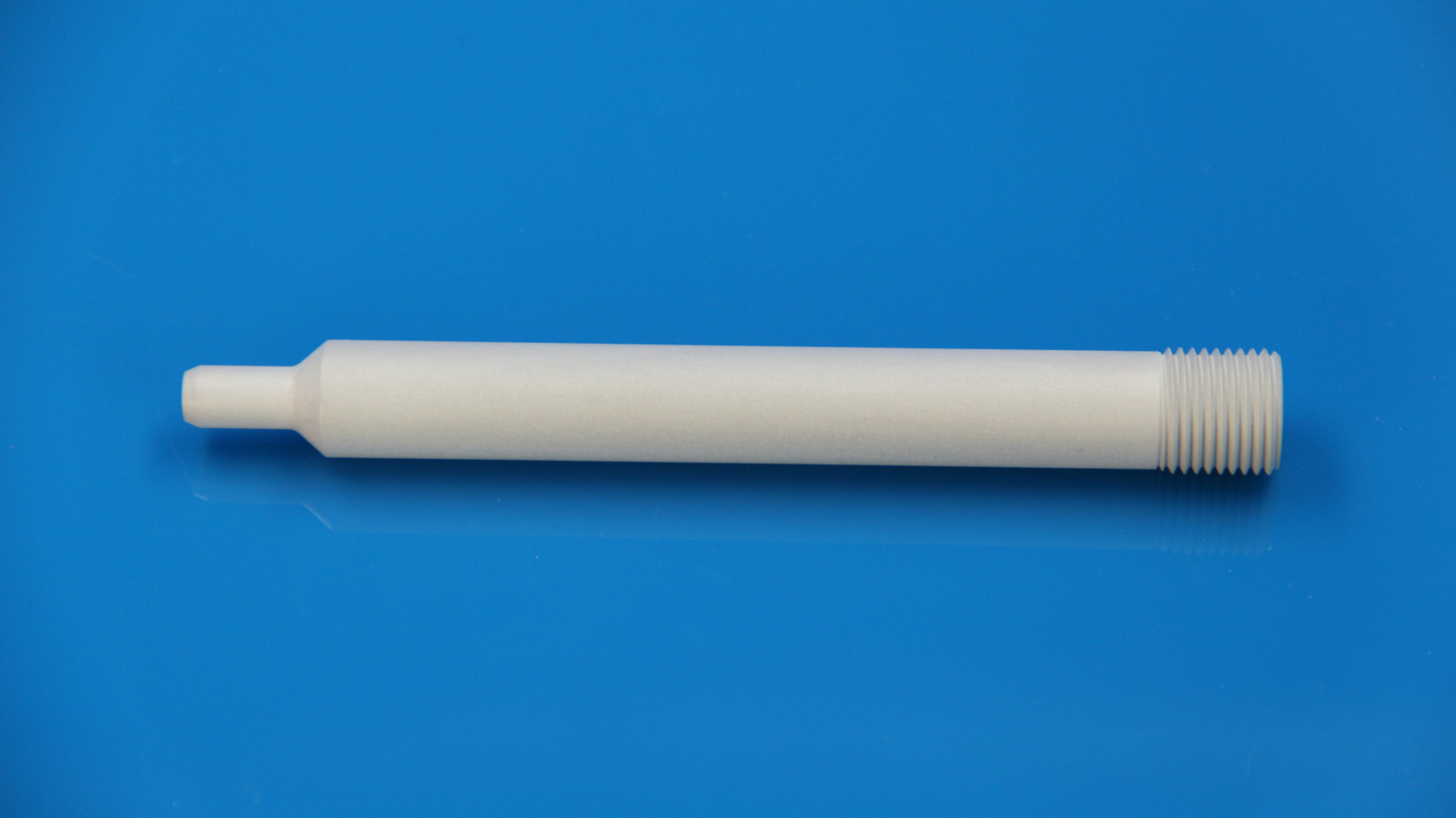
Manufacturing these parts to the required specifications isn’t straightforward, but progress is being made. Spark plasma sintering has emerged as a go-to method, capable of producing BN ceramics that exceed 98% density and reach hardness levels up to 50 GPa, all while cutting down processing time compared to conventional routes.
For companies building the next generation of plasma systems—particularly those targeting hard-to-treat waste streams like PFAS-contaminated biosolids—these developments are worth following. Boron nitride may not grab headlines like graphene or carbon nanotubes, but in the extreme conditions of a plasma furnace, it might just be the unsung workhorse that makes the economics work.