A cold cathode gauge can run reliably for a long time and then start behaving differently. It may take longer than usual to ignite, the reading may become unstable, or the gauge may stop igniting altogether.
There are several possible reasons for these problems. One of the first things worth checking is contamination inside the gauge.
This is particularly relevant on vacuum equipment where the gauge is exposed to process gases, coating materials, dust, or particles. Over time, deposits can build up on the internal parts and interfere with the discharge used for pressure measurement.
That does not always mean the complete gauge needs to be replaced. If the problem is related to deposits on the anode, cleaning may be worth trying first. If the anode is badly contaminated, corroded, or physically damaged, replacement may make more sense.
1. How Can Contamination Affect Gauge Ignition?
A cold cathode gauge needs an electrical discharge to operate. The electrodes inside the gauge are part of that process, so their surface condition matters.
After extended use, deposits from the vacuum process may gradually collect inside the gauge. How quickly this happens depends heavily on the application. A relatively clean vacuum system and a process that produces vapors, coating deposits, or particles will not affect the gauge in the same way.
As contamination increases, ignition may become less consistent. Operators may notice that the gauge takes longer to start, requires repeated attempts to ignite, or gives readings that are less stable than before.
In some cases, it may not ignite at all.
A cold cathode gauge not igniting is not proof that the anode is the cause. Power supply, pressure conditions, electronics, magnetic components, connections, and other parts of the gauge also need to be considered. But if those areas have been checked, the condition of the electrodes is worth inspecting before the complete gauge is discarded.
2. Can a Contaminated Anode Be Cleaned?
Sometimes, yes.
If the anode is covered with process deposits but is otherwise in good condition, cleaning can be a reasonable maintenance step. The aim of cold cathode gauge anode cleaning is straightforward: remove the contamination without damaging the anode or changing the geometry of the component.
The important question is what has actually happened to the part.
A removable surface deposit is very different from corrosion, erosion, deformation, or damage that has already changed the electrode. Cleaning can remove contamination, but it cannot repair a component that has lost its original shape or surface condition.
The cleaning method also matters. Vacuum gauge components can have relatively small dimensions and specific surface requirements. Aggressive mechanical cleaning may remove the deposit but damage the part at the same time.
For this reason, the result should not be judged only by whether the anode “looks clean.” After reassembly, the gauge still needs to ignite correctly and produce stable pressure readings.
3. When Does Anode Replacement Make More Sense?
There is a point where repeated cleaning is no longer useful.
If deposits cannot be removed effectively, the anode is visibly corroded or deformed, or the gauge continues to have ignition problems after cleaning, replacement should be considered.
The same applies to gauges that have already been cleaned several times. If the interval between cleaning becomes shorter or stable operation cannot be restored, continuing to clean the same component may simply add maintenance time without solving the underlying problem.
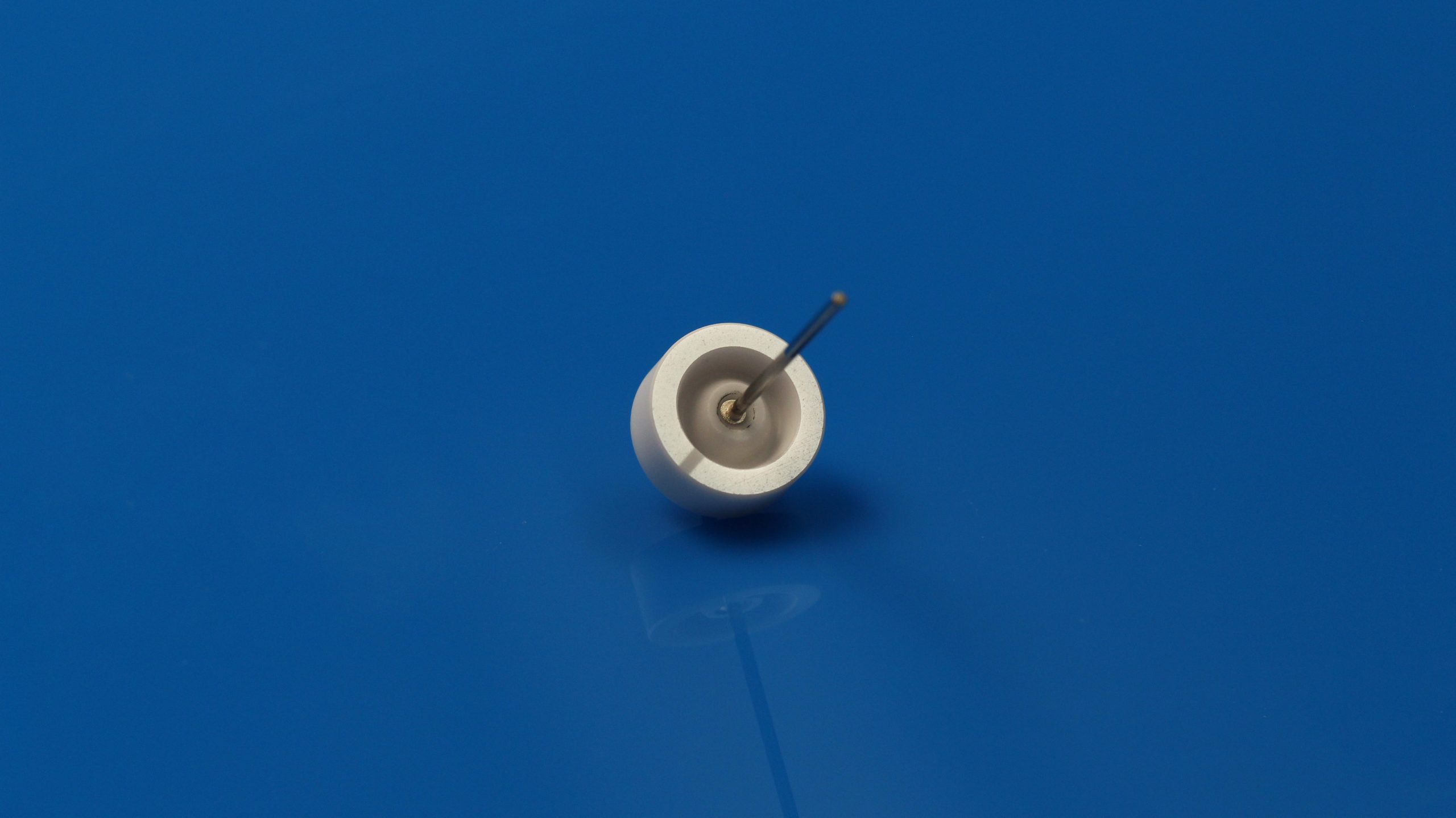
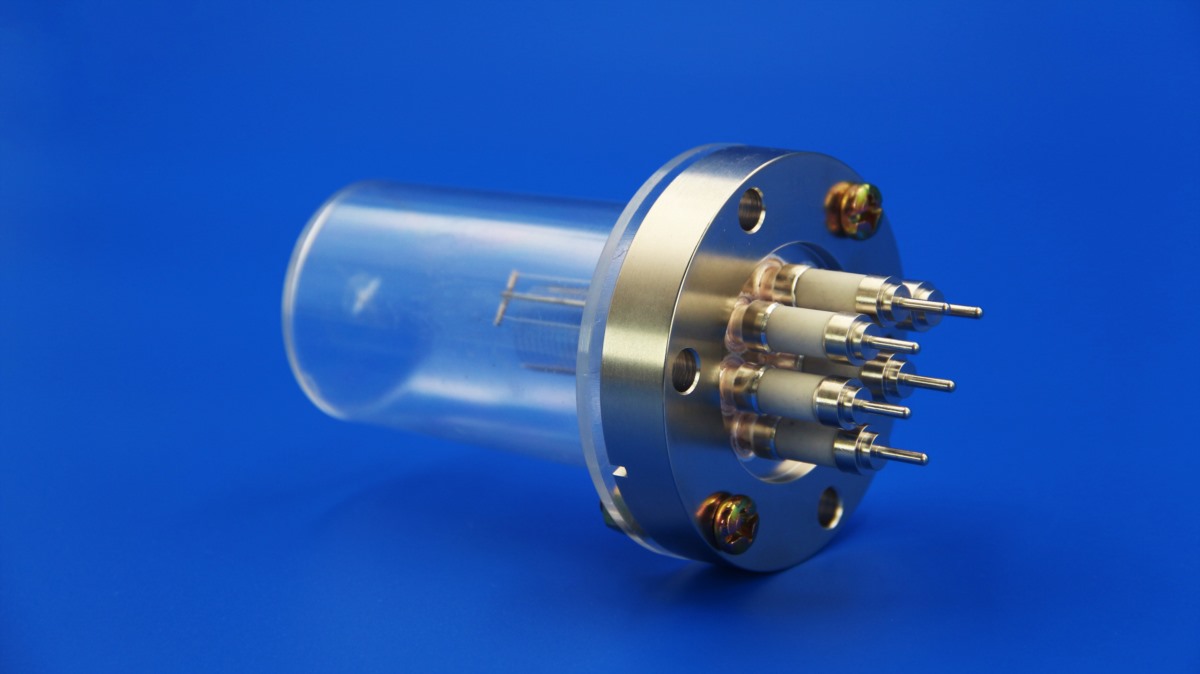
Depending on the gauge design, the service part may be more than a single metal electrode. Some designs use a Vacuum Gauge Anode Assembly consisting of the anode together with ceramic insulation and associated metal parts.
In this case, replacing the assembly can be an alternative to replacing the complete gauge, provided the rest of the gauge is still serviceable.
4. Cleaning or Replacement: What Should Be Checked?
There is no fixed number of operating hours after which every cold cathode gauge anode should be cleaned or replaced. The condition of the part is more useful than a general replacement interval.
When a gauge begins to show ignition or reading problems, it is useful to look at several things together: how much contamination is present, whether the deposits can be removed, whether the anode has been physically damaged, and whether previous cleaning has restored normal operation.
The process itself also matters. Gauges installed in coating systems, semiconductor equipment, analytical instruments, and other vacuum systems can see very different contaminants and operating conditions.
This is why an anode that can be cleaned and returned to service in one application may need to be replaced in another.

5. Vacuum Gauge Anode Assemblies for Maintenance and Replacement
When replacing an anode assembly, dimensional fit is only one part of the requirement. The replacement also needs to meet the electrical insulation, mechanical, and vacuum requirements of the gauge.
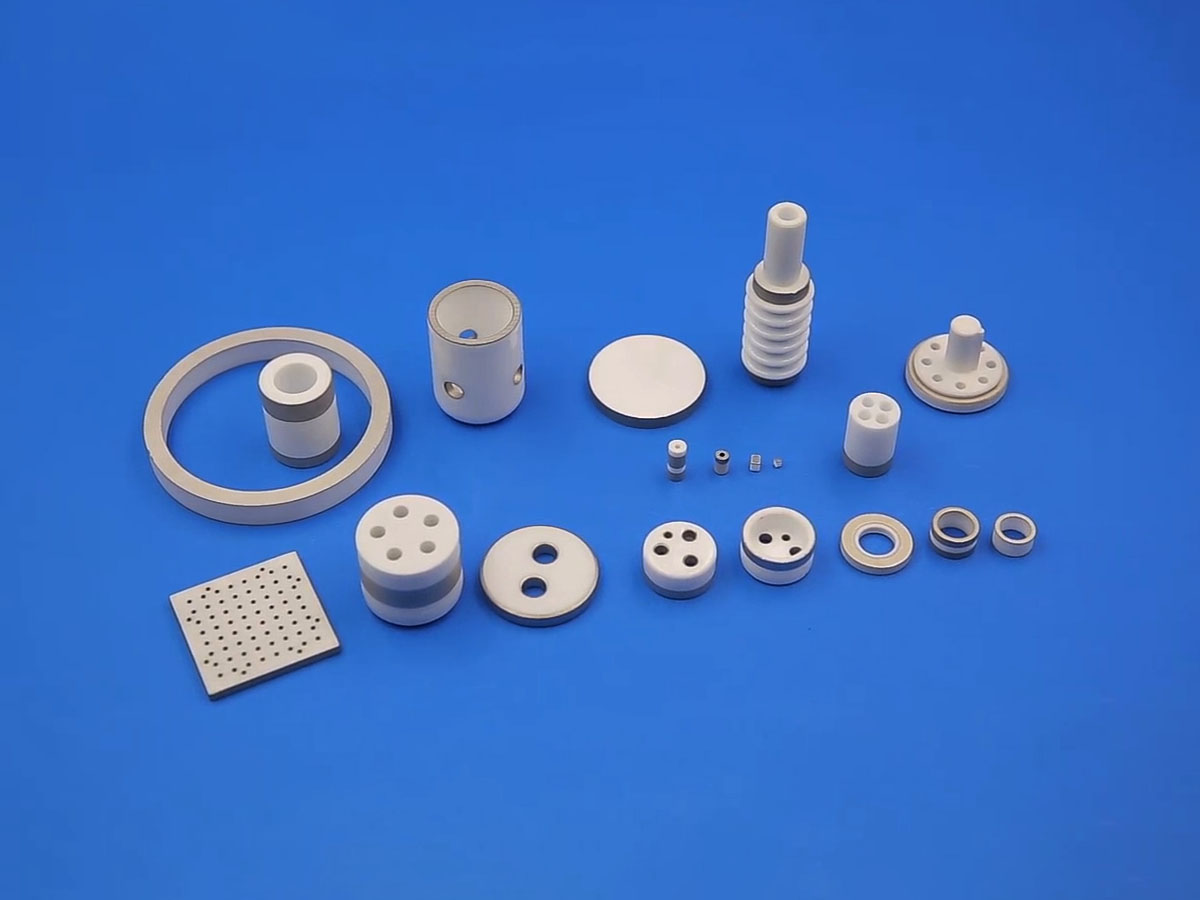
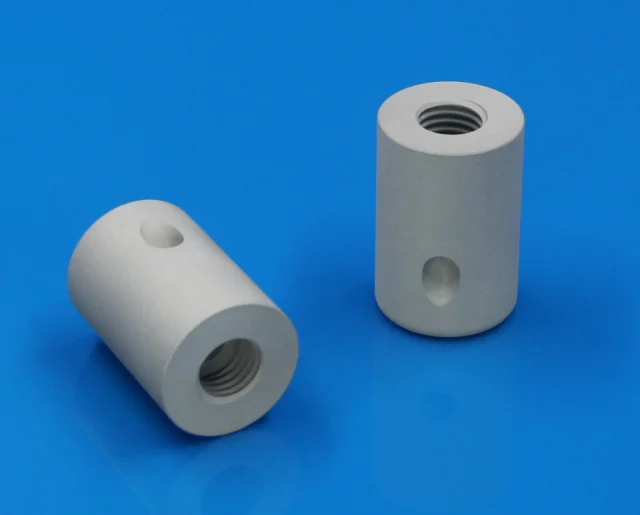
For assemblies that combine ceramic and metal parts, the ceramic material, metallized areas, brazed joints, electrode position, and interface dimensions may all be relevant to the final component.
INNOVACERA provides Vacuum Gauge Anode Assemblies for maintenance and replacement applications. Ceramic insulation and metal components can be manufactured and assembled according to specific requirements.
For replacement projects, customers can provide an existing sample, drawing, or key interface dimensions for evaluation. Requirements related to the ceramic, metallization, brazing, and final assembly can then be reviewed against the intended gauge application.
Email: sales@innovacera.com