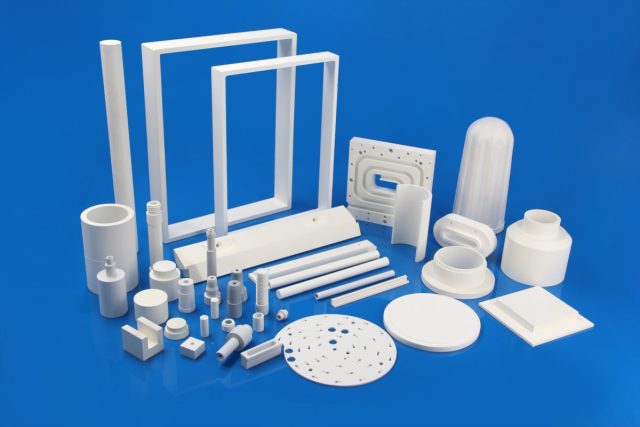
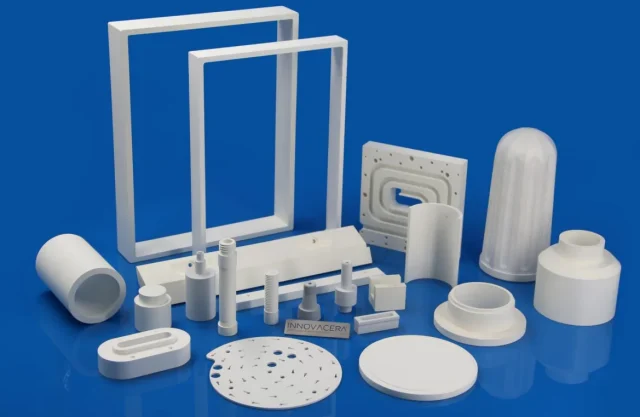
Boron nitride ceramics are known for their high-temperature resistance, electrical insulation, thermal shock resistance, low friction, and good machinability. Even so, they are not uniform materials with fixed properties for industrial use. Depending on the BN content, secondary phases, and manufacturing processes, different BN-based material systems can be developed. In addition to high-purity boron nitride, boron nitride composite ceramics can be produced by mixing boron nitride with aluminum nitride, silicon carbide, zirconia or alumina. Changing the material ratio helps balance thermal conductivity, mechanical strength, thermal shock resistance, insulation performance and machinability.
For this reason, boron nitride ceramic selection does not depend solely on whether the material is boron nitride-based. The key is whether its composition and practical performance fit the actual working conditions.
I. Why boron nitride is available in high-purity and composite grades
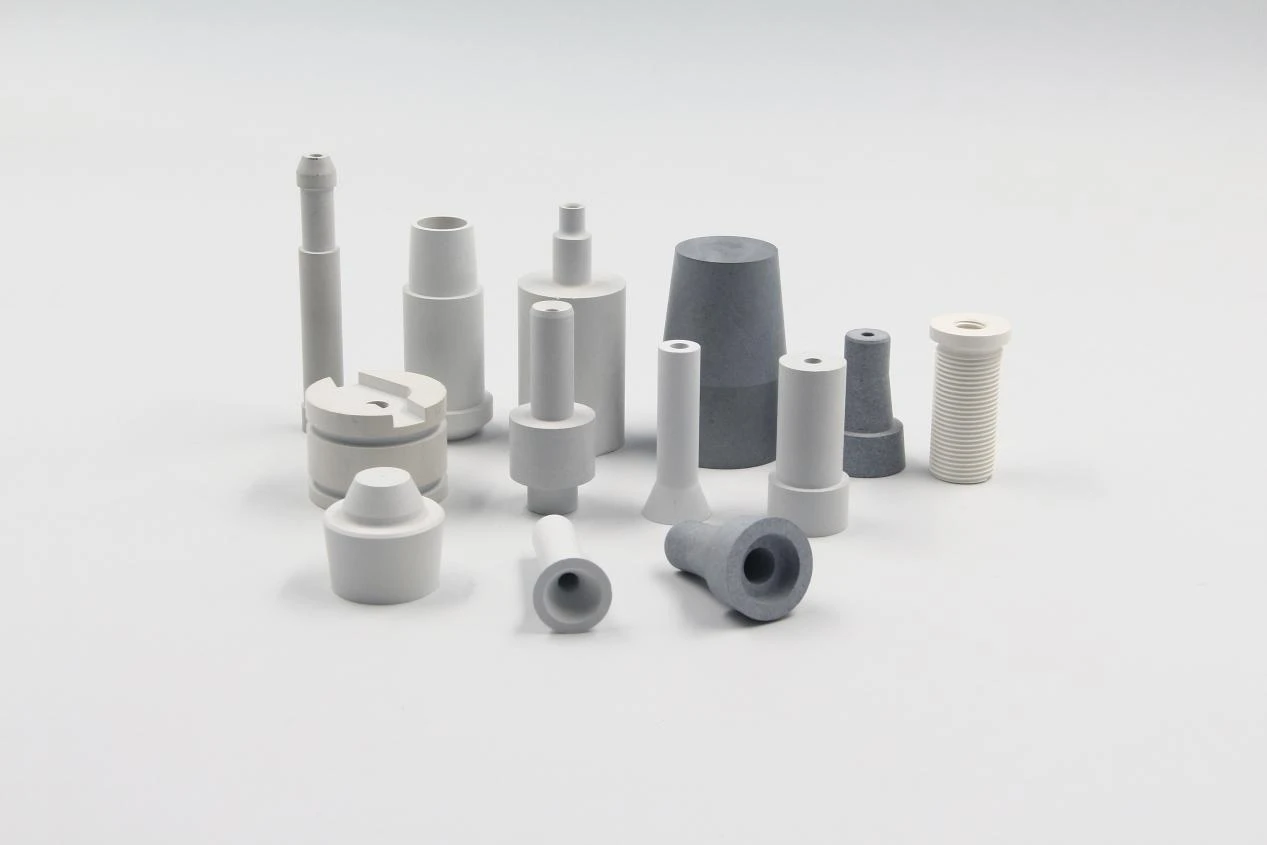
Hexagonal boron nitride is widely used in engineering due to its layered crystal structure. It features good electrical insulation, thermal shock resistance, low friction, stable chemical performance and easy machinability. Commercial hot-pressed boron nitride materials include both high-purity grades and composite grades with different formulations. By adjusting material compositions, manufacturers can produce BN materials with different mechanical, thermal, electrical and processing properties to fit various application needs.
The reason behind this is not complicated: it is difficult for a single material to achieve all the best performances simultaneously. For example, some high-temperature equipment pays more attention to electrical insulation and material purity; some electronic devices pay more attention to heat conduction; some high-temperature structural components need to withstand mechanical loads and repeated thermal cycles. In such cases, simply increasing the purity of boron nitride does not necessarily solve all the problems.
By introducing second phases such as AlN, SiC, ZrO₂, and Al₂O₃, the mechanical, thermal or other properties of the boron nitride base material can be changed, thereby forming composite ceramic systems for different working conditions. Therefore, high-purity boron nitride and boron nitride composite ceramics are not a simple “high-end and low-end” relationship; rather, they represent different material design directions.
II. What are the differences between high-purity boron nitride and boron nitride composite ceramics?
From the perspective of material selection, the common BN materials can be roughly understood as falling into the following categories:
| BN Material Type | Main Composition | Performance Focus | Suitable Application Direction |
|---|---|---|---|
| High-Purity BN (HB) | High-Purity BN | High-temperature stability, insulation, easy to machine | Laboratories, high-temperature structural parts, insulating components |
| Ultra-High Purity BN (UHB) | Higher Purity BN | Lower impurity risk, high purity requirements | Material R&D, sensitive experiments, high-purity environments |
| BN-Al₂O₃ (BMA) | BN + Alumina | Strength and comprehensive mechanical properties | Structural parts, experimental and high-temperature applications |
| BN-ZrO₂ (BMZ) | BN + Zirconia | Higher strength and toughness | Ceramic components with high requirements for mechanical properties |
| BN-AlN (BAN) | BN + Aluminum Nitride | Combined thermal conductivity and insulation performance | Thermal management, electronics and semiconductor related applications |
| BN-SiC (BSC) | BN + Silicon Carbide | Thermal shock resistance and comprehensive structural performance | High temperature, thermal cycling and special structural parts |
Please note that this table can only be used to determine the direction of material selection, and cannot be regarded as an absolute performance ranking. For the same BN composite system, different boron nitride ratios, second phase contents, porosities, material orientations and sintering processes may all result in different final performances.
III. What problems can different boron nitride composite ceramics solve?
Manufacturers develop boron nitride composite ceramics mainly to adjust the thermal conductivity, mechanical performance and thermal shock resistance of pure BN ceramics. Different second-phase materials are added to change the original material properties. No single BN composite can excel in all aspects, and each formula has its own strengths for different usage scenarios.
1. BN-AlN: Balances thermal conductivity, insulation, and processing performance
Aluminum nitride has a high thermal conductivity and good electrical insulation properties, while boron nitride has good machinability and thermal shock resistance. By combining them, a balance can be achieved between thermal conductivity, electrical insulation, and mechanical processing performance. Therefore, BN-AlN is more suitable for applications that require heat conduction, electrical insulation, and certain processing performance, such as some electronic, semiconductor, vacuum, and high-temperature thermal management components.
It should be noted that BN-AlN is not a direct substitute for AlN ceramics. If the primary goal of the application is to obtain the highest possible thermal conductivity, specific material parameters need to be combined to choose between pure AlN and BN-AlN.
2. BN-SiC: Focuses on high temperature, thermal cycling, and structural performance
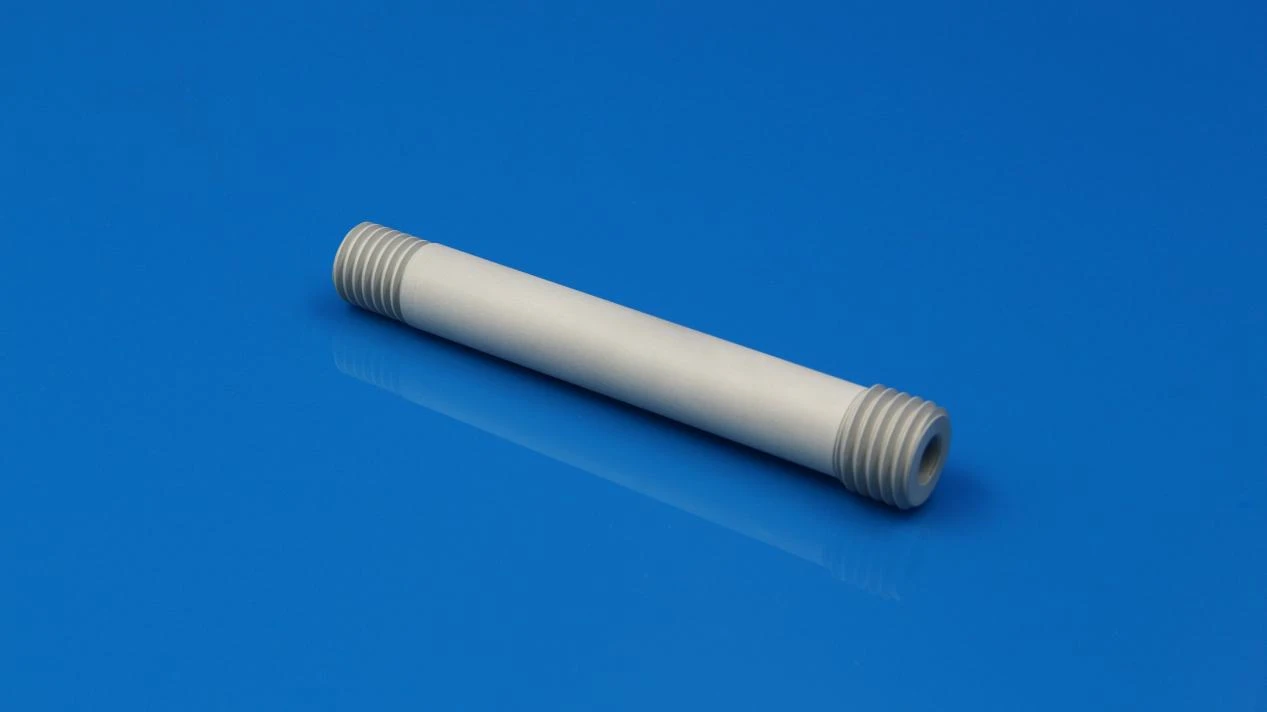
Silicon carbide has good mechanical properties at high temperatures, while boron nitride has good thermal shock resistance. By combining them, a comprehensive balance can be achieved between high-temperature stability, thermal shock resistance, and mechanical properties. Therefore, BN-SiC is more suitable for high-temperature components with significant temperature variations and repeated thermal cycling, as well as certain requirements for structural performance.
Compared to high-purity boron nitride, the focus when choosing BN-SiC is usually not on material purity, but rather on the material’s ability to better adapt to the working environment with mechanical loads and repeated thermal cycling.
3. BN-ZrO₂: Focuses on mechanical performance and structural reliability
Pure boron nitride has good processing and thermal properties, but mechanical strength is not its main advantage. By introducing zirconia, the strength and structural performance of the boron nitride base material can be adjusted. BN-ZrO₂ is more suitable for structural components that require high mechanical performance while still retaining some characteristics of boron nitride.
However, material strength, thermal expansion, and thermal shock resistance need to be considered comprehensively, so the actual selection still requires specific ratios and operating temperatures, and cannot simply be understood as “all performance will improve after adding zirconia”.
4. BN-Al₂O₃: Balances structural performance, electrical insulation, and processing requirements
Aluminum oxide has good mechanical properties, electrical insulation properties, and high-temperature stability. By forming a composite system with boron nitride, the structural performance of boron nitride can be further adjusted. BN-Al₂O₃ is more suitable for applications that focus on mechanical performance, electrical insulation, high-temperature stability, and processing requirements. Compared to simply pursuing high-purity boron nitride materials, this composite system pays more attention to the comprehensive engineering performance of the material, suitable for processing into ceramic components with certain structures and mechanical load requirements.
IV. When should high-purity boron nitride be chosen?
Composite boron nitride is not always the better choice compared with high-purity boron nitride. In certain applications, priority is given to material purity, electrical insulation, thermal shock resistance, chemical stability, and machinability rather than enhanced mechanical strength. High-purity hot-pressed boron nitride is uniquely suited for working environments that impose strict requirements on material purity and high-temperature performance. Third-party test data of high-purity boron nitride products show that binder-free h-BN materials with a purity exceeding 99.7% are used in high-temperature insulation components, crucibles, nozzles, and various equipment used for high-purity molten material processing. Accordingly, high-purity boron nitride offers greater application value in high-temperature insulation systems, vacuum equipment, semiconductor devices, material testing experiments and contamination-sensitive manufacturing processes.
A common misconception needs to be clarified here: higher purity does not equate to comprehensive performance improvement in all aspects. The core advantage of high-purity formulations is minimizing the adverse effects of impurities and binders on the service environment. In contrast, composite boron nitride is more applicable when equipment requires optimized mechanical strength, thermal conductivity and other structural properties. For this reason, the principle of boron nitride ceramic selection is not to pursue the so-called “best” material, but to select the most appropriate type based on the actual functional demands of the equipment.
V. INNOVACERA Boron Nitride Ceramic Materials and Custom Processing
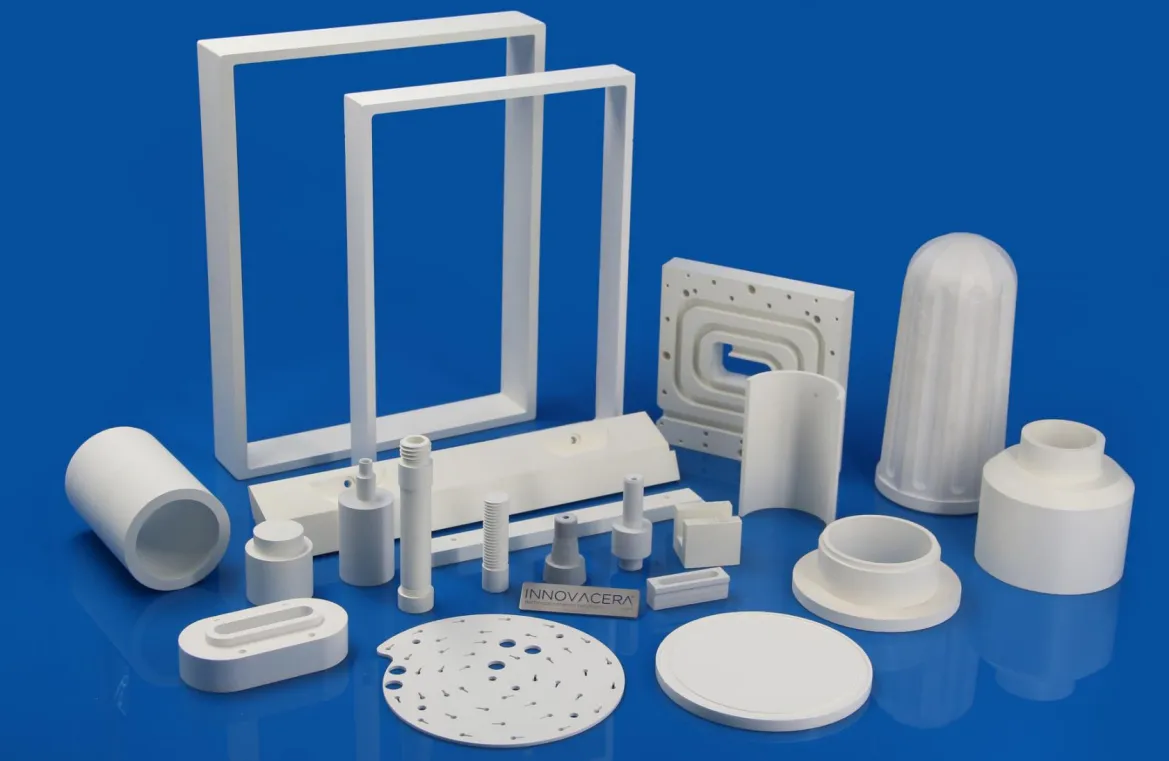
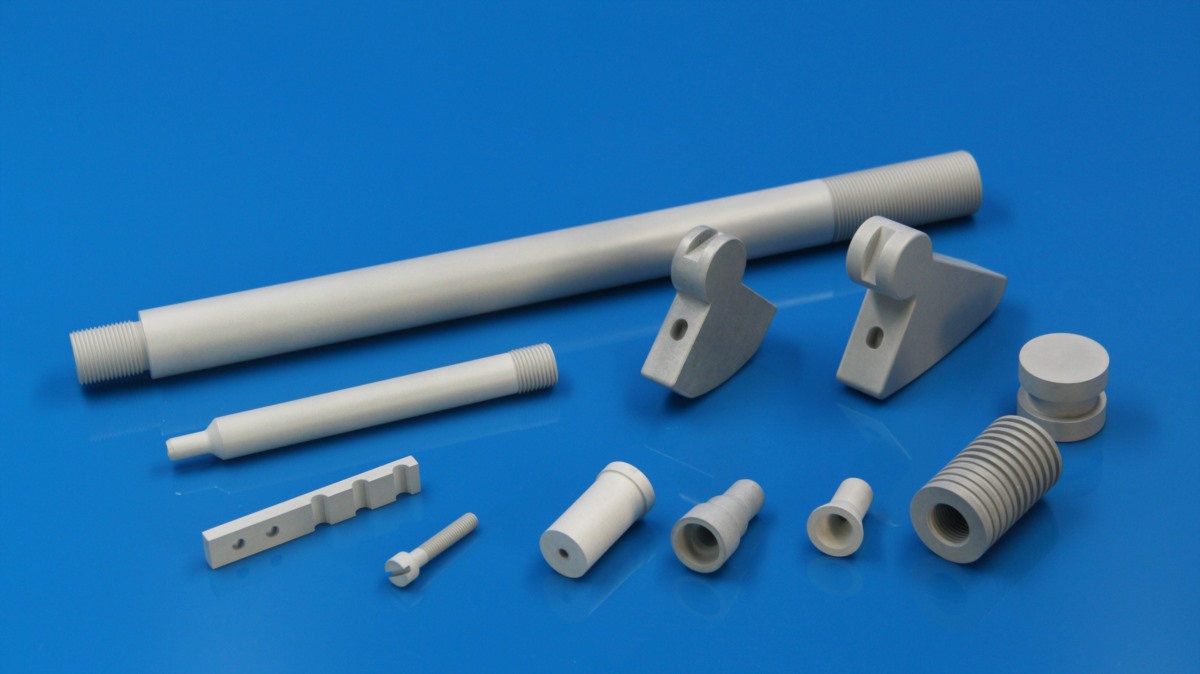
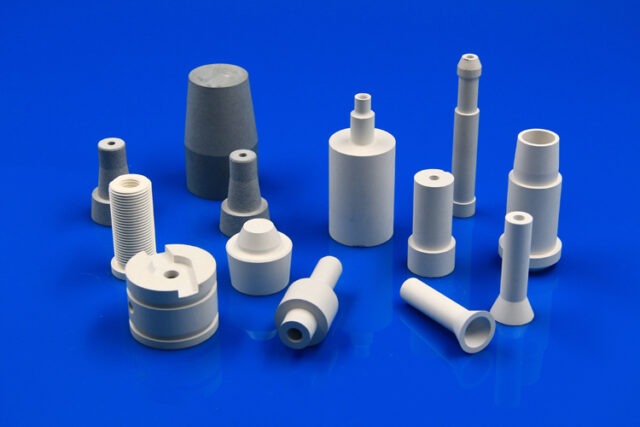
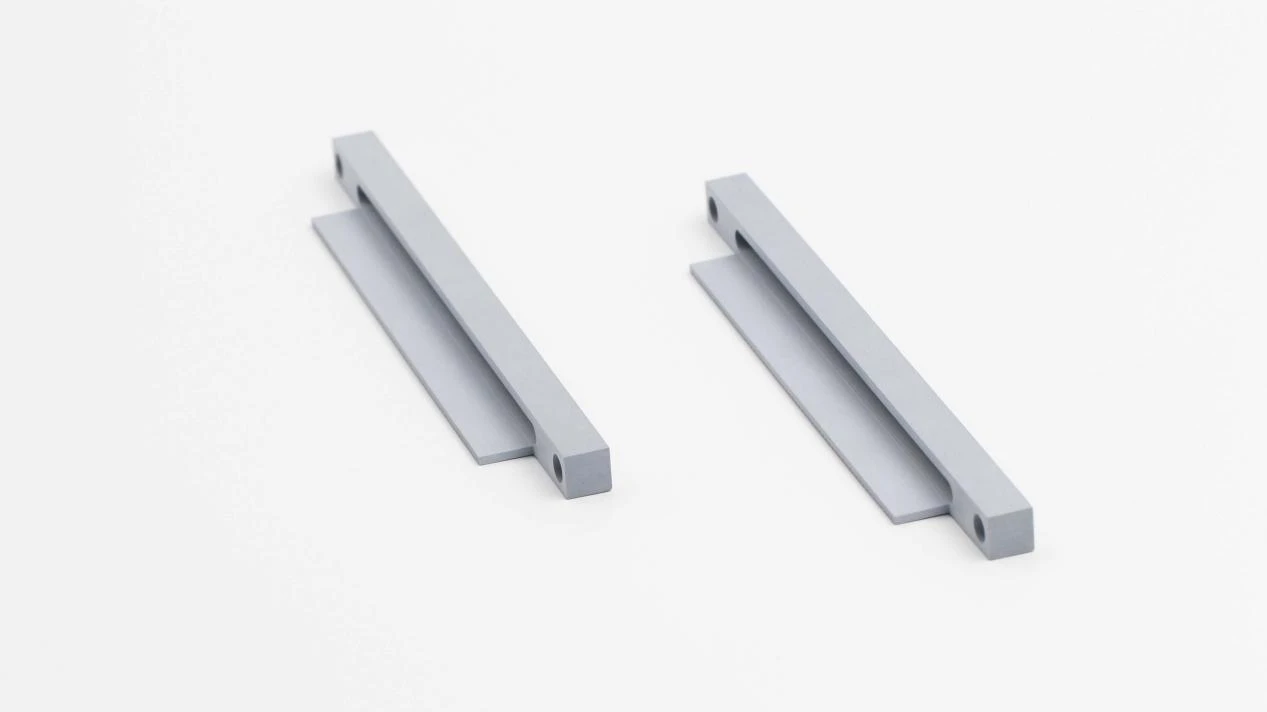
INNOVACERA can provide high-purity BN as well as various boron nitride composite ceramic materials such as BN-Al₂O₃, BN-ZrO₂, BN-AlN, BN-SiC, etc. These materials can be processed into plates, blocks, crucibles, nozzles, insulators, sintering fixtures, and other custom structural components according to different applications. Each material system has its own advantages, so for industrial equipment and research projects, the material selection should be determined based on the actual working temperature, usage atmosphere, thermal conductivity and insulation requirements, mechanical load, and part structure, rather than simply comparing the purity of BN.
If you are sourcing high‑purity BN or BN‑based composite ceramics, or require custom‑made boron nitride ceramic components based on your drawings, please contact INNOVACERA and provide details including service environment, operating temperature, performance specifications, product dimensions and drawings. For details, please contact sales@innovacera.com.