Powder metallurgy is not a single process but comprises the following stages:
Raw Materials → Melting → Atomization → Powder Processing → Forming → Debinding → Sintering → Heat Treatment → Post-processing
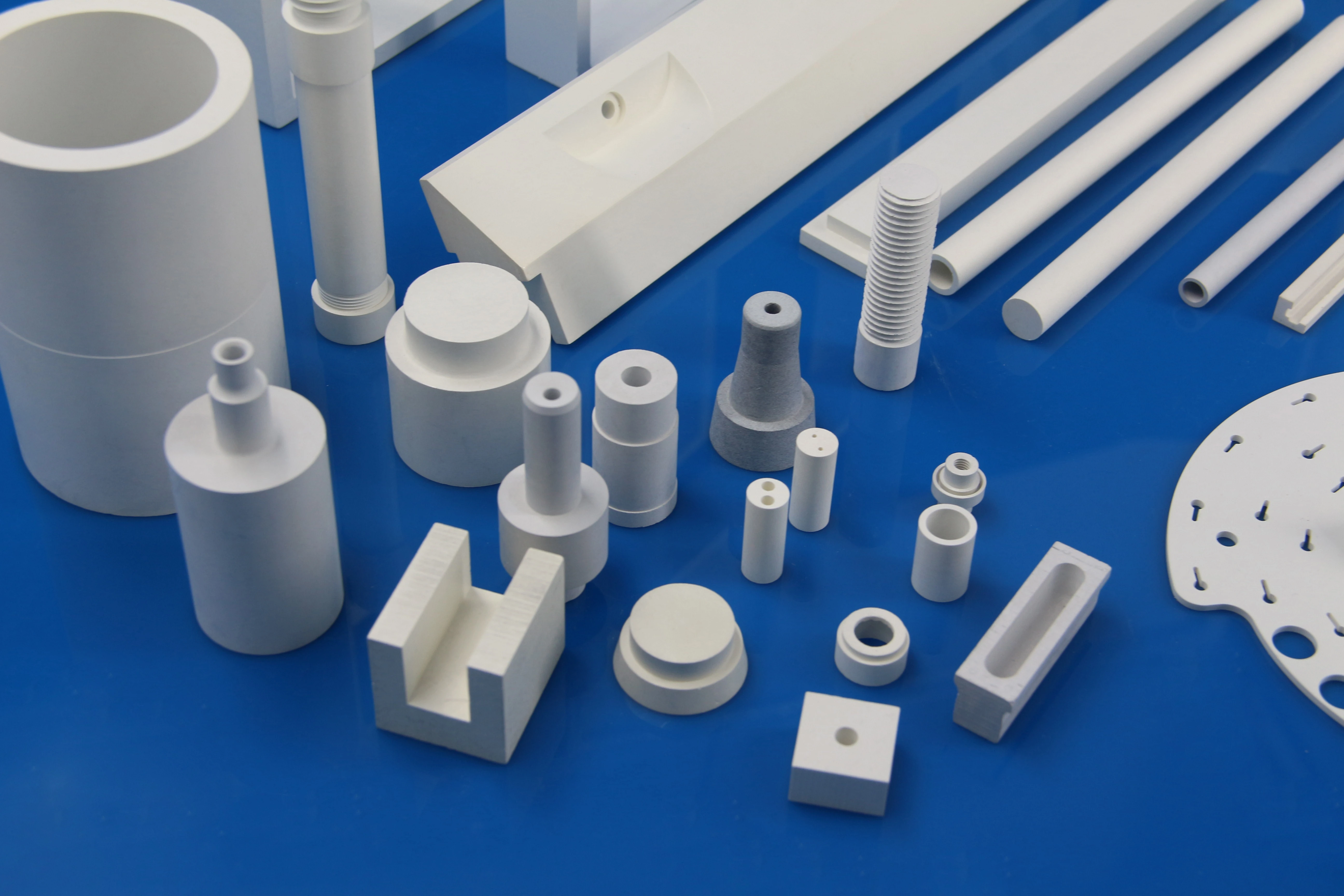
Ceramics serve as indispensable materials across these steps, playing particularly critical roles in melting, atomization, sintering, and heat treatment.
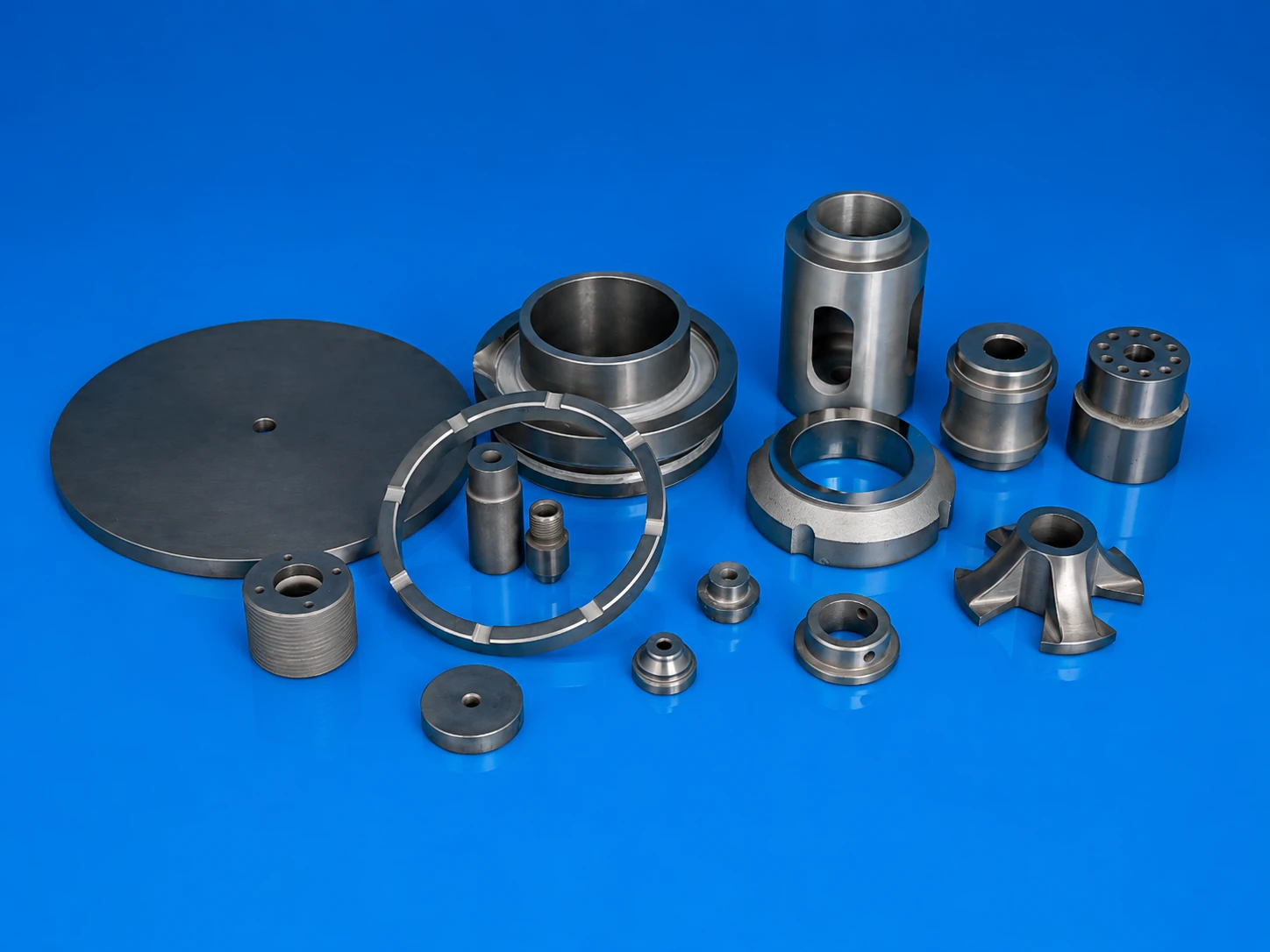
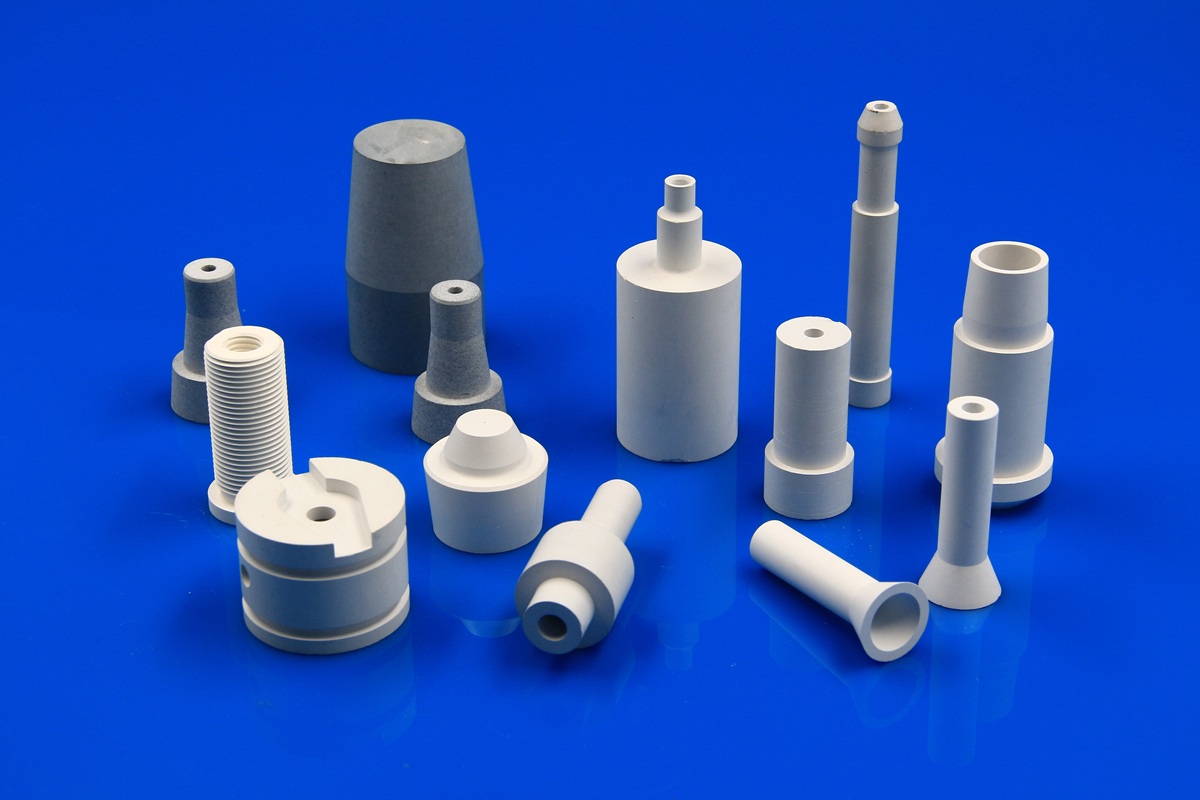
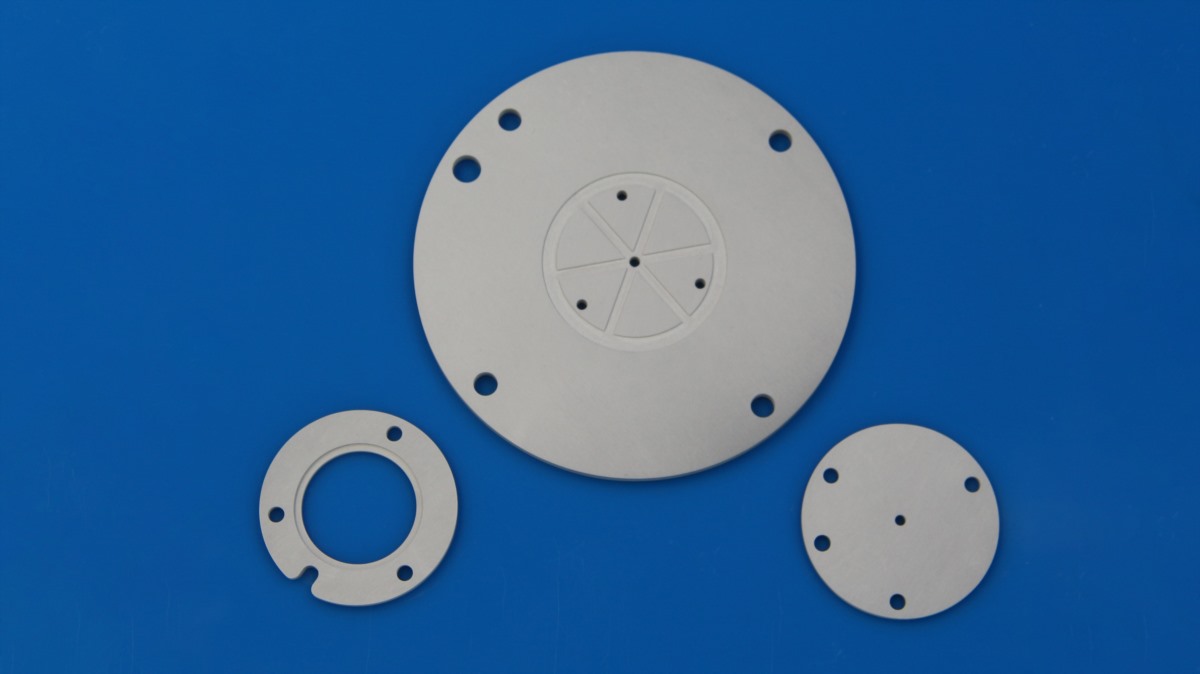
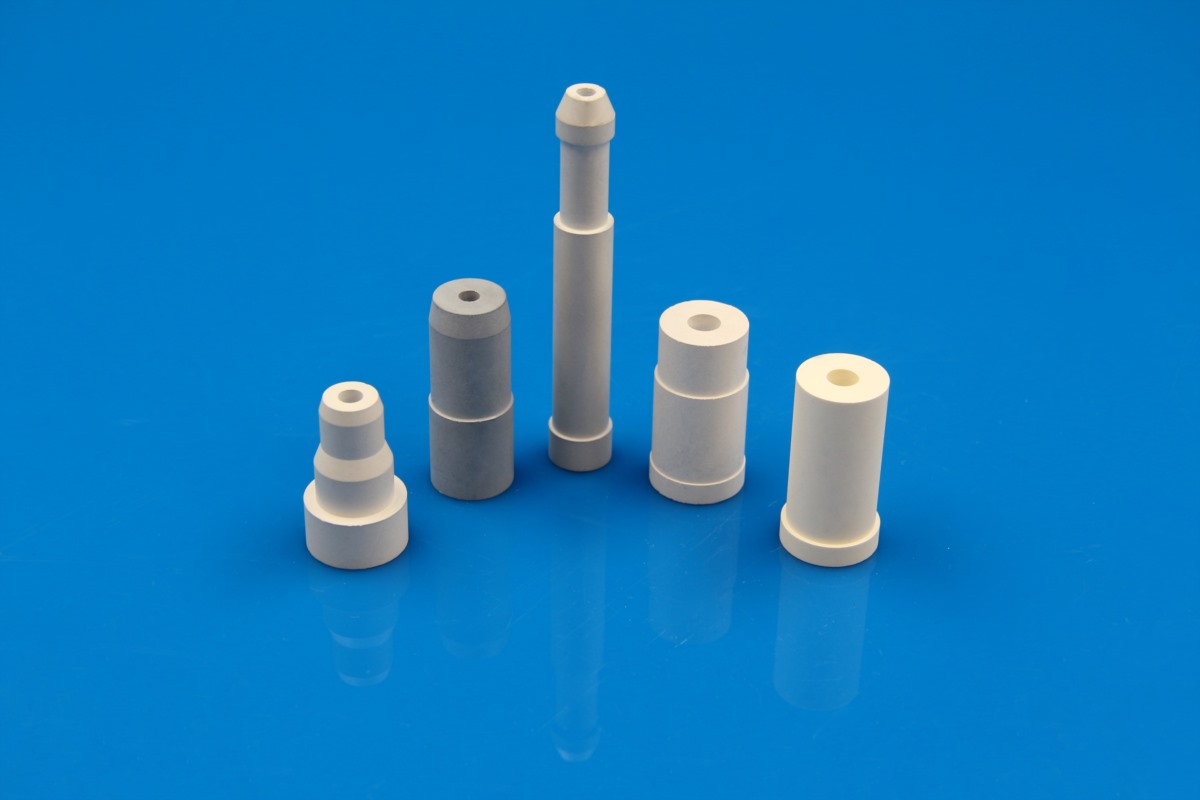
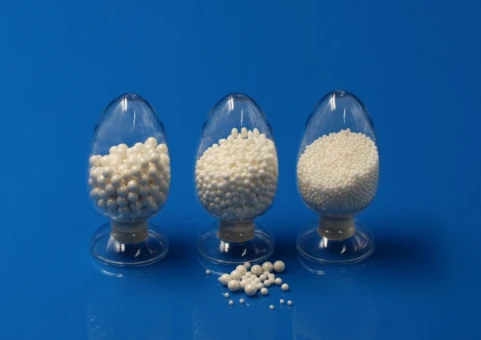
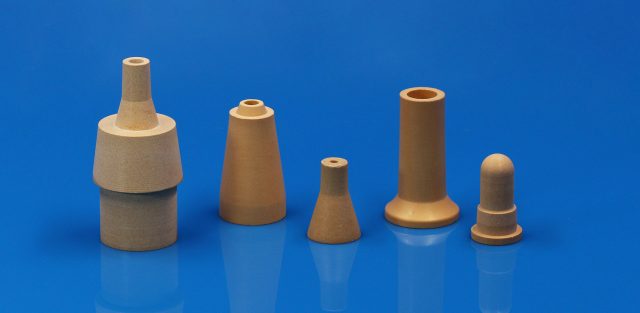
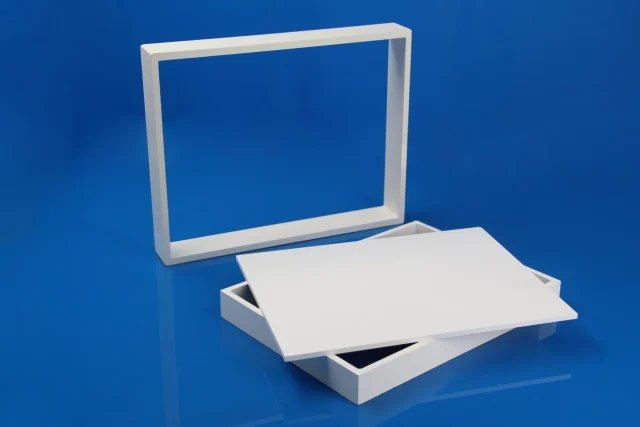
Key products include:
| Material | Role in Powder Metallurgy Production | Key Function | Applicable Temperature/Environment |
|---|---|---|---|
| Boron Nitride Ceramics | Atomization nozzles, crucibles, high-temp furnace components, mold release agents | Controls molten metal flow and particle size; non-wetting (prevents sticking) | Inert atmosphere/vacuum: 1750–1800°C; Oxidizing atmosphere: ≤900°C |
| Zirconia Ceramics | Gas atomization nozzles, setter plates, crucibles | Resistant to molten metal corrosion; thermal shock resistance; high-density versions used for oxygen sensors | Air/vacuum/protective atmosphere; withstands up to 2200°C (low load) |
| Alumina Ceramics | Wear-resistant structural parts, substrates, custom-shaped parts | Low cost, high hardness (HRA 80–90); wear resistance 266 times that of manganese steel | tandard industrial temperatures; high-volume, low-cost applications |
| Silicon Carbide Ceramics | High-temp structural parts, sintering furnace components, heat exchangers | High high-temperature strength, oxidation resistance, high thermal conductivity | High-temperature oxidizing/corrosive environments |
| Silicon Nitride Ceramics | Sintering furnace components, substrates, bearings/cutting tools | Superior comprehensive mechanical properties; good thermal conductivity (suitable for power device substrates) | Dual applications: high-temp structural components & electronic heat dissipation |
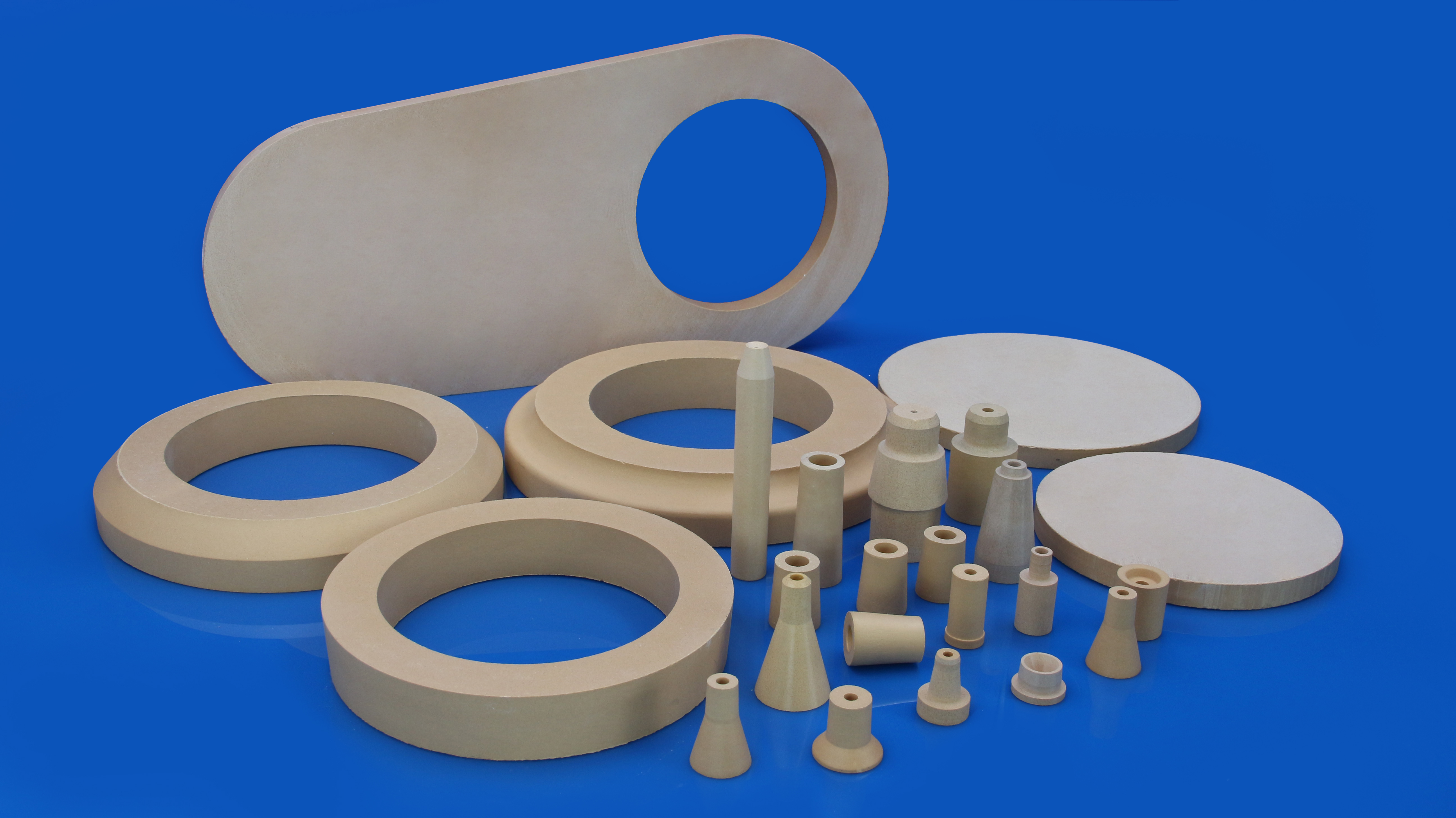
INNOVACERA offers a range of materials to meet the requirements of every stage of powder metallurgy production; we provide material recommendations and tailored solutions based on your specific application scenarios and operating environments.