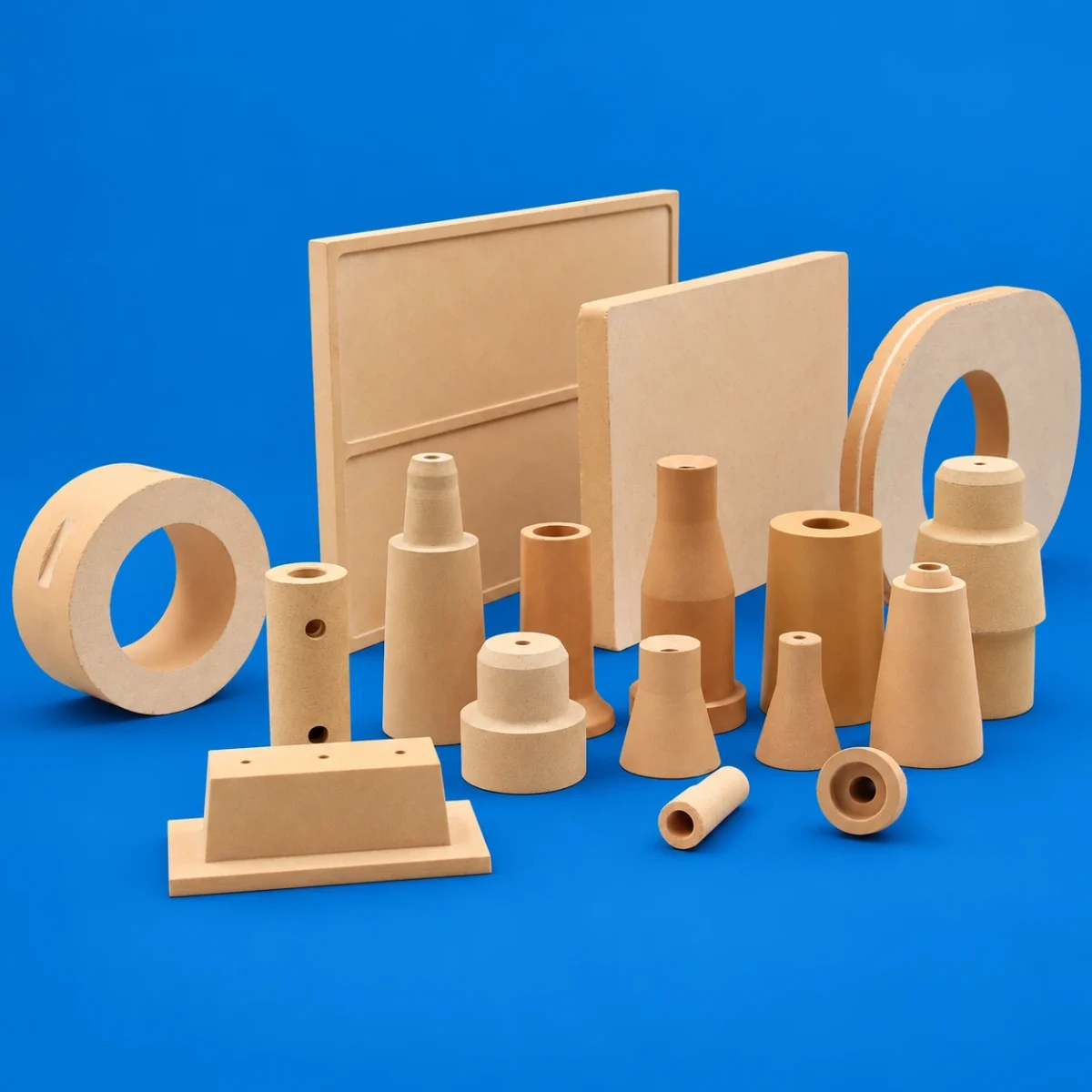
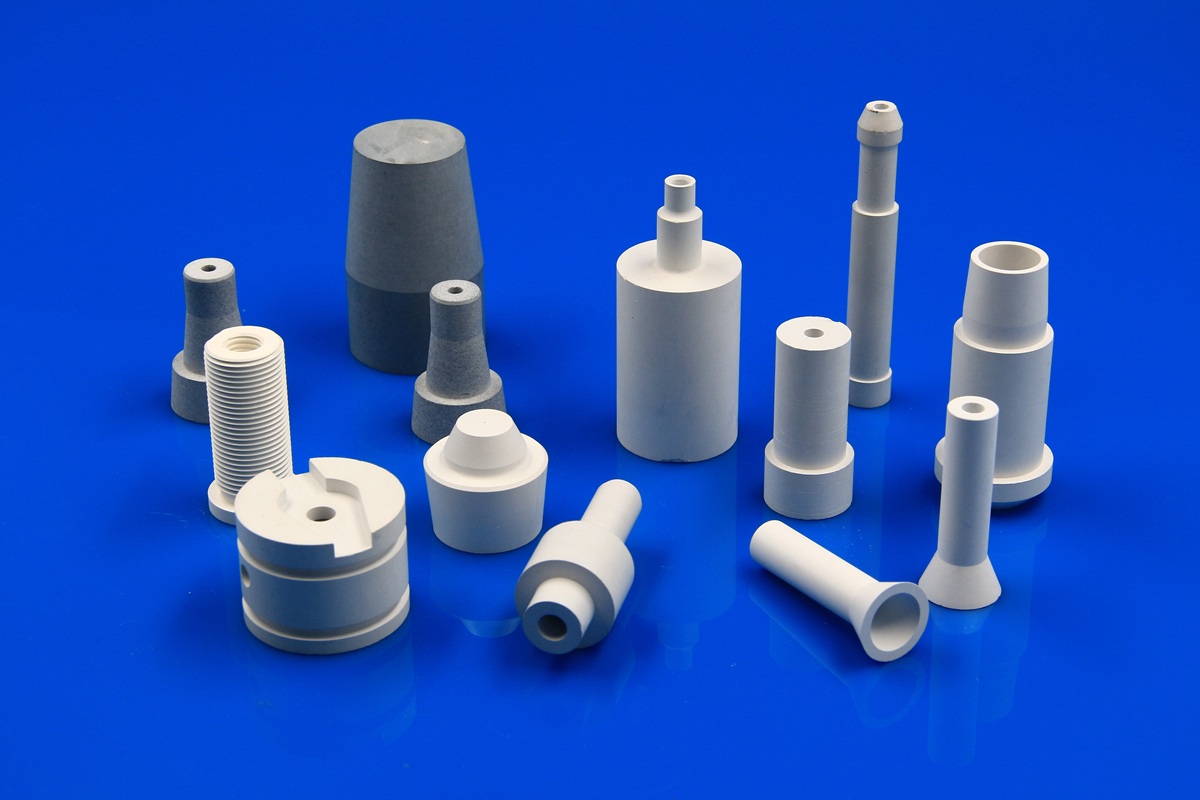
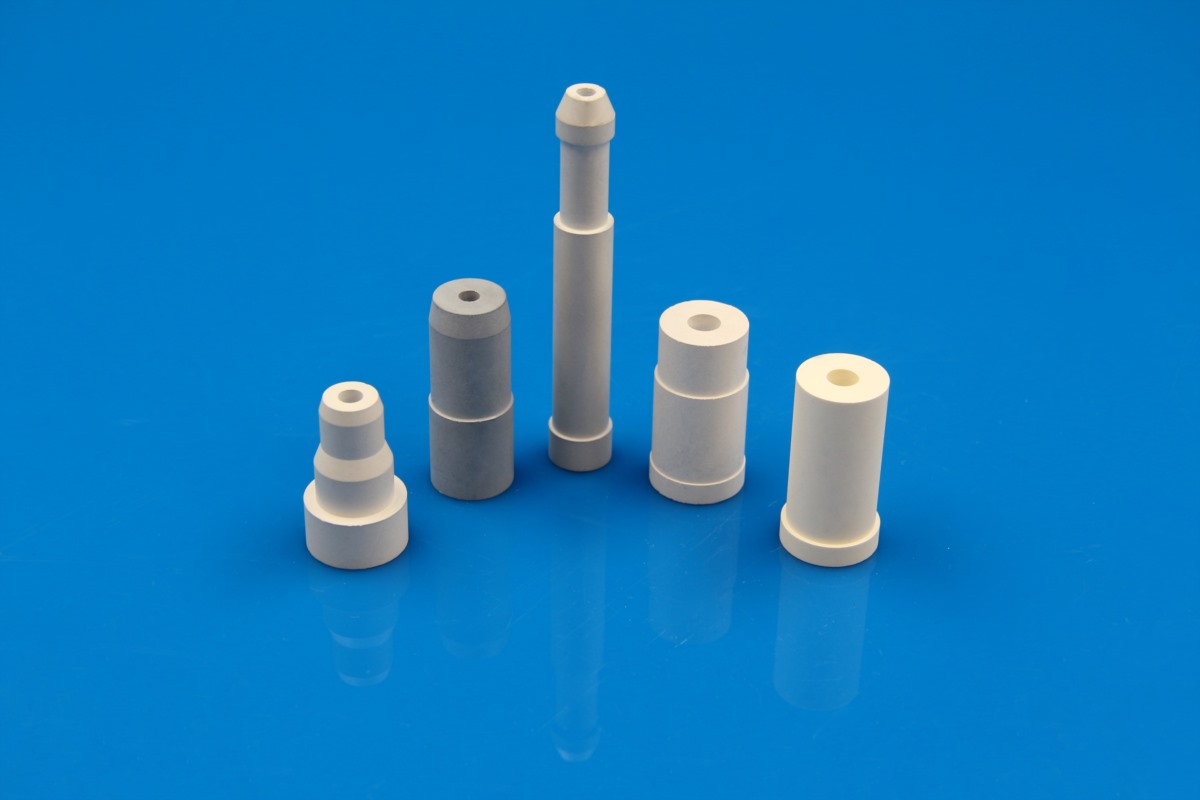
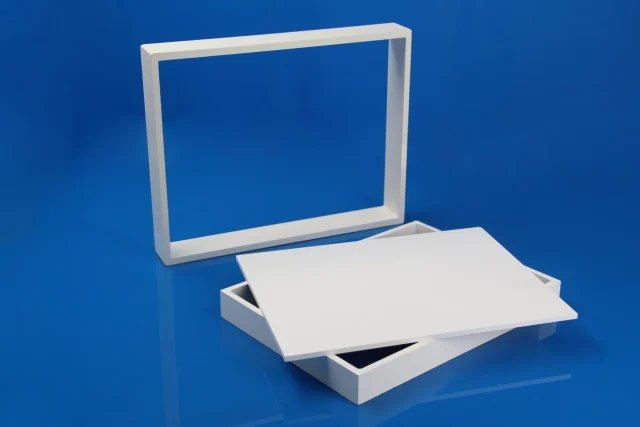
In modern metal refining and continuous casting, ceramic components play a critical role in maintaining production efficiency, improving melt purity, and extending equipment service life. Among the advanced engineering ceramics used in severe metallurgical environments, Magnesium-Stabilized Zirconia (MSZ) is recognized for its exceptional thermal shock resistance, chemical corrosion resistance, and high-temperature mechanical strength.
Engineered as wear-resistant and anti-erosion flow control components, zirconia ceramic nozzles withstand the most demanding conditions in molten metal handling:
- Extreme operating temperatures exceeding 1,600°C
- Severe thermal shock during casting start-up and tundish preheating
- Chemical corrosion and scouring from aggressive slags and deoxidizers
- Mechanical erosion and cavitation caused by high-velocity molten metal streams
These combined characteristics make MSZ nozzles a reliable choice for critical flow control in continuous steel casting, non-ferrous alloy refining, and specialty atomization processes.
| Property Category | Item | Units | MSZ-L Grade | MSZ-H Grade |
|---|---|---|---|---|
| Chemical Composition | ZrO₂ | % | ≥ 95.0 | ≥ 95.0 |
| Al₂O₃ | % | ≤ 0.2 | ≤ 0.2 | |
| SiO₂ | % | ≤ 0.4 | ≤ 0.4 | |
| MgO | % | ≤ 2.9 | ≤ 2.9 | |
| Fe₂O₃ | % | ≤ 0.1 | ≤ 0.1 | |
| TiO₂ | % | ≤ 0.1 | ≤ 0.1 | |
| Physical Properties | Color | — | Yellow | Yellow |
| Bulk Density | g/cm³ | 4.8–5.2 | 5.3–5.5 | |
| Apparent Porosity | % | ≤ 12 | ≤ 5 |
What Is Magnesium-Stabilized Zirconia?
Magnesium-Stabilized Zirconia is a zirconium dioxide (ZrO₂) composite ceramic in which magnesium oxide (MgO) serves as a stabilizing agent.
Pure zirconia undergoes severe crystallographic phase transformations during thermal cycling: transitioning from monoclinic to tetragonal at ~1,170°C, and from tetragonal to cubic at ~2,370°C. These phase shifts are accompanied by significant volume changes (3% to 5%), which cause un-stabilized zirconia to crack and disintegrate during cooling.
By doping optimal amounts of magnesium oxide, the high-temperature tetragonal and cubic phases are stabilized at ambient temperatures. This controlled phase retention generates transformation toughening mechanisms, imparting superior fracture toughness, high thermal shock survival, and structural integrity during repeated cyclic heating.
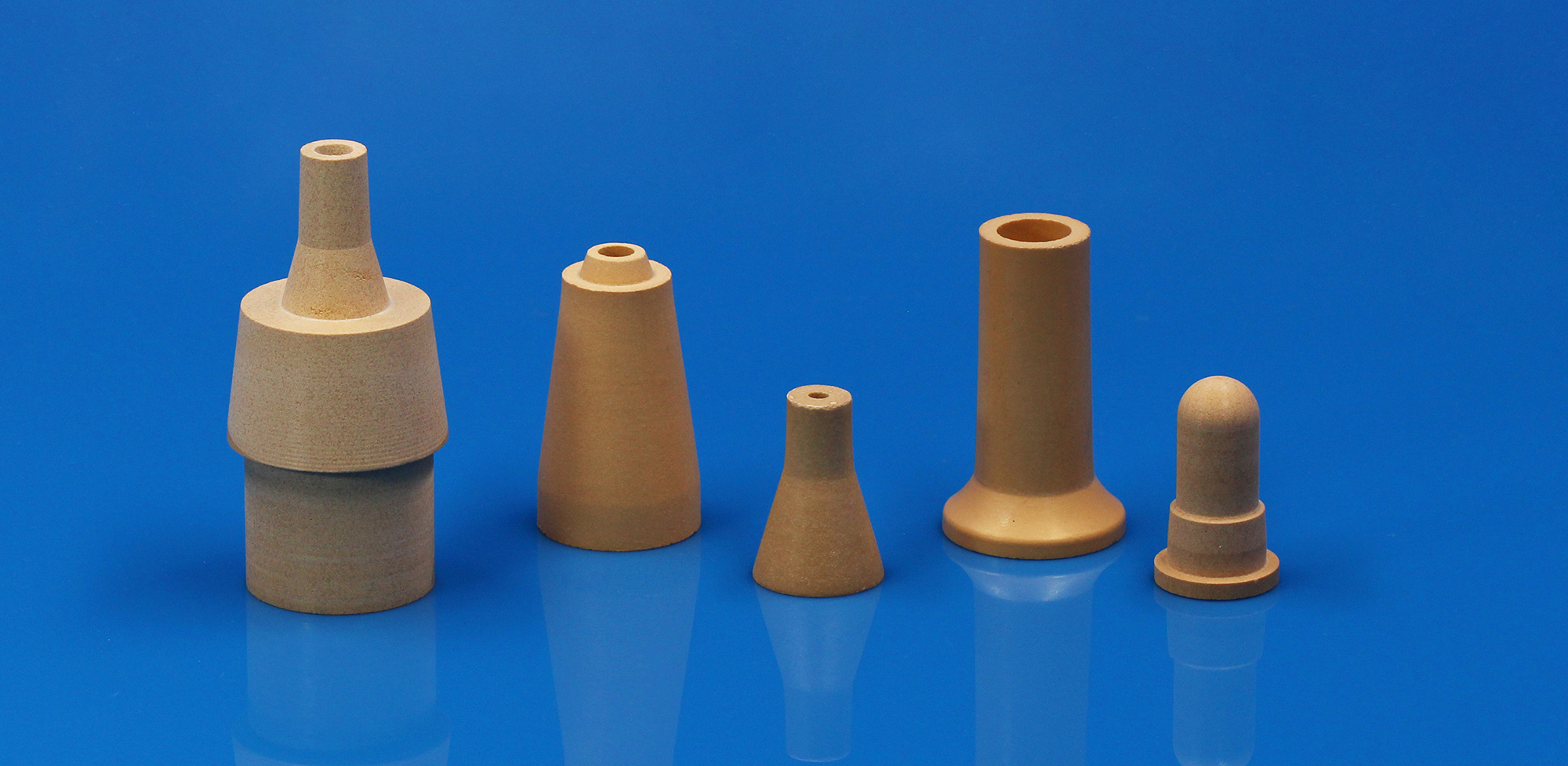
The Critical Role of Ceramic Nozzles in Metal Refining and Casting
Metallurgical refining involves transferring and metering molten metals under strict hydrodynamic control. Liquid metal passes through launders, transfer pipes, ladles, tundishes, and continuous casting molds.
| Core Function | Operational Significance |
|---|---|
| Molten Metal Flow Control | Regulates flow rate and stabilizes stream shape to prevent splashing and air entrainment. |
| Metal Transfer & Metering | Maintains precise volumetric delivery from tundish to mold in continuous billet/bloom casting. |
| Vessel & Seat Protection | Shields supporting refractory blocks and slide gates from direct molten alloy erosion. |
| Flow Consistency | Minimizes orifice bore expansion, reducing turbulence and vortex formation in the mold. |
| Process Reliability | Prevents cold shut-offs, nozzle clogging, and catastrophic burn-through failures. |
Why Material Selection Matters: MSZ-L vs. MSZ-H
During casting operations, nozzle materials face aggressive thermodynamic conditions:
- Steep Thermal Gradients: Rapid temperature jumps when cold nozzles contact molten metal at 1,550°C+.
- Interfacial Slag Reactions: Corrosive attacks from high-FeO or high-MnO casting slags.
- High-Velocity Scouring: Constant shear forces that widen the nozzle bore over time.
Choosing the correct grade directly determines casting sequence length, maintenance downtime, and final ingot cleanliness. INNOVACERA provides two standard MSZ grades tailored to distinct metallurgical stresses:
- MSZ-L (Lower Density: 4.8–5.2 g/cm³, Porosity ≤ 12%): Optimized for extreme thermal shock resistance. The micro-porous structure absorbs thermal expansion stresses, making it ideal for systems with limited preheating capability or rapid thermal start-ups.
- MSZ-H (Higher Density: 5.3–5.5 g/cm³, Porosity ≤ 5%): Engineered for maximum erosion and wear resistance. Its dense microstructure resists liquid metal wash and chemical slag corrosion, ensuring consistent bore dimensions over extended casting sequences.
Key Industrial Applications
Magnesium-stabilized zirconia nozzles are utilized across demanding pyrometallurgical operations:
- Continuous Steel Casting: Tundish metering nozzles, ladle shroud inserts, and slide gate plates.
- Non-Ferrous Metallurgy: Flow control nozzles and transport tubes for copper, nickel, and aluminum alloys.
- Metal Powder Atomization: Melt delivery nozzles for gas and water atomization systems producing 3D printing spherical powders. For related designs, see our boron nitride and zirconia gas atomizing nozzles.
- Precious Metal Smelting: Pouring spouts and crucibles for platinum, gold, and specialty alloy melting.
Custom MSZ Ceramic Nozzle Solutions from INNOVACERA
INNOVACERA specializes in precision manufacturing of magnesium-stabilized zirconia nozzles, metering inserts, and custom flow-control components. We support tight bore tolerances, custom outer geometries, composite co-pressed structures, and custom casing assemblies.
To evaluate the optimal material grade (MSZ-L vs. MSZ-H) for your casting line, our engineering team assesses your alloy composition, pouring temperature, preheating protocol, and casting duration. For applications requiring a different ceramic material, we also offer BMA boron nitride atomization nozzles for molten metal atomization.
For technical consultations or custom inquiries, please contact our metallurgical specialists at sales@innovacera.com.