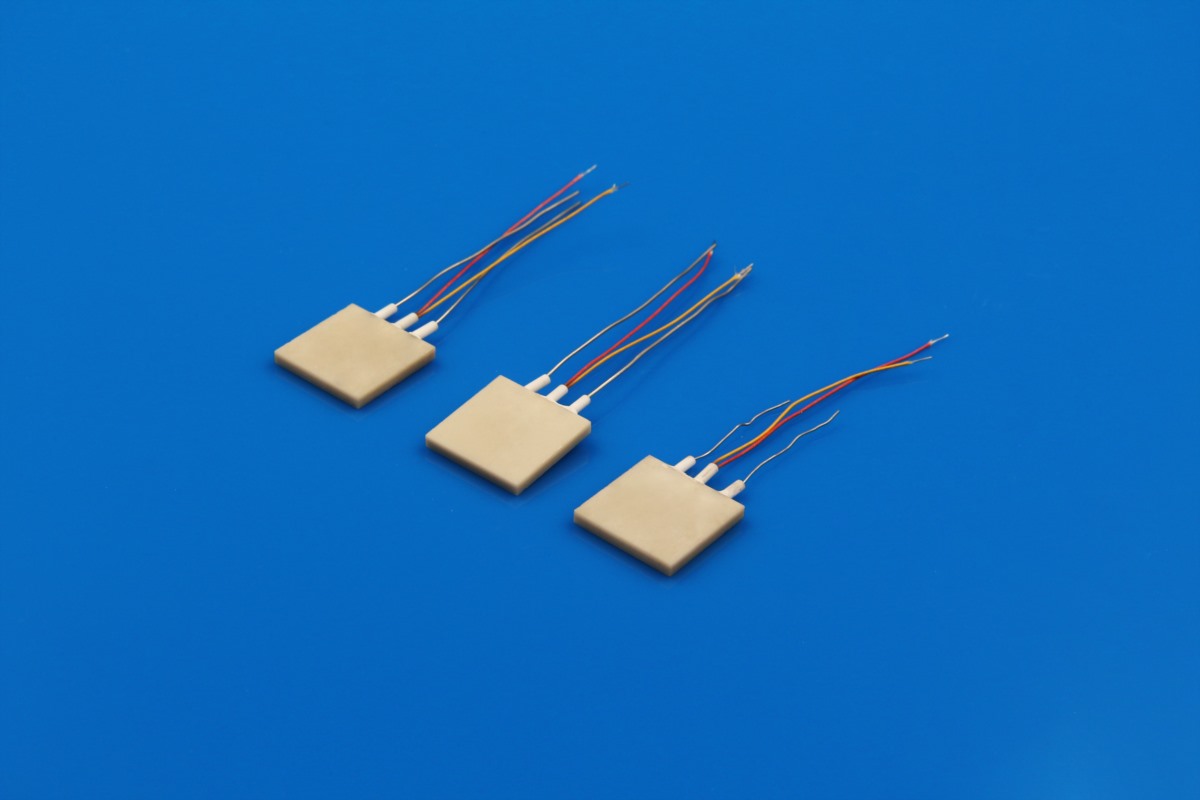
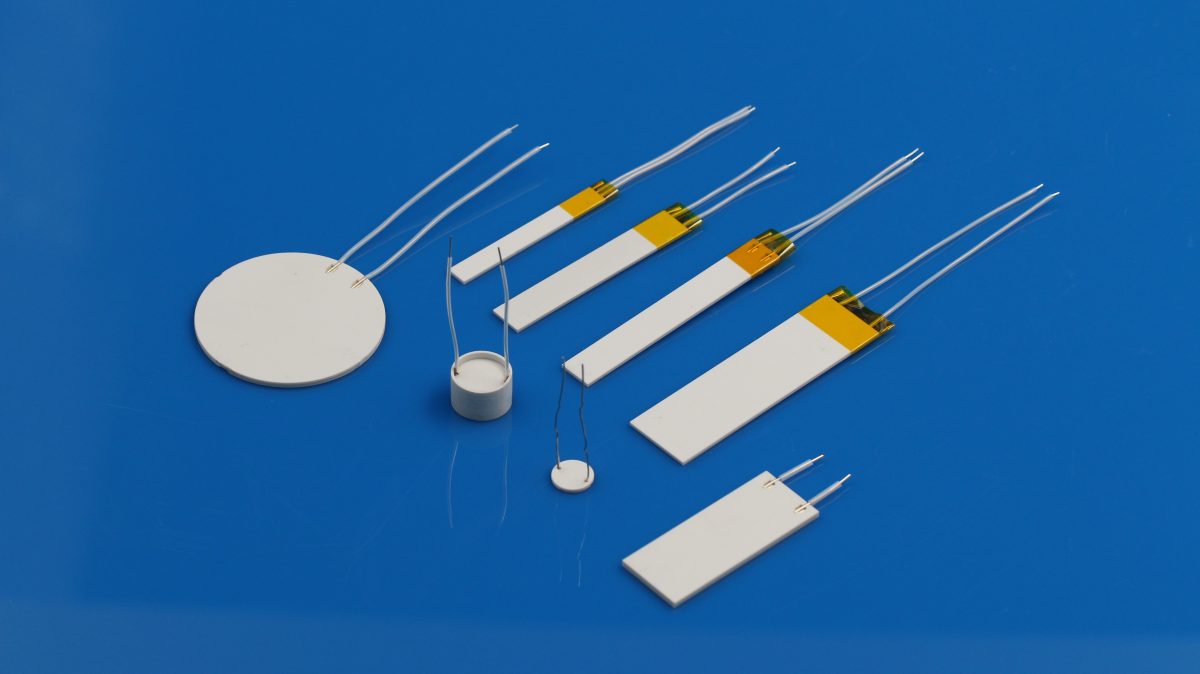
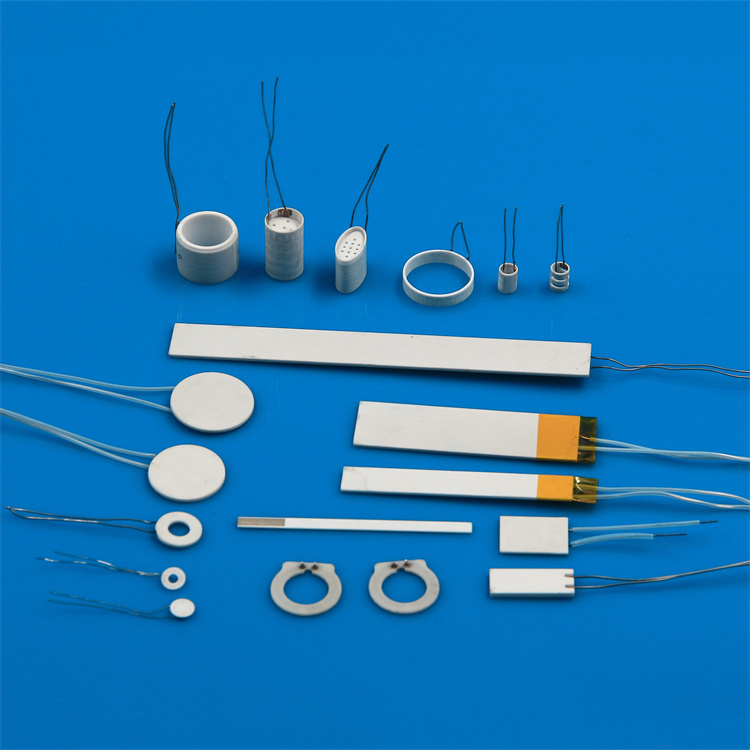
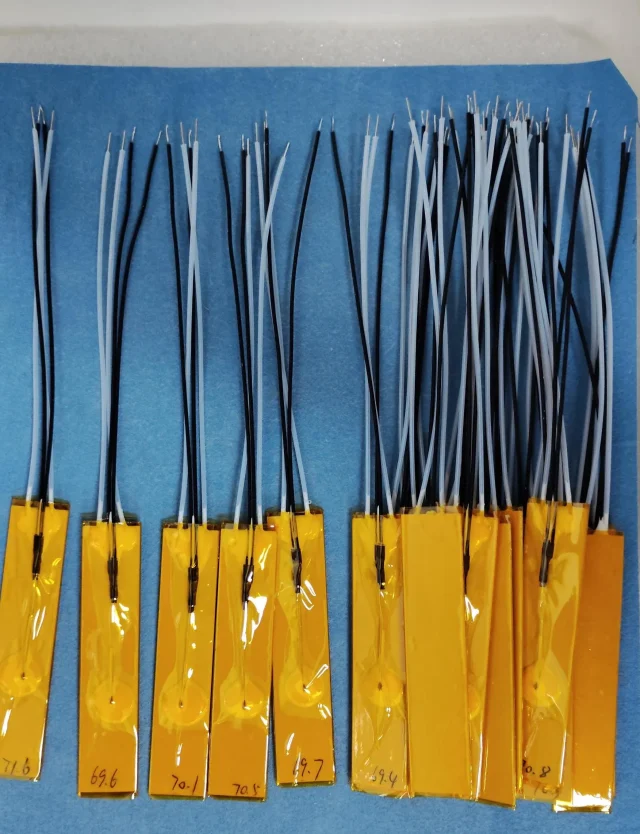
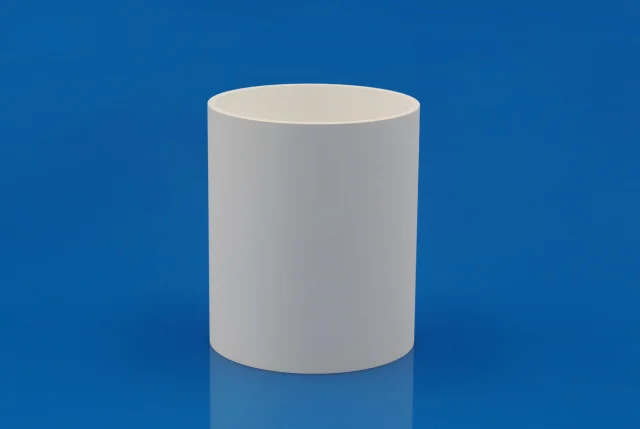
Hair straightener heating elements work through repeated heating and cooling during normal use. The heater may stay at high temperatures for long periods, and its ceramic body and connection parts can also be exposed to mechanical stress during assembly and operation. Over time, these conditions may affect the heating element in different ways. Thermal stress, electrical problems, mechanical damage and temperature control issues can all lead to heater failure. In some cases, several factors may occur together. The main failure modes include thermal cycle fatigue, overheating, electrical failure, mechanical damage, poor electrical connections and abnormal temperature control. A clear understanding of these problems can help manufacturers make better decisions about materials, heater structure and control systems.
I. Thermal Cycle Fatigue
1.1 Effects of Repeated Heating and Cooling The heating element changes temperature every time a hair straightener is used. It expands when heated and contracts as it cools. The ceramic substrate, heating circuit and metal parts may have different rates of thermal expansion. Repeated temperature changes can create stress between these materials. After many heating cycles, this stress may cause cracks, resistance changes or damage to the heating circuit. Severe damage can break the circuit and cause the heating element to stop working.
1.2 How to Reduce the Impact of Thermal Cycling Thermal expansion needs to be considered when choosing materials and designing the heater. The ceramic substrate, heating circuit and metal connection parts should remain stable as the temperature changes. Ceramic heating plates with good thermal stability and high-temperature resistance are suitable for applications that involve repeated heating and cooling.
II. Overheating
2.1 How Overheating Occurs Overheating can result from excessive power, uneven power distribution, high local power density or incorrect temperature feedback. A slow response from the control system can also make the problem worse. When a large amount of heat is generated in a small area, the local temperature can rise above the surrounding areas. This creates a hot spot and increases the temperature difference across the heating plate.
2.2 Problems Caused by Overheating High local temperatures can affect the heat distribution of the heating plate. They can also increase the thermal load on the heater and nearby components. The heater therefore needs to control the rate of temperature rise as well as the temperature across the working surface. A fast heat-up time alone does not mean the heating performance is good.
III. Electrical Failure
Electrical failure may occur when the straightener does not heat after power is applied, when the heating output becomes unstable or when the resistance changes during operation. The heating circuit and connection points are exposed to high temperatures and repeated thermal cycling. Long-term exposure can weaken these areas and affect electrical performance. If the circuit breaks, the heating element will no longer generate heat. The ceramic substrate also plays an electrical role. It supports the heating circuit, provides insulation and allows the heater to operate at high temperatures. The ceramic material, heating pattern and connection structure should be considered together when designing the heating element.
IV. Mechanical Damage
4.1 Common Mechanical Damage Ceramic heating plates may experience external forces during production, assembly, transportation and use. Impact, compression and pulling on the leads can damage the heating plate. Possible results include cracks, chipped edges, delamination and broken leads. Even minor mechanical damage can affect the electrical performance of the heater and change the way heat is transferred.
4.2 Importance of Structural Design A ceramic heating plate needs proper mechanical support even when the ceramic material has good thermal properties. The mounting method, support points, bonding method and lead position should match the product structure. Proper support reduces mechanical stress on the ceramic plate during assembly and operation.
V. Poor Electrical Connections
A heating element may work normally while its connection points cause problems. These areas carry current and are also exposed to heat and repeated temperature changes. Common connection problems include: Increased contact resistance Local heat around the connection Unstable power output Oxidation Loose connections The joining process and connection materials can affect connection reliability. Long-term high-temperature operation and repeated thermal cycling can also weaken the connection over time. The leads and connection areas should be designed for the expected operating temperature and service conditions. The joining method also needs to provide stable electrical contact throughout operation.
VI. Abnormal Temperature Control
The temperature control system affects how the heating element responds during use. Problems with the sensor, control settings or heater response can result in overshoot, temperature fluctuation or slow heat recovery.
6.1 Temperature Overshoot Temperature overshoot happens when the heating element continues to add heat after the heating plate has reached the set temperature. This may occur when the heating power is too high or when the control system reacts too slowly. The actual temperature can then rise above the set value.
6.2 Temperature Fluctuation The heating plate loses heat when it contacts the hair. The heating element needs to supply additional heat to replace this loss. If the control system responds slowly, the plate temperature may fall below the required level. If the heater then supplies too much power, the temperature may rise again. Repeated changes of this type can cause temperature fluctuation. The heating element, temperature sensor and controller need to work with the same thermal response. This helps the plate maintain the required temperature and recover heat during styling.
VII. Comparison of Six Common Failure Modes
| Failure Mode | Common Manifestations | Main Causes | Design Focus |
|---|---|---|---|
| Thermal Cycle Fatigue | Cracks, resistance changes, circuit damage | Repeated heating and cooling, different thermal expansion rates | Material selection and heater structure |
| Overheating | Hot spots, high local temperature, component aging | Excessive power, uneven power distribution, control problems | Power layout and thermal design |
| Electrical Failure | No heating, unstable heating, resistance changes | Circuit damage, insulation problems | Heating circuit and insulation |
| Mechanical Damage | Cracks, chipping, delamination | Impact, compression, assembly stress | Mounting and mechanical support |
| Poor Electrical Connections | Local heating, unstable output | High contact resistance, oxidation, loose connections | Connection materials and joining process |
| Abnormal Temperature Control | Overshoot, fluctuation, slow recovery | Sensor problems, control settings, heater response mismatch | Heater and control system matching |
VIII. Ceramic Heating Plate Manufacturing Process
The manufacturing process has a direct effect on the final quality of a ceramic heating plate. Material preparation, forming, heating circuit printing, sintering and connection work all affect the electrical and thermal properties of the finished heater. A typical production process includes powder preparation, ball milling, granulation, tape casting, blanking, cavity forming, screen printing, lamination, cutting, sintering, nickel plating, brazing and sleeving.
8.1 Powder Preparation and Ball Milling The ceramic raw materials are first prepared based on the required material composition. The materials are then mixed and processed through ball milling. Ball milling helps produce a more even material mixture and prepares the ceramic powder for the forming process.
8.2 Granulation The milled ceramic powder is processed into granules with suitable forming properties. Consistent granule size and flow behavior make the material easier to handle during the next production steps.
8.3 Tape Casting and Blanking The ceramic material is formed into a thin sheet through tape casting. The sheet is then cut to the required size. The thickness and dimensions of the sheet need to stay within the specified range. These dimensions affect the following printing, stacking and sintering processes.
8.4 Cavity Forming Holes or cavities are made in the ceramic sheet according to the heater design. Their size and position need to match the final product structure. Accurate cavity forming also helps maintain alignment during later assembly.
8.5 Screen Printing The resistance heating circuit is printed onto the ceramic substrate. The printed pattern defines the electrical resistance path and heating area. Pattern size, spacing and position can affect the resistance value and heat distribution of the finished heater.
8.6 Lamination For multilayer ceramic heating elements, the ceramic layers are stacked and pressed together. Proper layer alignment and even pressure are needed to keep the internal structure consistent.
8.7 Cutting The laminated ceramic body is cut into the required product shape. Accurate cutting helps maintain the final dimensions and prepares the ceramic body for the sintering process.
8.8 Sintering The formed ceramic body is fired according to a controlled temperature profile. During firing, the ceramic develops its required structure, density and strength. The sintering conditions also affect the electrical and thermal properties of the finished heating element.
8.9 Nickel Plating Nickel plating is applied to selected areas when required by the connection design. The plated area can be used for electrical connection or further joining. The coating needs good adhesion to remain stable during later processing and operation.
8.10 Brazing Metal leads or other connection parts are attached to the heating element through brazing. The finished joint needs to provide stable electrical contact and remain reliable during repeated heating and cooling.
8.11 Sleeving A protective sleeve can be added to the lead or connection area after brazing. The sleeve provides additional protection and electrical insulation. Its material should be suitable for the working temperature of the heating element.
IX. How Ceramic Heating Plates Help Improve Reliability
Hair straightener heating elements need to provide fast heating while working through repeated use. Their long-term performance is affected by the ceramic material, heating circuit, connection structure and production quality. Ceramic heating plates can operate at high temperatures and handle repeated heating and cooling. The resistance pattern can also be designed to spread heat over the working area and reduce large temperature differences. Production control is another part of heater reliability. Stable raw material preparation, consistent circuit printing, accurate layer alignment, controlled sintering and reliable connections can reduce differences between individual heating elements. The compact structure of ceramic heating plates also suits small appliances. Hair straighteners and curling irons have limited internal space, so the heating element needs to provide the required heat output without taking up too much room. The heater structure, manufacturing process, connection design and temperature control system all need to work together. This can reduce problems related to thermal cycling, hot spots, temperature fluctuation and connection failure.
X. Innovacera Ceramic Heating Plate Solutions
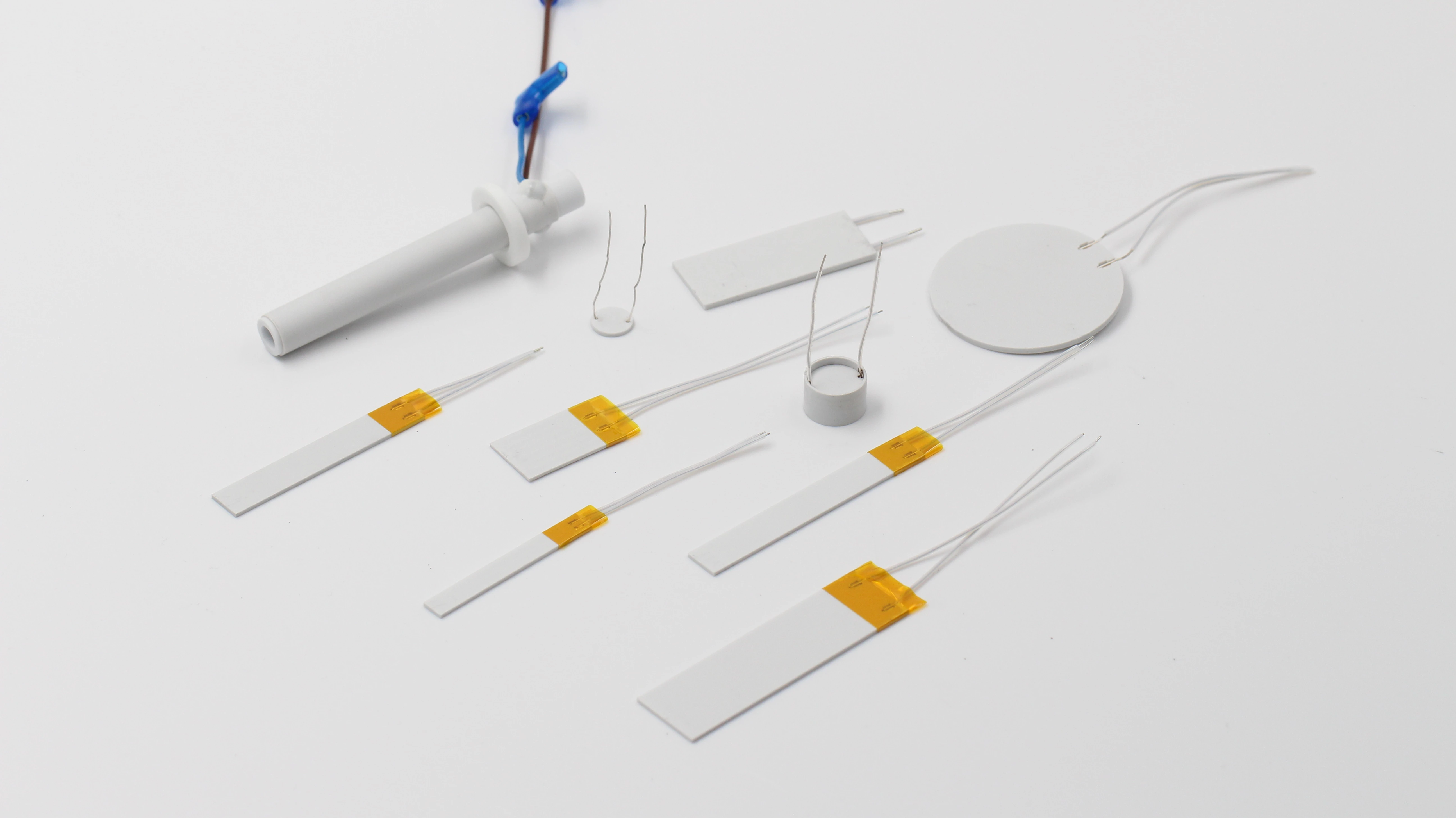
Innovacera provides ceramic heating plate solutions for hair straighteners, curling irons and other compact heating appliances. Heating plates can be designed for different power levels, heating areas, temperature ranges, dimensions and installation conditions. The heating pattern and ceramic structure can also be adjusted to match individual product requirements. Innovacera’s production process covers ceramic material preparation, ball milling, granulation, tape casting, screen printing, lamination, cutting, sintering, nickel plating, brazing and sleeving. Each process is used to control the electrical, thermal and structural properties of the finished heating element. For applications that involve repeated thermal cycling, uneven heating, temperature fluctuation or limited installation space, Innovacera can review the product requirements and develop a ceramic heating plate to match the application. For more information about ceramic heating plates and customized heating solutions, contact Innovacera at mailto:sales@innovacera.com.