



Technical Features
- Built for high voltage vacuum environments.
- Precision electrode alignment for stable ionization.
- High voltage insulation for 2–4 kV DC operation.
- Vacuum compatible materials for low outgassing conditions.
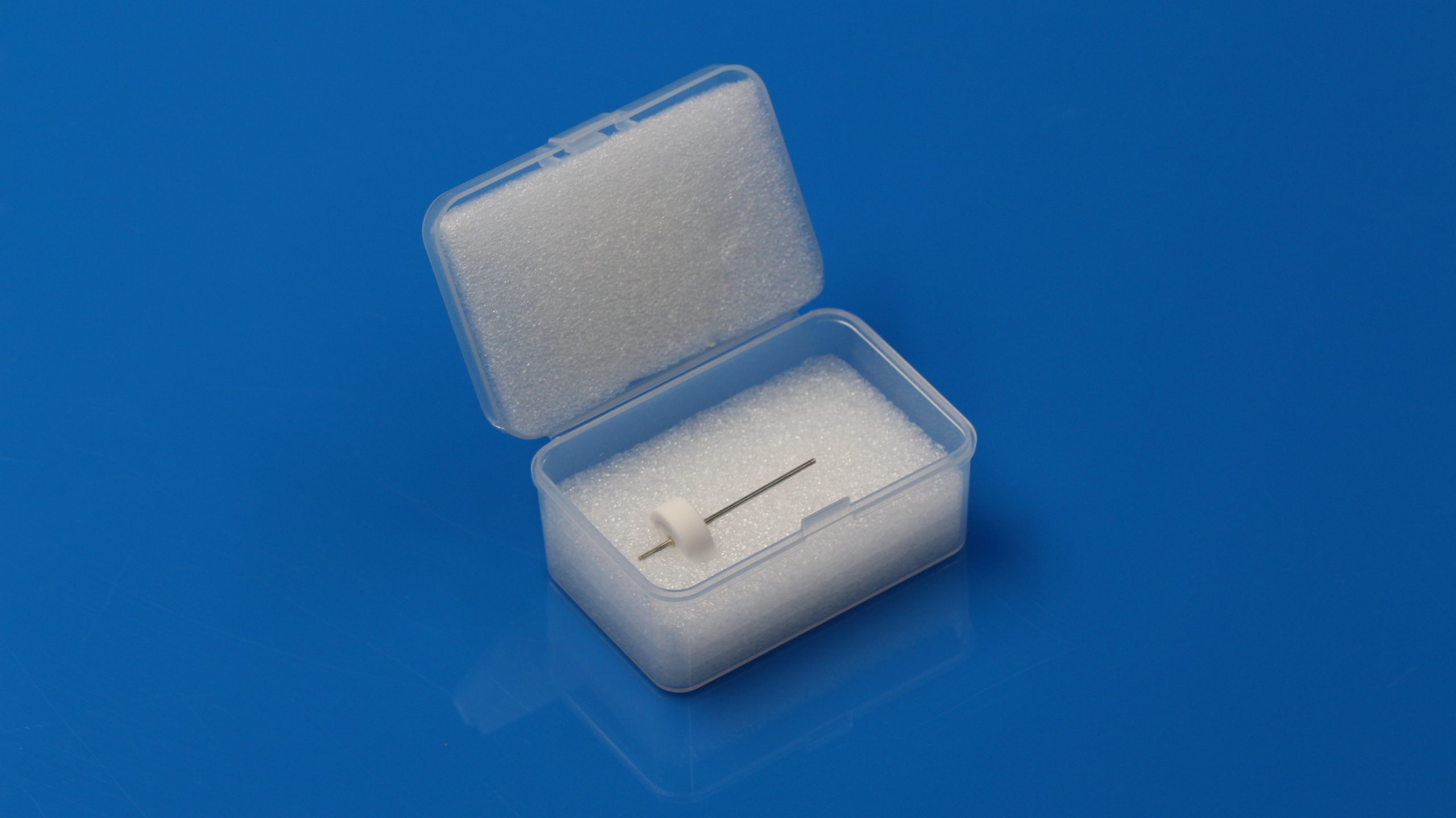
- Hermetic ceramic to metal sealing by metallization and vacuum brazing.
- Excellent electrical stability and long service life.
- Precision concentricity control for field symmetry.
- Suitable for MPG400 / MPG401 vacuum gauge repair, refurbishment and replacement projects.
Why the Anode Assembly Is Critical
The anode assembly is a key electrical discharge control component in cold cathode vacuum gauges. Operating under 2–4 kV DC high voltage, it creates the electric field required for ionization. Precision alignment and insulation stability directly affect measurement accuracy and gauge reliability.
For MPG400 / MPG401 vacuum gauge repair, the condition and positioning of the anode assembly are important considerations when evaluating a replacement anode or repair component.
Technical Specifications
| Parameter | Specification |
|---|---|
| Compatible Models | MPG400 / MPG401 and compatible cold cathode / inverted magnetron vacuum gauge applications |
| Voltage Resistance | 2–4 kV DC |
| Leak Rate | <1 × 10⁻⁹ mbar·L/s |
| Joining Process | Ceramic metallization + vacuum brazing |
| Operating Environment | High vacuum and electron/ion bombardment conditions |
| Coaxial Accuracy | ≤0.5 mm |
Applications
- MPG400 Vacuum Gauge Repair
- MPG401 Vacuum Gauge Repair
- MPG400 / MPG401 Anode Replacement
- Vacuum Gauge Repair
- Vacuum Gauge Refurbishment
- Vacuum Gauge Replacement Parts
- Cold Cathode Gauge Repair Parts
- Scientific Instruments
- Vacuum Measurement Systems
Need Replacement Parts for MPG400 / MPG401 Cold Cathode Vacuum Gauges?
Contact our engineering team for MPG400 / MPG401 anode assembly replacement, product support, customized solutions and RFQ review.
Declaration: This is an original article of INNOVACERA®. Please indicate the source link when reprinting: https://www.innovacera.com/product/vacuum-gauge-anode-assembly
Frequently Asked Questions
What is the anode assembly? Why is it critical for vacuum gauge refurbishment?
The anode assembly is a key electrical discharge control component designed for high-precision cold cathode vacuum gauges. During the gauge refurbishment or repair process, replacing a degraded anode is essential because it operates under a high voltage of 2–4 kV DC to generate the electric field required for gas ionization. Accurate coaxial alignment (≤0.5 mm) and high-purity alumina ceramic insulation are required to maintain field symmetry, prevent electrical breakdown, and ensure stable, reliable vacuum measurements.
What are the technical specifications of the vacuum gauge anode? How does vacuum brazing improve its performance?
The vacuum gauge anode assembly features a hermetic ceramic-to-metal joint achieved through precision metallization and vacuum brazing. This construction delivers a very low leak rate of less than 1 × 10⁻⁹ mbar·L/s, preventing outgassing and protecting system integrity in high vacuum environments. Additionally, the vacuum brazing process ensures excellent high-voltage resistance (2–4 kV DC) and thermal stability, enabling the assembly to withstand continuous electron and ion bombardment during operation.