The Challenge – and Why It Matters to Selection and Sourcing
I have been engaged in the commercialization of ceramic vacuum feedthroughs. And I know that when purchaser sourcing vacuum feedthroughs, it is not just buying a part. You’re buying reliability, lead‑time certainty, and a supplier who won’t leave you hanging when things get tight.
So let me walk you through what a vacuum feedthrough actually does, what you need to look for when qualifying suppliers, and how to make sure you’re getting the right product without over‑specifying or over‑paying.
First, What’s a Vacuum Feedthrough?
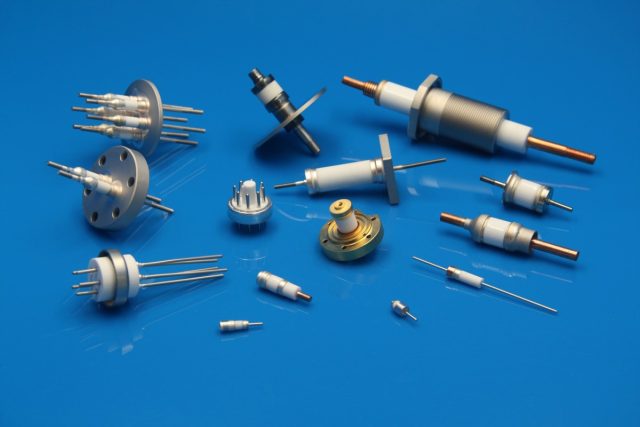
Think of it as a sealed “wall‑pass‑through” for your vacuum chamber. It lets electrical wires, optical fibres, or even cooling lines go from the outside air into the vacuum, while keeping the vacuum intact.
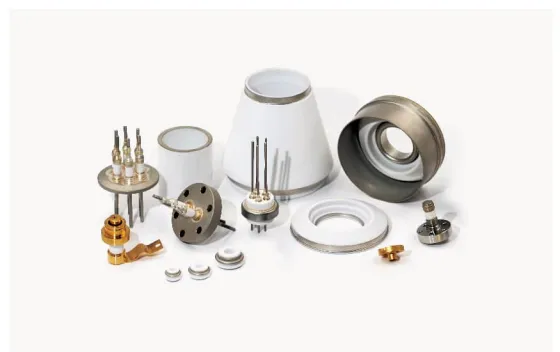
The core parts are:
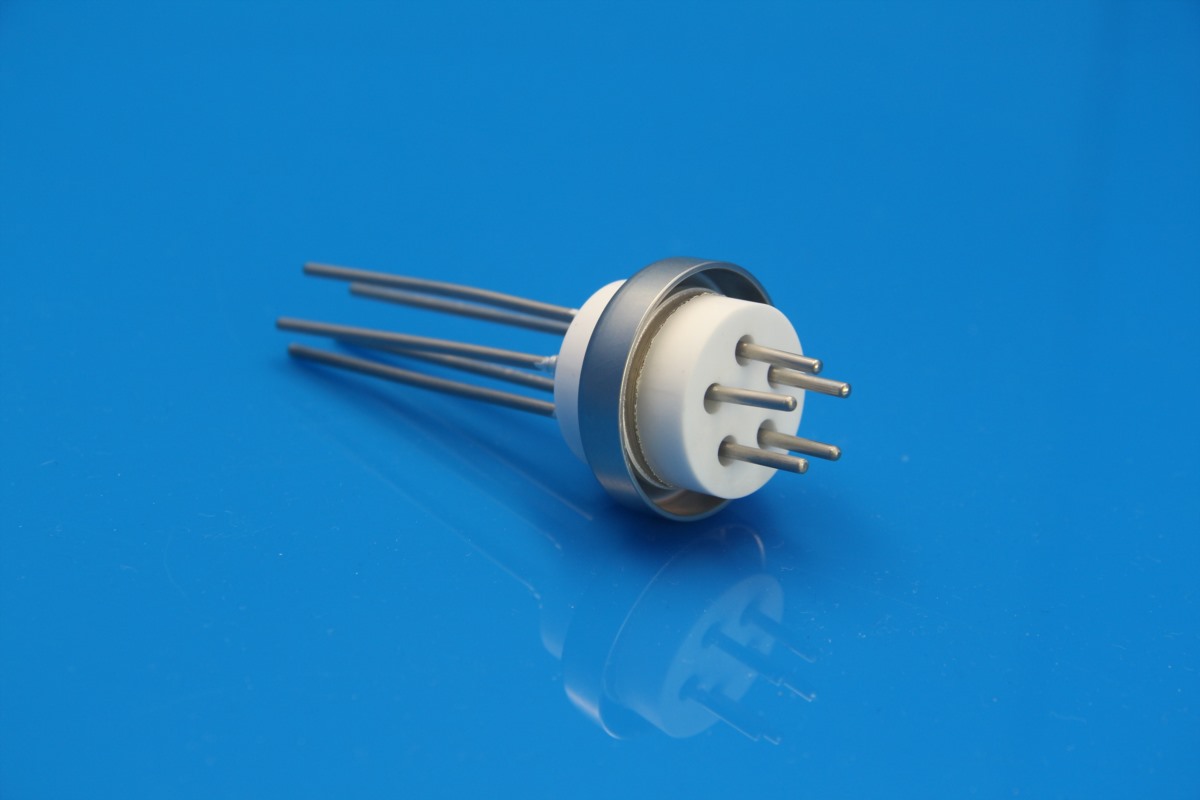
- A ceramic insulator (for electrical isolation)
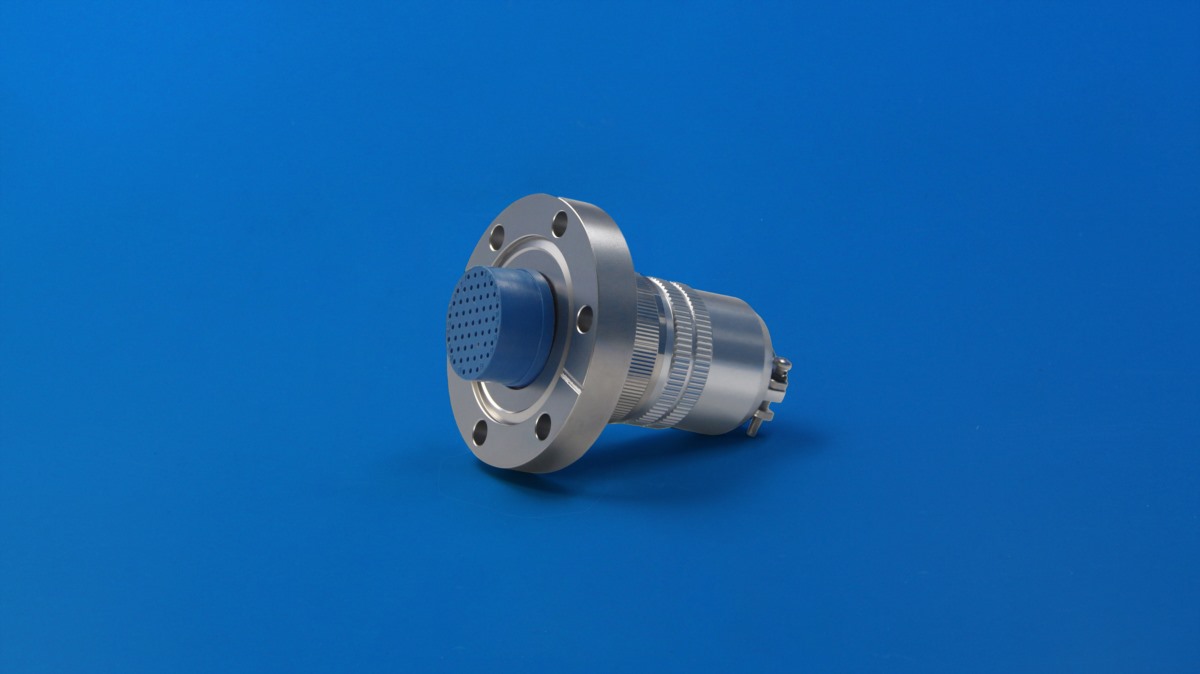
- A metal flange (to bolt onto the chamber)
- Conductive pins or fibre optics (to carry the signal/power)
- A hermetic seal between ceramic and metal – that’s the critical joint.
If that seal fails, your vacuum leaks, your process stops, and your production line takes a hit. So when you are sourcing these, you should always ask: how well is that seal made, and who’s making it?
Why Care About This as a Procurement Engineer
Because a failed feedthrough means unplanned downtime, scrap, and urgent replacement orders – none of which make KPIs look good.
Reliable feedthroughs give below:
- Stable vacuum performance – fewer complaints from operations
- Safe power and signal transmission – no safety incidents
- Longer service intervals – less frequent reorders
- Consistent quality – reduces my supplier risk
In applications like semiconductor tools, laser systems, mass specs, or medical imaging, a single bad unit can cost more in lost production than the entire purchase order. So it needs to avoid that risk upfront.
How They Work – The Technical Bits You Should Know
The principle is simple: ceramic‑to‑metal brazing fuses the insulator to the flange. That braze has to handle thermal cycling, mechanical vibration, and outgassing.
What should look for as a buyer:
- Does the supplier have proven braze process control?
- Do they test every unit for leak rate? (Helium leak testing is standard.)
- Can they provide lot traceability and test reports?
These aren’t just engineering questions – they’re quality and risk management questions.
The Common Types – and What They Cost
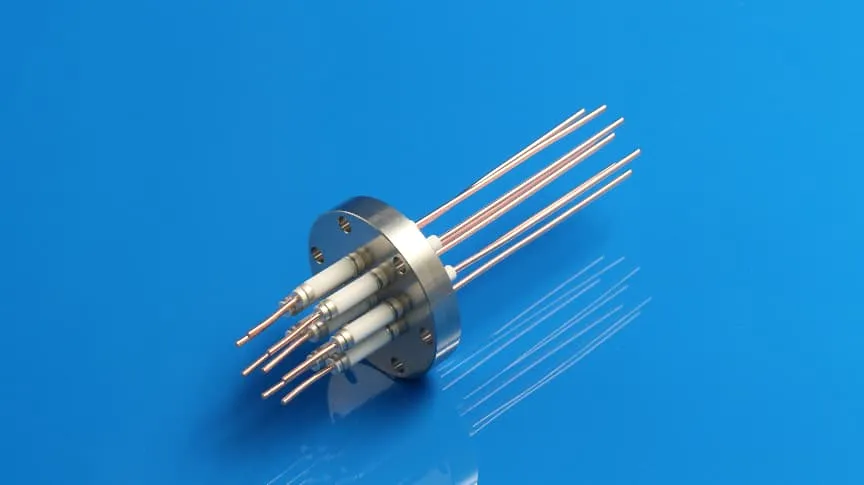
Electrical feedthroughs – single‑pin, multi‑pin, D‑Sub, Micro‑D. Cost varies by pin count, voltage rating, and connector type. I usually ask for a price breakdown to see where the cost drivers are.
Optical fibre feedthroughs – more expensive due to fibre alignment and polishing. But they offer high bandwidth and EMI immunity – worth it for photonics applications.
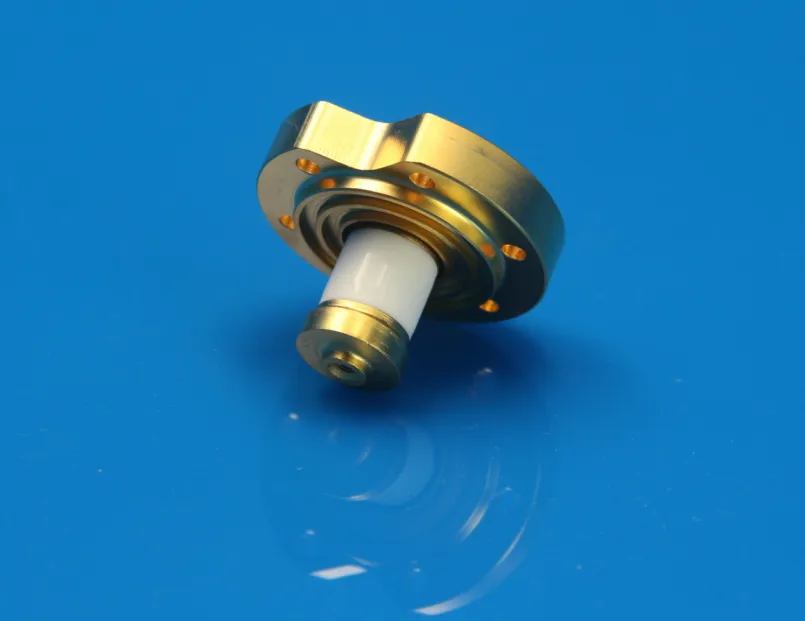
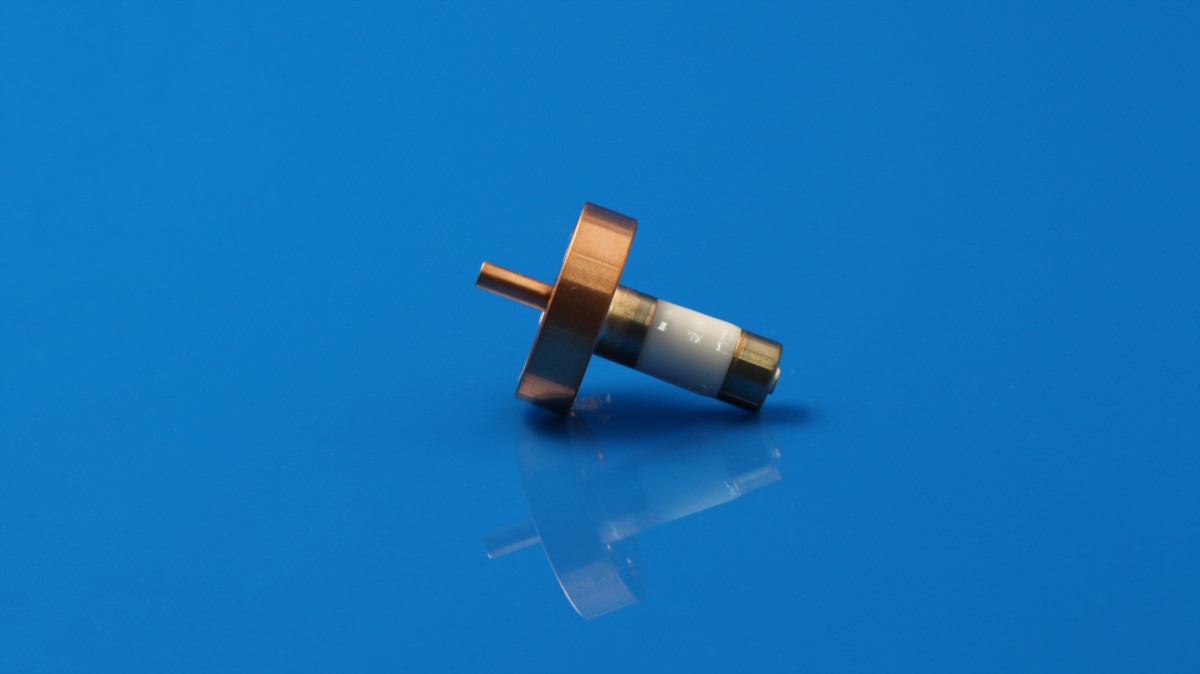
High‑voltage feedthroughs – these get pricey because of insulation design and creepage distances. Always confirm the voltage rating and test voltage to avoid overspending on unnecessary margin.
The Traps May Have – and How to Avoid Them
When sourcing the ceramic vacuum feedthrough, you shold keep running into the same red flags:
- Leakage issues – often due to poor braze quality or incompatible materials. I now require leak test data on every shipment.
- Thermal mismatch – different expansion rates cause cracks during bake‑out. I ask about the supplier’s thermal cycling validation.
- Insulation breakdown – insufficient creepage leads to arcing. I check if the design meets the actual operating voltage with margin.
- Space constraints – if the flange is too big for our port, we have to redesign. I always verify mechanical dimensions against our chamber drawings.
The rule: get these questions answered before the PO, not after.
Sourcing Checklist – What Should Ask Every Supplier
Before you issue a request for quotation, run through this list:
- Vacuum level – high vacuum or UHV? (UHV needs more expensive materials.)
- Voltage and current – steady or pulsed? This affects wire gauge and insulation.
- Signal type – electrical or optical? Each has different supply chains.
- Connector – standard or custom? Custom drives up NRE and lead time.
- Flange standard – CF, KF, ISO, or non‑standard? Stick with standard if possible.
- Temperature – bakeable or room‑temp only? Bakeable adds cost.
- Mounting space – what’s the max diameter and length? Don’t assume – measure.
The more complete spec, the faster I get accurate quotes and fewer change orders later.
When Go Custom – and When Don’t
Standard catalogue parts cover maybe 80% of needs. You go custom only when:
- The flange envelope is non‑standard (we have limited port space)
- Need a specific connector not available off‑the‑shelf
- Pin count exceeds what’s standard
- Require hybrid electrical‑optical in one unit
- High voltage + UHV combination – that’s a specialty
Custom means higher unit cost, longer lead time, and non‑recurring engineering (NRE) charges. So you need weigh the total cost of ownership – if a standard part works, you can take it.
Where Use These –the Product Application
The vacuum feedthroughs end up in:
- Semiconductor etchers and deposition tools
- Fibre laser systems and photonics test rigs
- Mass spectrometers and electron microscopes
- Medical X‑ray and radiotherapy equipment
- High‑voltage lab test benches
Knowing the application helps you specify the right grade – industrial, scientific, or medical – each has different quality and documentation requirements.
The Bottom Line – For Procurement
Sourcing a vacuum feedthrough isn’t like buying a resistor. It’s a critical component that affects system uptime and product quality. My advice:
- Define your operating envelope clearly – don’t over‑spec, but don’t under‑spec either.
- Ask for test data – leak rates, hi‑pot tests, thermal cycle results.
- Check lead times – custom parts can take 4‑6 weeks; plan ahead.
- Evaluate the supplier’s engineering support – can they help you if something goes wrong?
- Get a total cost picture – unit price + NRE + shipping + potential inventory holding.
If you’re working on a new vacuum system or upgrading an existing one, I’m happy to review your drawings and requirements. Send me your spec sheet, flange drawing, and performance targets to sales@innovacera.com – I’ll come back with a clear proposal, including technical justification and commercial terms.
No fluff – just practical sourcing advice and reliable product options. Let’s talk.