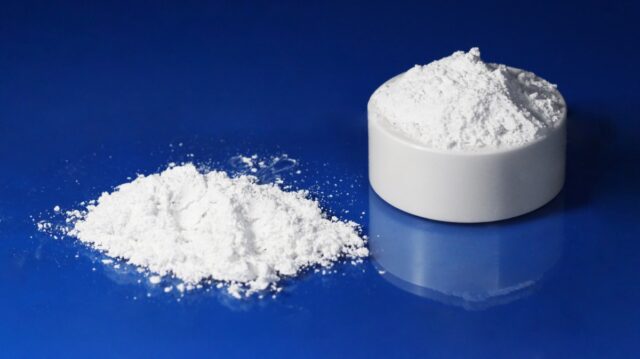
One of the most common questions the Innovacera Engineering Team receives is:
“Why does an Aluminum Nitride substrate cost significantly more than an Alumina substrate?”
At first glance, the question seems reasonable.
Both are ceramic substrates.
Both provide electrical insulation.
Both can be metallized.
Both are used in electronic packaging.
Yet when customers compare quotations, Aluminum Nitride (AlN) often costs significantly more than Alumina (Al₂O₃)[1].
After supporting ceramic substrate projects for more than 13 years, we have found that discussions usually start with price—but rarely end there.
Once engineers begin thermal simulations, reliability evaluations, and system-level cost analysis, the conversation often shifts from:
“Why is Aluminum Nitride more expensive?”
to
“What are the long-term costs of not using Aluminum Nitride?”
This distinction is important because substrate selection is rarely about material cost alone. In many high-power applications, thermal performance, reliability, and product lifetime ultimately have a greater impact on overall system cost than the substrate itself.
Aluminum Nitride Substrate at a Glance
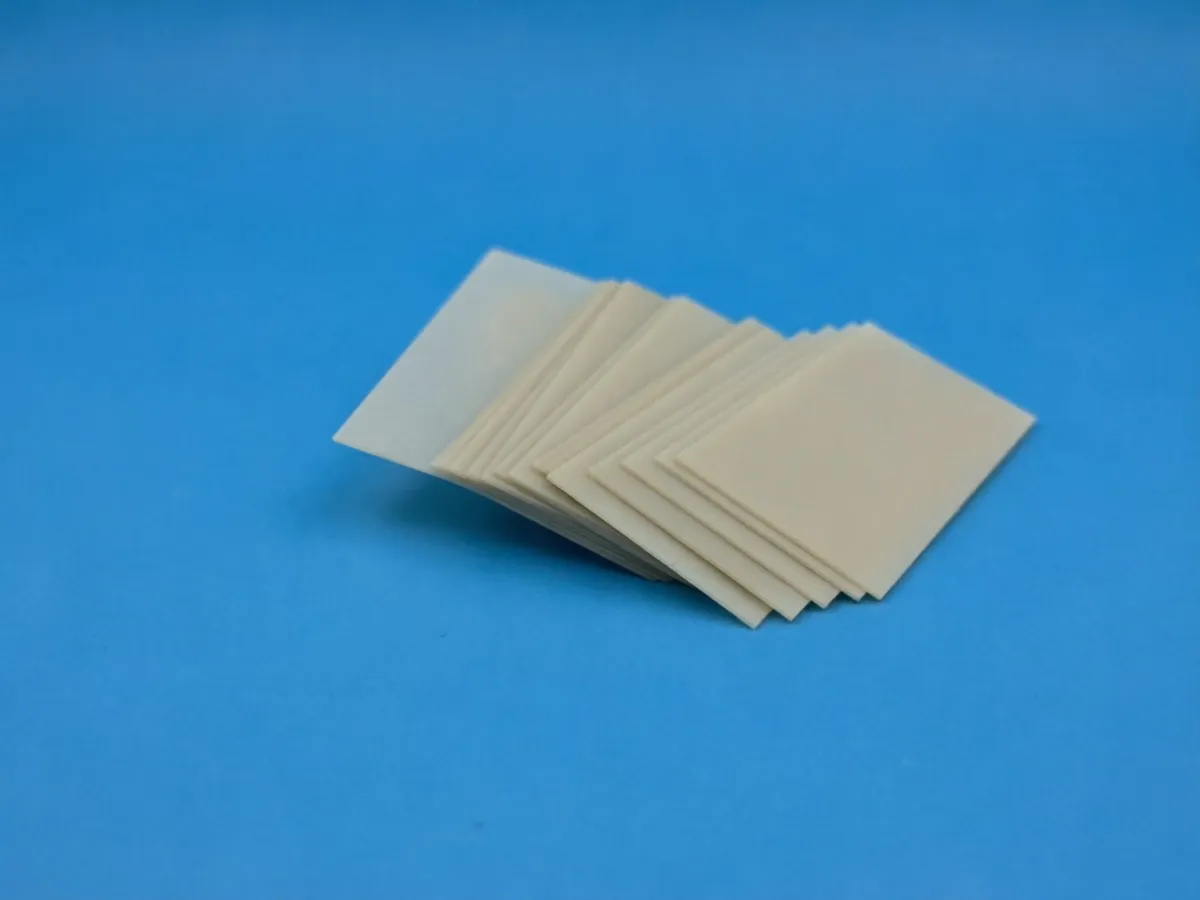
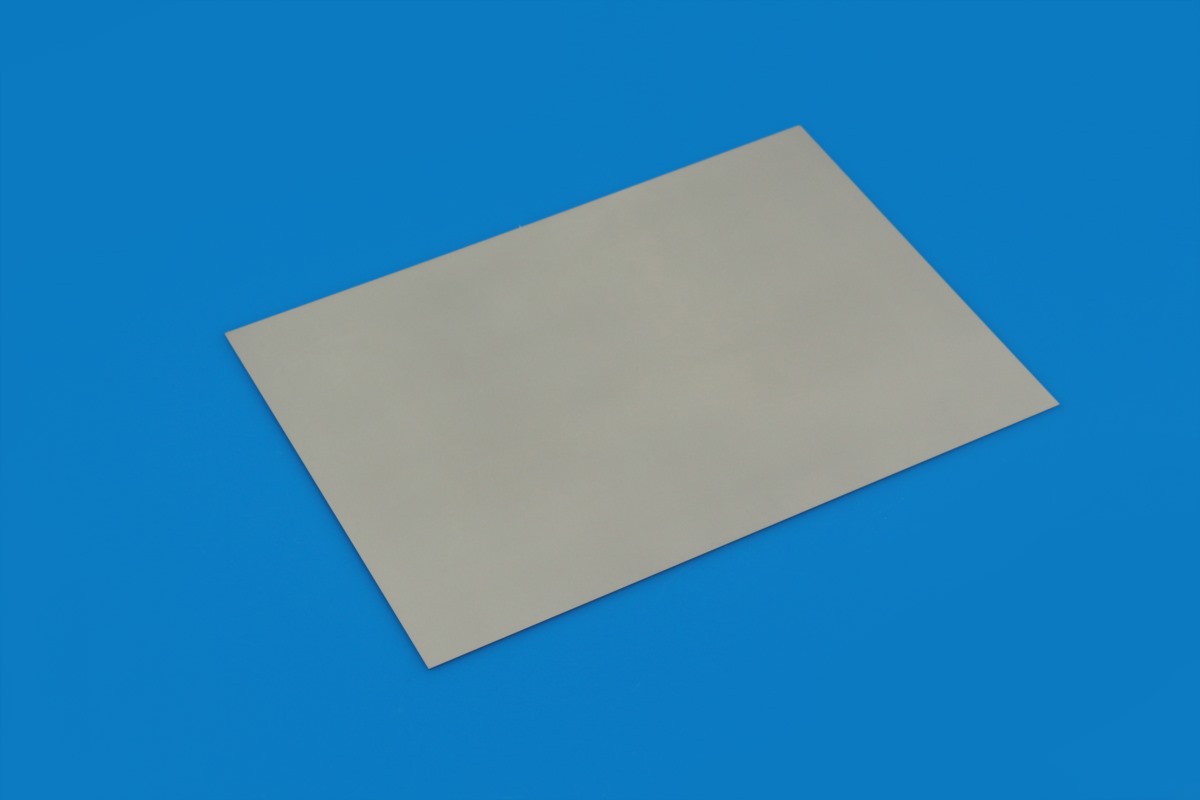
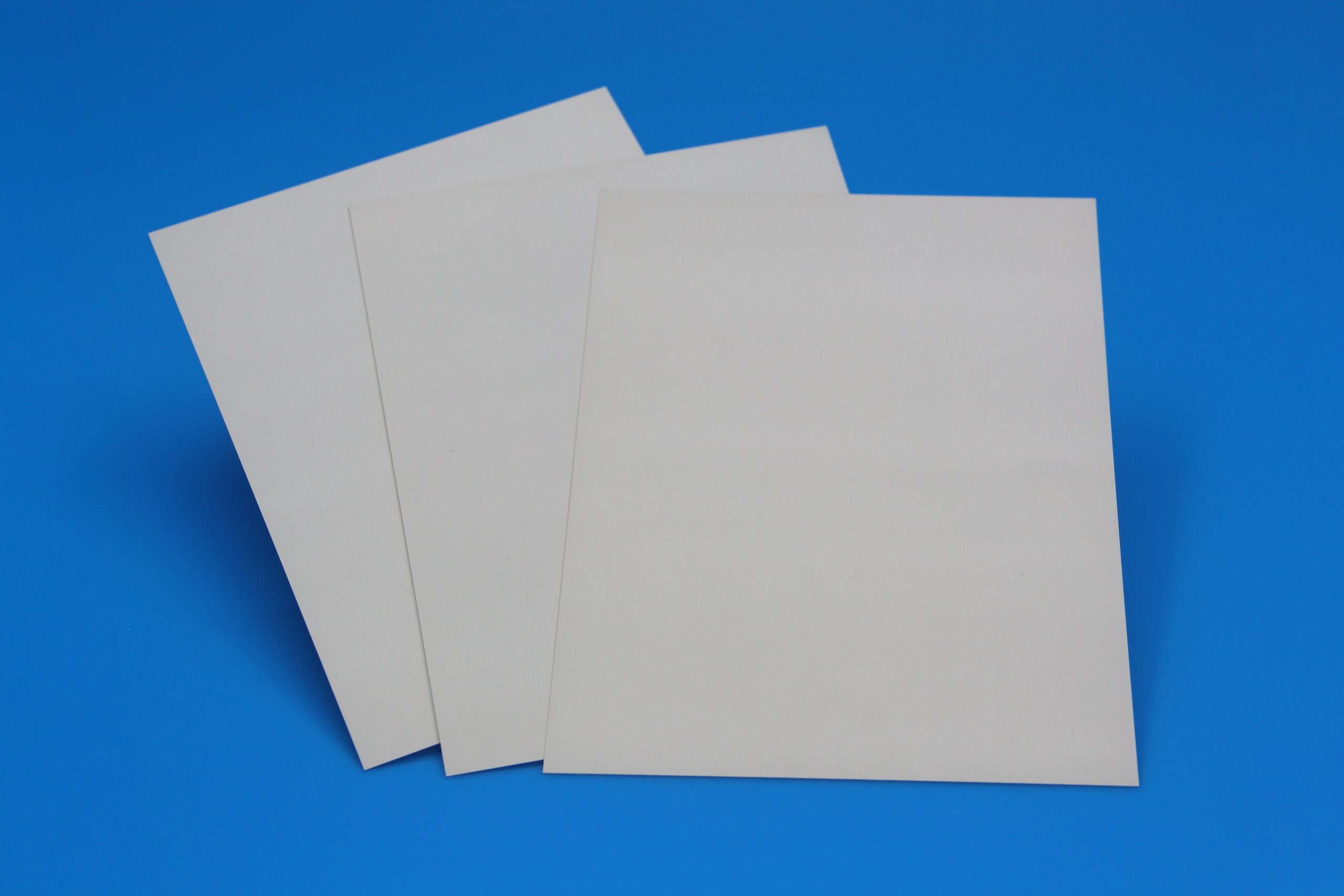
Before discussing cost, let’s look at what makes Aluminum Nitride different from conventional ceramic substrates.
| Property | Aluminum Nitride (AlN) |
|---|---|
| Thermal Conductivity | 170–230 W/m·K[2] |
| Flexural Strength | ≥380 MPa |
| Density | ≥3.3 g/cm³ |
| Breakdown Voltage | 15 kV/mm |
| Dielectric Constant | 8.7 |
| Thickness Range | 0.25–2.0 mm |
| Maximum Standard Size | 190 × 138 mm |
| Surface Roughness | Ra 0.2–0.5 μm |
| Typical Applications | IGBT Modules, SiC Modules, DPC Substrates, Optical Modules |
| Certifications | ISO9001, IATF16949 |
The values above are based on our Aluminum Nitride substrate manufacturing specifications.
The first number most engineers notice is thermal conductivity.
When compared with Alumina, the difference is dramatic[3].
And that difference is the starting point of the cost discussion.
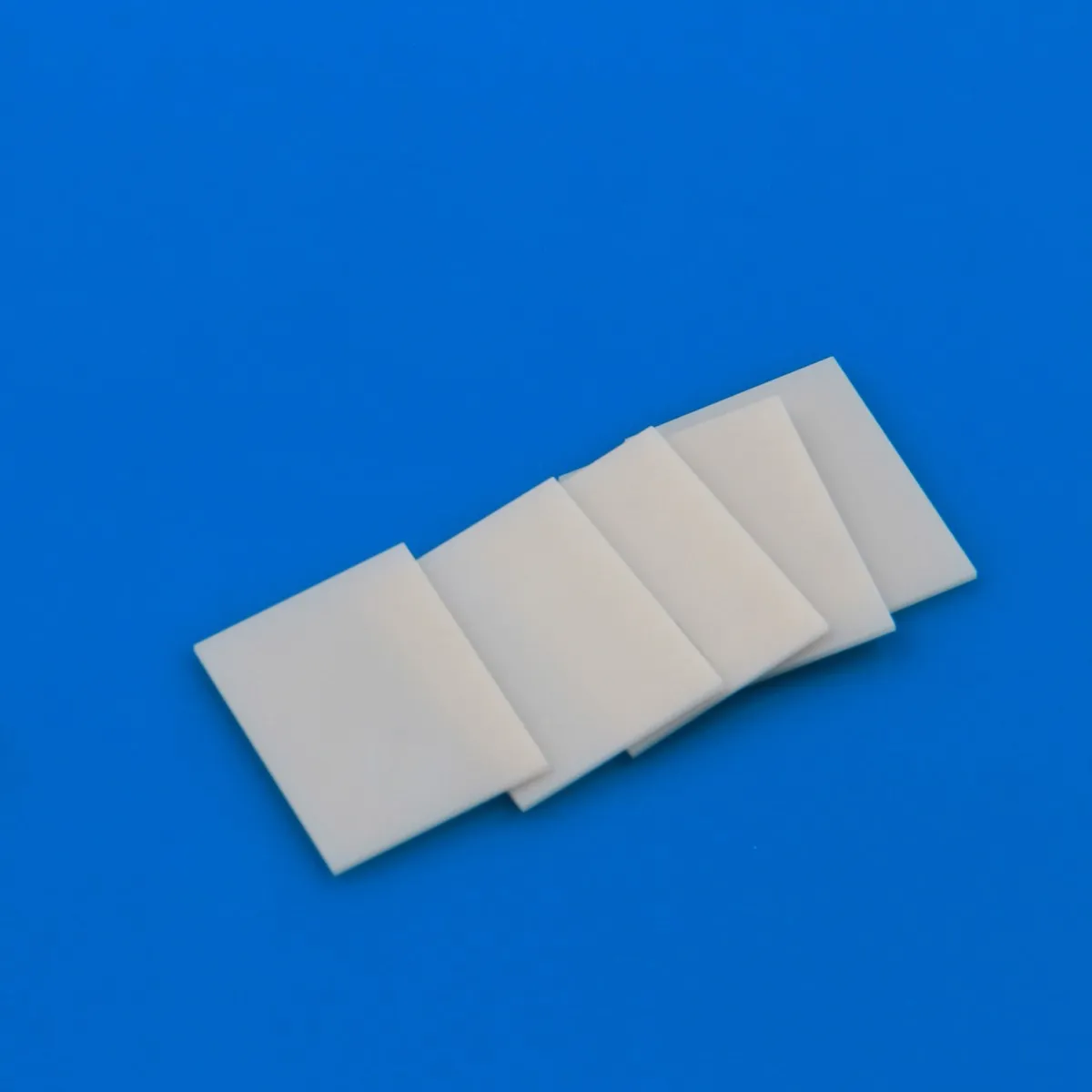
What Makes Aluminum Nitride Different?
In many projects, customers initially compare substrates based on price per piece.
However, engineers tend to evaluate them differently.
Their first questions are usually:
- How much heat can it dissipate?
- What will happen after thousands of thermal cycles?
- Can it survive the application’s operating environment?
- Will it help improve device reliability?
This is where Aluminum Nitride stands out.
Unlike many ceramic materials, AlN combines:
- High thermal conductivity
- Excellent electrical insulation
- Good mechanical strength
- Stable performance under demanding thermal conditions
Very few materials offer all four characteristics simultaneously.
Why Are Aluminum Nitride Substrates More Expensive Than Alumina?
Based on the projects we support across Europe and North America, the higher cost of Aluminum Nitride substrates is usually the result of multiple factors throughout the manufacturing process.
1. The Raw Material Is More Difficult to Produce
Many people assume ceramic powders are similar.
In reality, electronic-grade Aluminum Nitride powder requires much tighter control[4] than Alumina.
Small changes in:
- Oxygen content
- Particle size
- Purity level
can significantly affect final thermal conductivity.
Producing high-quality AlN powder is already more expensive before manufacturing even begins.
2. Manufacturing Is Less Forgiving
One thing we have learned from supporting substrate projects is that Aluminum Nitride leaves very little room for process variation.
During manufacturing, parameters such as:
- Sintering atmosphere[5]
- Temperature profile
- Cooling rate
must be carefully controlled.
A small deviation can affect:
- Flatness
- Thermal conductivity
- Mechanical strength
- Dimensional stability
Compared with Alumina, the process window is narrower, which naturally increases manufacturing costs.
3. Yield Becomes a Challenge as Size Increases
Customers increasingly request:
- Larger substrates
- Thinner substrates
- Tighter tolerances
These requirements create manufacturing challenges.
The larger the substrate, the greater the risk of:
- Cracking
- Chipping
- Warpage
According to our manufacturing specifications, substrate warpage is controlled below 0.3%.
Maintaining this level of consistency requires both process control and quality screening.
4. Quality Assurance Requirements Are Higher
For many AlN applications, failure is expensive.
An IGBT module failure or optical module reliability issue can cost significantly more than the substrate itself.
As a result, Aluminum Nitride substrates typically undergo comprehensive inspections covering:
- Dimensions
- Thickness
- Surface roughness
- Warpage
- Visual appearance
Products that do not meet specification requirements are rejected before shipment.
This additional quality assurance contributes to overall cost but is essential for high-reliability applications.
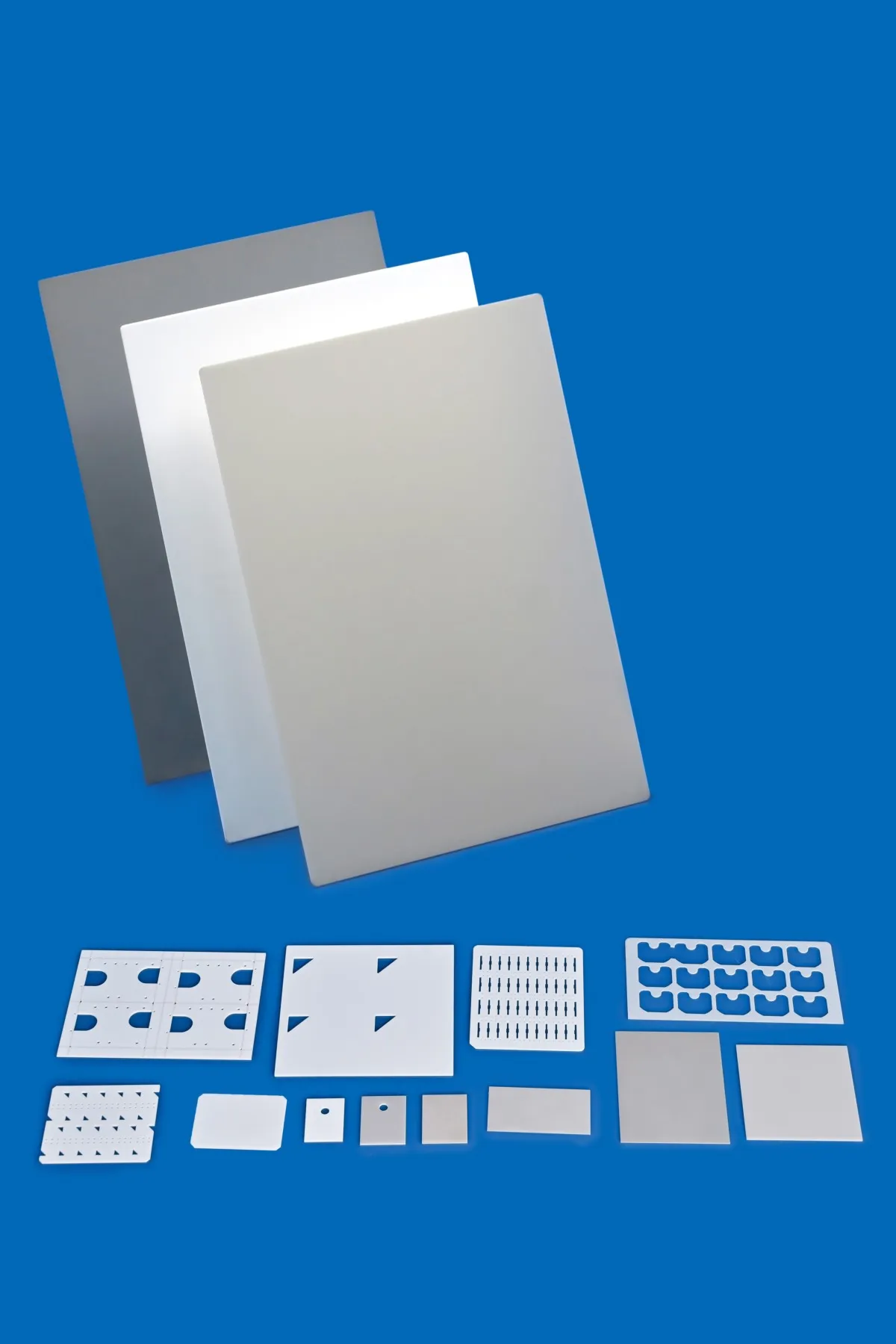
The Real Question Engineers Should Ask
In our experience, many discussions initially focus on substrate price.
However, experienced engineers often look at the bigger picture.
Instead of asking:
“Which substrate is cheaper?”
they ask:
“Which substrate delivers the lowest total cost of ownership?”
For example:
If using Alumina causes:
- Higher junction temperatures
- Reduced device lifetime
- Lower power density
- Additional cooling requirements
then the lower substrate price may not result in a lower system cost.
This is why material selection should always be evaluated at the system level rather than the component level.
Why Many Engineers Start with Alumina—and Later Evaluate Aluminum Nitride
One pattern we frequently observe is that engineers often begin a project with Alumina because of its lower material cost.
At the concept stage, this decision usually makes sense.
However, once thermal simulations are completed and operating temperatures are evaluated, Aluminum Nitride often becomes part of the discussion.
This is especially common in applications involving:
- IGBT power modules
- SiC devices
- High-power LEDs
- Optical communication modules
- Energy storage systems
In these applications, the challenge is rarely the substrate price itself. The challenge is managing heat without compromising reliability, efficiency, or product lifetime.
As a result, many engineering discussions gradually shift from component cost to total system performance.
Aluminum Nitride vs Alumina vs Silicon Nitride
One misconception our engineering team frequently encounters is that Aluminum Nitride is always the best choice.
It isn’t.
Every material has strengths and limitations.
| Property | Alumina (Al₂O₃) | Aluminum Nitride (AlN) | Silicon Nitride (Si₃N₄)[6] |
|---|---|---|---|
| Thermal Conductivity | 24–30 W/m·K | 170–230 W/m·K | 70–95 W/m·K |
| Mechanical Strength | Medium | High | Very High |
| Thermal Shock Resistance | Medium | High | Excellent |
| Cost | Low | High | High |
| General Electronics | Excellent | Good | Limited |
| High-Power LEDs | Good | Excellent | Good |
| IGBT Modules | Good | Excellent | Excellent |
| SiC Power Modules | Fair | Excellent | Excellent |
The right choice depends on the application rather than the material itself.
Engineering Challenges Driving Demand for AlN
Over the past few years, we have observed a clear trend across multiple industries.
Customers are generating more heat in less space.
This trend appears in almost every power electronics project we support.
Electric Vehicles
Power electronics continue moving toward:
- Higher efficiency
- Higher switching frequency[7]
- Higher power density
Thermal management has become a critical design consideration.
AI Data Centers
The growth of AI computing has dramatically increased power consumption[8].
More power means more heat.
More heat creates greater demand for advanced thermal management materials.
Optical Communication
As optical modules move from:
- 400G
- 800G
- 6T
and beyond, thermal performance becomes increasingly important.
Energy Storage Systems
Battery systems operate continuously and generate substantial heat during charge and discharge cycles.
Reliability depends heavily on effective thermal management.
What Engineers Usually Evaluate First
Based on customer inquiries received by Innovacera over the past several years, thermal conductivity remains the most frequently discussed evaluation factor when engineers compare Aluminum Nitride and Alumina substrates.
When customers contact us about Aluminum Nitride substrates, the first conversation is rarely about color, appearance, or even dimensions.
The discussion usually centers on performance.
| Priority | Evaluation Factor |
|---|---|
| 1 | Thermal Conductivity |
| 2 | Flatness |
| 3 | Thermal Cycling Reliability |
| 4 | Surface Roughness |
| 5 | Thickness Tolerance |
| 6 | Metallization Adhesion |
| 7 | Lead Time |
| 8 | Supply Stability |
Interestingly, price rarely appears at the top of the list once a project reaches the engineering evaluation stage.
Typical Applications for Aluminum Nitride Substrates
Across the projects supported by Innovacera, we have seen Aluminum Nitride most commonly selected for applications where thermal performance directly affects reliability and product lifetime.
IGBT Power Modules
Aluminum Nitride substrates help improve heat dissipation and reduce junction temperature.
SiC Power Modules
AlN supports higher power density and operating temperatures associated with SiC devices.
DPC Ceramic Substrates
Aluminum Nitride is widely used as the ceramic base material for Direct Plated Copper (DPC) technology[9].
High-Power LED Packaging
Improved thermal conductivity helps maintain optical performance and extend product lifetime.
Optical Communication Modules
Efficient heat dissipation supports stable operation in compact, high-speed optical transceivers.
Frequently Asked Questions from Engineers
Is Aluminum Nitride always better than Alumina?
No.
This is one of the most common questions our engineering team receives during substrate selection discussions.
If thermal management is not a major challenge, Alumina may provide a better cost-performance balance.
Why does thermal conductivity matter so much?
Because temperature affects almost everything:
- Reliability
- Lifetime
- Efficiency
- Power density
Lower operating temperatures generally improve long-term performance.
Is Aluminum Nitride suitable for DPC processing?
Yes.
In fact, Aluminum Nitride is one of the most widely used ceramic materials for high-performance DPC substrates.
What thicknesses are commonly available?
Typical thicknesses range from 0.25 mm to 2.0 mm.
What is the maximum standard size?
Up to 190 × 138 mm according to our current manufacturing specifications.
Is the higher price worth it?
In many high-power applications, yes.
The cost difference between Alumina and Aluminum Nitride is often much smaller than the cost of overheating, performance limitations, or field failures.
Final Thoughts
After more than 13 years of supporting ceramic substrate projects across Europe and North America, we have found that Aluminum Nitride is rarely selected because it is the lowest-cost option.
Instead, it is selected because it helps solve thermal management challenges that conventional materials often cannot address effectively.
At Innovacera, we have observed this pattern repeatedly across projects involving IGBT modules, optical communication devices, energy storage systems, and advanced thermal management applications.
For engineers evaluating substrate materials, the most useful question is usually not:
“Why is Aluminum Nitride more expensive than Alumina?”
but rather:
“What value does Aluminum Nitride bring to overall system performance, reliability, and lifecycle cost?”
When the discussion shifts from component cost to system performance, the reasons behind Aluminum Nitride’s higher price become much easier to understand.
Expert Note
The technical information and recommendations in this article are based on Aluminum Nitride substrate manufacturing specifications, engineering support experience, customer application requirements, and publicly available industry research.
About Innovacera Engineering Team
This article was prepared by the Innovacera Engineering Team, specializing in advanced ceramic materials, ceramic substrates, thermal management solutions, and ceramic-to-metal technologies.
With more than 13 years of experience supporting customers across Europe and North America, our team has worked on applications including:
- IGBT Power Modules
- SiC Power Electronics
- Optical Communication Modules
- High-Power LED Packaging
- Energy Storage Systems
- Semiconductor Equipment
The goal of this guide is to help engineers and purchasing teams make better-informed substrate selection decisions based on performance, reliability, and total lifecycle cost.
About Innovacera
Innovacera is an advanced ceramics supplier with more than 13 years of export experience.
Our ceramic substrate portfolio includes:
- Aluminum Nitride (AlN) Substrates
- Alumina (Al₂O₃) Substrates
- Silicon Nitride (Si₃N₄) Substrates
- Metallized Ceramic Substrates
- DPC Ceramic Substrates
With ISO9001 and IATF16949 certifications and a monthly Aluminum Nitride substrate capacity of 200,000 pieces, Innovacera supports customers throughout Europe and North America in thermal management and electronic packaging applications.
Whether you are evaluating Aluminum Nitride for a new design or comparing substrate options for an existing project, our engineering team is available to discuss material selection, manufacturability, and thermal performance requirements.
- “Processing of Al2O3-AlN Ceramics and Their Structural, Mechanical …”, https://pmc.ncbi.nlm.nih.gov/articles/PMC8538631/. Industry analyses indicate that aluminum nitride substrates typically cost 3-10 times more than comparable alumina substrates, depending on specifications and volume. ↩
- “High-thermal-conductivity aluminum nitride ceramics: The effect of …”, https://impact.ornl.gov/en/publications/high-thermal-conductivity-aluminum-nitride-ceramics-the-effect-of/. Aluminum nitride exhibits thermal conductivity typically ranging from 140-180 W/m·K for standard grades, with high-purity sintered AlN achieving values up to 200-230 W/m·K. ↩
- “Thermal properties of aluminum oxide from 0° to 1200° K”, https://nvlpubs.nist.gov/nistpubs/jres/057/jresv57n2p67_A1b.pdf. Alumina (Al₂O₃) ceramics typically exhibit thermal conductivity of 20-30 W/m·K, approximately one order of magnitude lower than aluminum nitride. ↩
- “Oxygen reduction through specific surface area control of AlN …”, https://ui.adsabs.harvard.edu/abs/2024SeScT..39b5006W/abstract. Aluminum nitride powder synthesis requires strict oxygen control, as oxygen impurities form aluminum oxide phases that significantly reduce thermal conductivity; oxygen content must typically be maintained below 1 wt% for high-performance applications. ↩
- “Impacts of Temperature and Time on Direct Nitridation of Aluminium …”, https://pmc.ncbi.nlm.nih.gov/articles/PMC9959260/. Aluminum nitride sintering typically requires nitrogen or forming gas atmospheres at pressures of 0.1-1.0 MPa to prevent decomposition and oxidation, which occur readily above 700°C in air or oxygen-containing environments. ↩
- “PECVD Silicon Nitride – MIT”, https://www.mit.edu/~6.777/matprops/pecvd_sin.htm. Silicon nitride ceramics exhibit thermal conductivity typically ranging from 15-90 W/m·K depending on composition and microstructure, with hot-pressed Si₃N₄ achieving higher values than reaction-bonded variants. ↩
- “Efficiency Comparison of Power Converters Based on SiC and GaN …”, https://upcommons.upc.edu/bitstreams/92a09c3c-f085-42a3-8942-26838eb41d1c/download. Wide-bandgap semiconductors such as SiC and GaN enable switching frequencies of 20-100 kHz and higher in power conversion applications, compared to 5-20 kHz typical of silicon IGBTs, driving increased thermal management requirements. ↩
- “Why AI uses so much energy — and what we can do about it”, https://iee.psu.edu/news/blog/why-ai-uses-so-much-energy-and-what-we-can-do-about-it. Studies estimate that AI training workloads can consume 100-1000 times more energy than traditional computing tasks, with large language models requiring megawatt-scale power for training, significantly increasing data center thermal management challenges. ↩
- “Metallization of aluminun nitride ceramic (Review) – HERO”, https://hero.epa.gov/reference/1769525/. Direct Plated Copper (DPC) is a metallization process where copper is electrochemically deposited directly onto ceramic substrates, enabling finer circuit patterns and better thermal performance compared to traditional active metal brazing methods. ↩