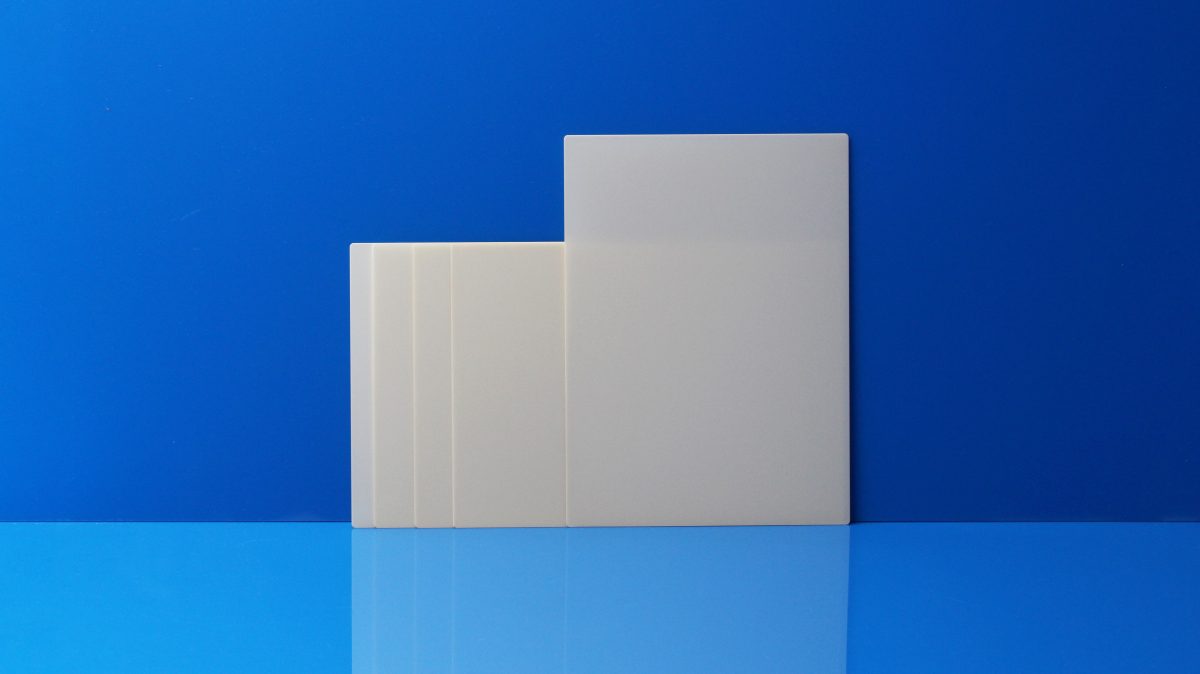
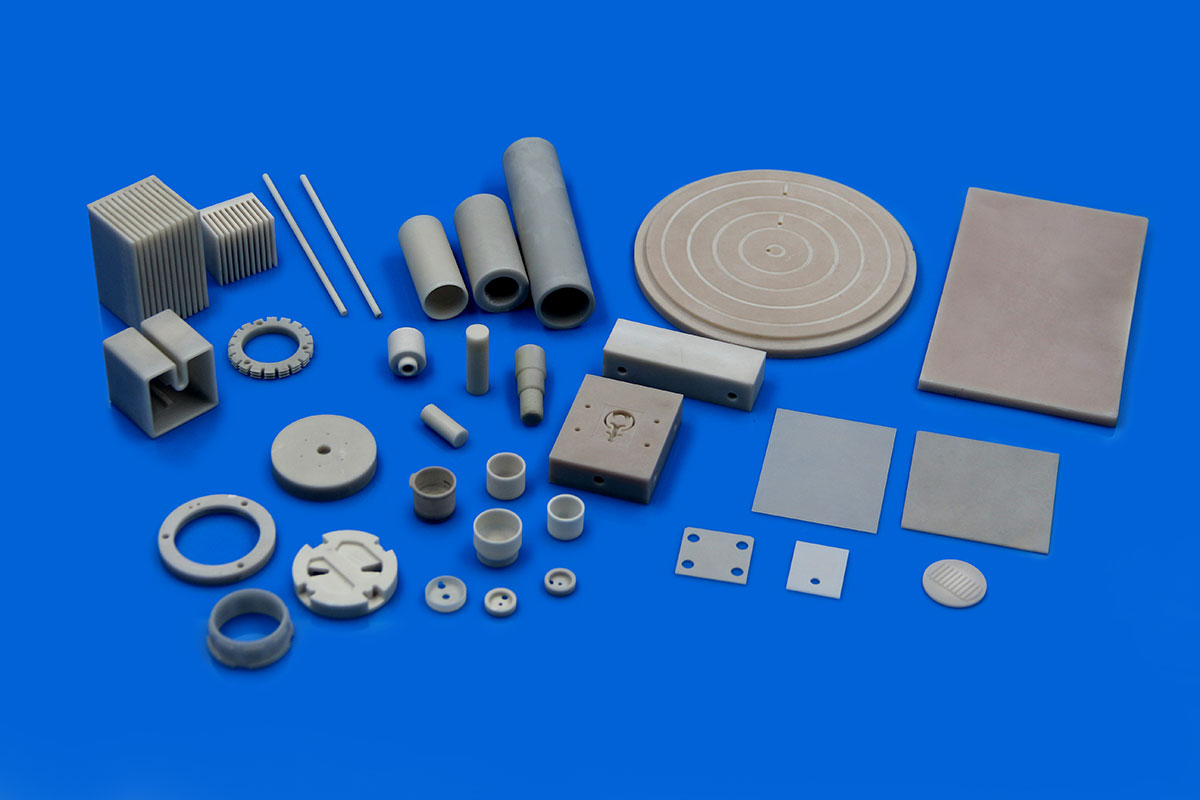
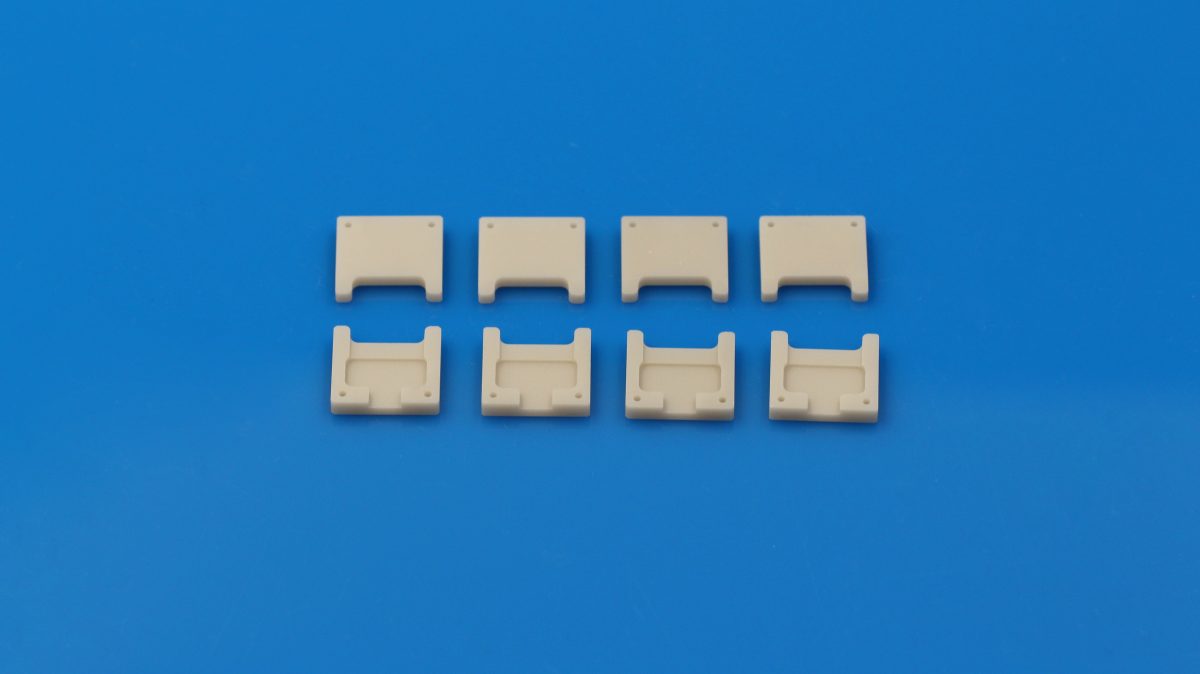
The evolution of power electronics technology places increasing demands on thermal management. AlN Ceramic Plate represents a material solution that keeps pace with these advancing requirements. The material’s combination of properties addresses the specific challenges faced by power electronics designers.
How AlN Ceramic Plate Works
At the core of AlN Ceramic Plate lies aluminum nitride, a ceramic material distinguished by its crystal structure. The wurtzite arrangement of atoms provides phonon transport efficiency that translates to exceptional thermal conductivity. Depending on grade, this conductivity ranges from 170 to 230 W/m·K, far exceeding standard substrate materials.
Customer specifications for AlN Ceramic Plate may include requirements beyond standard properties. Dimensional tolerances, surface finish, metallization patterns, and inspection criteria vary by application. Manufacturing reviews these requirements to confirm capability before accepting orders.
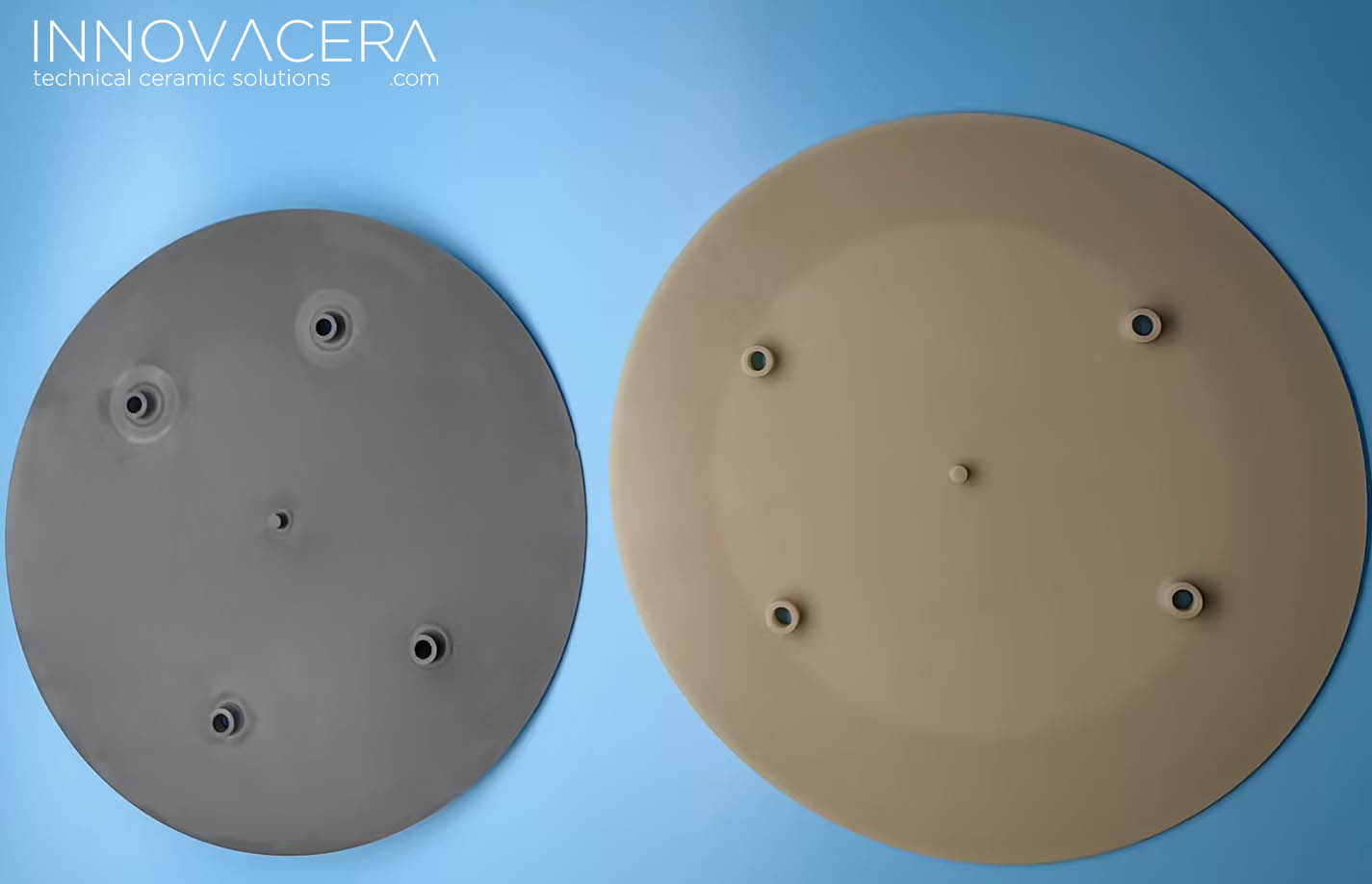
For power electronics applications involving IGBT and SiC power devices, AlN Ceramic Plate provides critical advantages. The thermal conductivity efficiently removes heat from power devices. Electrical resistivity exceeding 10¹⁴ Ω·cm maintains safe isolation. And the coefficient of thermal expansion at 4.2-4.6 ppm/K closely matches silicon and SiC devices, reducing thermal stress during temperature cycling.
Electrical Isolation Properties
| Electrical Parameter | Value | Safety Implication |
|---|---|---|
| Thermal Conductivity | 170-230 W/m·K | Heat dissipation during operation |
| Volume Resistivity | >10¹⁴ Ω·cm | Prevents DC leakage at 25°C |
| Dielectric Strength | >15 kV/mm | Withstands 15kV per mm thickness |
| Dielectric Constant (1 MHz) | 8.8-9.0 | Stable across frequency range |
| Dielectric Loss (tan δ) | 600V | Resists surface tracking |
| Partial Discharge (1.5 kV) | < 10 pC | Ensures long-term insulation integrity |
| CTE | 4.2-4.6 ppm/K | Matches Si/SiC for reliability |
| Note: Specifications above are typical values for AlN Ceramic Plate. Actual values may vary with thickness and grade. |
Thermal Evaluation
Analyzing AlN Ceramic Plate performance involves both thermal and electrical considerations. The thermal conductivity of 170-230 W/m·K efficiently removes heat. The dielectric strength exceeding 15 kV/mm provides safety margins. And the CTE match minimizes mechanical stress.
For IGBT and SiC power devices, these properties work together. Thermal conductivity keeps devices cool. Electrical isolation prevents shorts. And CTE matching reduces solder fatigue. The combination enables reliable operation under demanding conditions.
Cost analysis should consider total cost of ownership. While AlN Ceramic Plate costs more than standard substrates, benefits include reduced cooling requirements, improved reliability, longer service life, and the ability to handle higher power densities.
Market Applications
Data center optical interconnects use AlN Ceramic Plate to manage heat in 800G and 1.6T transceivers. These modules pack 15-25 watts into compact QSFP-DD packages. The substrate conducts heat from DSPs, laser drivers, and optical components while maintaining signal integrity at 112 Gbps.
LED lighting systems benefit from AlN Ceramic Plate through improved thermal management. High-power LED arrays concentrate heat that must be conducted away efficiently. The substrate maintains low junction temperatures, preserving light output, color consistency, and operational life.
The material science behind AlN Ceramic Plate is well understood and documented. Engineers can access comprehensive property data, application notes, and design guidance. This information supports confident specification and effective implementation. Innovacera provides AlN Ceramic Plate with competitive lead times and flexible order quantities to support both prototype and production requirements.