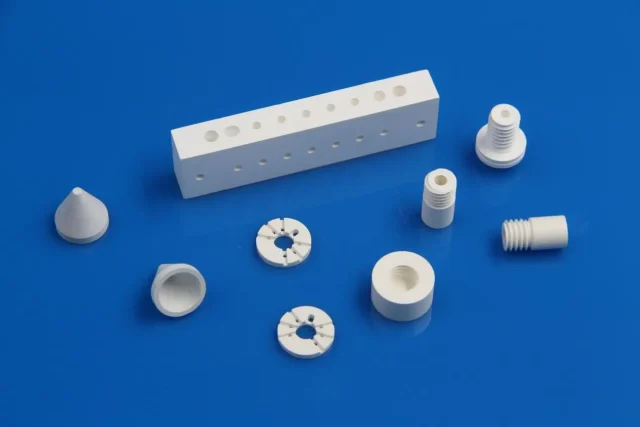
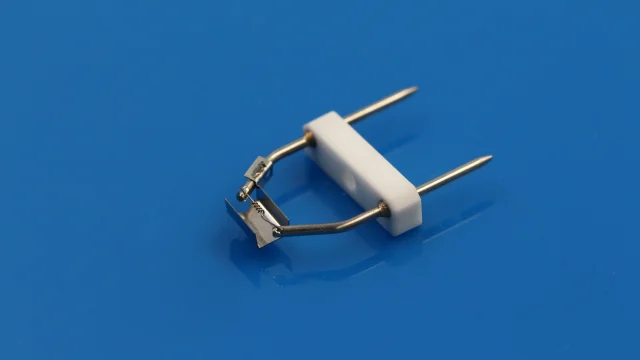
The film preparation processes such as PVD vacuum coating, electron beam evaporation, thermal evaporation deposition and magnetron sputtering are usually carried out in high vacuum or inert atmosphere environments, and involve the high-temperature melting and evaporation processes of metal materials. The evaporated materials such as aluminum, gold, silver, copper and alloys have strict requirements for the high-temperature stability and chemical compatibility of the crucible and evaporation boat.
However, graphite, alumina and silicon carbide crucibles are prone to wetting adhesion, chemical reactions or thermal stress damage under high-temperature conditions, which in turn affects the quality of the film and the stability of the process.
Therefore, boron nitride (BN) ceramics (h-BN and PBN) have become one of the key materials commonly used in PVD and evaporation deposition equipment due to their stable chemical inertness and non-wetting properties.
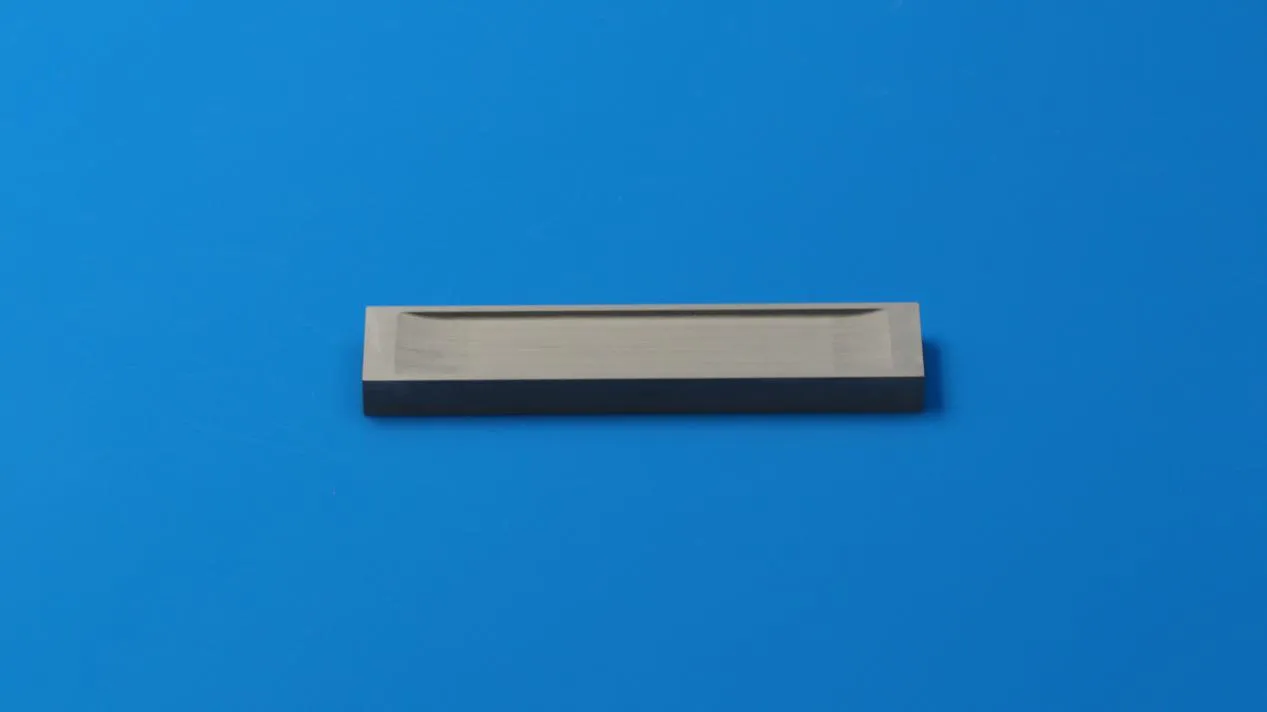
I. Core Material Issues in PVD and Evaporation Deposition Processes
In actual production, traditional crucible materials mainly face the following issues:
• Molten metal sticks firmly to the crucible’s inner walls at high temperatures. It becomes hard to clean and shortens the service life of the container.
• Base materials undergo chemical reactions under high heat and vacuum, contaminating the thin film and lowering its purity.
• Frequent thermal cycling can lead to cracking or powdering, compromising chamber cleanliness
• Cross-contamination is likely during switching between multiple metal evaporation processes
These issues directly affect the quality of optical coatings, the electrical performance of semiconductor thin films, and production stability.
II. Core Material Advantages of BN Ceramics
BN ceramics deliver great practical value in PVD and evaporation processes thanks to their well-balanced material traits:
• No adhesion to molten metals: Barely wets aluminum, gold, silver, copper and other common evaporants, so metal buildup and sticking can be avoided effectively
• Tolerates heat and rapid temperature shifts: Maintains intact structure even under high heat and repeated thermal cycling
• Excellent chemical resistance: Will not react with metal vapor in vacuum or inert gas, keeping deposited films clean and pure
• Minimal gas release: Preserves high-vacuum working conditions and makes production results far more consistent
• Excellent electrical insulation (particularly prominent in PBN): Well-suited for electron beam evaporation and plasma environments
III. Typical Applications of BN Ceramics in PVD Equipment
In vacuum coating equipment, BN ceramics are typically used as functional components rather than as structural materials for the entire machine, and they mainly include:
1. Evaporation and melting of consumable components
BN evaporation boat, BN crucible, PBN electron beam crucible
Used to hold the metal melt and achieve stable evaporation, reducing pollution and adhesion problems, and increasing the repeat service life.
2. Heating systems and insulation structural components
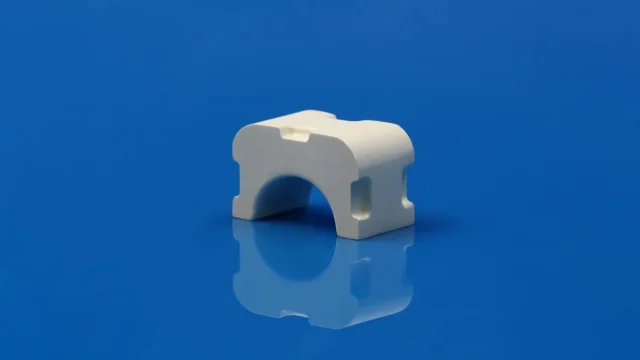
BN heat insulation screen, reflective screen and furnace internal support structure
Used to optimize the thermal field distribution, reduce heat loss and improve coating uniformity.
3. Insulation and Support Components
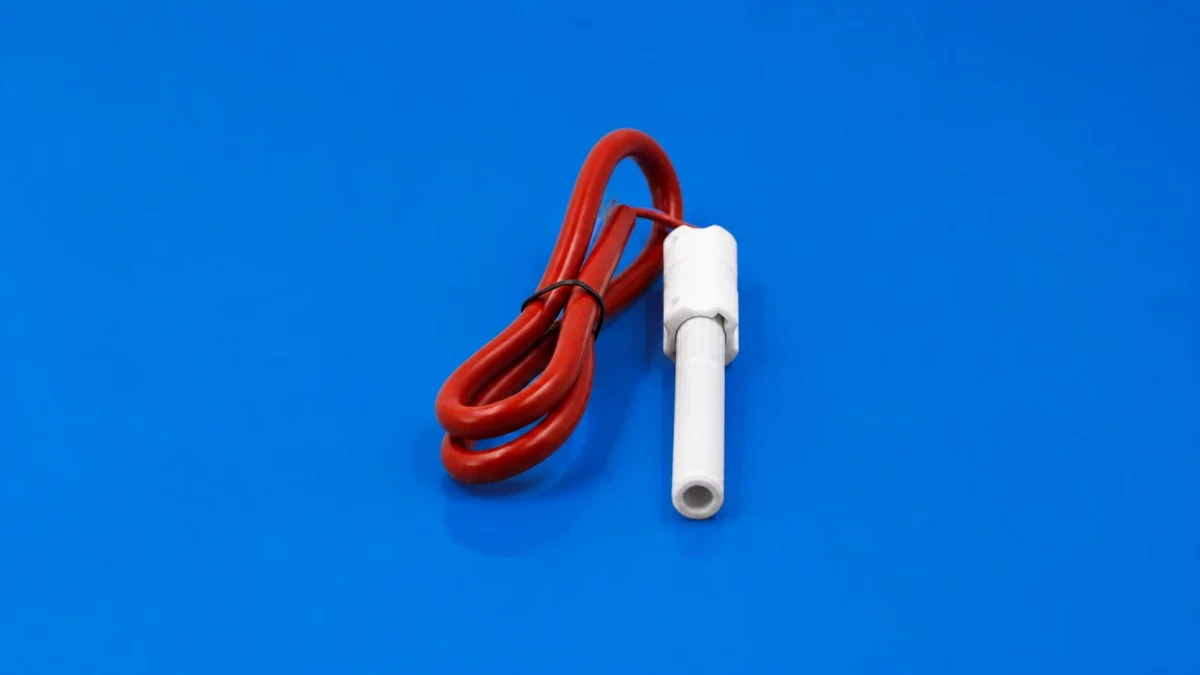
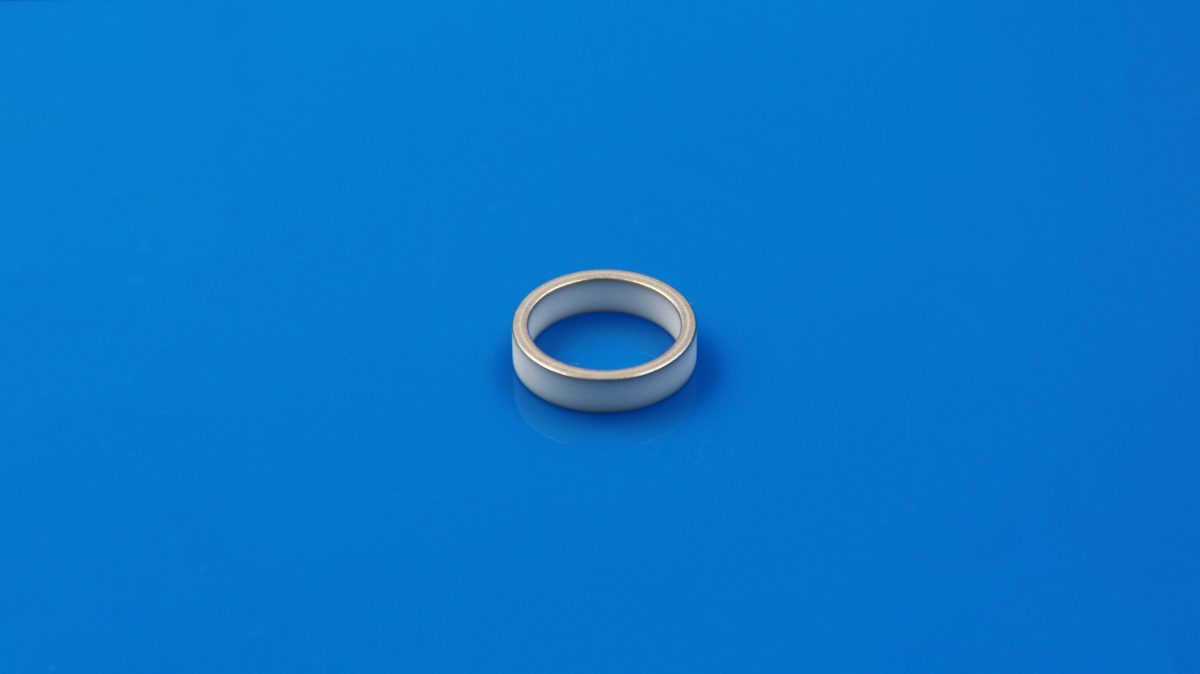
BN insulating column, isolation ring and support components
Used in magnetron sputtering and electron beam equipment, they enhance electrical safety and prevent discharge problems.
IV. Differences in Applications of h-BN and PBN
In practical industrial applications:
• h-BN (Sintered Boron Nitride): Suitable for conventional PVD, thermal evaporation and industrial coating processes
• PBN (Pyrolytic Boron Nitride): Suitable for high-purity electron beam evaporation, semiconductor and highly clean optical coating
PBN is typically used in process environments where there are higher requirements for purity and vacuum cleanliness.
V. Industry Trends and Material Upgrade Directions
With the development of optical coatings, semiconductor packaging and automotive optical components, the PVD process is upgrading towards higher purity and greater stability, and the cleanliness requirements for crucible materials are constantly increasing.
BN ceramics are gradually evolving from traditional consumable materials to high-end precision coating core components. At the same time, the demand for PBN in high-end evaporation deposition equipment is continuously increasing.
VI. Innovacera BN Ceramic Solution
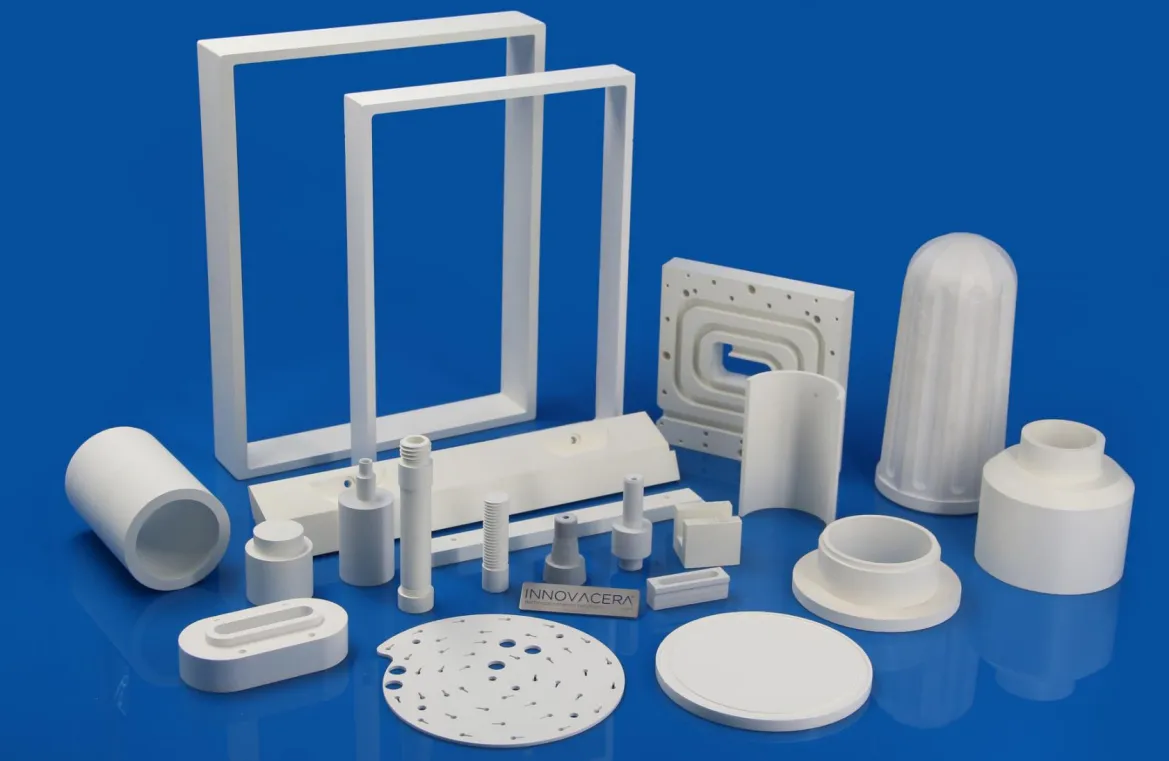
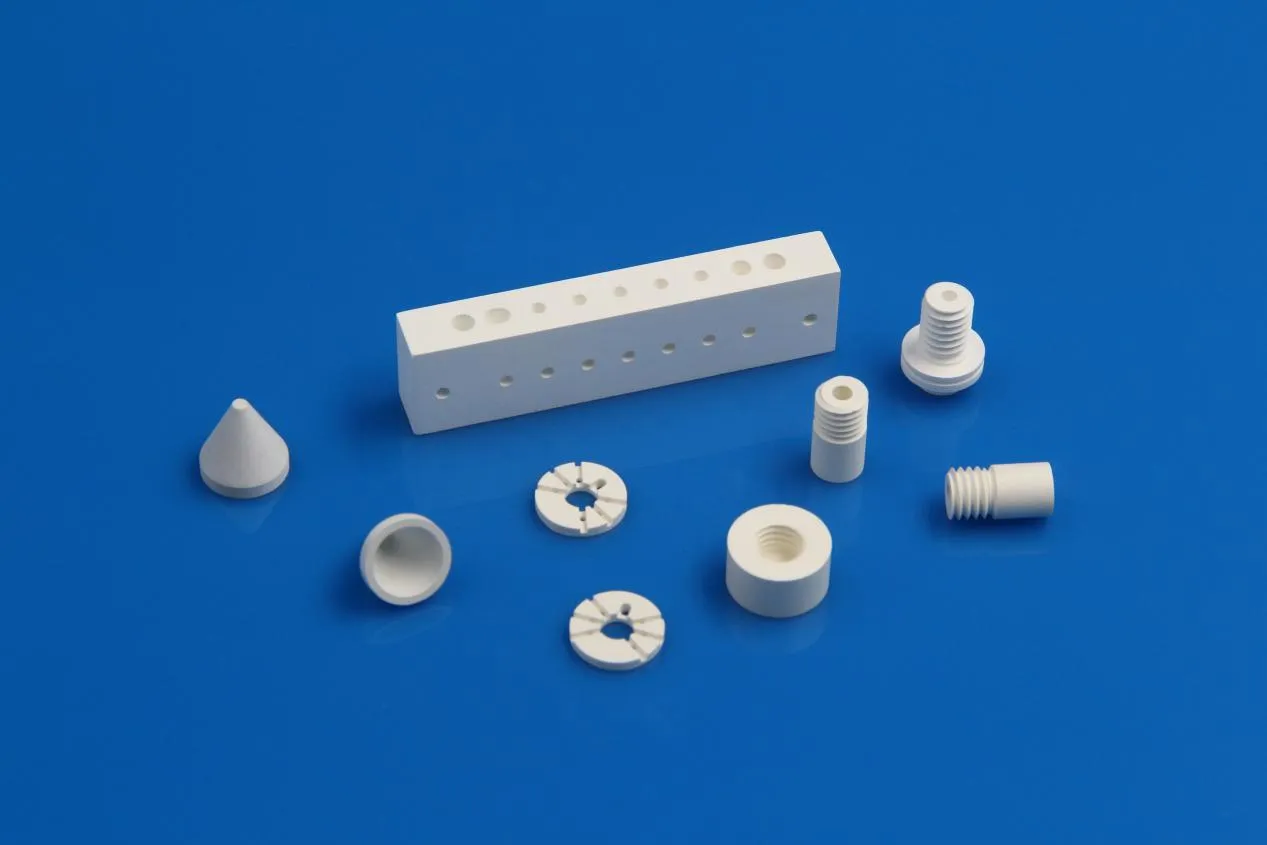
Innovacera specializes in the custom processing of high-performance h-BN and PBN ceramic components based on customer drawings. It has rich experience in the vacuum coating industry and can provide high consistency BN crucibles, evaporation boats and structural components for PVD, electron beam evaporation and magnetron sputtering equipment.
The company can carry out non-standard customized processing based on customer drawings, and provide technical support in material selection (h-BN / PBN) and structural realization, helping customers improve coating stability, reduce pollution risks and extend the lifespan of consumables. Welcome to contact us at sales@innovacera.com.