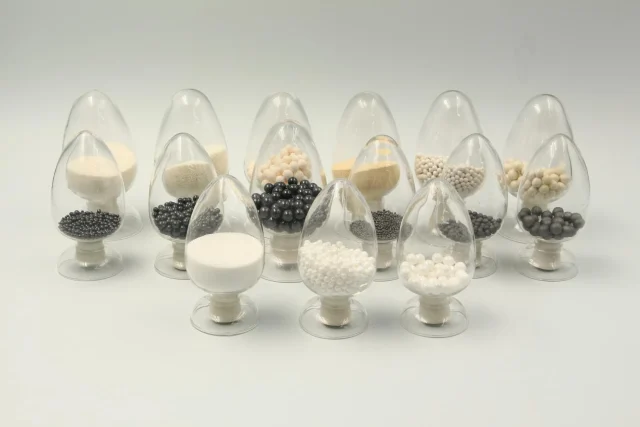
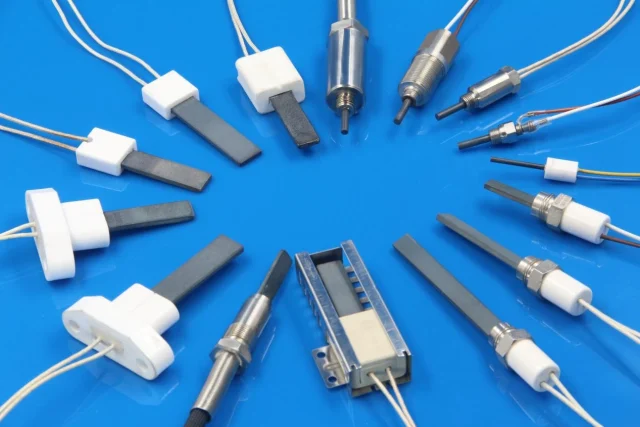
Battery manufacturers scaling solid-state and lithium-metal cell lines face a shared materials problem: the process environments are chemically aggressive, thermally extreme, and contamination-intolerant. A single wrong choice of structural or tooling material can introduce impurities, cause adhesion failures, or compromise electrical isolation at exactly the point where precision matters most. Boron nitride ceramics addresses several of these challenges in one material platform.
Five Process Roles BN Plays on a Battery Line
1. Sintering Fixtures for Solid-State Electrolytes
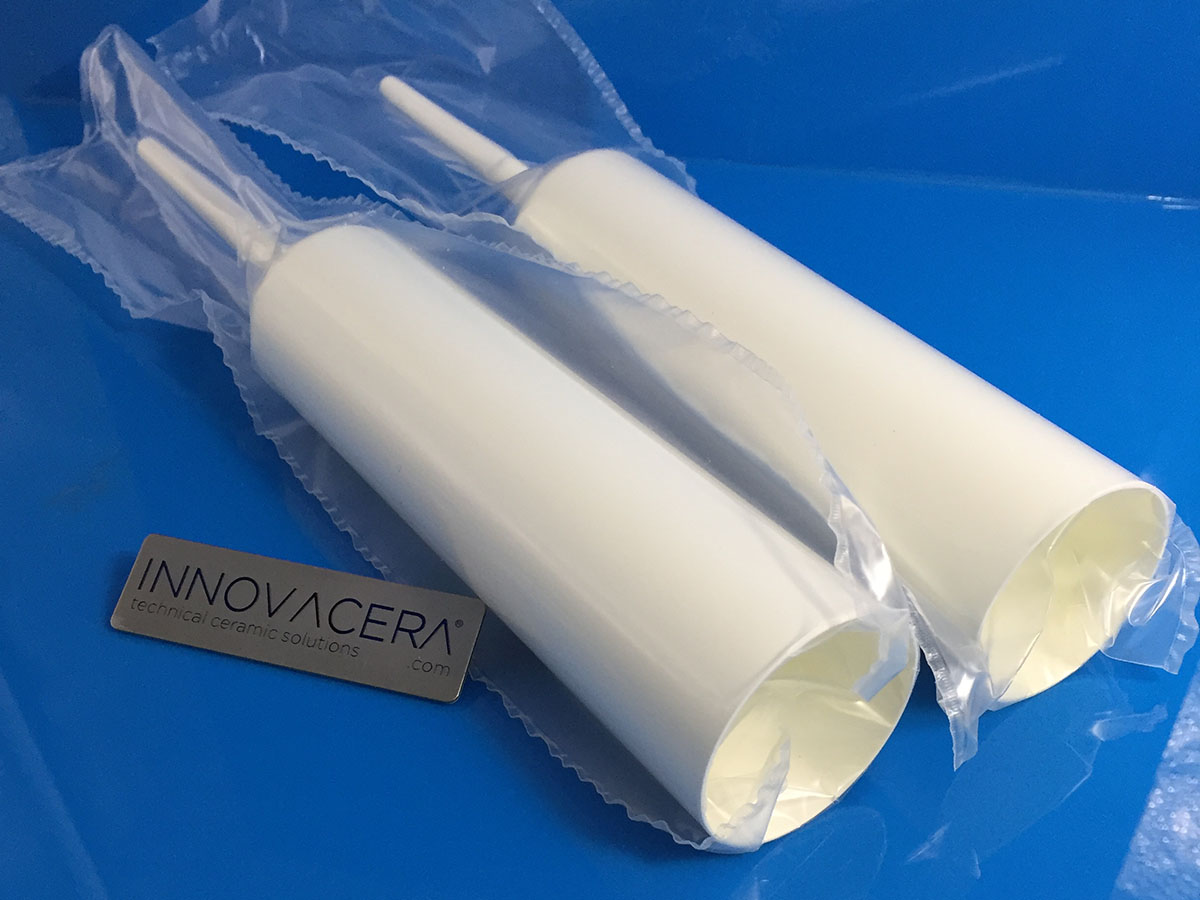
Oxide electrolytes such as LLZO, LATP, and LAGP require high-temperature sintering—conditions that eliminate most metal and polymer tooling options. BN setter plates and crucibles provide a chemically inert, non-reactive surface that does not bond to or contaminate the electrolyte powder during firing. The low thermal expansion coefficient of BN also reduces the risk of cracking or warping that would distort part geometry across repeated thermal cycles.
2. Handling Sulfide Electrolytes
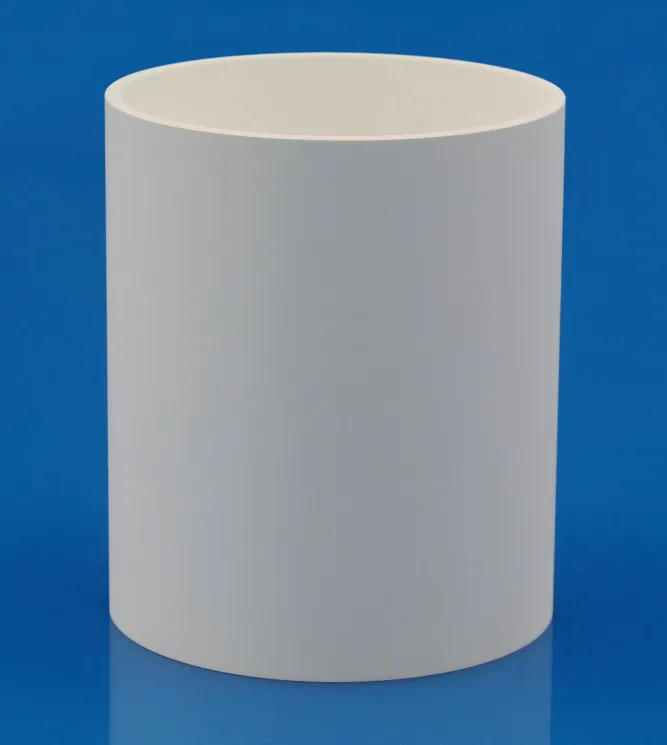
Sulfide-based electrolytes are moisture-sensitive and reactive toward many common materials. BN’s chemical inertness and resistance to corrosion make it a practical choice for processing components that come into contact with sulfide powders or pressed pellets, where contamination control is critical to ionic conductivity.
3. Lithium-Metal Anode Processing
Working with molten lithium or lithium composite electrodes demands a material that will not react with, absorb, or adhere to lithium. BN’s non-stick surface behavior and its stability in contact with reactive metals make it suitable for molds, guides, and contact surfaces used in lithium foil casting or melt-composite electrode preparation.
4. Isolation Spacers and Gaskets
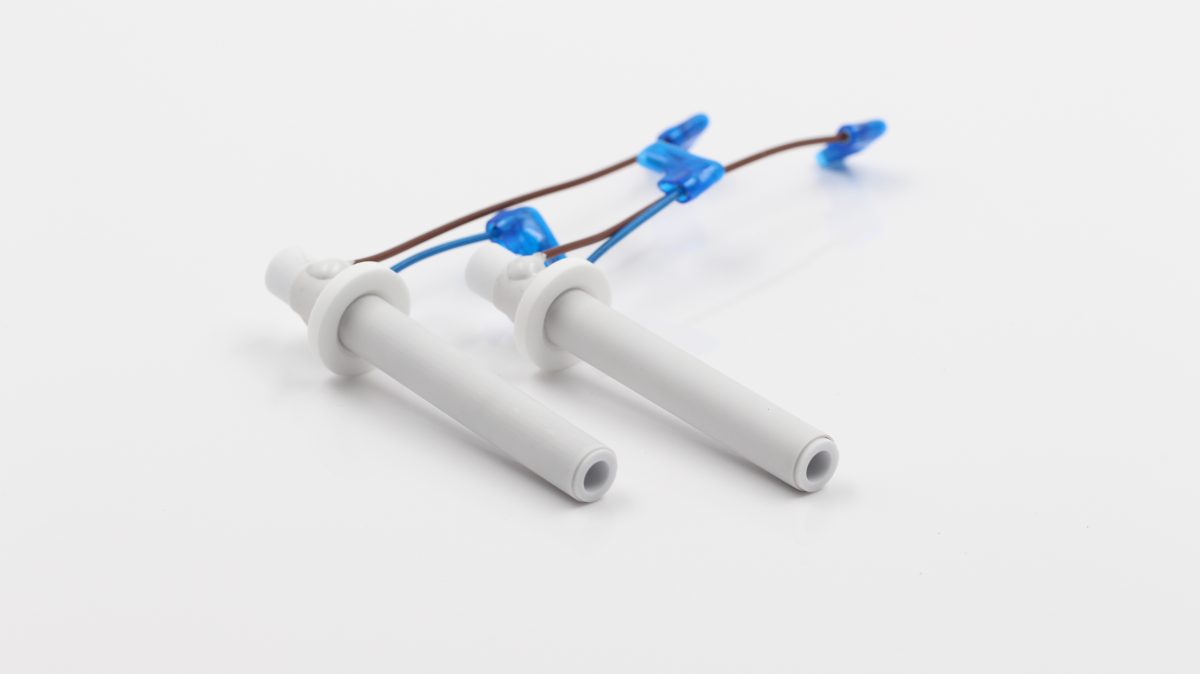
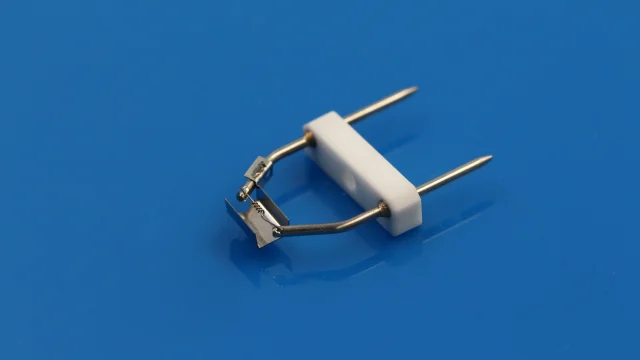
Preventing cross-contamination between layers or adjacent components is a persistent concern in multi-layer cell assembly and co-sintering processes. Thin BN spacers and gaskets provide tight dimensional control, electrical insulation at elevated temperatures, and a release surface that does not leave residue—reducing rework and scrap.
5. In-Furnace Structural Components
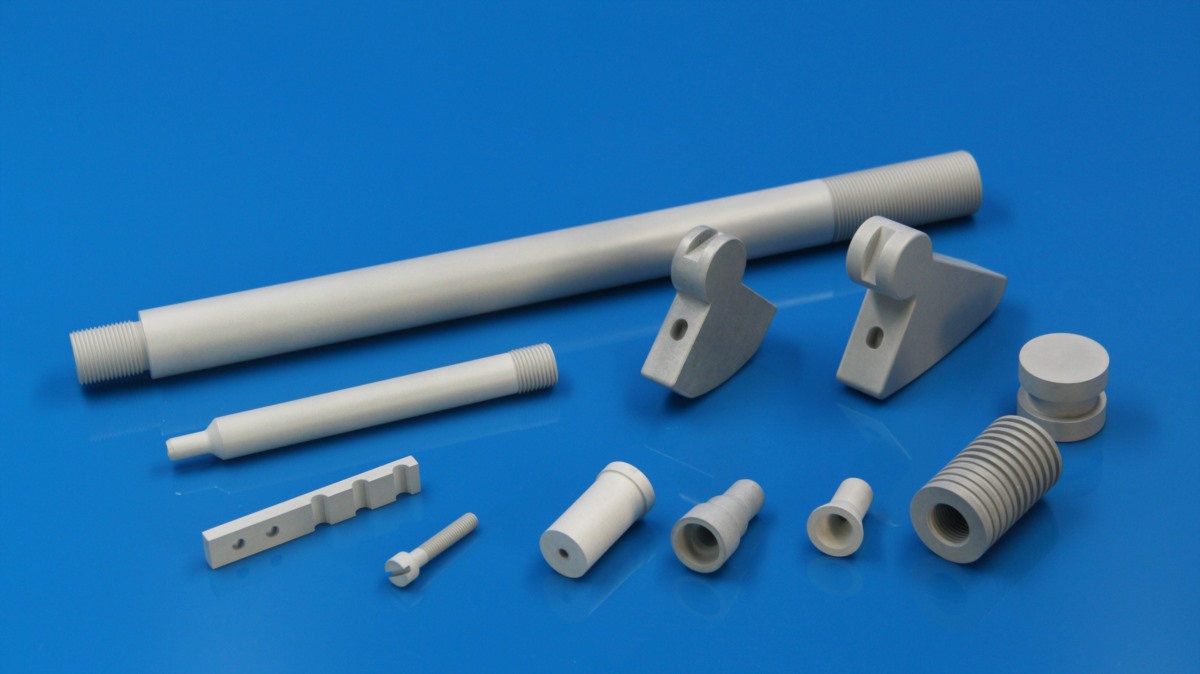
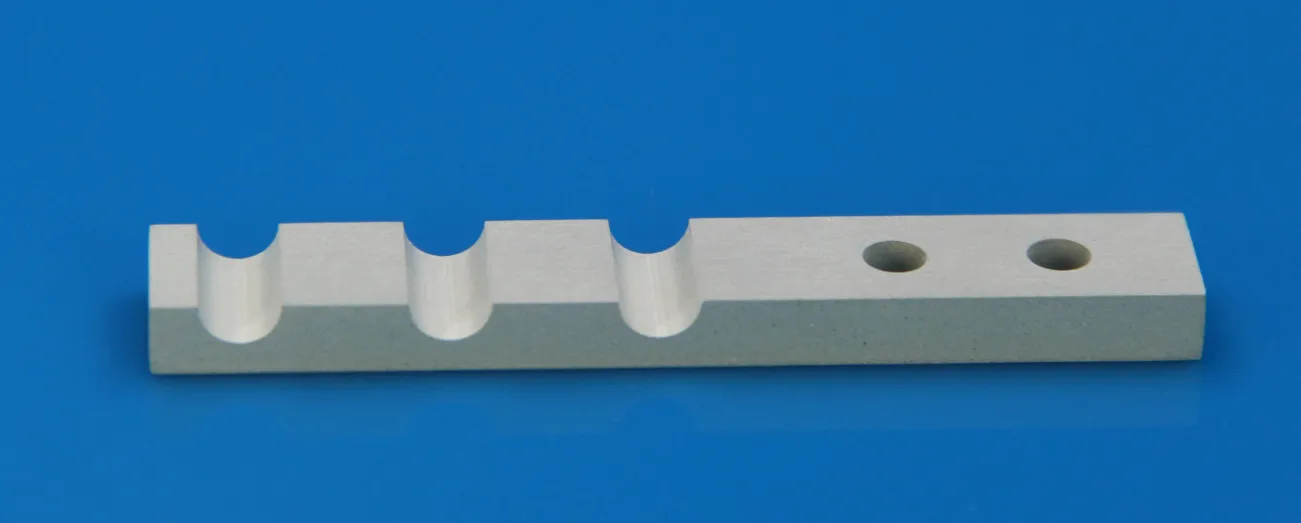
Support posts, trays, and guide rails inside high-temperature furnaces are subject to thermal shock, load cycling, and chemical exposure simultaneously. BN structural parts maintain dimensional stability and electrical isolation through these cycles without outgassing contaminants that could affect cell chemistry.
Material Selection: Pure BN vs. Composite Grades
The five roles described above each demand different performance priorities:
Pure BN Grades (99% – 99.7%): For roles involving direct contact with electrolyte powders (Roles 1 and 2) or isolation spacers (Role 4), chemical purity is paramount. High-purity BN grades are the default choice to ensure zero contamination.
Composite BN Grades: For load-bearing furnace structures (Role 5) and wear-prone lithium handling tools (Role 3), pure BN’s mechanical strength may be insufficient, prompting evaluation of composite grades.
Key Composite Grades & Advantages:
– BN + SiC / BN + AlN: Improve thermal conductivity and mechanical strength for structural load-bearing parts.
– BN + Zirconia / BN + Alumina: Enhance hardness and wear resistance for sliding or abrasive contact surfaces.
– BN + Si: Offer specific combinations of thermal and mechanical behavior suited to particular fixture geometries.
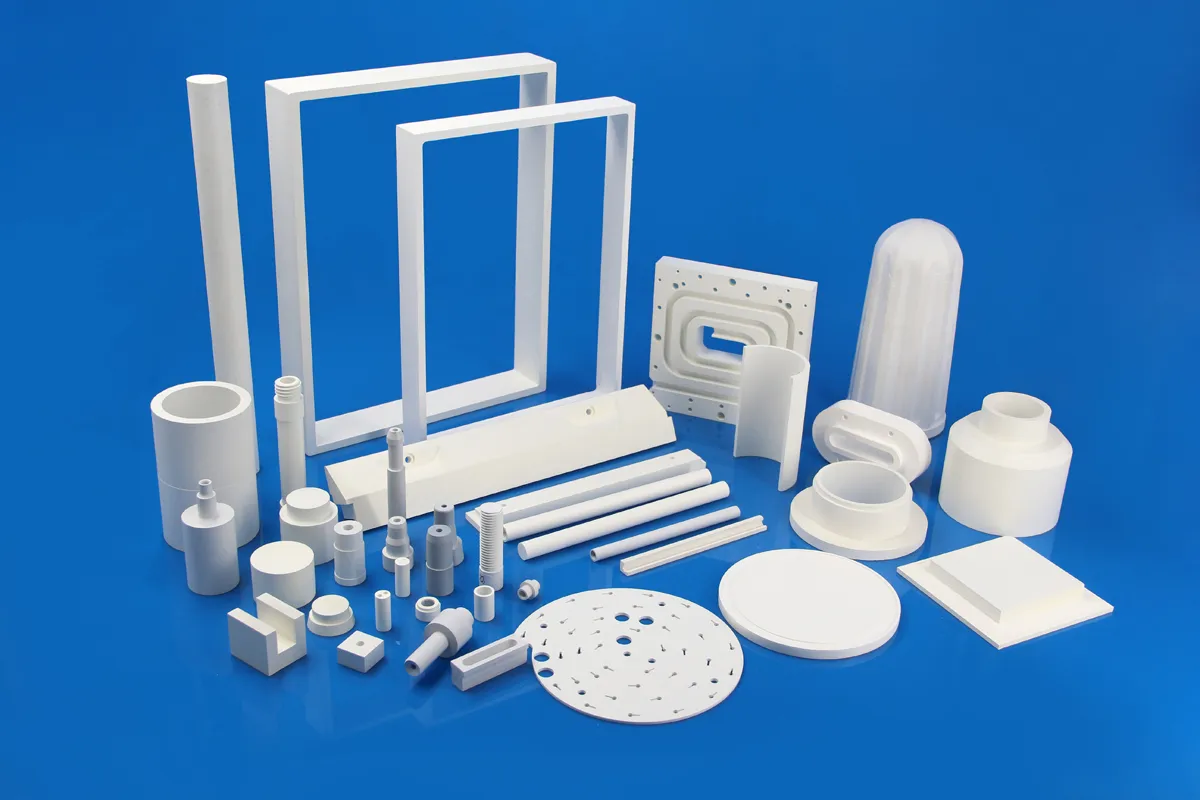
BN is not a one-size-fits-all material—it is a platform with several grades suited to distinct roles across the battery production line. The strongest fit is in high-purity sintering fixtures, lithium-metal contact surfaces, and isolation components where chemical inertness and non-adhesion are non-negotiable.
For structural furnace components under mechanical load, composite BN grades warrant evaluation, but always with a clear understanding of their trade-offs. Start by mapping each process position’s dominant requirement—thermal, chemical, mechanical, or electrical—then match the grade accordingly to avoid costly missteps.