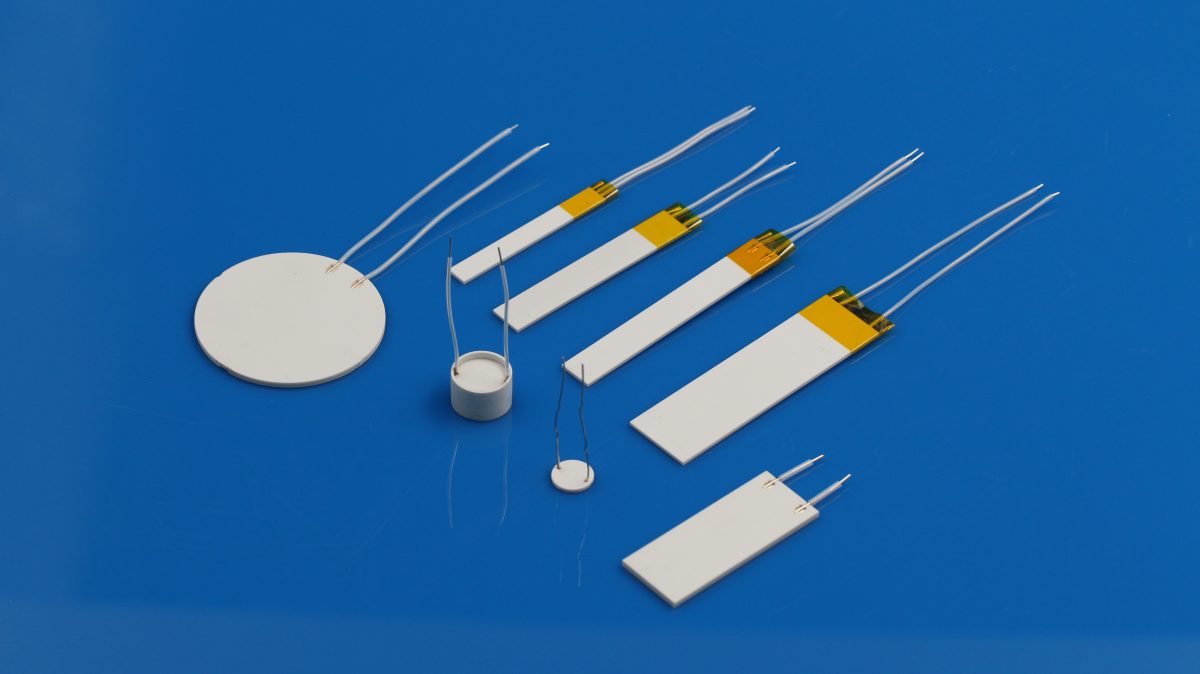
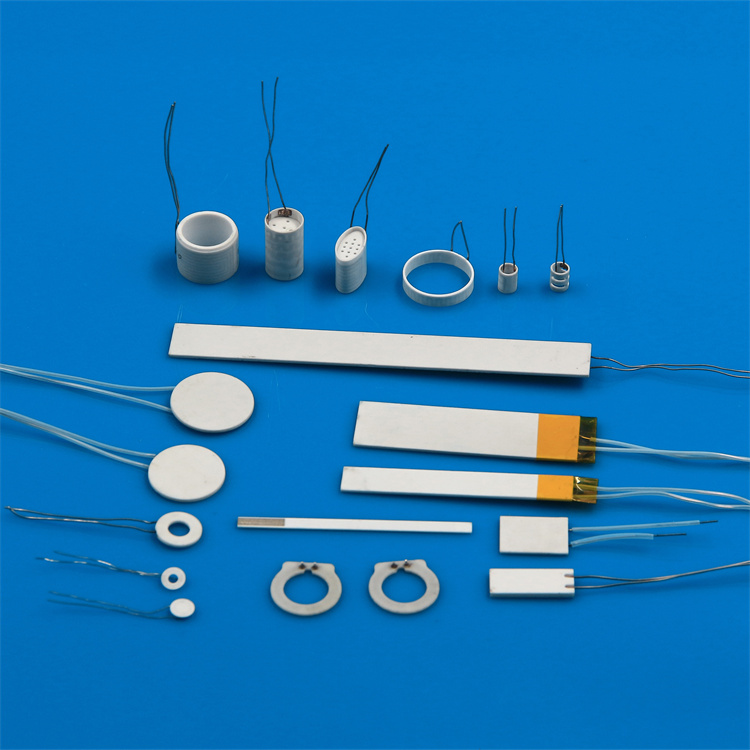
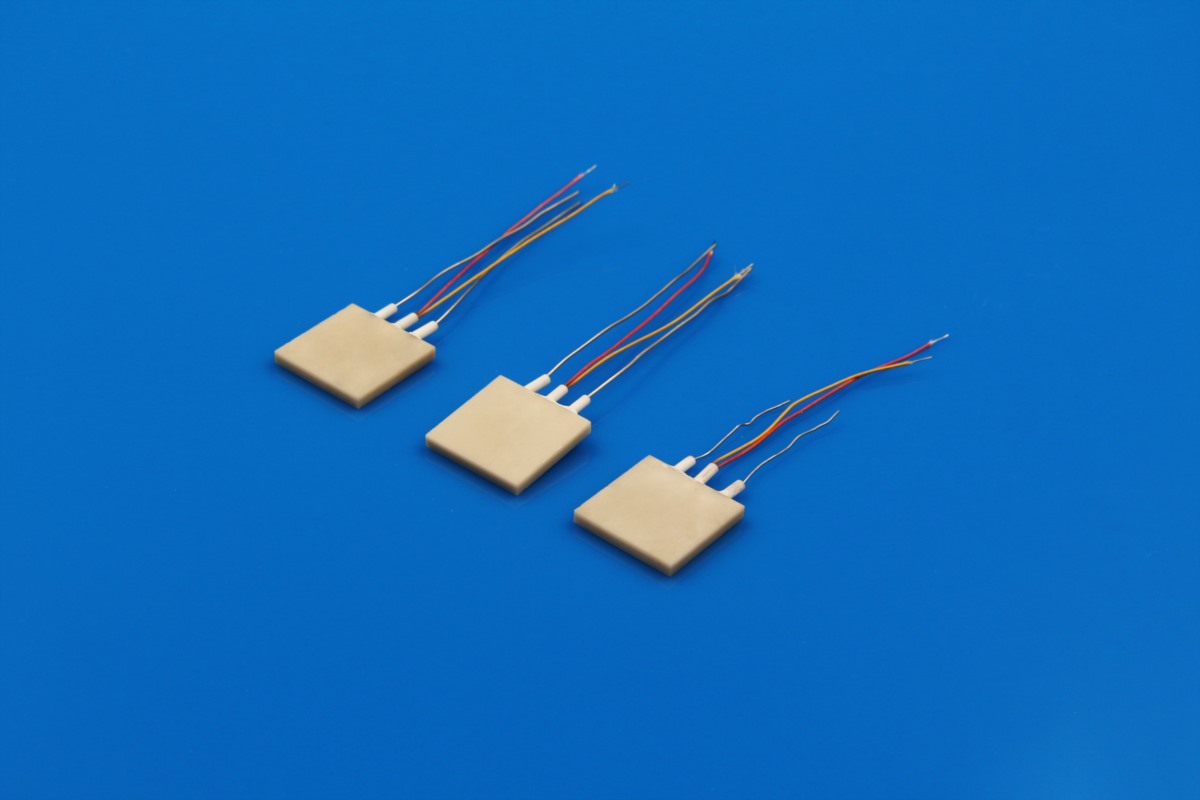
Let’s be real. When a hair straightener ceramic heater fails, it’s almost never because of one catastrophic manufacturing defect you can spot a mile away. It’s a slow burn. You see it on the factory floor first—a sudden, annoying drop in assembly yield. Then it hits the end user, who complains the iron drags or heats like a brick. By the time it reaches your desk, it’s a brand headache.
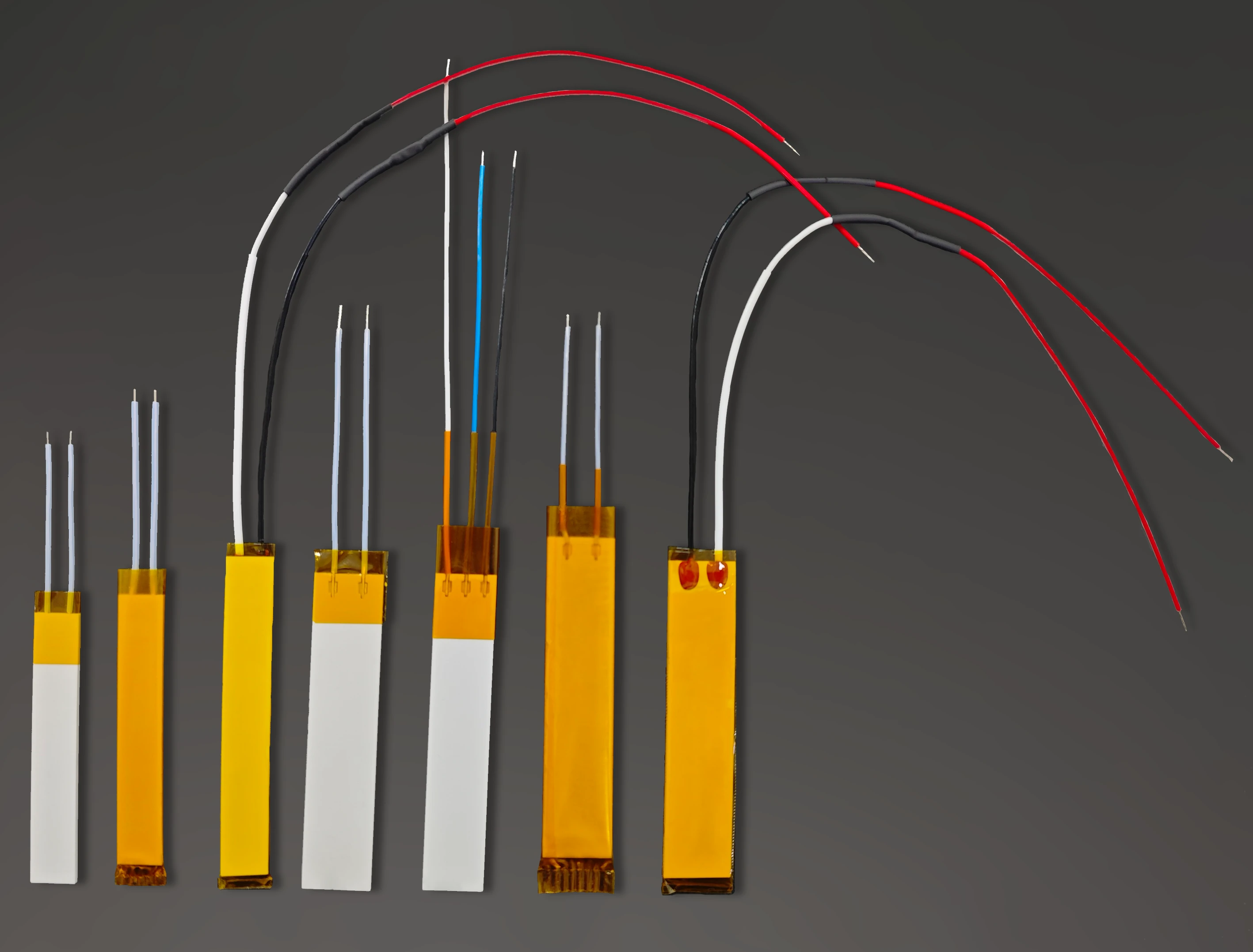
When you actually crack open the failed units, the culprits are pretty mundane: uneven heat, electrical mismatches, thermal fatigue, or a wire that just gave up. Honestly, the smartest way to avoid this mess is to work backward. Figure out exactly how these things die in the field, and then lock down your acceptance criteria with the supplier long before anyone touches a tool.
Take heating uniformity. Ever grab a cheap straightener and feel that scorching hot spot on one side while the other side barely warms up? It’s not just a terrible user experience. Mechanically, that localized heat is building up massive internal stress inside the ceramic. Suppliers will gladly tell you they keep the temperature differential under 25%. Sounds fine on paper, right? But ask the annoying questions. Where exactly were the thermocouples placed? How long did they let it stabilize? A plate that looks flawless on a workbench at room temp can easily warp or throw a tantrum once it actually hits 200°C.
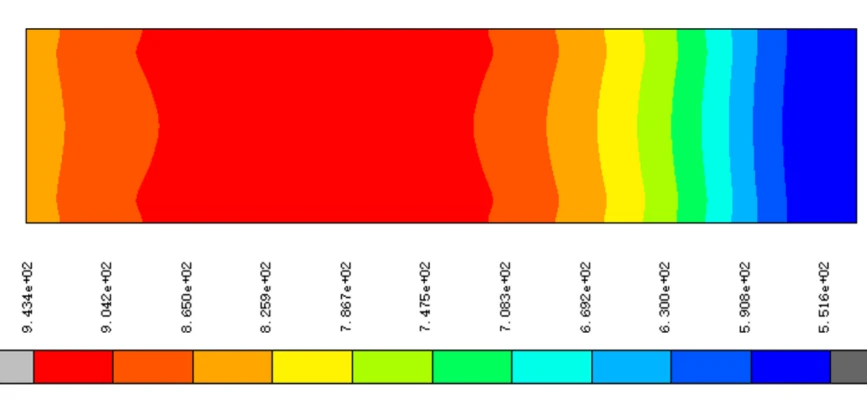
And you can’t just trust the “max temperature” rating on the spec sheet either. Yes, suppliers love to wave around data showing they survive 5,000 cycles under 850°C. But what about your actual control logic? Does your board have a sudden voltage overshoot during warm-up? If the thermostat fails and it dry-runs, can the plate actually take the hit? You and your supplier need to be completely synced on how the controller behaves in the real world, not just in a perfect lab setting.
Then you have the silent grind of thermal cycling. Think about how a real person uses a hair iron. They turn it on, do their hair, leave it sitting on the counter for ten minutes, turn it off, maybe turn it back on. Every flip of that switch causes microscopic expansion and contraction. A heater can pass a simple functional check with flying colors, but if it hasn’t been brutally tested through cycling, it might just die six months later.
And for goodness’ sake, stop comparing cycle counts from Supplier A and Supplier B without reading the fine print. What’s the heat-up time? How does it cool down? If they aren’t running the exact same test protocol, those 5,000 cycles mean absolutely nothing.
Thermal shock is another one that bites you when you least expect it. Think about splashing cold water on a hot glass baking dish. When a heater plate experiences a sudden, violent temperature drop, it develops hidden fractures. This is especially deadly if the plate is thin, elongated, or tightly clamped inside the housing. You might hear claims that smaller parts can survive a plunge from 770°C into natural cooling for 10 cycles. Great. But is your specific plate size actually in that tested range? Customize the geometry or go bigger, and you need a completely fresh validation. The behavior changes radically when the shape changes.
It’s kind of ironic, too. We spend days obsessing over ceramic purity and sintering temperatures, and what actually breaks first? The wires. If a terminal can’t handle the stress of assembly, or a user shoving the iron into a tight drawer, the whole heater is dead on arrival. You’ll often see a vertical pull force requirement of >3 kgf. Use that as a baseline, but do me a favor: test it after it’s been through thermal cycling, not just straight out of the box. That’s when you find the true mechanical limits.
Finally, let’s talk about the absolute basics. You can have the most beautifully crafted alumina plate in the world, but if the ohms don’t match your electrical design, it’s just an expensive paperweight. Whether you’re picking standard sizes or going fully custom, hand over your non-negotiables upfront. Target resistance, working voltage, and exactly how it’s crammed into the housing. Otherwise, you’ll end up with a plate that fits perfectly but heats like a brick.
So when you’re sourcing these plates, hammer down on five things: heating uniformity, rated-voltage cycling, thermal shock, pull strength, and the size-resistance match. If you’re going custom, pin your supplier down—ask them straight up: which test reports actually apply to my design, and which ones need fresh validation?
We’ve been cranking out ceramic substrates at our Xiamen factory for over 13 years. We hold ISO9001 and IATF16949 certifications and push out 200,000 pieces a month. But honestly? Those certs are just the entry ticket. If you’re dealing with tricky heater plate drawings and strict resistance requirements, send them over. Let’s look at the test conditions together and get the validation right. Do the homework upfront, and you’ll actually sleep well when mass production starts.