During the grinding process of lithium battery anode and cathode materials, particle size control is not the only indicator that needs to be focused on. Whether the powder can reach the target fineness, whether the dispersion of the slurry is stable, and whether additional impurities are introduced during the grinding process, all these factors will affect the subsequent material processing. Especially for battery materials with strict requirements on impurity content, even if the particle size after grinding meets the requirements, it does not mean that there are no other problems in the entire grinding process.
Grinding beads directly affect particle size reduction and powder purity during wet milling. Bead size shapes how the milling proceeds, and extended operation can release trace elements from worn beads into the slurry. For battery materials, it is key to balance throughput, target particle size and contamination risk when choosing grinding media.
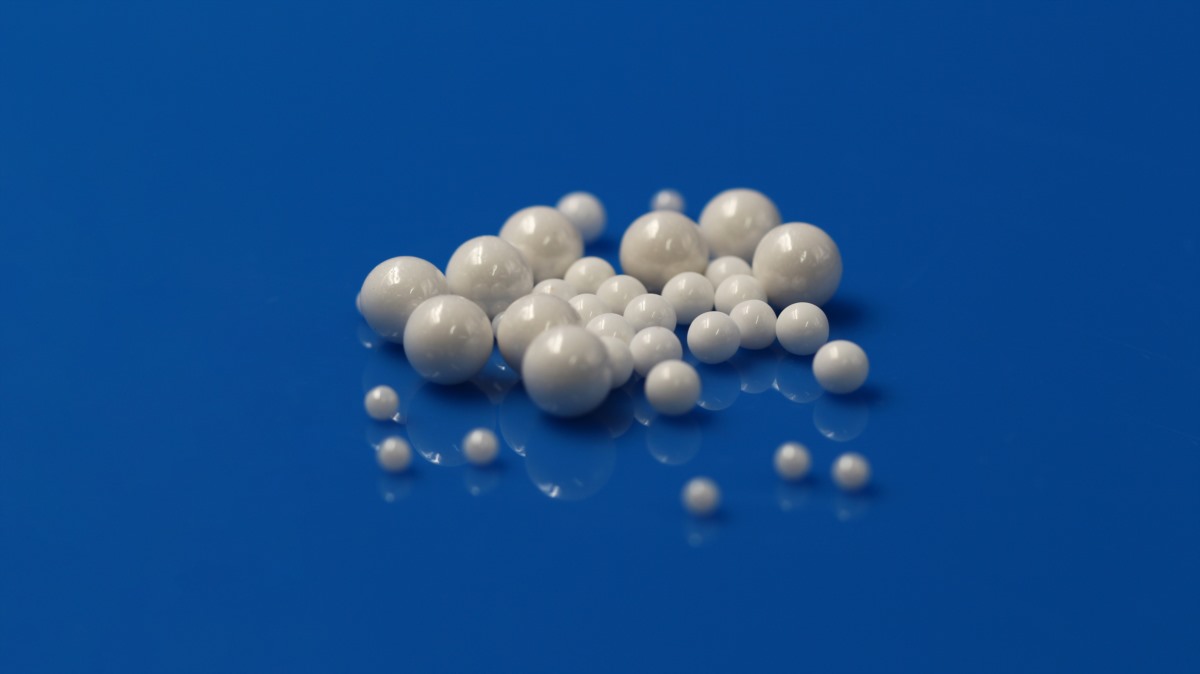
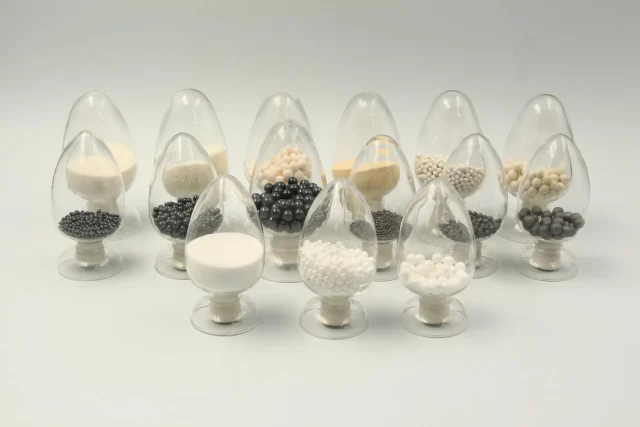
Zirconia beads feature high density, decent wear resistance and strong mechanical performance, well suited for most fine milling jobs. Still, wear resistance alone is not enough when choosing them for battery-grade powders. You also need to match bead size to your material formula, based on your powder properties, mill setup and impurity limits.
1. Is it true that smaller grinding beads result in better grinding efficiency?
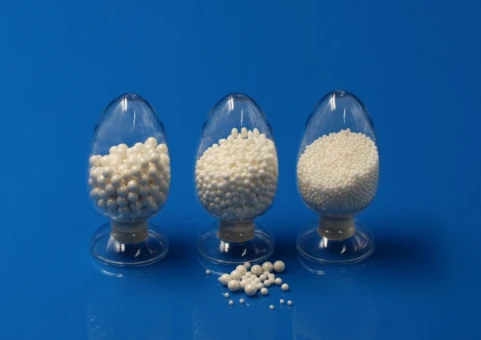
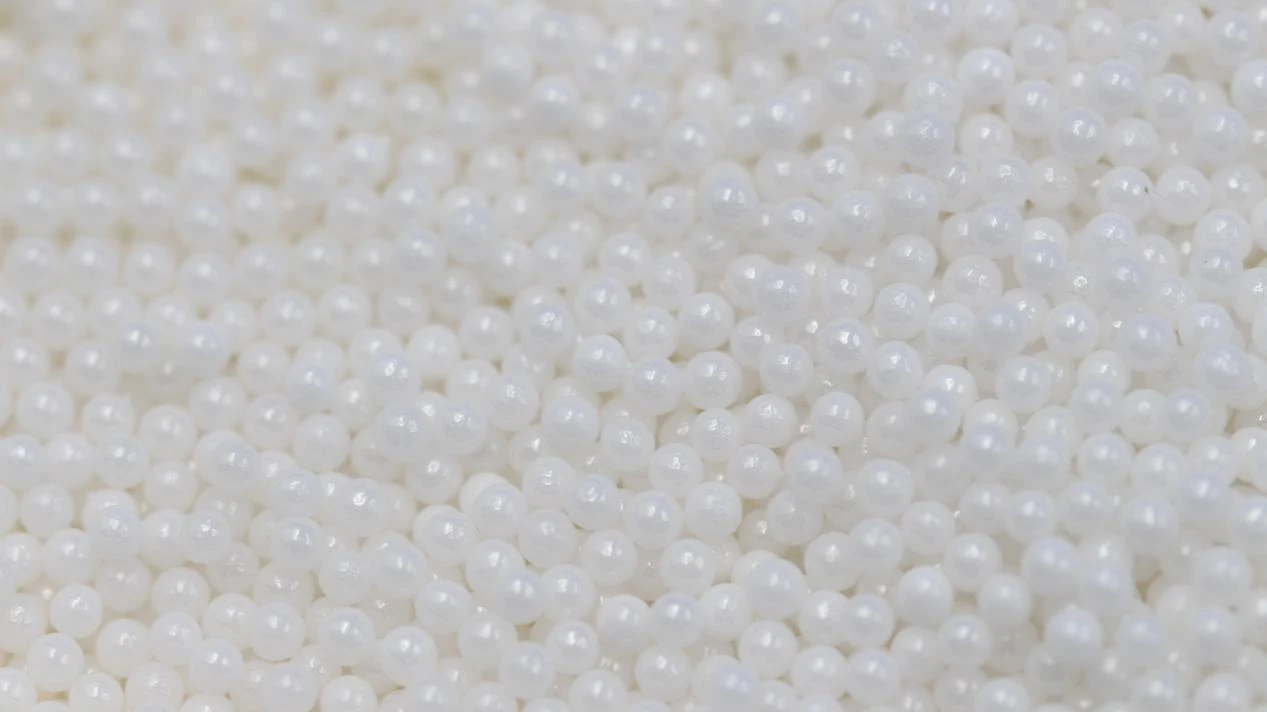
Bead size controls contact frequency and collision force in milling. With the same media loading, finer beads create far more contact points. This can be useful when the process moves into a finer grinding stage.
That said, smaller beads don’t always deliver better grinding efficiency. If beads get too fine, each collision carries less impact energy. When there are still larger particles or agglomerates in the material, it may be difficult to achieve the expected crushing effect. On the contrary, if larger grinding beads are used, although the impact of each collision may be stronger, it may not be suitable for all fine grinding stages.
The actual selection needs to be judged based on the feed particle size, the target particle size, the hardness of the material, the viscosity of the slurry, and the rotational speed and structure of the grinding equipment. When working with battery materials, the target final particle size is not the only basis for choosing bead size. You have to run process trials to track grinding efficiency, particle distribution and slurry performance.
2. What is the relationship between bead size selection and wear?
The grinding beads move continuously within the equipment and come into contact with other media, materials, and the equipment. After long-term operation, wear may occur. The degree of wear is not only related to the bead size but also affected by the grinding speed, the filling amount of the media, the properties of the slurry, the running time, and the material quality of the grinding beads themselves.
A larger number of smaller grinding beads may also increase the contact opportunities, but this does not directly mean that their wear will definitely be higher. The actual performance of different bead sizes under specific equipment and process conditions may vary, and it is necessary to evaluate based on the operating data.
For battery material production, the issue of wear has two meanings. On the one hand, the wear of the media will affect the service life and replacement frequency of the grinding beads; on the other hand, the fine particles produced by wear may remain in the slurry, introducing unwanted elements or impurities into the material. Therefore, when evaluating the grinding beads, in addition to focusing on the grinding speed and service life, the wear products should also be considered to determine whether they will affect the performance of the final material.
3. Why are battery materials particularly concerned about the contamination brought by grinding media?
Different powders have different sensitivities to impurities. For some battery positive and negative electrode materials and related functional powders, the composition and impurity content of the raw materials need to be strictly controlled. If the grinding media wears during use, its constituent elements may enter the material, increasing the difficulty of subsequent component control.
As zirconia beads wear down, zirconium-bearing particles can mix into the slurry. With yttria-stabilized zirconia, yttrium is another element to watch for. How much of these elements get picked up depends on bead formulation, wear rate and milling setup — the material name alone won’t tell you the risk.
This is why when choosing grinding media, one cannot only compare hardness or wear resistance. For applications with strict impurity control requirements, it is necessary to clarify the material composition, assess the potential element introduction risk, and conduct necessary testing according to product requirements.
4. Low wear does not mean zero contamination
The wear resistance is an important criterion when choosing zirconia grinding beads. However, low wear does not mean zero contamination. Even if the grinding beads themselves have good wear resistance, wear may still occur during long-term operation. For battery materials with strict impurity control requirements, it is also necessary to pay attention to the composition of the wear products and whether these components will affect the final product.
When evaluating zirconia grinding beads, the following three aspects can be focused on:
- Material composition: Understand the main components and stabilizers of the grinding beads, and determine whether they meet the impurity control requirements of the target material.
- Actual wear: Assess the wear of the grinding media based on specific grinding conditions, and cannot only rely on hardness or the claimed wear resistance of the product.
- Impurity changes: If necessary, test the relevant elements in the powder or slurry before and after grinding to evaluate whether the grinding medium may introduce impurities beyond the allowable range.
Wear data from different suppliers should only be compared when the test conditions are similar. For battery materials with strict impurity control requirements, conducting experiments and tests based on actual materials is more valuable than solely referring to the wear resistance indicators.
5. How can one determine whether zirconia grinding beads are suitable for a particular battery material?
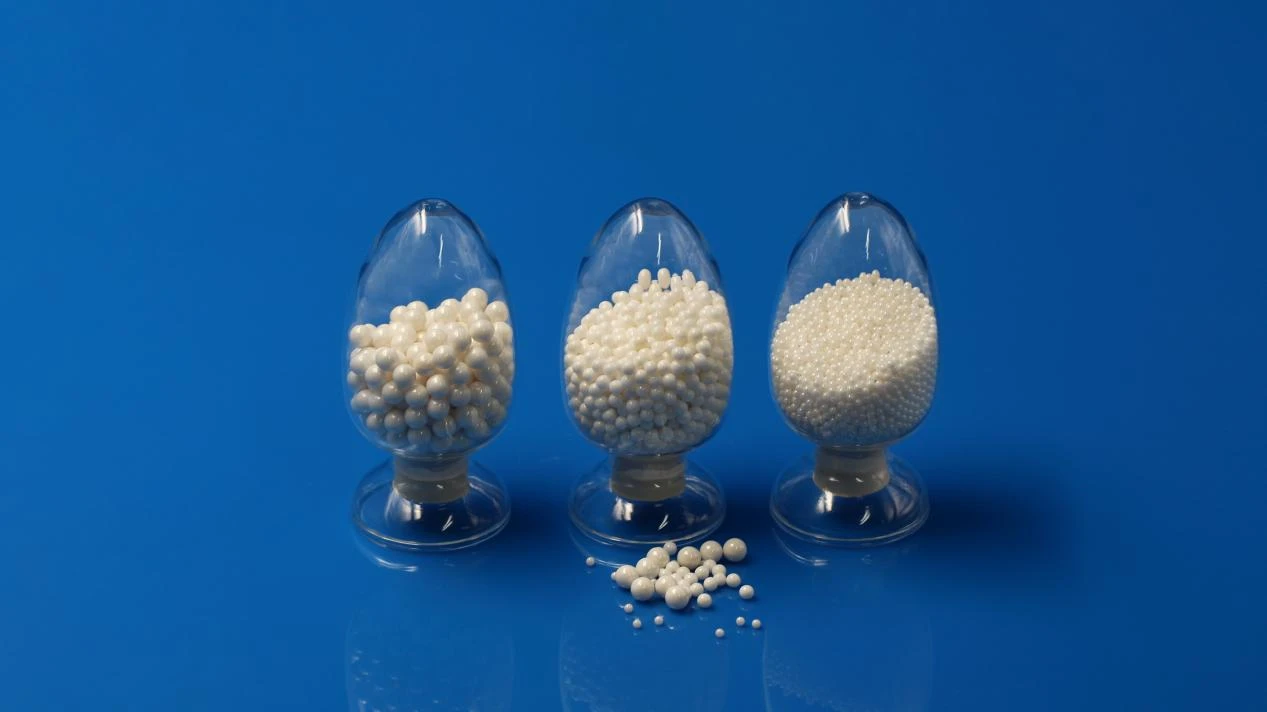
When choosing zirconia grinding beads, it is necessary to consider the characteristics of the material, the equipment conditions, and the quality requirements of the final product. One cannot simply determine the specifications based on the target particle size or the wear resistance of the grinding beads.
Firstly, it is necessary to understand the initial particle size of the raw material, the target particle size, as well as the hardness and abrasiveness of the material itself. This information helps to preliminarily determine the range of bead diameters required. Subsequently, it is also necessary to confirm the type of grinding equipment, the allowable range of bead diameters, and the structure of the separator, etc., to avoid the selected specifications not matching the equipment.
Based on this, through comparative tests of different bead diameters, changes in indicators such as grinding time, particle size distribution, and media wear can be observed. For battery materials with strict impurity control requirements, the content changes of relevant elements before and after grinding should also be detected to determine whether the media wear will affect the composition requirements of the product.
Even if the particle size meets the standard after grinding, if the introduced impurities exceed the limit, this solution cannot be used for mass production. Conversely, even if the impurity level is acceptable, if the grinding efficiency is low or there are other abnormalities in the equipment operation, the size of the grinding beads or the process parameters need to be adjusted.
Therefore, the selection of zirconia grinding beads should be evaluated comprehensively, taking into account the grinding efficiency, wear condition, impurity control, and equipment compatibility. It cannot be determined solely based on a single indicator.
Conclusion
When selecting zirconia beads for battery material grinding, bead size is only part of the story. You also need to consider grinding efficiency, bead wear and potential impurity contamination. The selected bead size and material should match the feed particle size, mill configuration, and impurity limits of the finished product, with the final choice verified through actual process testing.
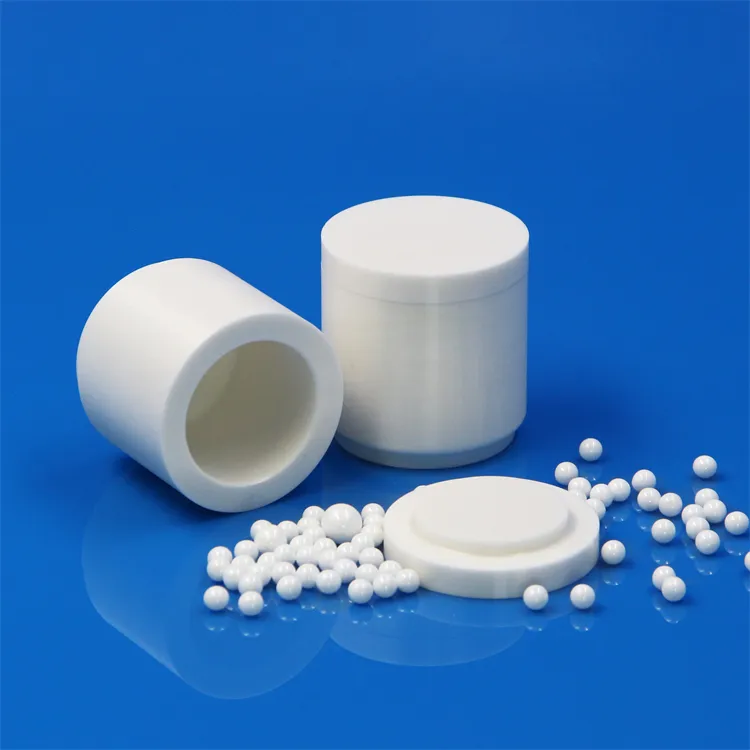
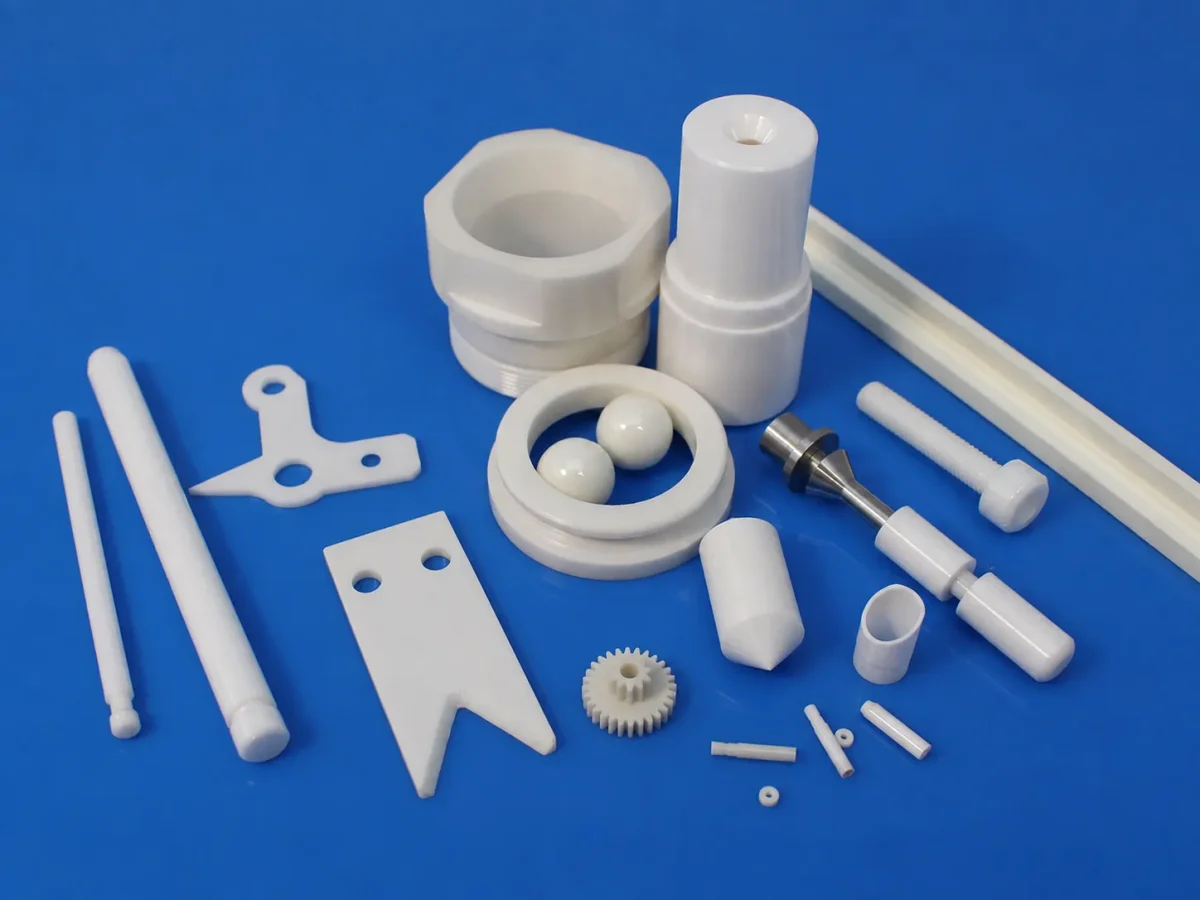
INNOVACERA offers ceramic grinding media including zirconia, alumina, silicon carbide and other materials. Suitable specifications can be selected based on the material, target particle size, and milling equipment. Custom options are also available for special dimensions or material requirements; we can develop solutions from your drawings or physical samples.
Email: sales@innovacera.com