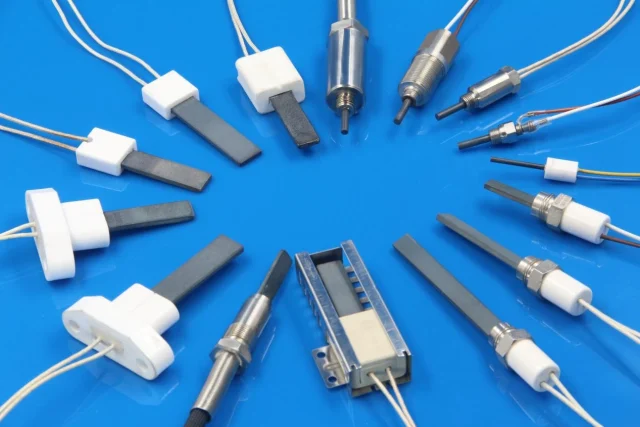
High-end manufacturing industries such as semiconductors, new energy, and precision electronics have a huge demand for precious metals. Precious metals possess excellent electrical conductivity, corrosion resistance, high-temperature stability, and catalytic properties, leading to a surge in market demand.
The preparation of precious metals involves complex processes, including purification, high-temperature smelting, vacuum treatment, atmosphere sintering, powder metallurgy, crystal growth, and precision machining.
Because precious metals have extremely high melting points and strict low-impurity requirements, the internal components of production equipment must offer excellent thermal stability, high purity, thermal shock resistance, and corrosion resistance.
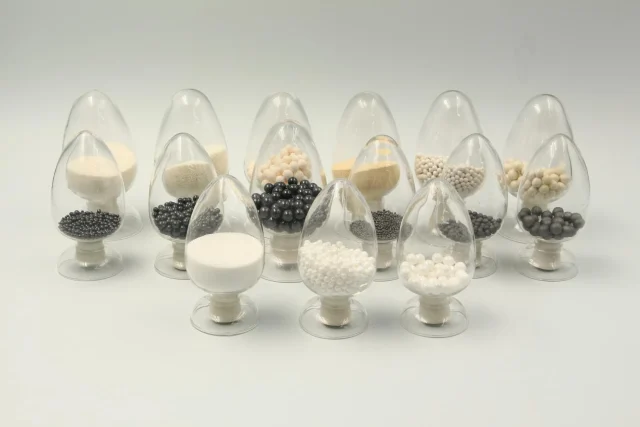
Traditional metal materials are prone to oxidation, deformation, or contamination in extreme high-temperature environments. Advanced ceramics overcome these limitations and have become core materials in precious metal manufacturing equipment, providing crucial assurance throughout the preparation process. Key ceramic materials include alumina (Al₂O₃), zirconia (ZrO₂), boron nitride (BN), silicon nitride (Si₃N₄), and silicon carbide (SiC).
1. Alumina and Zirconia Ceramics in Precious Metal Smelting
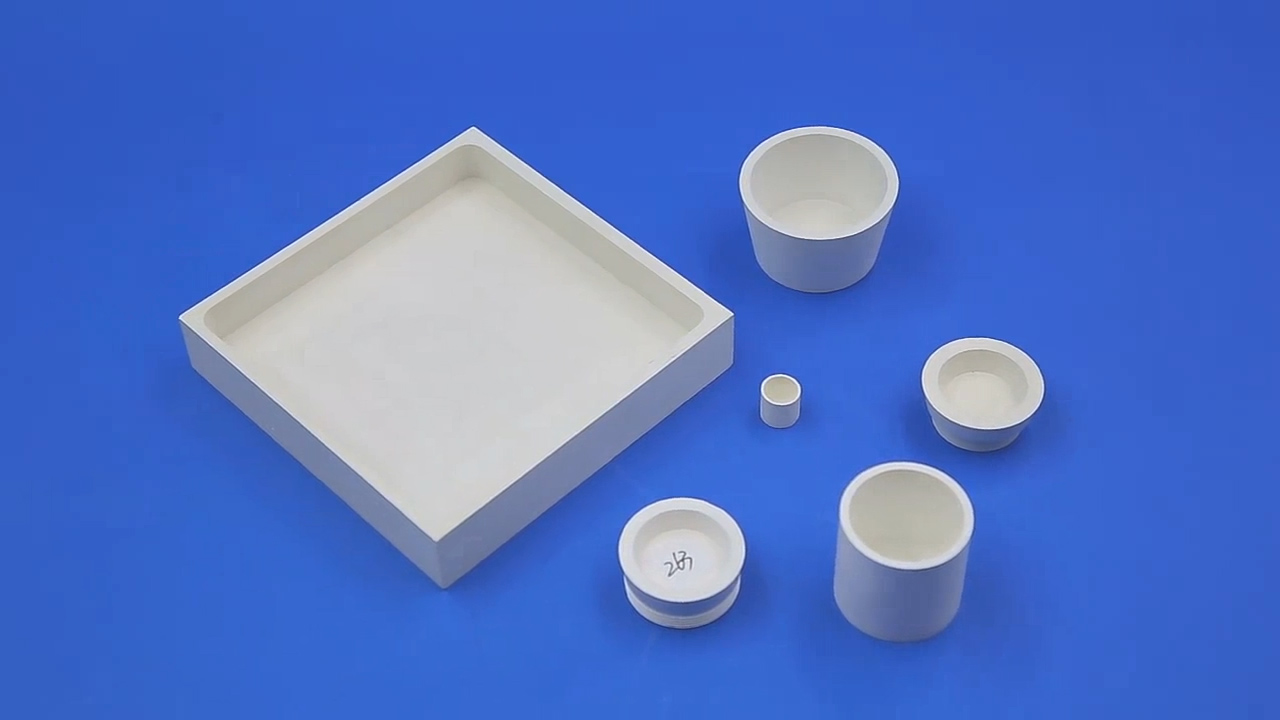
High-Purity Alumina Ceramics (Al₂O₃)
- Advantages: Excellent high-temperature strength, chemical stability, and mature processing technology.
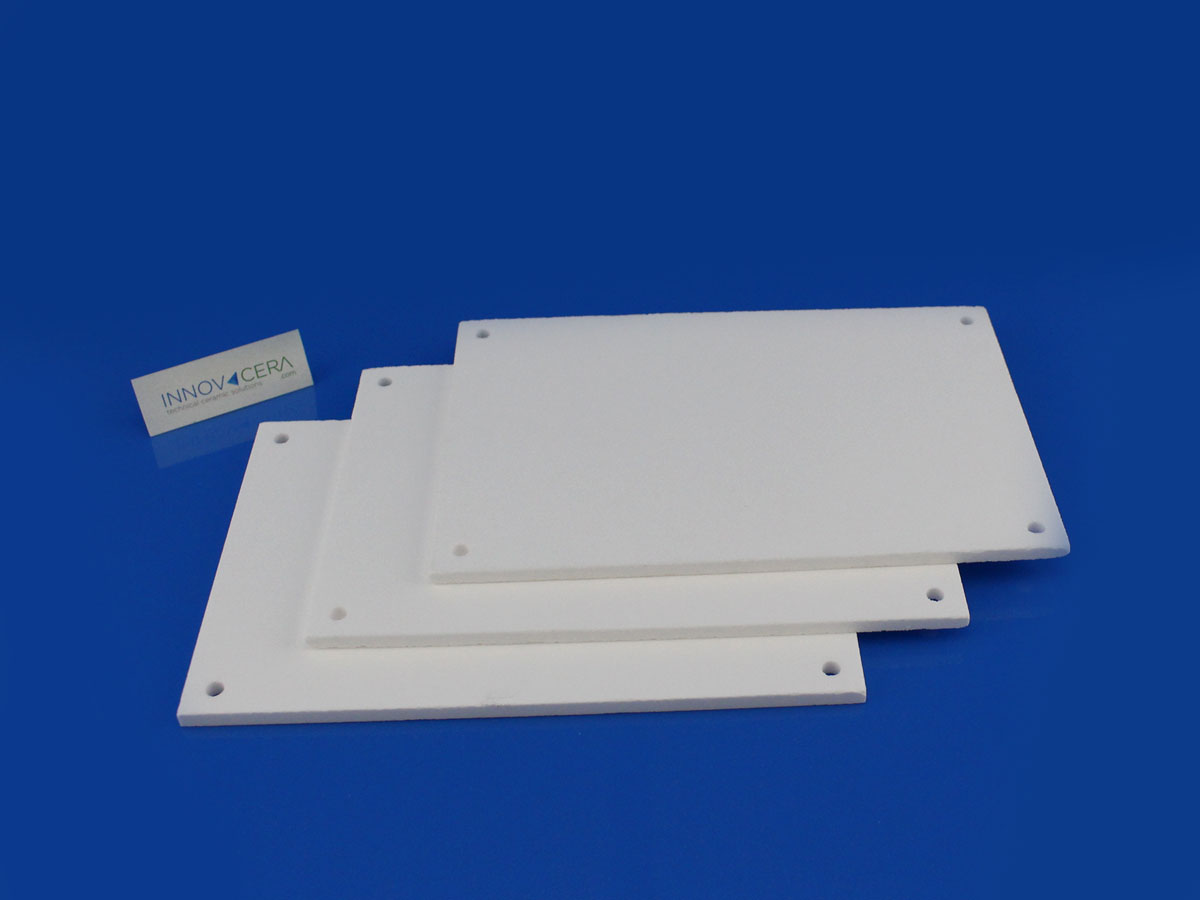
- Typical Applications: Precious metal smelting crucibles, high-temperature furnace tubes, sintering support plates, and powder sintering boats.
Zirconia Ceramics (ZrO₂)
- Advantages: Exceptional resistance to high temperatures and molten metal erosion.
- Typical Applications: Alloy smelting crucibles, high-temperature processing components for refractory precious metals, and linings for vacuum induction melting equipment.
2. Boron Nitride (BN) Ceramics for Precision Machining and Contamination Prevention
Advantages: Excellent non-wetting properties, high-temperature resistance, and low friction characteristics, effectively reducing material adhesion and contamination during manufacturing. In precious metal processing, BN ceramics improve product purity and processing efficiency, meeting the strict requirements of high-end electronic materials and target manufacturing.
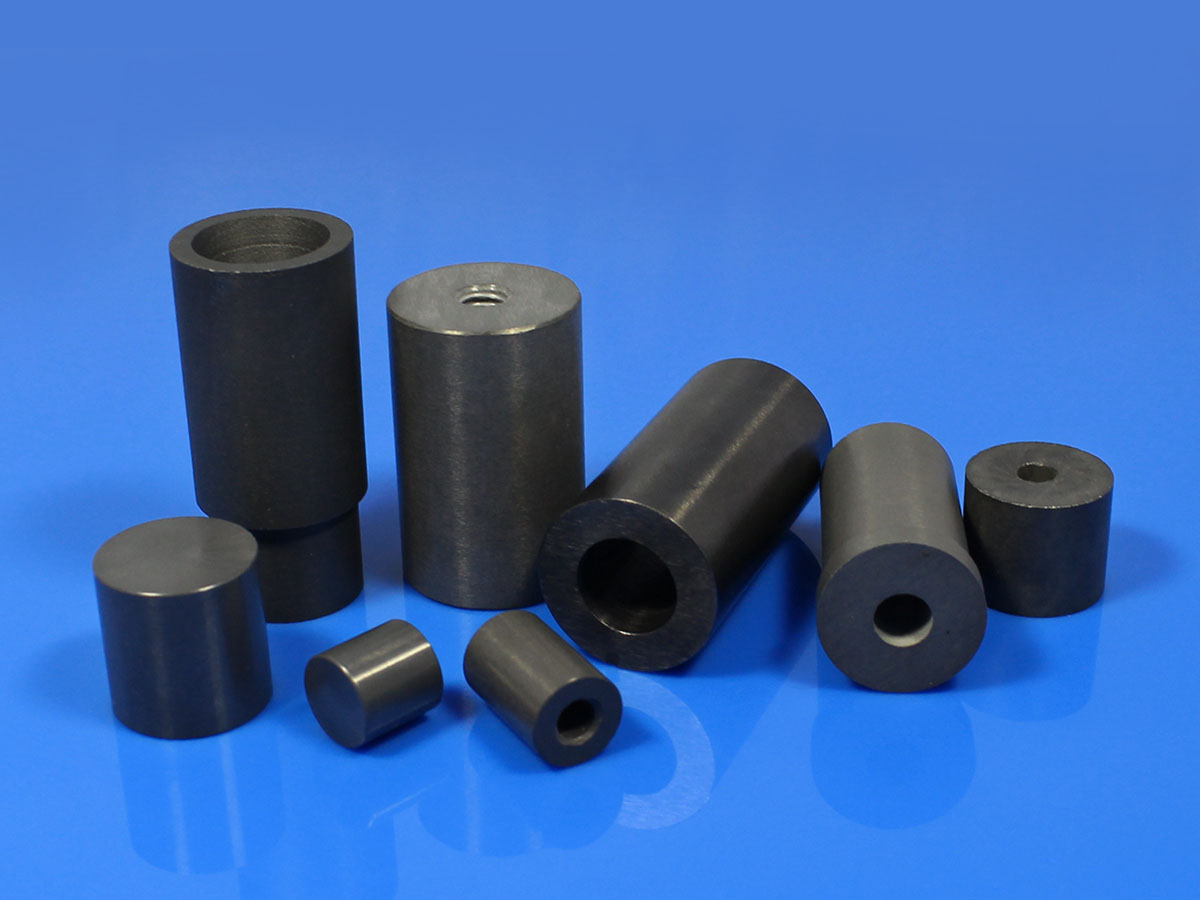
Typical Applications: Precious metal powder sintering boats, high-temperature insulating sheets, precision forming molds, and auxiliary components for precious metal casting.
3. Silicon Nitride and Silicon Carbide Ceramics Improve Equipment Reliability
Besides crucibles and containers that directly contact precious metal materials, internal structural components of high-temperature equipment must also withstand long-term thermal cycling. These advanced ceramic components significantly improve operational stability and reduce maintenance costs.
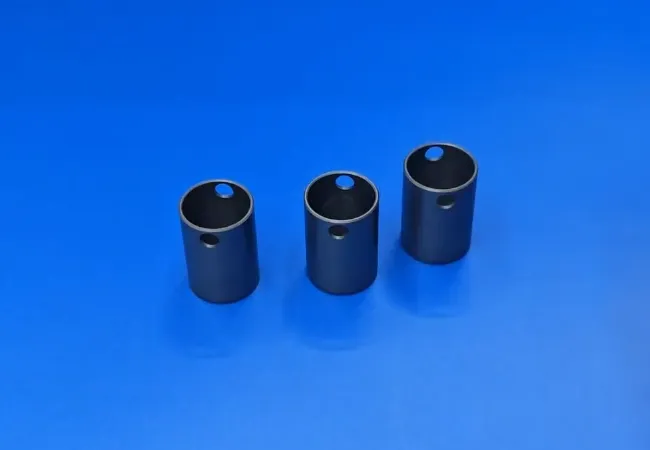
Silicon Nitride Ceramics (Si₃N₄)
- Advantages: High mechanical strength and superior thermal shock resistance.
- Typical Applications: High-temperature furnace supports, feeding structures, and precision positioning components.
Silicon Carbide Ceramics (SiC)
- Advantages: Excellent thermal conductivity and high-temperature stability.
- Typical Applications: High-temperature furnace tubes, thermal field structures, and heating system protection components.
4. Industry Upgrading Drives Growth in High-Temperature Ceramics
With the rapid development of industries such as new energy vehicles, solid-state batteries, semiconductor manufacturing, and photovoltaic electronics, precious metal materials are evolving towards higher purity and performance. This further drives the growing demand for high-end industrial ceramics.
In the future, high-temperature ceramics will continue to expand their applications in the following fields:
- Semiconductor Field: Precious metal target preparation, electrode material processing, and high-purity metal powder processing.
- New Energy Field: Catalyst materials, key battery material manufacturing, and high-temperature sintering processes.
Synergistic Opportunities for Advanced Ceramics and Precious Metals
From precious metal mineral refining to high-purity material manufacturing and end-use applications, high-temperature ceramics permeate the entire industrial chain. As precious metal manufacturing processes demand higher temperatures, higher purity, and greater precision, advanced ceramic materials will play an increasingly vital strategic role in high-end manufacturing.
Advanced ceramics are not only critical components of high-temperature equipment, but also key materials driving the upgrade of the precious metal industry and the broader high-end manufacturing ecosystem.
For more details, please contact: sales@innovacera.com.