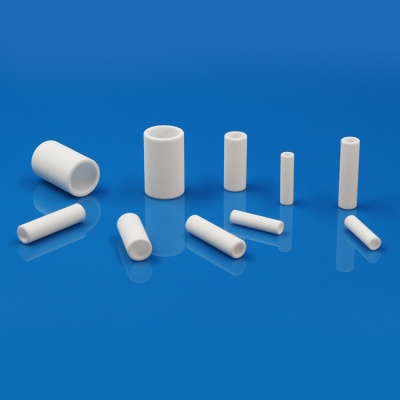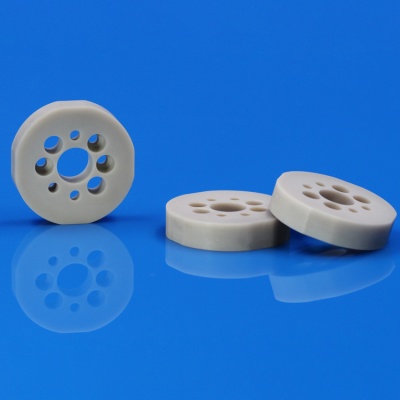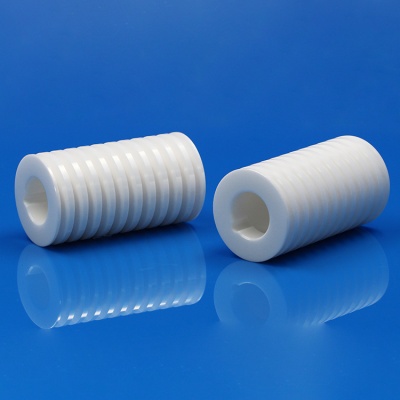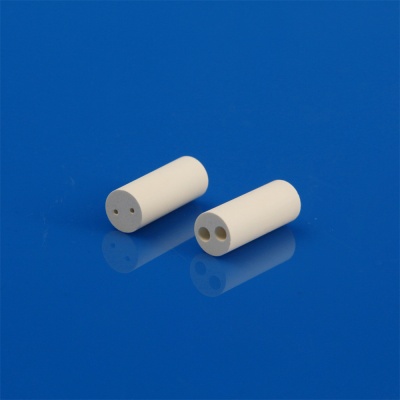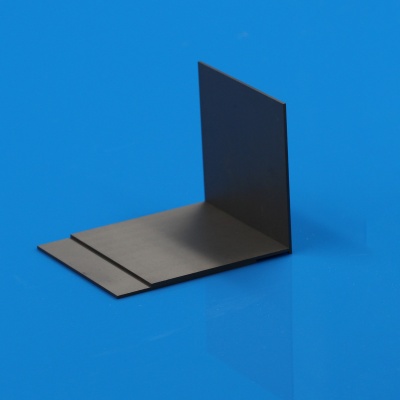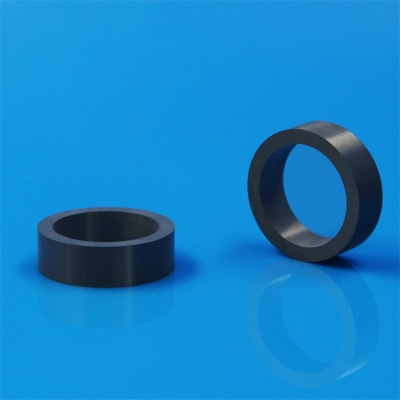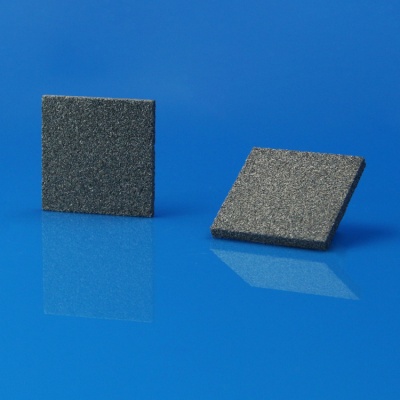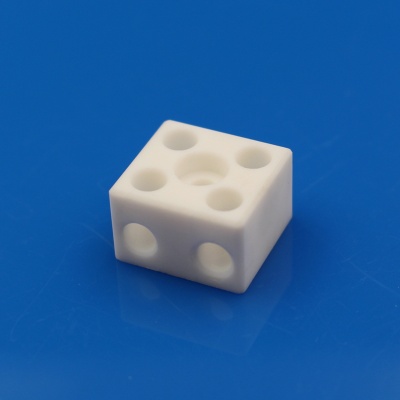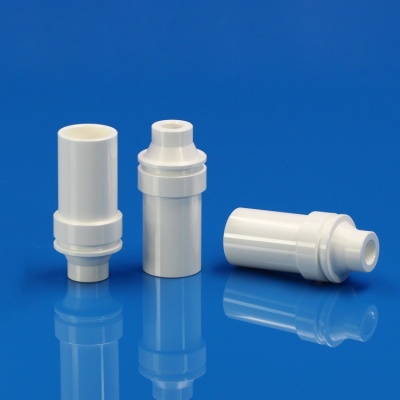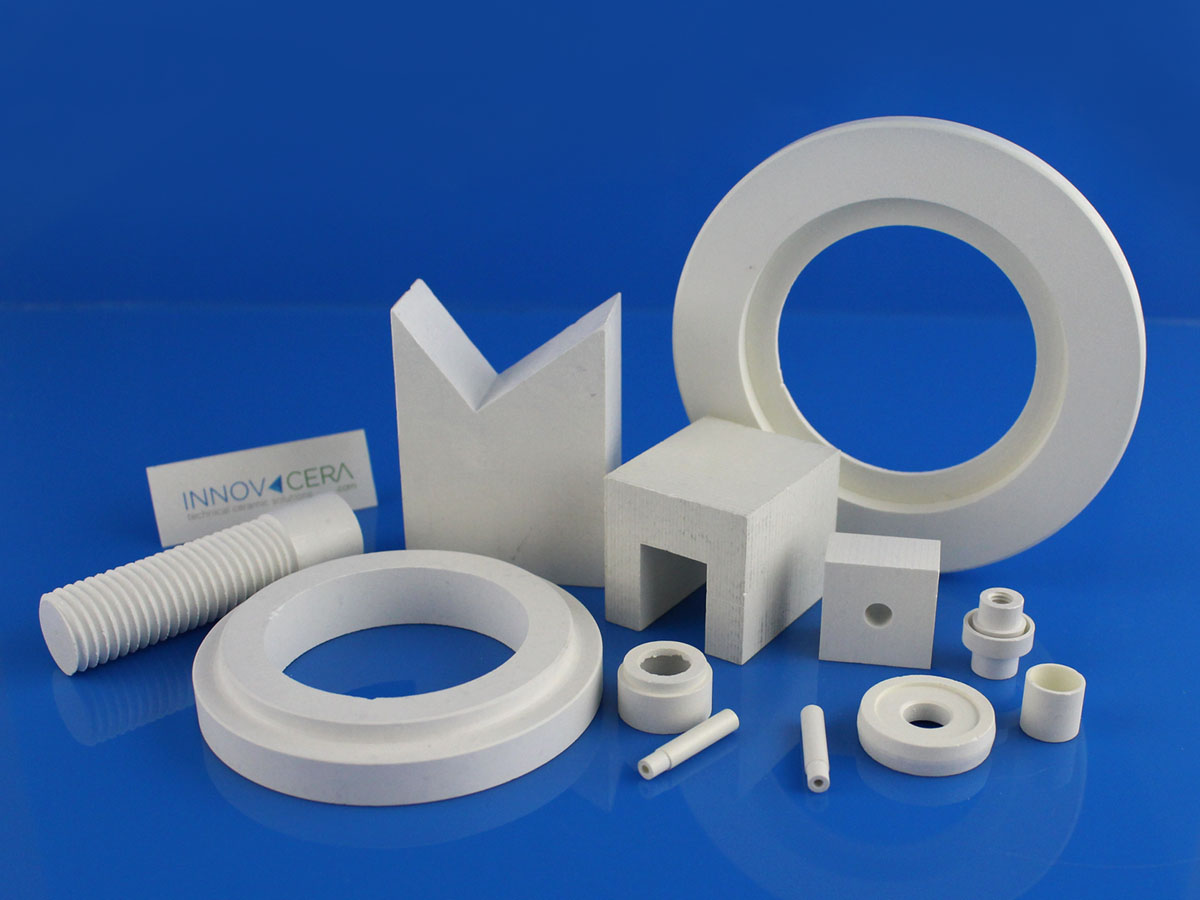
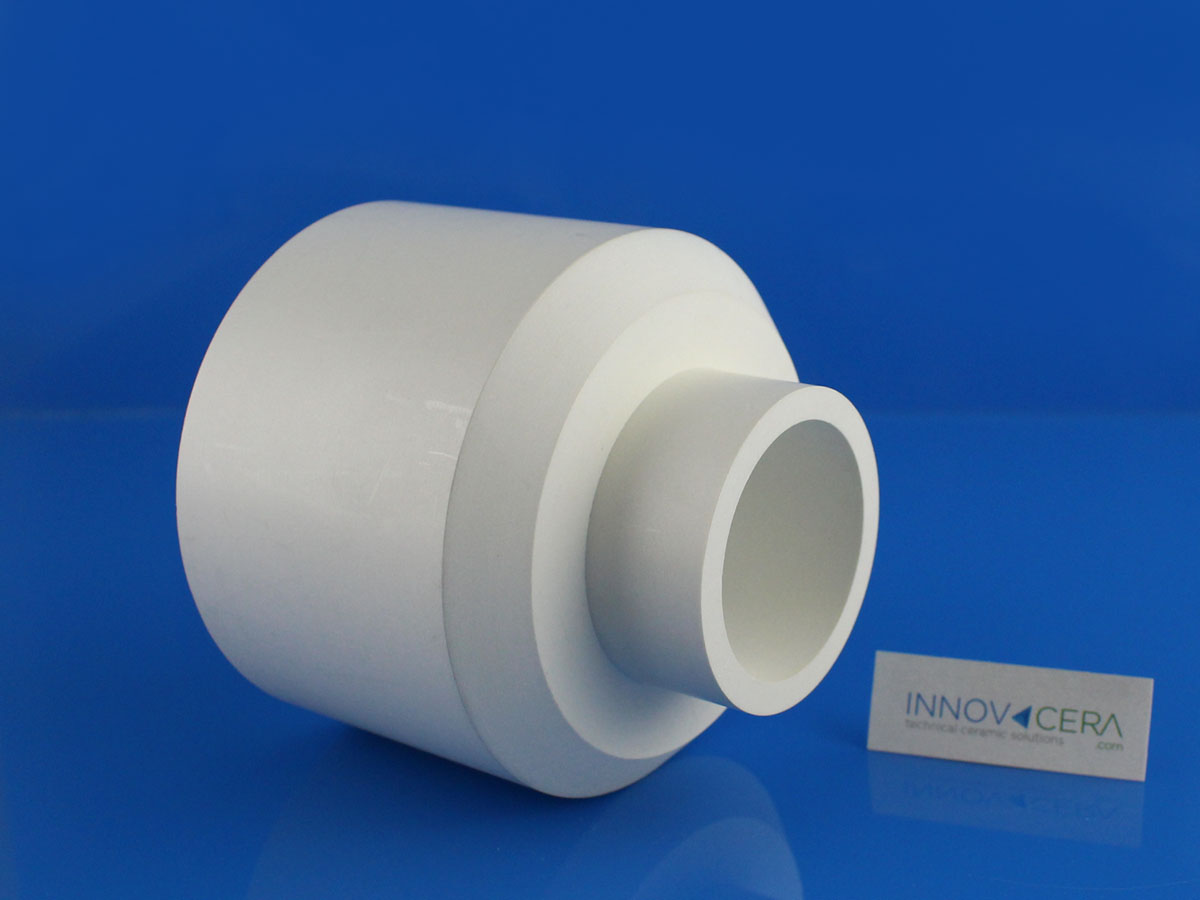
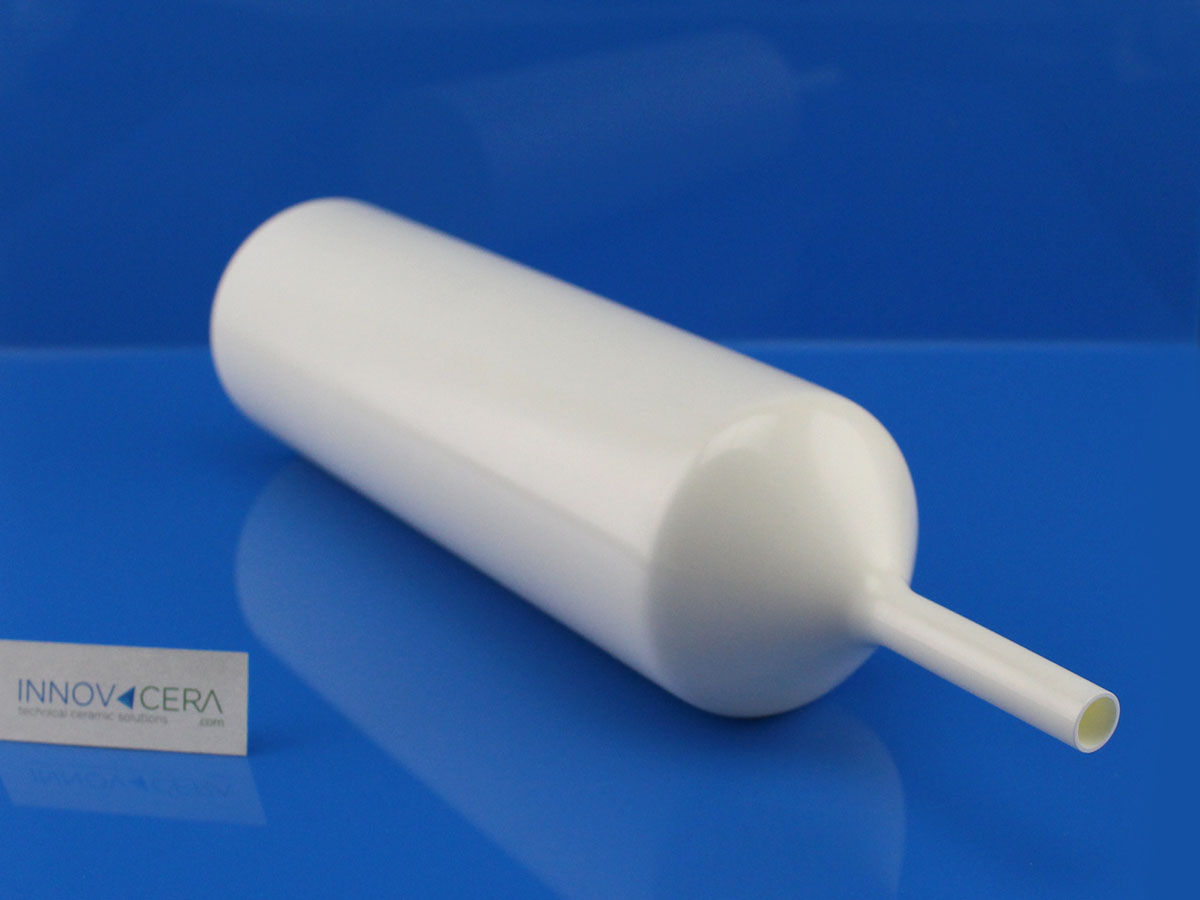
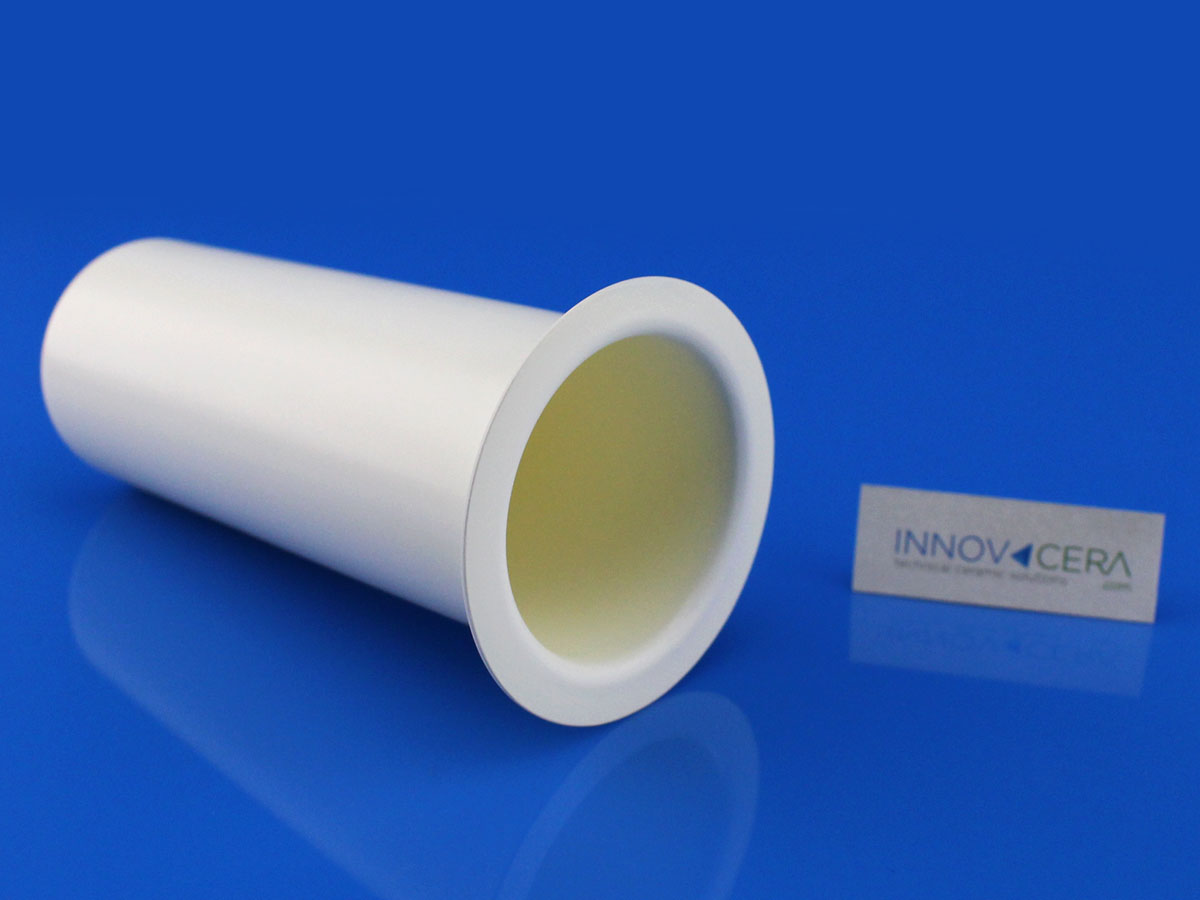
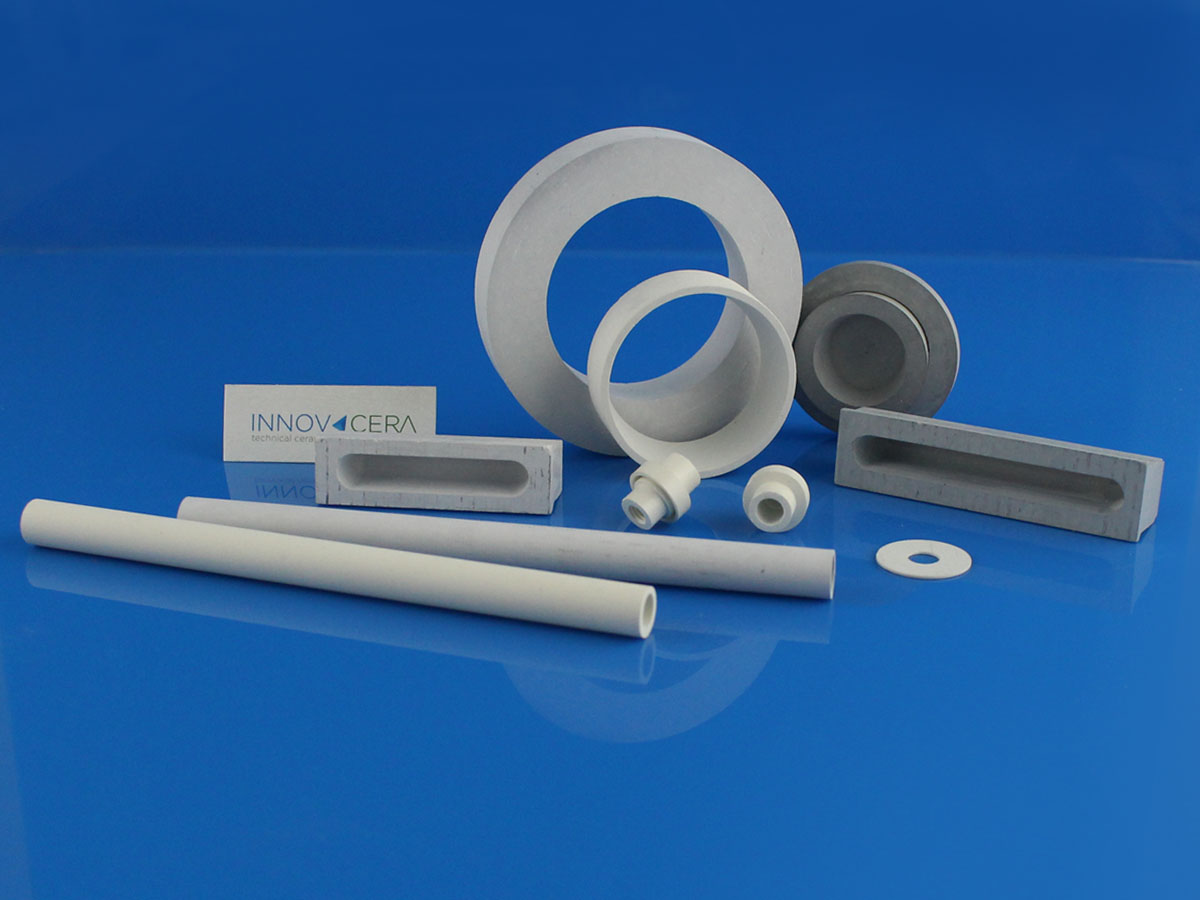
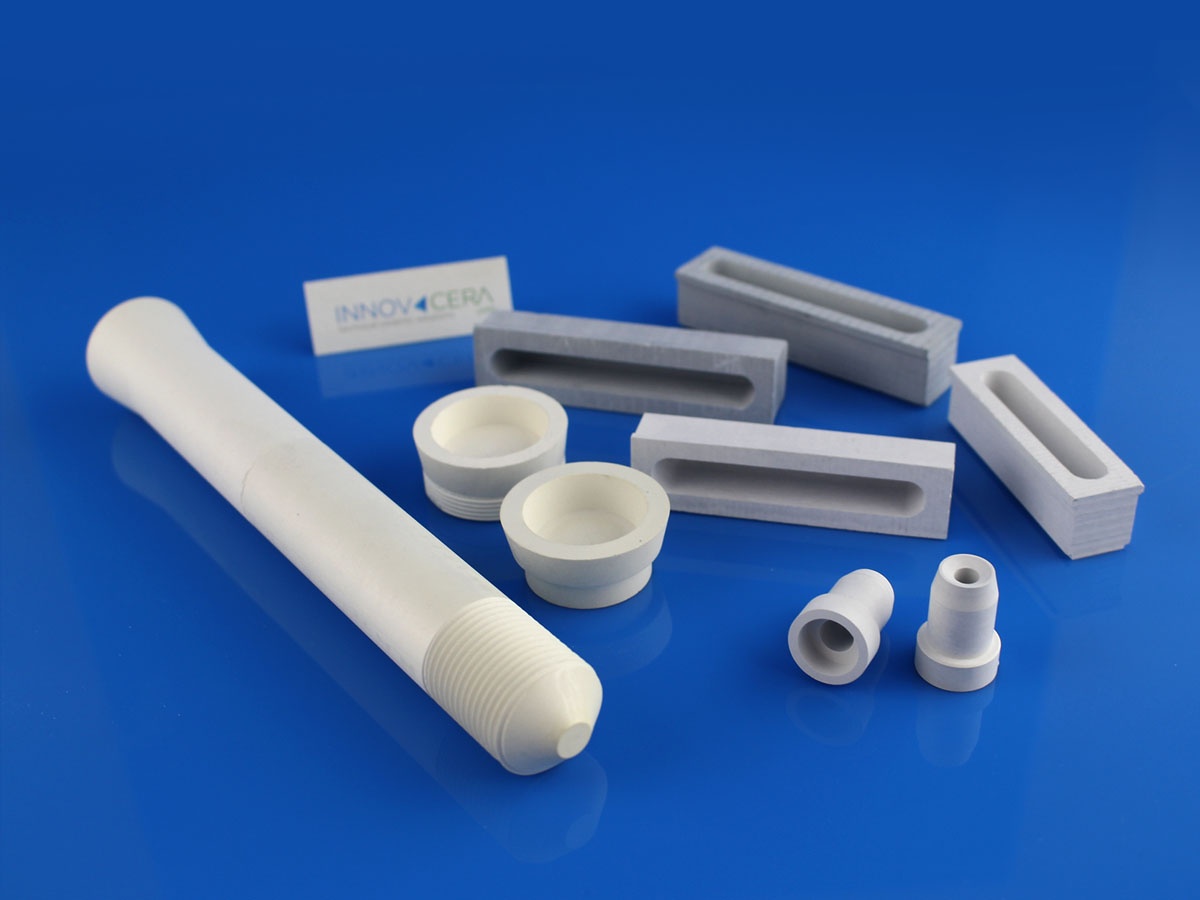
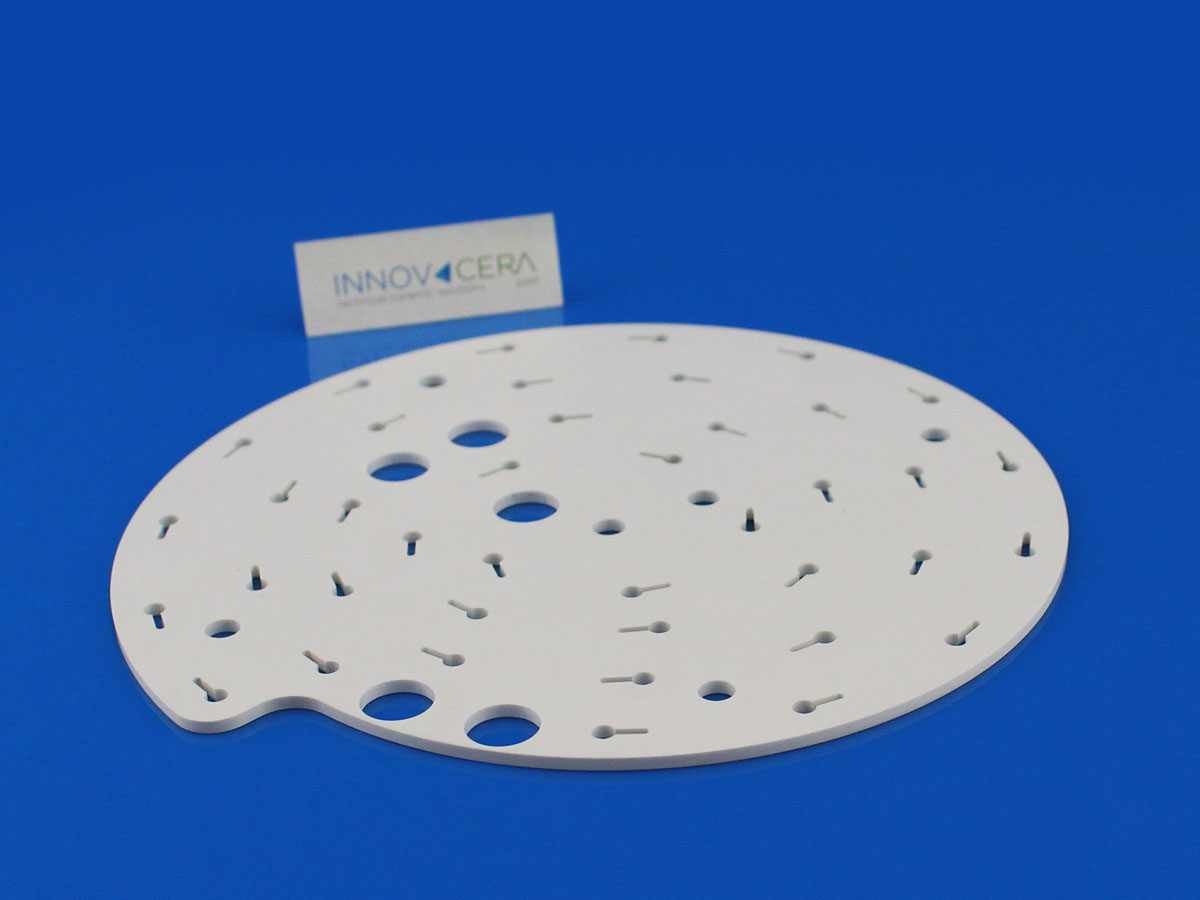
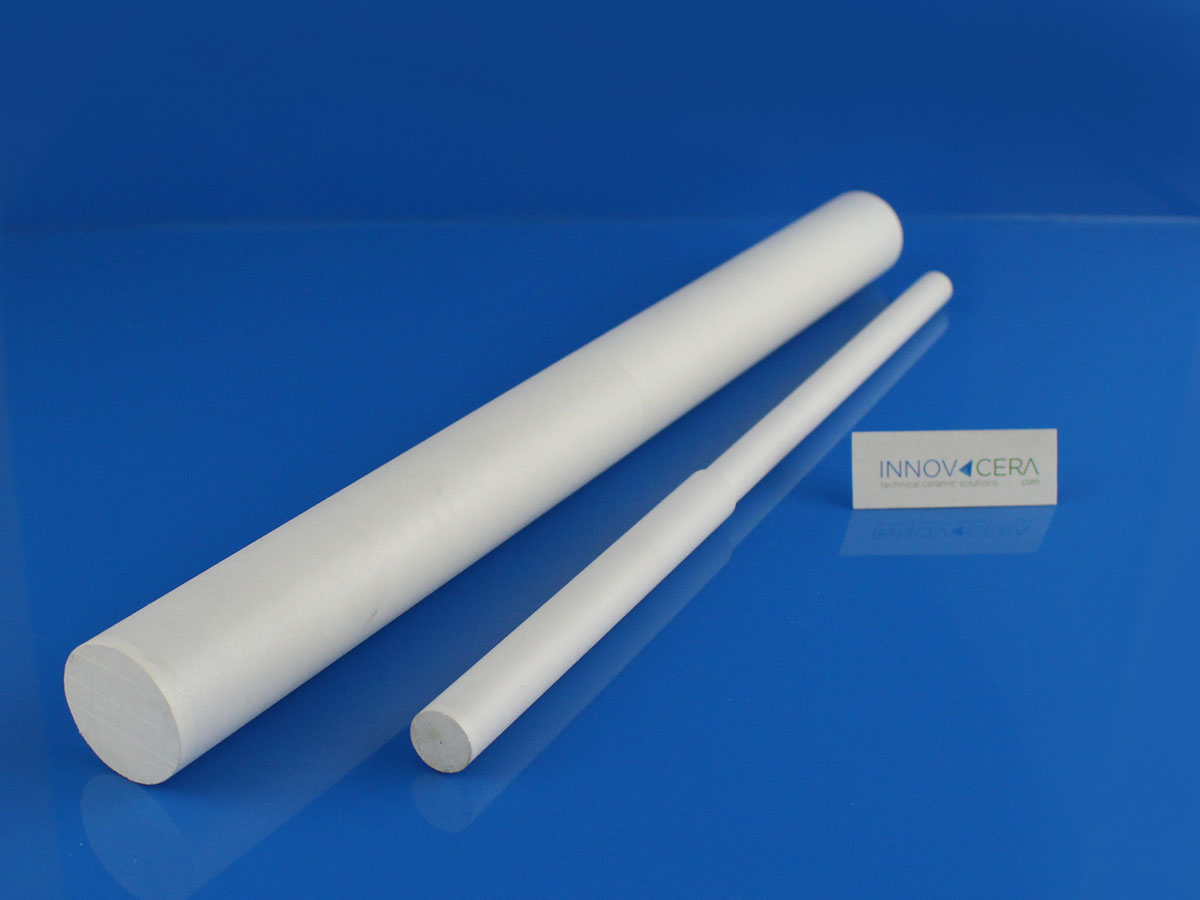
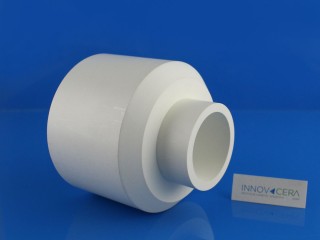
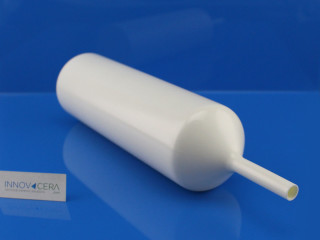
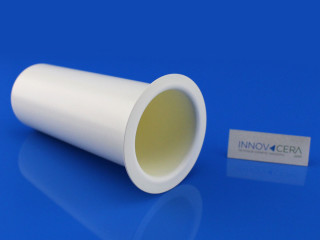
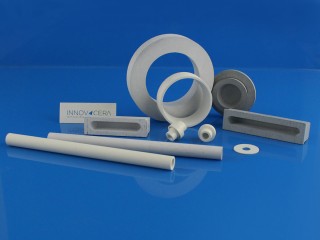
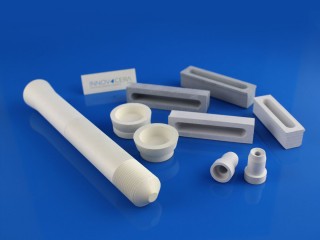
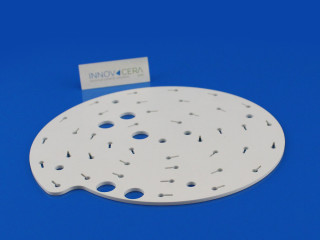
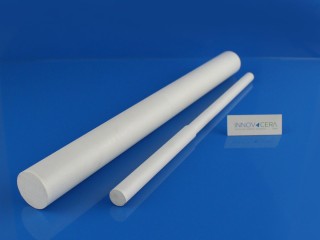
Material of Boron Nitride Ceramics
- Pyrolytic Boron Nitride: 99.99% Boron Nitride*
- UHB: >99.7% Boron Nitride
- HB: >99% Boron Nitride
- BC: >97.5% Boron Nitride
- BAN: Boron Nitride + Aluminum Nitride
- BMZ: Boron Nitride + Zirconium Oxide
- BMA: Boron Nitride + Zirconium Oxide + Aluminum Oxide
- BSC: Boron Nitride + Silicon Carbide
- BMS: Boron Nitride + Silicon Oxide+Aluminum Oxide
- BSN: Boron Nitride + Silicon Nitride
Processing of Boron Nitride Ceramics
- Hot Pressed Sintering
- Chemical Vapor Deposition
Applications of Boron Nitrides Ceramics
-
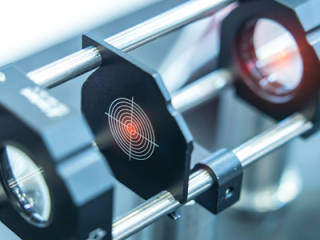
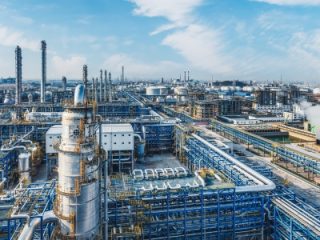
Thermal Management
Excellent electrical insulation and thermal conductivity make BN very useful as a heat sink in high-power electronic applications. Its properties compare favorably with aluminum oxide, and other electronic packaging materials, and are easier machinable to desired shapes and sizes.
-
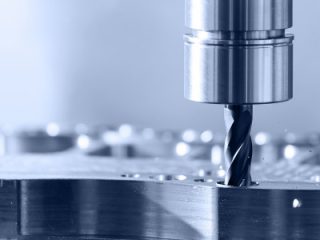
High Temperature Environments
Temperature stability and excellent resistance to thermal shock make BN the ideal material in the toughest high-temperature environments such as equipment for plasma arc welding, diffusion source wafers, and semiconductor crystal growth equipment & processing.
-
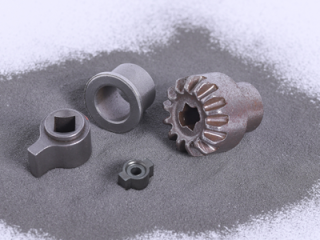
Molten Metal Handling
BN is inorganic, inert, nonreactive with halide salts and reagents, and is not wet by most molten metals and slags. These characteristics, combined with low thermal expansion, make it ideal for interface materials used in various molten metal processes.
Comparison of Boron Nitride Ceramics
| Properties | Unit | UHB | HB | BC | BMS | BMA | BSC | BMZ | BAN | BSN |
| Main Composition | - | BN>99.7% | BN>99% | BN>97.5% | BN+SiO2 | BN+Al2O3 | BN+SiC | BN+ZrO2 | BN+AlN | BN+Si3N4 |
| Color | - | White | White | White | White Graphite | White Graphite | Greyish-Green | White Graphite | Greyish-Green | Gray Black |
| Density | g/cm3 | 1.6 | 2 | 2.0~2.1 | 2.2~2.3 | 2.25~2.35 | 2.4~2.5 | 2.8~2.9 | 2.8~2.9 | 2.2~2.3 |
| Three-Point Bending Strength | MPa | 18 | 35 | 35 | 65 | 65 | 80 | 90 | 90 | / |
| Compressive Strength | MPa | 45 | 85 | 70 | 145 | 145 | 175 | 220 | 220 | 400~500 |
| Thermal Conductivity | W/(m·k) | 35 | 40 | 32 | 35 | 35 | 45 | 30 | 85 | 20~22 |
| Thermal Expansion Coefficient (20~1000°C) | 10-6/K | 1.5 | 1.8 | 1.6 | 2 | 2 | 2.8 | 3.5 | 2.8 | / |
| Max Using Temperature In Atmosphere In Inactive Gas In High Vacuum (Long Time) |
°C | 900 2100 1800 |
900 2100 1800 |
900 2100 1900 |
900 1750 1750 |
900 1750 1750 |
900 1800 1800 |
900 1800 1800 |
900 1750 1750 |
900 1750 1700 |
| Room Temperature Electric Resistivity | Ω·cm | >1014 | >1014 | >1013 | >1013 | >1013 | >1012 | >1012 | >1013 | / |
| Typical Application | - | Nitrides Sintering | High Temperature Furnace | High Temperature Furnace | Powder Metallurgy | Powder Metallurgy | Powder Metallurgy | Metal Casting | Powder Metallurgy | Metal Casting |
| High Temperature Electrical Furnace Components | - | - | √ | √ | √ | √ | √ | √ | √ | √ |
| Metal Vaporize Crucible | √ | √ | √ | √ | ||||||
| The Container of Metal or Glass Melting | - | √ | √ | √ | √ | √ | √ | √ | √ | √ |
| The Casting Mould Components of The Precious Metal and Special Alloy. | - | - | - | √ | - | √ | - | - | √ | √ |
| High Temperature Support Part | - | - | - | - | - | √ | - | √ | √ | √ |
| Nozzle and Transport Tube of The Melting Metal | - | - | √ | √ | √ | √ | √ | √ | √ | √ |
| Nitrides Sintering (Sagger and Setter Plate) | - | √ | - | - | - | - | - | - | - | - |
Remark: The value is just for review, different using conditions will have a little difference.
Declaration: This is an original article of INNOVACERA®. Please indicate the source link when reprinting: https://www.innovacera.com/product/boron-nitride-ceramics-2
Frequently Asked Questions
What are Boron Nitride Ceramics? Why are they often called "white graphite"?
Boron Nitride Ceramics, specifically Hexagonal Boron Nitride (HBN), are advanced materials featuring a microstructure made up of tiny platelet layers. They are often called “white graphite” because this structure is highly similar to graphite, granting the material excellent machinability and low-friction properties. However, unlike standard graphite, Boron Nitride provides superior electrical insulation combined with high thermal conductivity, making it an ideal choice for thermal management and heat sinks in high-power electronic packaging applications.
How do Boron Nitride Ceramics perform in high temperatures? What are their main industrial applications?
Boron Nitride Ceramics exhibit exceptional temperature stability and thermal shock resistance, capable of withstanding up to 2100°C in inactive gas environments and 1800°C in high vacuum. Because the material is inorganic, inert, and not wetted by most molten metals and slags, its main industrial applications include:
– High-Temperature Environments: Equipment for plasma arc welding, diffusion source wafers, and semiconductor crystal growth.
– Molten Metal Handling: Metal vaporize crucibles, melting containers, continuous casting molds, and nozzles.
– Specialty Sintering: Used as saggers and setter plates for nitrides sintering processes.