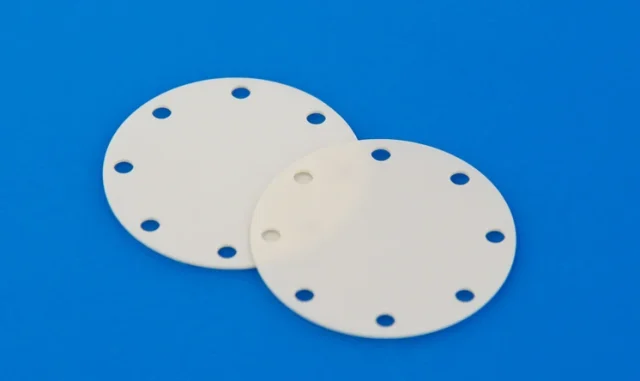
High-temperature manufacturing, semiconductor tools, vacuum thermal treatment and precision electronics all rely heavily on materials with reliable thermal performance, which directly determines equipment stability, temperature consistency and processing yield. A frequent dilemma engineers encounter when choosing boron nitride (BN) ceramics is whether BN acts as an insulator or thermal conductor.
This cannot be answered with a simplistic yes-or-no.
Boron nitride ceramics are capable of both transferring and blocking heat along designated axes. Their practical thermal properties are governed by material grade, crystal orientation, part geometry, heat flow paths and assembly configuration.
Hexagonal boron nitride (h-BN), fabricated by hot pressing or sintering, and chemical vapor deposited pyrolytic boron nitride (PBN) are the two mainstream grades for industrial high-temperature thermal control scenarios. Both display prominent thermal anisotropy. The core strength of BN ceramics is therefore not just high or low thermal conductivity, but the unique capability to manipulate heat transfer directions on demand.
I. Why can BN conduct heat while also providing thermal insulation?
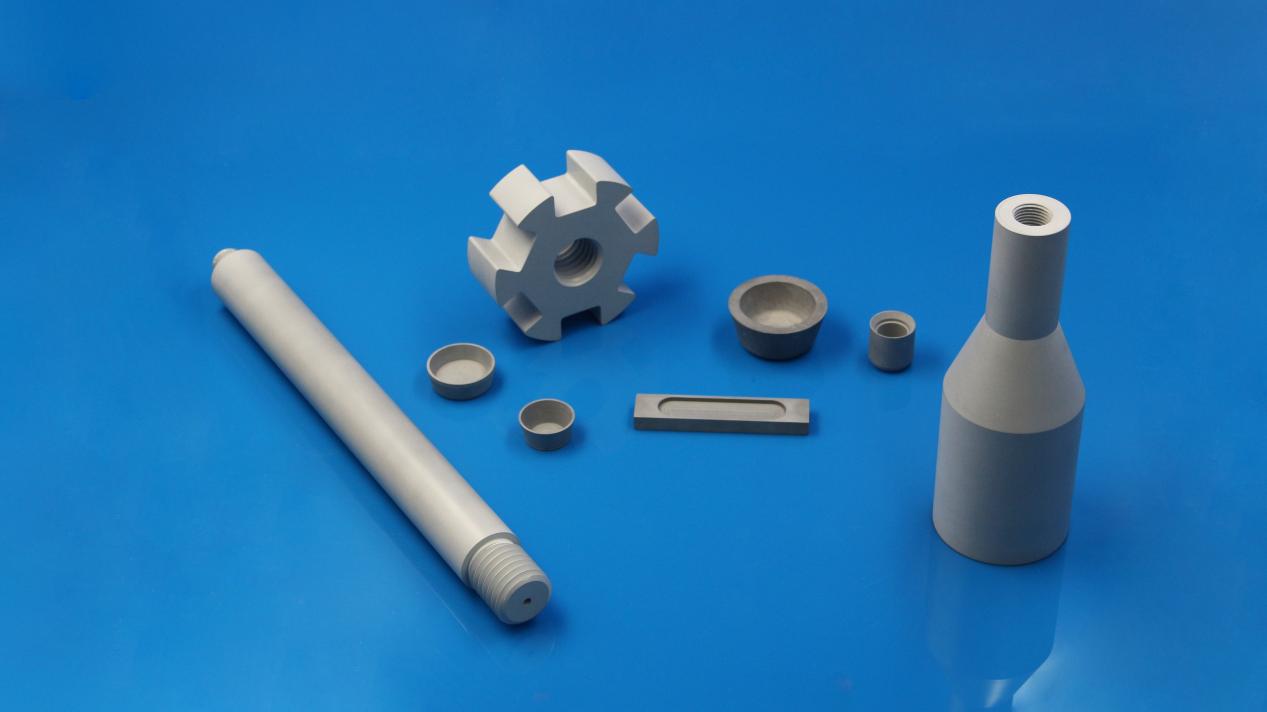
Hexagonal boron nitride (h-BN) features a graphite-like layered crystal structure. Strong atomic bonding within each layer enables rapid in-plane heat conduction. In comparison, weak interlayer bonding creates substantial thermal resistance for heat transfer across the layers.
This unique structural trait endows BN ceramics with distinct thermal performance characteristics:
• Heat spreads more easily along the crystal layer direction;
• Thermal conductivity is relatively low in the direction perpendicular to the layers.
This indicates that by optimizing crystal orientation and installation direction, BN ceramics can be tailored to either dissipate localized heat or suppress directional heat loss as required.
Nevertheless, the actual thermal performance of BN components is governed by a combination of factors, including material grade, purity, porosity, sintering additives, component thickness, operating temperature, interfacial contact status and assembly approach. For this reason, engineering material selection cannot rely merely on nominal thermal conductivity data. It is necessary to comprehensively evaluate the actual heat flow direction and equipment structural configuration.
II. Comparison of Thermal Properties between BN and Common High-Temperature Ceramic Materials
Different ceramic materials offer distinct advantages for thermal management applications. Material selection requires comprehensive evaluation of key properties including thermal conductivity, electrical insulation, high-temperature stability, mechanical performance, and operating atmosphere conditions.
| Material | Main Thermal Characteristics | Core Advantages | Typical Applications |
|---|---|---|---|
| Al₂O₃ | Medium thermal conductivity | Excellent electrical insulation, moderate cost, mature application | Electronic insulators, general high-temperature structural parts |
| AlN | Relatively high thermal conductivity | Efficient heat dissipation with electrical insulation performance | Power module substrates, electronic heat dissipation components |
| ZrO₂ | Low thermal conductivity | Outstanding heat insulation, good toughness | Thermal barrier structures, heat insulation parts |
| SiC | High thermal conductivity, stable performance at high temperature | Wear & corrosion resistance, excellent high-temperature strength | Furnace fittings, high-temperature structural parts, semiconductor equipment |
| BN/PBN | Strong anisotropic thermal conductivity | Electrical insulation, thermal shock resistance, adjustable heat flow direction | Crucibles, insulators, thermal field components, vacuum & semiconductor equipment |
Unlike aluminum nitride, BN is not designed for ultra-high overall thermal conductivity. Meanwhile, it differs from zirconia, which provides insulation simply through low thermal conductivity. Instead, the core value of BN ceramics lies in its directional thermal conduction capability, which optimizes heat distribution and regulates heat flow paths in complex high-temperature working environments.
The table provides a general comparison; specific performance should still be based on different material grades, testing directions, and actual operating atmospheres.
III. Core Advantages of BN Ceramics in High-Temperature Thermal Management
1. Adaptable to High-Temperature Controlled Atmospheres
High-quality h-BN and PBN materials exhibit superior thermal stability in vacuum and inert atmospheres, rendering them well-suited for high-temperature furnaces, vacuum thermal treatment systems, and semiconductor processing equipment. Notably, oxidation limits the maximum operating temperature of BN ceramics in atmospheric and oxygen-rich environments. Accordingly, the temperature rating of BN components should be determined by comprehensive factors including material grade, working atmosphere, pressure, continuous service duration and mechanical load, instead of a single generic temperature parameter.
2. Excellent thermal shock resistance
Many high-temperature devices need to undergo repeated heating, holding, and cooling processes. Rapid temperature changes can easily form temperature gradients within the components and cause cracks or deformation.
Many h-BN and PBN materials have excellent thermal shock resistance, capable of adapting to a certain degree of rapid temperature changes and periodic thermal cycles. This performance stems from various factors such as the material’s thermal conductivity, thermal expansion behavior, elastic modulus, strength, and crystal orientation.
For PBN components, the deposition direction and installation constraints need to be particularly considered, as their thermal expansion and thermal conduction properties have obvious directional characteristics.
3. Meeting high-cleanliness process requirements
High-purity PBN is prepared through chemical vapor deposition technology and usually does not require traditional sintering additives, thus having a higher purity and lower metal impurity content, suitable for semiconductors, epitaxial growth, and high-cleanliness vacuum equipment.
For hot-pressed or sintered h-BN, the purity, bonding phase, porosity, and gas release performance of different grades may vary significantly. If used in high vacuum or sensitive to contamination processes, the material composition, purity, cleaning method, and baking conditions should be confirmed in advance.
Therefore, not all BN materials can be uniformly defined as low gas release materials. For applications with high cleanliness requirements, PBN usually has more advantages.
4. Balancing electrical insulation and thermal management capabilities
Metal materials typically have good thermal conductivity but cannot meet the requirements for electrical insulation. BN ceramics can maintain electrical insulation while achieving heat diffusion, thermal field control, or directional insulation.
This characteristic makes it suitable for high-temperature electrical insulation components, heater support components, high-frequency equipment parts, and thermal management structures in semiconductors and vacuum equipment.
In addition, BN has low wetting properties for various molten metals and high-temperature media, so it is also often used in crucibles, melt contact components, and evaporation source components. The specific compatibility still needs to be verified based on the contact material, temperature, atmosphere, and usage time.
IV. Typical Applications of BN Ceramics
• High-temperature vacuum furnaces and heat treatment equipment
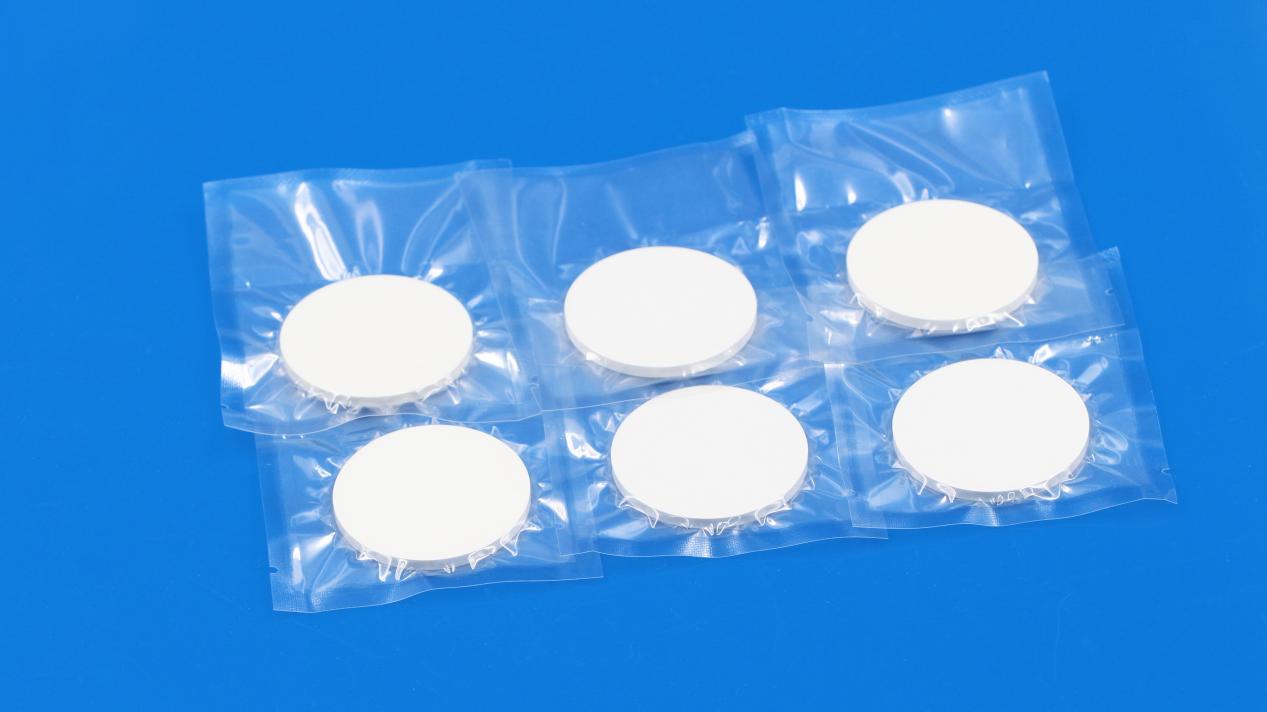
In high-temperature furnaces and vacuum heat treatment equipment, BN can be used for insulating plates, support components, positioning components, heater insulating parts, and crucibles.
By properly designing the component structure and material orientation, BN can help control the heat flow within the furnace, improve temperature distribution, reduce local overheating, and reduce the risk of contamination caused by direct contact between process materials and metal structures.
• Semiconductor and vacuum deposition equipment
High-purity PBN is commonly used in MBE crucibles, VGF and LEC crucibles, electron beam evaporation crucibles, evaporation source containers, thermal field support components, and highly clean insulating parts.
Its high purity, chemical stability, and directional heat conduction characteristics help control the temperature distribution of evaporated materials and reduce the risk of impurity contamination in high-clean processes.
It should be noted that conductive evaporation boats for resistance heating typically use conductive composite ceramics such as TiB₂-BN or TiB₂-BN-AlN, which are not the same type of material as pure BN or PBN crucibles.
• High-temperature electrical insulation and precision electronic equipment
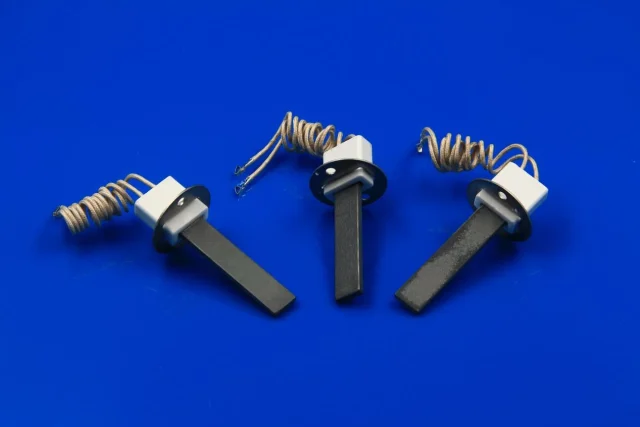
BN ceramics can also be used for high-temperature electrical insulation, heater support, high-frequency equipment structural components, and insulation and thermal management parts in vacuum equipment.
In these applications, BN can simultaneously meet requirements such as electrical insulation, high-temperature stability, and directional heat conduction, and is suitable for environments where metal thermal conductive materials cannot be directly used.
V. How should h-BN and PBN be selected?
| Comparison Item | Hot-pressed / Sintered h-BN | Pyrolytic Boron Nitride (PBN) |
|---|---|---|
| Manufacturing Method | Powder Forming & Sintering | Chemical Vapor Deposition (CVD) |
| Purity | Varies by material grade | Generally higher purity |
| Machinability | Excellent, suitable for complex structural parts | Limited by deposition structure and wall thickness |
| Cost | Relatively low | Relatively high |
| Main Applications | High-temperature structural parts, insulators, crucibles, support fixtures | Semiconductors, epitaxial growth, high-vacuum & ultra-high cleanliness applications |
If the application focuses on mechanical processing properties, complex structures and cost control, the appropriate grade of hot-pressed h-BN can be given priority.
If the application has higher requirements for material purity, metal impurities, cleanliness and high vacuum performance, PBN is usually more suitable.
The final selection should also be comprehensively determined based on the working temperature, process atmosphere, heat flow direction, mechanical load, dimensional tolerance and cleanliness requirements.
VI. Innovacera BN Ceramic Solution
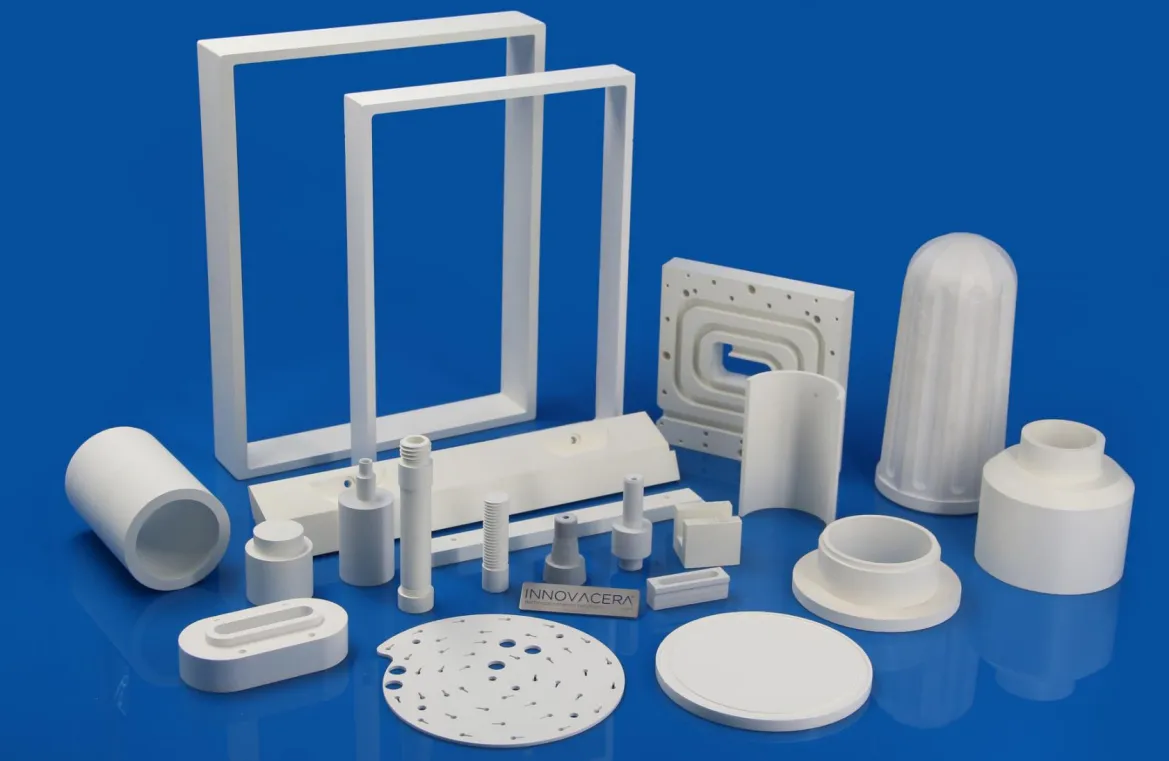
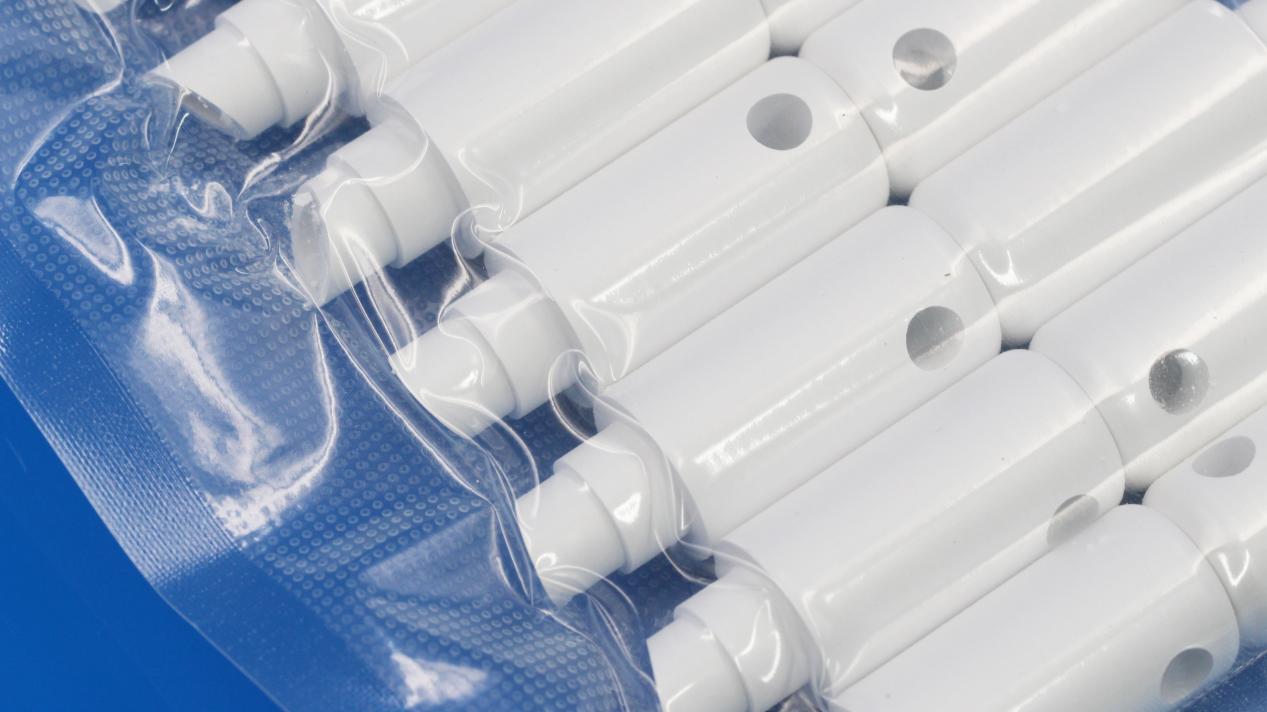
Innovacera offers hot-pressed h-BN and high-purity PBN ceramic components, which can be customized to meet the structural requirements and application needs of customer equipment, providing ceramic components suitable for high-temperature, vacuum, and highly clean environments.
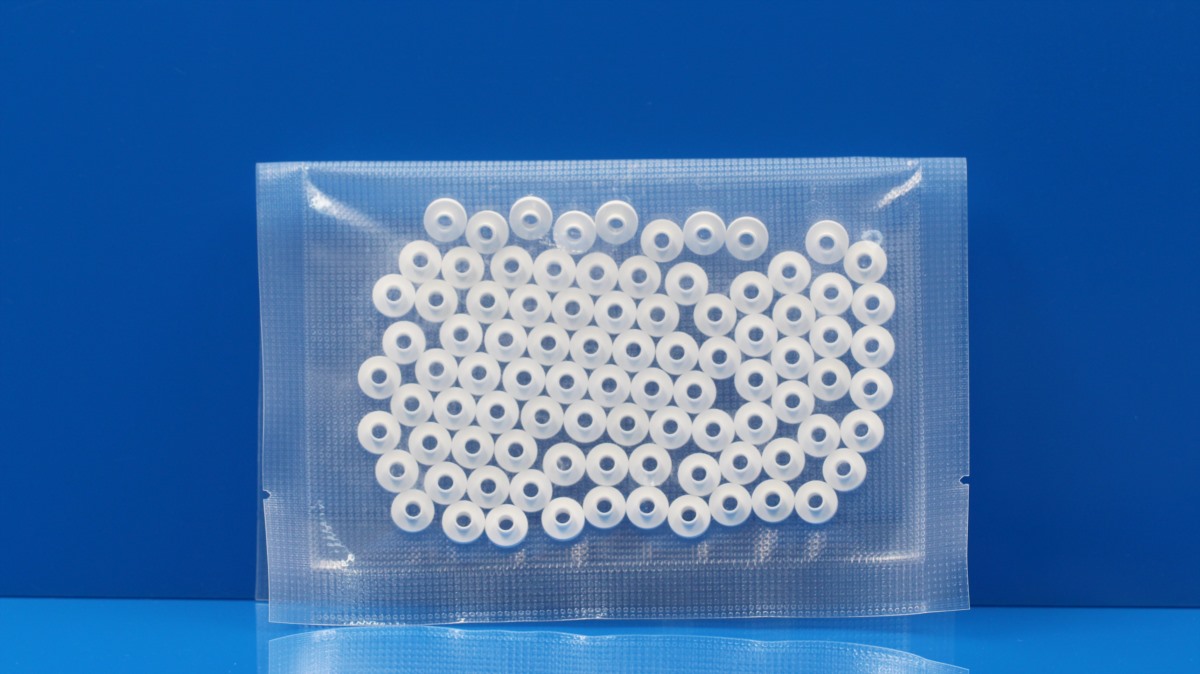
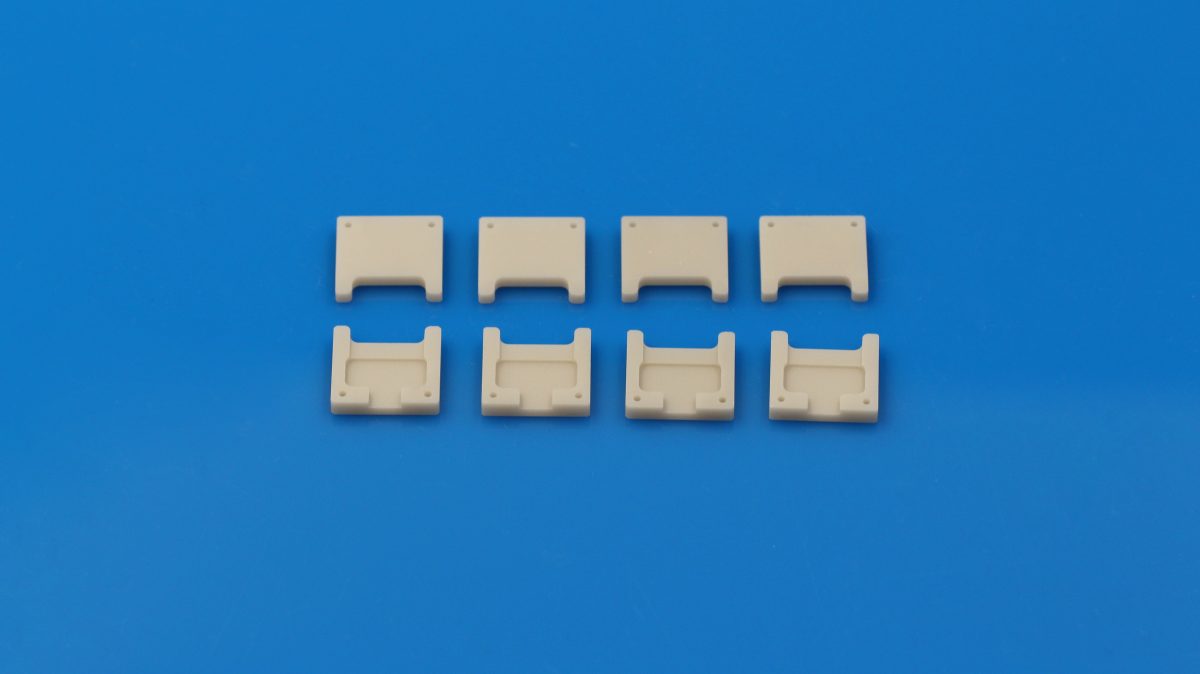
The available products include BN plates, rods, tubes, crucibles, insulators, thermal field support components, PBN crucibles, and non-standard ceramic parts processed according to drawings, applicable to high-temperature equipment, vacuum systems, semiconductor manufacturing, and precision electronics fields.
In the design of BN components, the selection of materials should not only focus on thermal conductivity but also consider crystal orientation, material purity, porosity, component thickness, and installation direction. Reasonable selection of h-BN or PBN and optimization of component structure can help control the heat flow path of the equipment, improve temperature distribution, and reduce pollution risks.
Please contact sales@innovacera.com for further information.