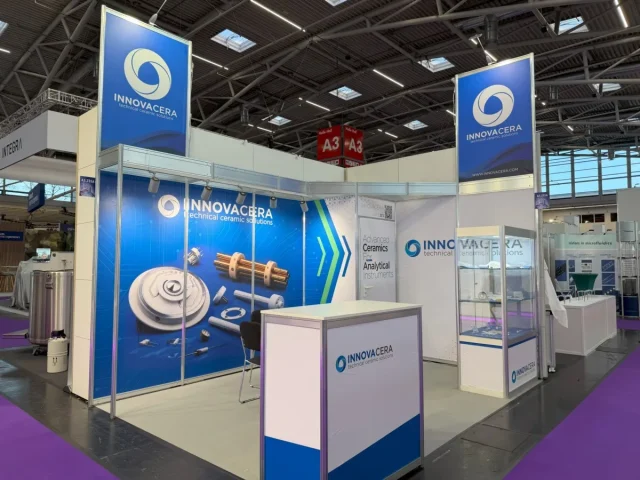
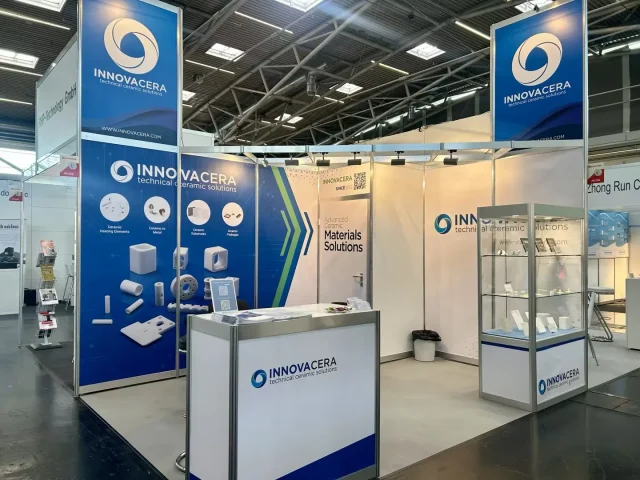
Ceramic to metal brazed assemblies combine electrical insulation with metal conductors,housings and mounting interfaces.They are used in vacuum feedthrough,hermetic connectors and electronic packages where power or signals must pass through a sealed boundary.
INNOVACERA supplies custom ceramic to metal components and HTCC ceramic package housings,with support for material selection,metallization, plating, brazing and inspection.
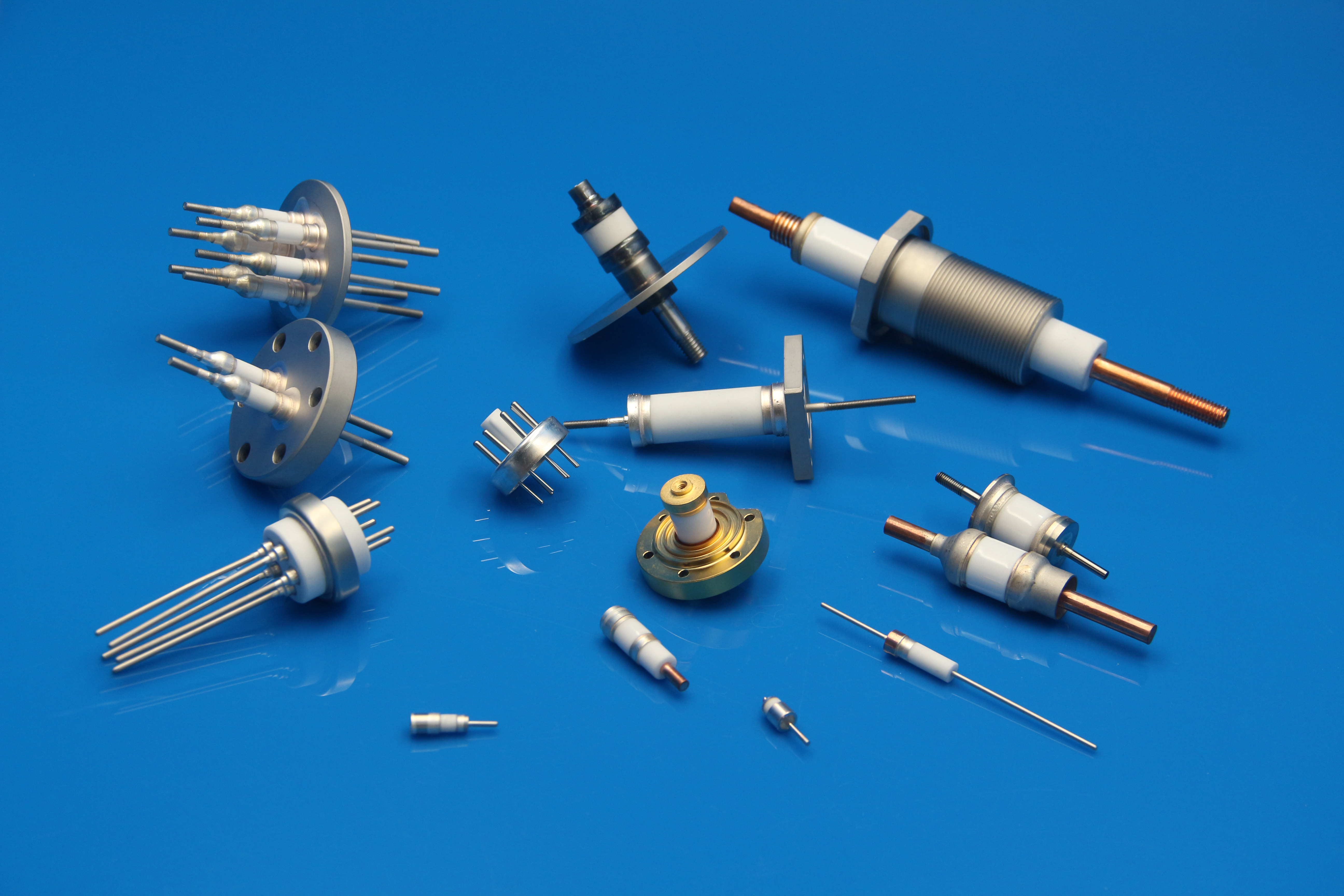
Ceramic to Metal Brazed Assemblies
A Ceramic-to-metal assembly joins an insulating ceramic body to metal parts such as pins,tubes,frames or flanges.The ceramic provides electrical isolation,while the metal provides conductive paths and mechanical connections.
Typical component configurations include:
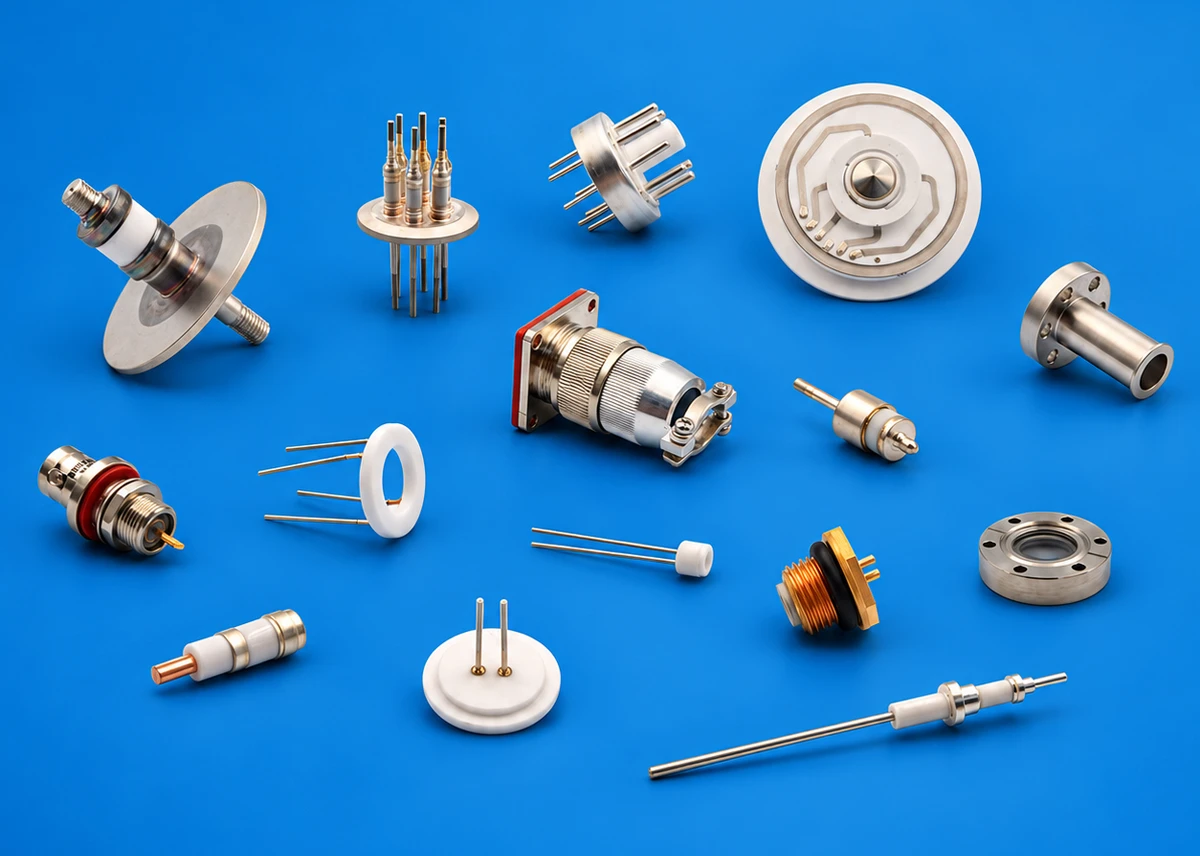
Ceramic-to-metal vacuum feedthroughs for power and signal transmission.
Multipin hermetic connectors for instrumentation and sensor interfaces.
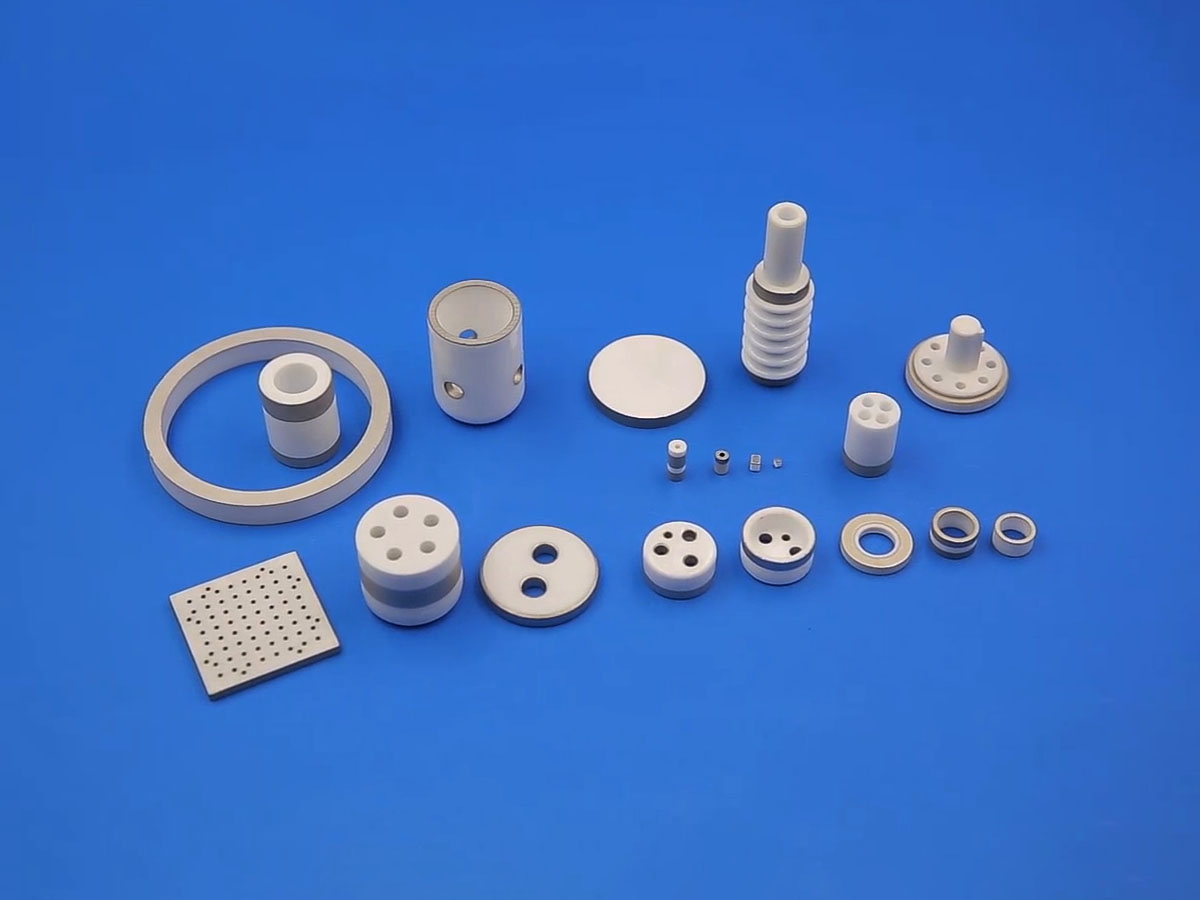
Metallized ceramic rings, tubes and bushings brazed to metal hardware.
Ceramic-to-metal housings and sealing components for electronic and vacuum equipment.
Alumina is widely used for the insulating body.Metal options include Kovar,stainless steel, molybdenum and copper,depending on thermal expansion, conductivity and assembly requirements.
Metallization and Brazing for Hermetic Joints
A common joining route for alumina starts with molybdenum–manganese metallization on selected ceramic surfaces, followed by nickel plating. These layers prepare the joining area for brazing to the metal component.
During brazing, the filler metal melts and flows into the joint while the ceramic and metal parts remain solid. The resulting joint provides a mechanical connection and forms part of the assembly’s sealed boundary.
Reliable sealing depends on the complete design: ceramic grade,metal selection,metallization, braze alloy and joint geometry.Thermal expansion differences must be considered to limit stress during cooling and repeated operation.
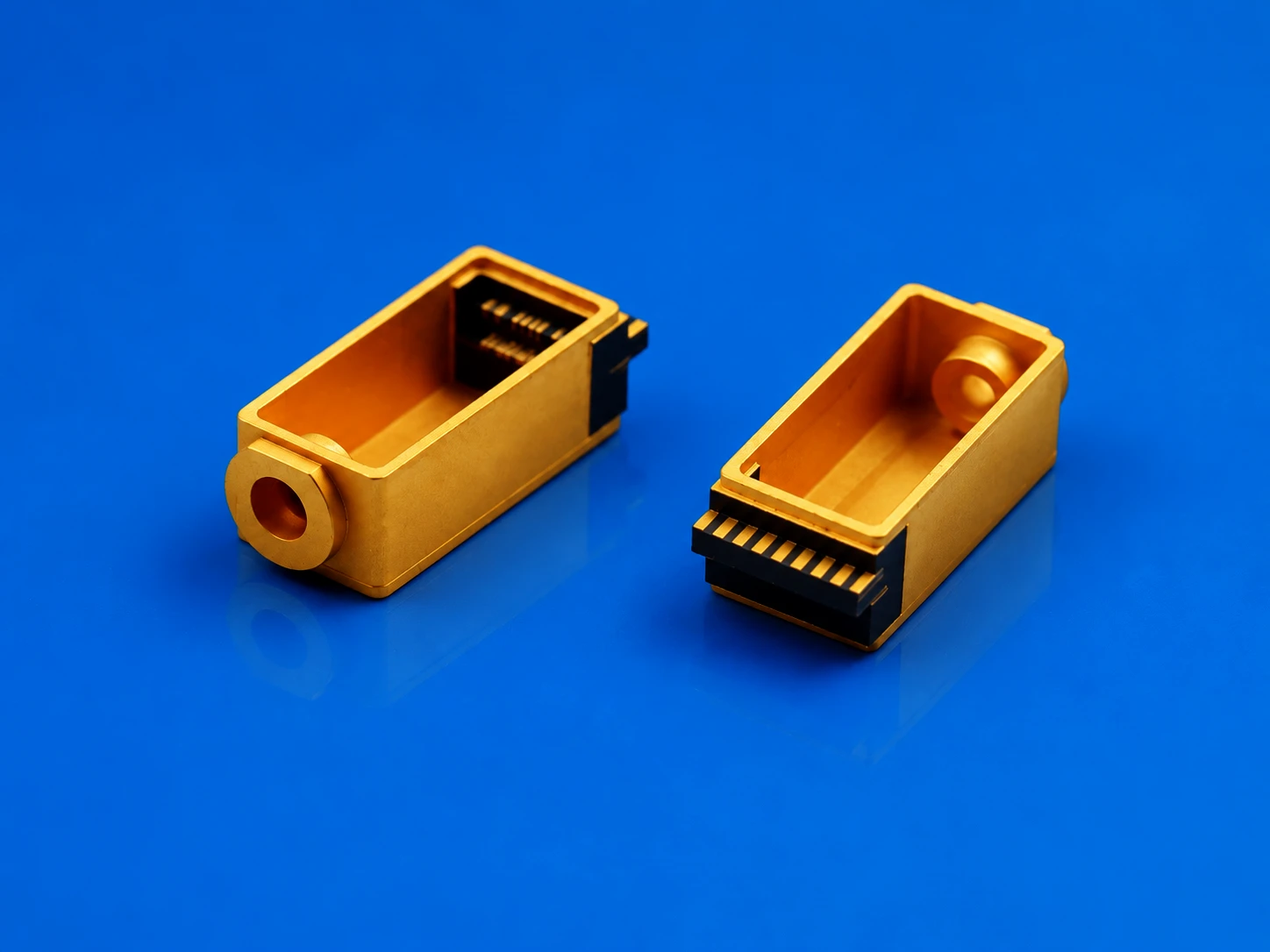
HTCC Ceramic Package Housings
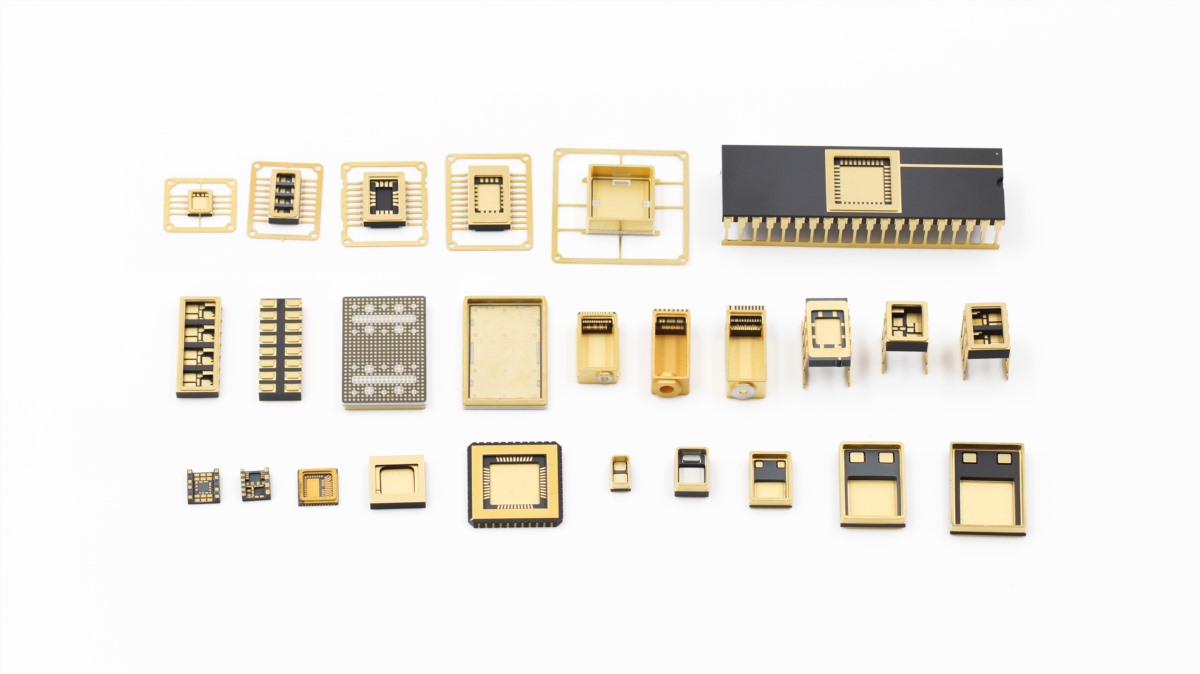
High-temperature co-fired ceramic (HTCC) technology integrates conductive patterns and vias into a multilayer ceramic body. It is suitable for package housings that require multiple electrical paths within a compact, insulating structure.
INNOVACERA offers HTCC package formats including dual-in-line packages, flat packs, pin-grid arrays and leadless chip carriers. Package geometry and electrical routing can be reviewed for custom requirements.
HTCC and brazing can be used together when the ceramic packages require metal frames, leads or other external parts. For simpler feedthroughs and sealing components, a metallized ceramic ring, tube or bushing may provide the required structure without multilayer routing.
Specify the Assembly Around Its Operating Conditions
For vacuum systems, semiconductor equipment and analytical instruments, the design review should establish:
- Operating voltage, current and conductor spacing.
- Temperature range, bakeout conditions and thermal cycles.
- Housing dimensions, mounting interfaces and mechanical loads.
- Target helium leak rate and acceptance test conditions.
Dimensional inspection, electrical testing and helium leak testing can be specified for the finished assembly.
Discuss Your Custom Ceramic to Metal Assembly
Send INNOVACERA your drawing, ceramic and metal preferences, electrical requirements, operating temperature, target helium leak rate and expected quantity. We can review the material combination, brazed joint and inspection requirements for your project.