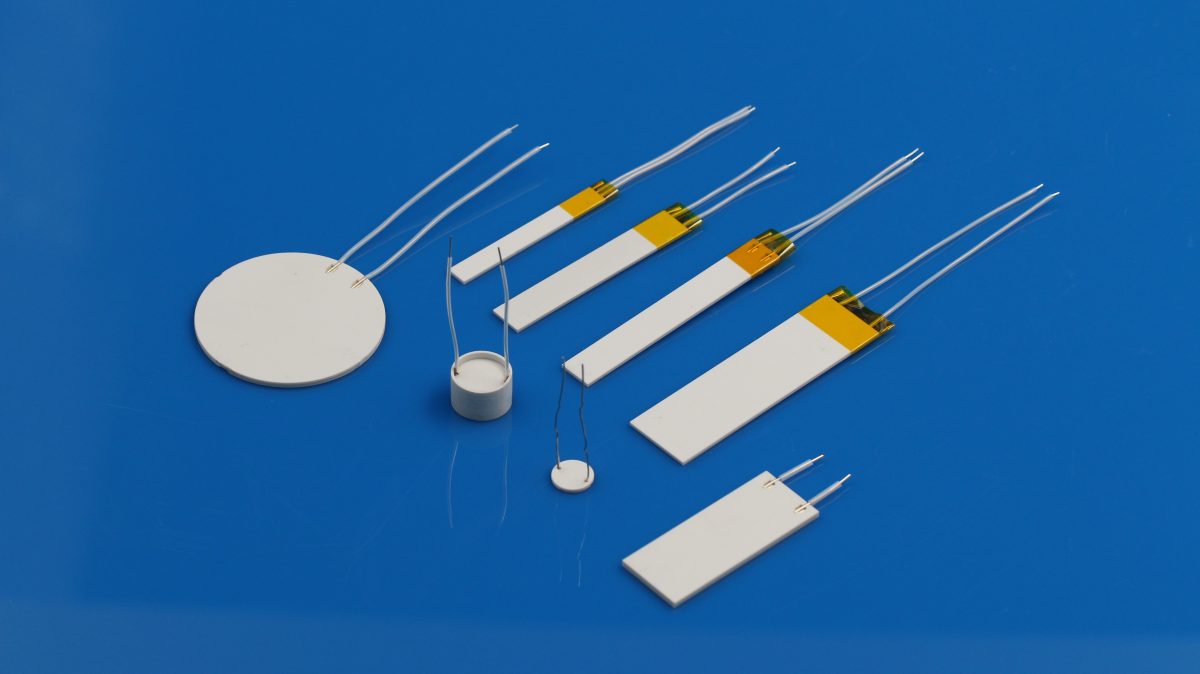
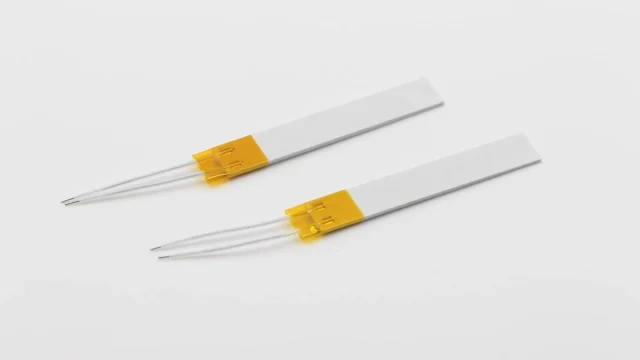
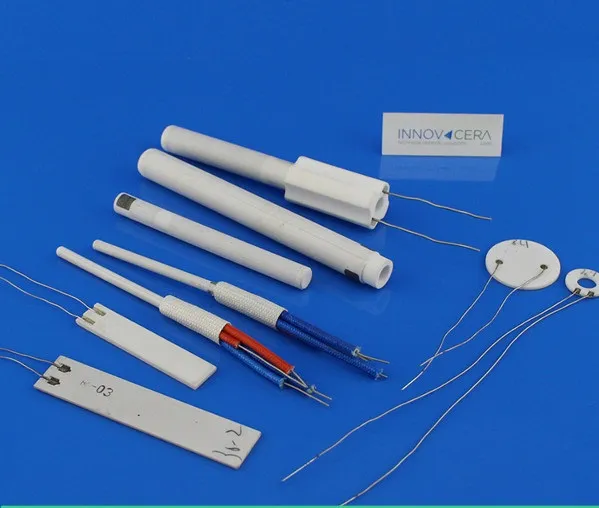
Hair straightener brands all face a pretty tough issue: users want fast heating, stable temperature during styling, and all that packed into a slim handheld device. If any of these three falls short—slow warming, bulky components taking up space, or temperature that jumps around—you don’t need others to point it out; you can feel something’s wrong after just a couple of passes yourself. The experience can go downhill way faster than you’d expect. That is why MCH ceramic heaters are often considered for compact beauty appliances where fast temperature response matters.
What an MCH ceramic heater does in a straightener
In a hair straightener, the heater’s job is to transfer heat to the styling plate so the plate can reach the working temperature and recover heat during use. MCH ceramic heaters are valued because they suit small appliances that need rapid heating in a compact structure.
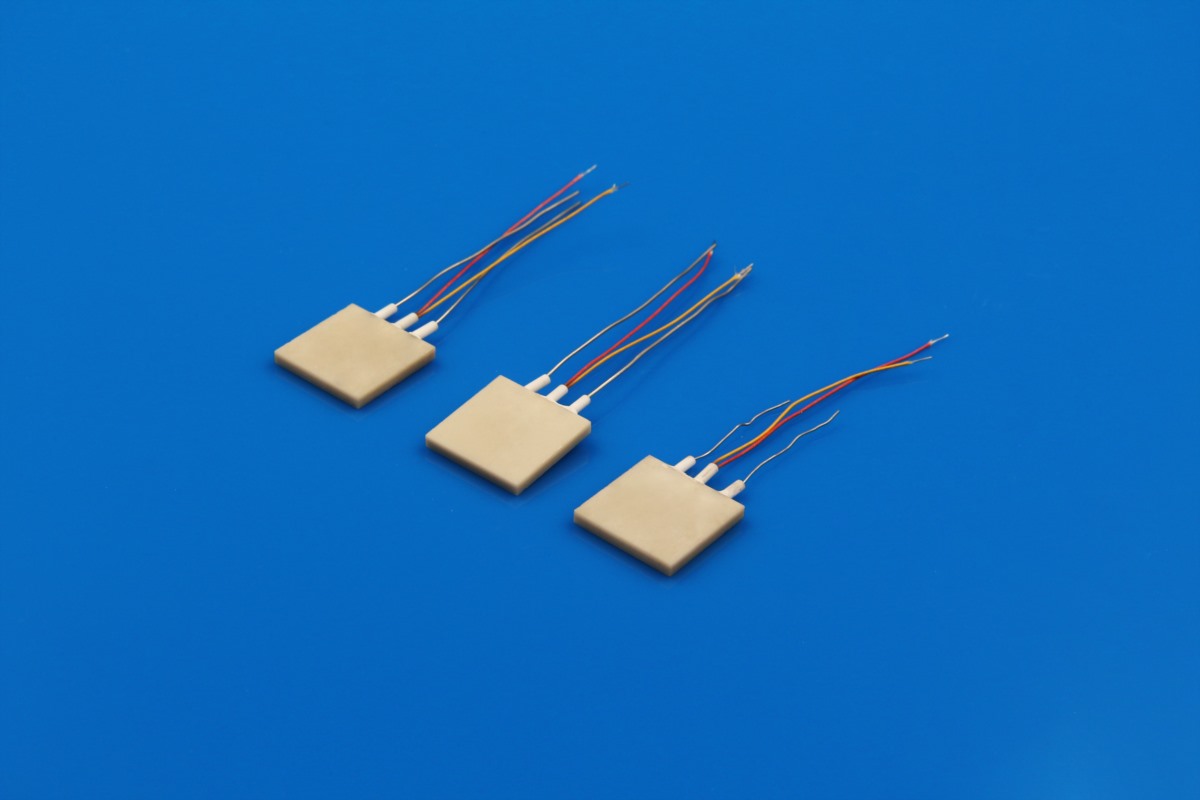
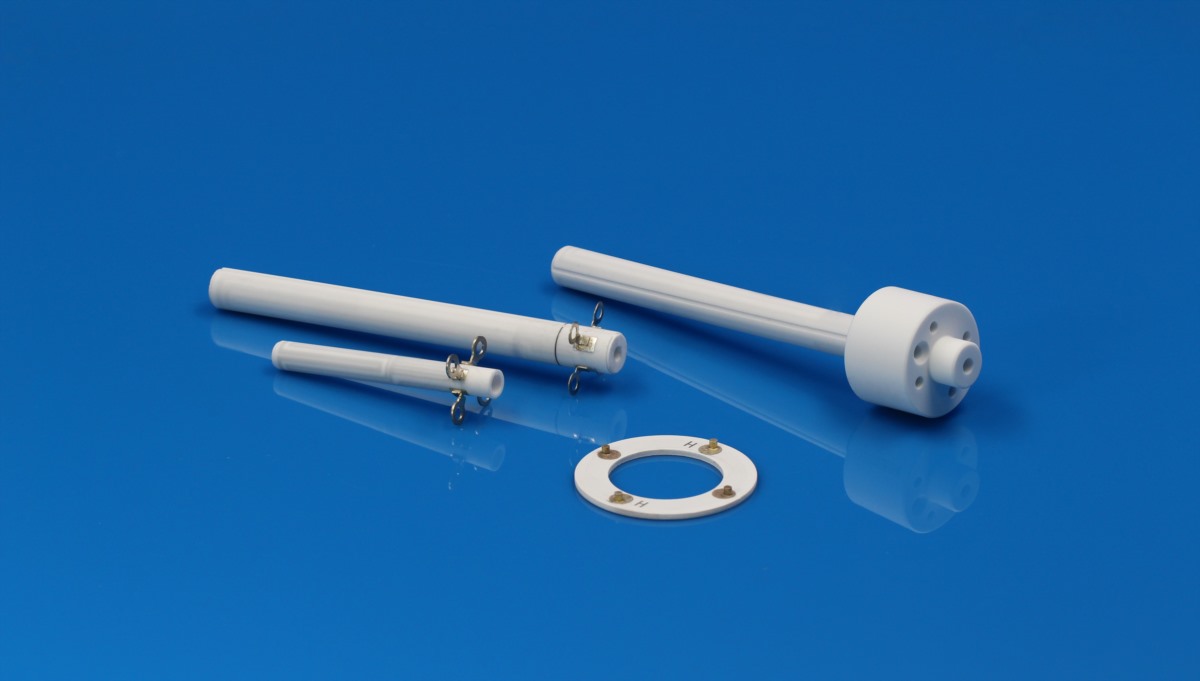
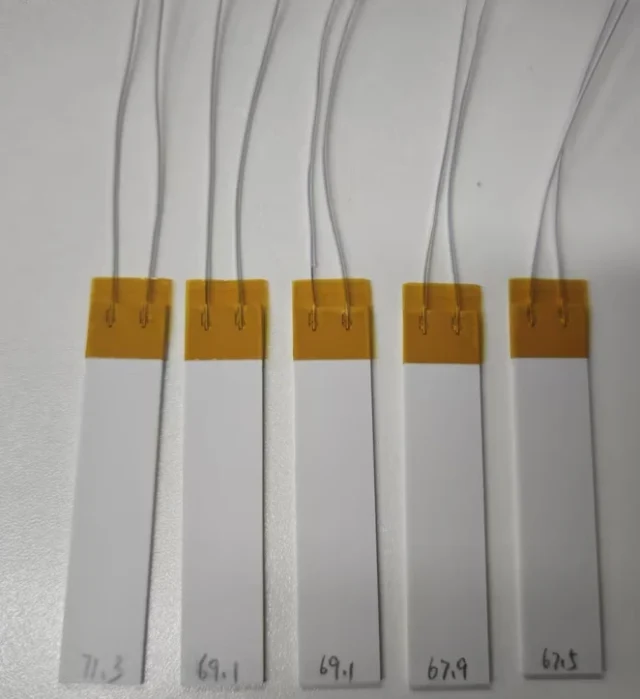
The basic idea is straightforward: a ceramic-based heater integrates the heating function into a small ceramic structure. When powered, the heating path generates heat, and the ceramic body helps conduct that heat toward the working surface.
For a straightener, this matters because there is limited room inside the housing. The heater must sit close to the plate, respond quickly, and work within the mechanical design of the product.

Why fast heat-up matters
Fast heat-up is not just a marketing feature. It affects how the appliance feels in daily use.
A straightener that reaches temperature quickly is more convenient for users. It also helps brands design products for modern beauty routines, where buyers often compare preheating time, temperature stability, and ease of use.
MCH ceramic heaters are a practical fit for this type of application because they are associated with fast temperature rise in small-format heating designs. For purchasing teams, the key is not just asking whether a heater is “fast,” but checking how it performs in the actual plate structure, voltage design, and control system.

Why ceramic structure is useful in a compact appliance
Hair straighteners are narrow, handheld, and exposed to repeated heating cycles. The heater must fit into a tight assembly without making the product too thick or complicated.
A ceramic heater structure can support compact design because the heating element and ceramic body are arranged as one heating component. This can make it easier for engineers to place the heater near the styling plate and keep the internal layout clean.
However, the ceramic heater should not be judged alone. The plate material, sensor position, controller, insulation, and assembly pressure all affect the final heating behavior. A good heater can still perform poorly if the whole thermal design is not matched.
What buyers should check before selecting an MCH heater
For hair straightener projects, buyers should ask for application-specific data rather than relying on general claims. Useful checks include:
– Whether the heater size matches the plate and housing design
– Whether the heat-up behavior is tested in the full straightener assembly
– Whether the temperature distribution across the plate is acceptable
– Whether the heater works with the planned voltage and control method
– Whether the supplier can support stable quality for repeated production
– Whether ceramic materials and production controls meet the product’s reliability needs
If your product is aimed at professional or premium consumer use, temperature uniformity and long-term stability may be just as important as fast heat-up.
Common mistake: choosing only by heat-up speed
A very fast heater is not automatically the right heater. If the heat is not well transferred to the plate, the user may still experience uneven styling. If the control system is not matched, the appliance may overshoot or fluctuate.
The better approach is to evaluate the heater as part of the full thermal system. For hair straighteners, that means looking at the ceramic heater, plate, sensor, controller, insulation, and mechanical contact together.

Practical recommendation
MCH ceramic heaters are used in hair straighteners because they fit the core needs of the product: compact structure, rapid heating, and suitability for small beauty appliances. When sourcing, do not stop at the heater specification sheet. Test the heater inside the real straightener design, confirm the temperature behavior across the plate, and verify production consistency before moving to volume orders.