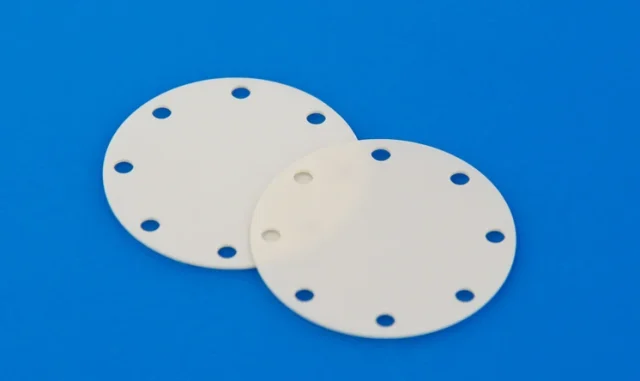
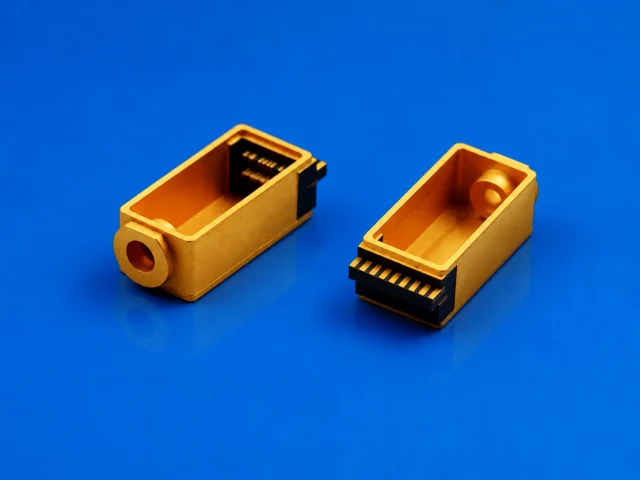
With the advancement of SiC, GaN power devices and high-power electronic systems, ceramic metallization processes such as DBC (Direct Bonded Copper) and DPC (Direct Plated Copper) are placing higher demands on AlN substrates in terms of dimensional stability, flatness, surface condition, thermal conductivity, and batch consistency.
For DBC, DPC processing companies and power module packaging manufacturers, an often overlooked issue in production is that product processing yields may still fluctuate across different batches, even when subsequent metallization process parameters remain largely stable.
Such issues do not necessarily stem from the metallization process itself. When there are variations in thickness tolerance, flatness, surface quality, and internal defects of AlN substrate blanks—the base material for subsequent processing—these differences may be further amplified during metallization, patterning, and dicing, ultimately resulting in abnormal interface bonding, processing-induced cracking, dimensional deviations, or changes in process windows between batches.
Therefore, for DBC and DPC projects requiring long-term mass production, the procurement criteria for substrate blanks should not be limited to material grade and dimensional specifications alone; it is also essential to ensure that they can consistently meet subsequent process requirements regarding dimensions, surface quality, and uniformity.
1. Why should DBC and DPC manufacturing pay attention to AlN substrate blanks?
In actual production, AlN substrate blanks are not the final metallized products but rather the base materials for subsequent processing. The original condition of the substrate directly affects the processing window when it enters processes such as DBC and DPC.
For example:
• Insufficient flatness may affect vacuum adsorption, fixture alignment, and subsequent lamination quality;
• Large variations in thickness and TTV ( Total Thickness Variation ) may reduce consistency in product structural dimensions and thermal paths;
• Unstable surface roughness or cleanliness may increase the risk of anomalies during subsequent metal layer processing;
• Defects such as chipping and microcracks may further propagate during handling, metallization, or dicing.
Therefore, for continuous production projects, the buyer should focus not on whether a single sample meets specifications, but rather on whether the supplier can maintain consistent material quality across different batches.
2. When purchasing AlN substrate blanks, which parameters should be carefully verified?
For subsequent processing projects such as DBC and DPC, it is recommended to confirm both material properties and geometric and surface quality specifications during the procurement phase.
| Key Parameters | Focus of Procurement & Incoming Inspection | Impacts on Subsequent Processing |
|---|---|---|
| Material & Thermal Conductivity | AlN material grade, specified thermal conductivity and test methods | Meet thermal management design requirements of products |
| Overall Dimensions | Length, width dimensions and tolerances | Affect fixture matching, processing layout and material utilization rate |
| Thickness & TTV | Target thickness, thickness tolerance and in-plane uniformity | Affect structural dimensions, thermal resistance and assembly consistency |
| Flatness / Warpage | Overall plate flatness and corresponding test methods | Affect vacuum adsorption, positioning and stability of follow-up processes |
| Surface Roughness | Target Ra range and uniformity | Affect interfacial contact and metallization processing afterward |
| Surface Cleanliness | Contaminants, abrasive residues and surface defects | Reduce risks of abnormal interfacial processing |
| Edge & Internal Defects | Control of edge chipping, cracks and other flaws | Lower risk of substrate cracking during post-processing and dicing |
| Batch Consistency | Fluctuation range of key parameters across different batches | Cut down frequent adjustments of process parameters on production lines |
There is no universal threshold applicable to all projects for these parameters. During actual procurement, confirmation should be made based on the customer’s DBC/DPC process route, equipment conditions, final chip dimensions, and quality acceptance criteria.
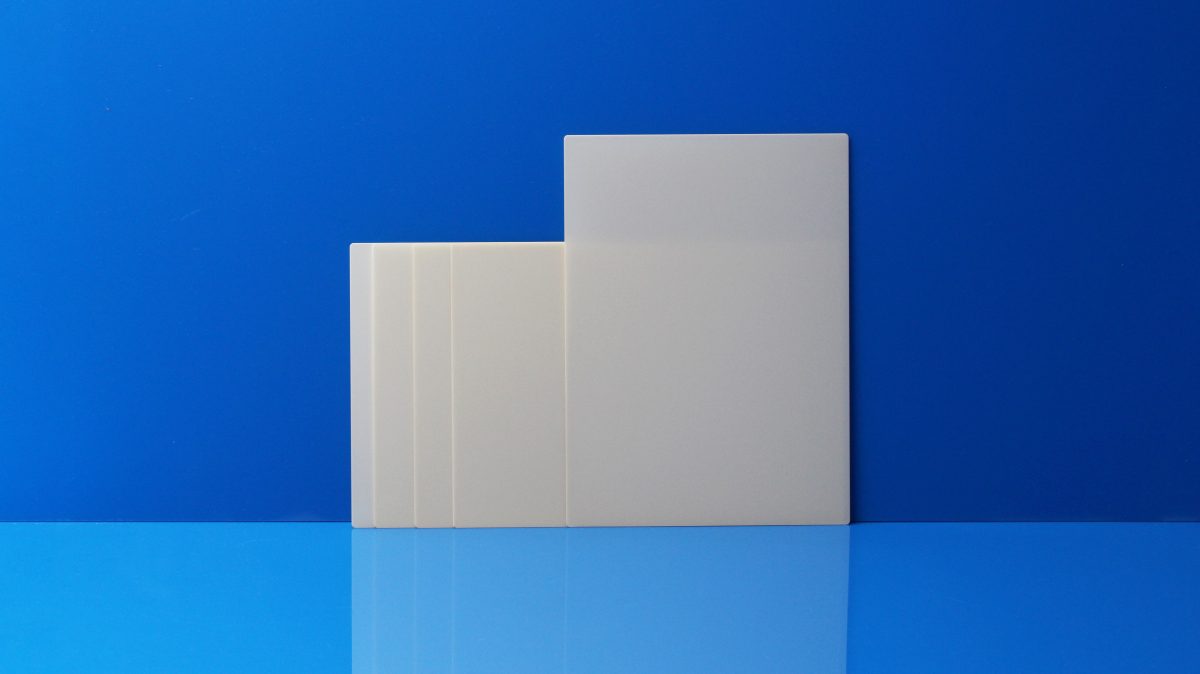
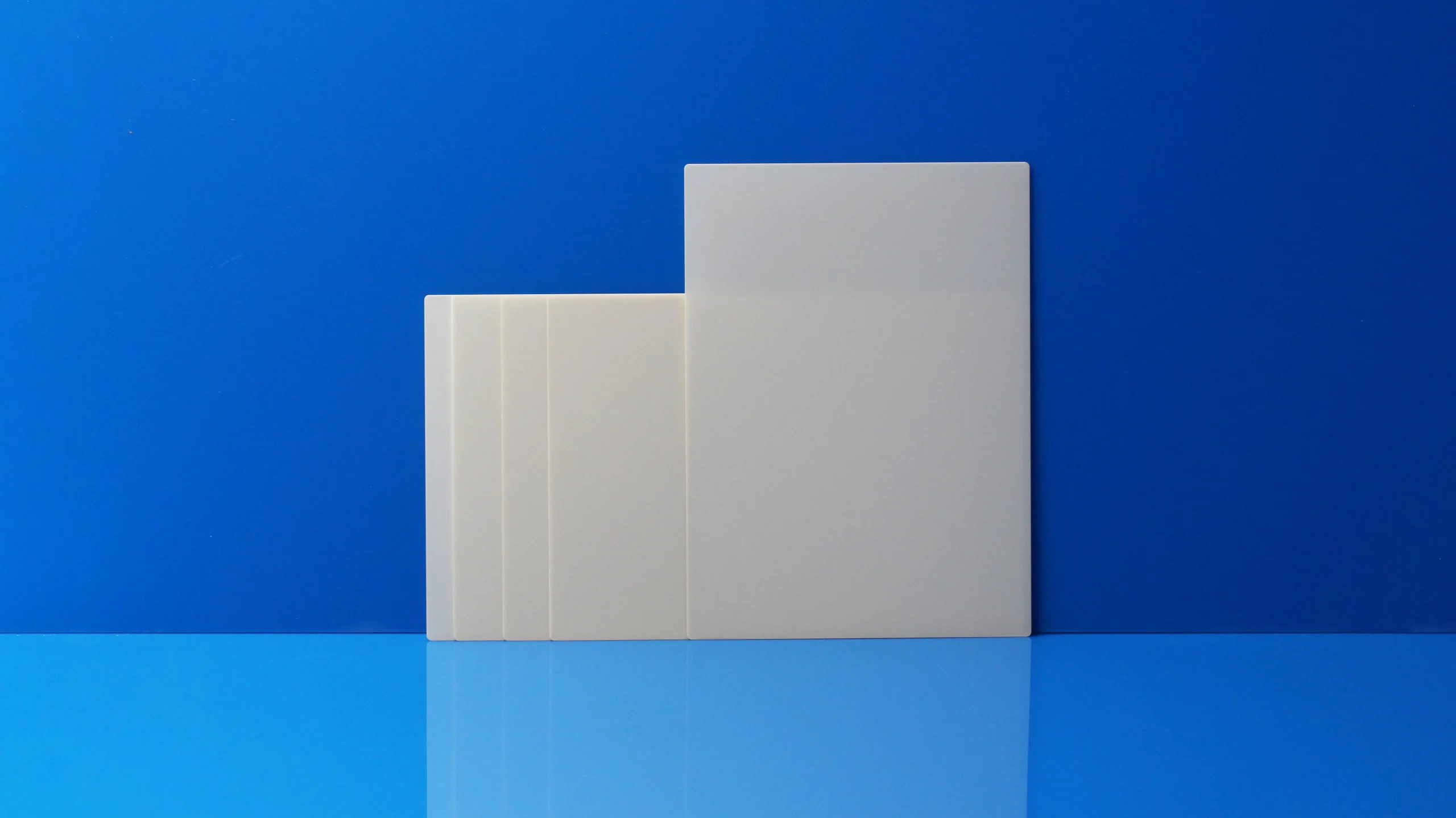
3. Large-sized AlN substrate of 138 × 190 mm: Why is consistency more crucial when making a purchase?
For projects that require array processing and batch slicing, the 138 × 190 mm large-sized AlN substrate can provide a larger effective area for subsequent layout and processing.
However, as the size increases, the flatness, thickness uniformity and surface condition control of the substrate become even more crucial. For a large-sized substrate that requires further slicing processing, local defects do not only affect a single product, but may also impact multiple subsequent units in the same area.
Therefore, when purchasing 138 × 190 mm AlN substrates, in addition to confirming the specifications of each individual piece, it is also recommended to pay particular attention to the following checks:
The uniformity of the plate thickness, the overall flatness, the surface quality, and the consistency among different batches.
For batch production projects, stable batch quality is usually more valuable for actual procurement than the extreme performance in a single sample. Whether the supplier can consistently provide stable substrates will directly affect the incoming material screening cost for the customer and the frequency of subsequent process adjustments.
4. How can the purchase of AlN substrates be matched with subsequent processes?
The selection of the specifications for the AlN substrate should not be carried out independently of the subsequent processing conditions. For customers who are currently developing DBC, DPC projects or importing suppliers, it is recommended to clearly define simultaneously during the sample evaluation stage:
• Target dimensions and thickness of the substrate;
• Subsequent processing techniques and equipment conditions;
• Final splitting dimensions and layout method;
• Key indicators such as flatness, TTV, and surface roughness;
• Thermal conductivity requirements and corresponding testing methods;
• Incoming material inspection items and batch consistency requirements.
These pieces of information can help suppliers more accurately determine the matching relationship between the substrate specifications and the customer’s process. They also facilitate the establishment of quality acceptance standards in advance for bulk purchases, thereby reducing the risks of process adjustments and trial production caused by changes in material conditions later on.

Innovacera AlN substrate supply solution
Innovacera can provide large-sized AlN substrates with dimensions of 138 × 190 mm, covering common thickness specifications such as 0.635 mm and 1.0 mm. These substrates can be used as the initial base materials for DBC, DPC and other subsequent precision processing procedures.
According to the requirements of different projects, the specifications can be matched based on the customer’s dimensions, thickness, surface condition and process requirements, providing corresponding substrate solutions for R&D verification and batch procurement.
If you are developing projects related to DBC, DPC or other AlN substrates, please provide the following information when placing an order:
Target size and thickness, subsequent processing techniques, final assembly size, key quality indicators, and estimated purchase quantity.
Innovacera can assist in evaluating the appropriate AlN substrate specifications based on your specific process and quality requirements.
For more detailed specifications and supply solutions of AlN substrates, please feel free to contact the Innovacera team at sales@innovacera.com.