As industries such as semiconductor thin-film deposition, precision optical coating, and functional coatings continue to advance toward higher precision and reliability, the demands on equipment—including PVD, CVD, vacuum evaporation, and plasma processing—have steadily increased regarding chamber vacuum stability, electrical insulation performance, and long-term component reliability.
During operation, vacuum coating equipment demands a long-term stable vacuum environment, as well as reliable transmission of external power and signals into the chamber. Nevertheless, under high-temperature, RF, high-voltage and plasma working conditions, conventional connection structures are prone to degraded insulation performance, material outgassing, insufficient sealing reliability and thermal cycling failure.
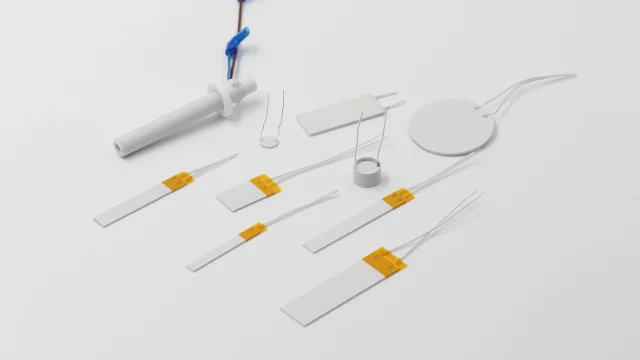
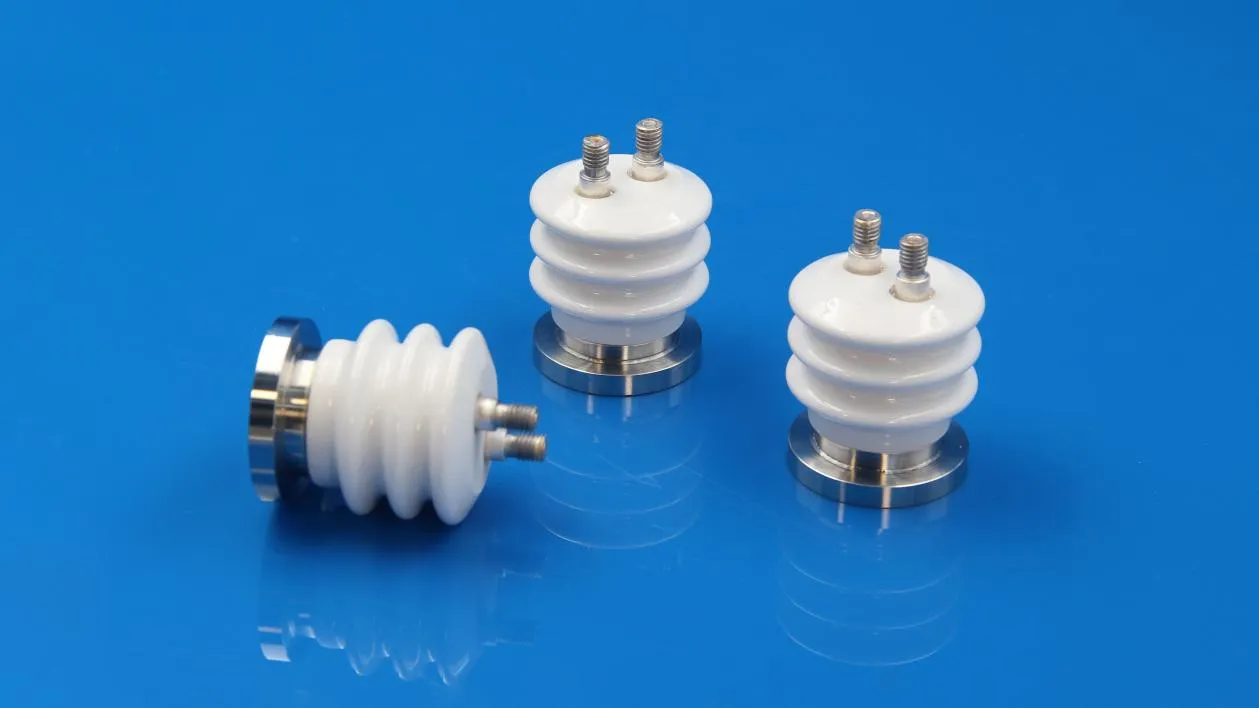
Ceramic-to-metal sealing components combine the excellent insulation and low outgassing properties of high-purity ceramics with the superior electrical conductivity and mechanical strength of metals through reliable bonding. This integration enables dual functions of vacuum sealing and electrical isolation, making them critical precision components in high-vacuum coating equipment.
I. What requirements do vacuum coating equipment impose on ceramic-metal sealing components?
PVD, CVD, and plasma equipment typically involve high vacuum, high temperature, high voltage electric fields, and reactive gas environments, requiring internal components to meet multiple performance criteria simultaneously.
| Core Requirement | Equipment Operation Challenge | Function of Ceramic-Metal Sealed Assembly |
|---|---|---|
| Vacuum Sealing | Prevent tiny leaks from affecting the vacuum stability of the chamber | Provide a reliable hermetic connection structure |
| Electrical Insulation | Avoid leakage and abnormal discharge under high voltage and RF environments | Realize insulation isolation between the conductor and the equipment chamber |
| Low Outgassing Performance | Prevent material outgassing from affecting film quality | Meet the cleanliness requirements of materials in high vacuum environments |
| Thermal Stability | Thermal stress generated by frequent temperature rise and fall of the equipment | Reduce the risk of cracking or failure of the sealing interface |
| Corrosion Resistance | Long-term exposure to plasma and process gases | Improve the long-term operation reliability of components |
Compared to conventional insulation structures, ceramic-metal sealed components can achieve a balance between vacuum, electrical, and mechanical performance, meeting the comprehensive requirements of high-end coating equipment for precision connectors.
II. Why is alumina ceramic suitable for vacuum-level sealing applications?
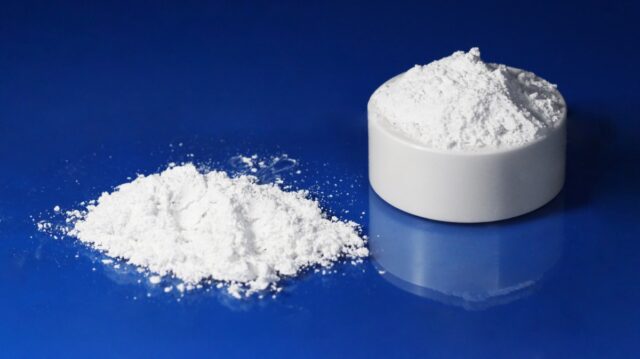
In the fields of vacuum equipment and semiconductor equipment, high-purity alumina ceramics (Al2O3) are widely used in insulation structures and ceramic-metal sealing components due to their stable physical and chemical properties.
High insulation performance, ensuring stable operation in high-voltage and radio frequency environments.
Alumina ceramics possess high volume resistivity and stable dielectric properties, and can effectively achieve electrical isolation in high-voltage and high-frequency application environments.
When applied to vacuum feedthroughs, electrode connections and insulation support structures, it can help reduce risks such as leakage and abnormal discharge, maintaining the stability of equipment operation.
2. Low gas release property, meeting the requirements of high vacuum cleanliness
The vacuum coating process is extremely strict in terms of controlling the contamination of the chamber.
High-density alumina ceramics do not contain organic components and have low gas release characteristics. Under reasonable and clean processing conditions, they can meet the material cleanliness requirements of most high-vacuum equipment, reducing gas pollution and particle risks.
3. High-temperature resistance and thermal cycling stability
The coating equipment usually undergoes repeated heating and cooling processes, and the sealing material needs to withstand the stress changes caused by long-term thermal cycling.
Alumina ceramics possess excellent high-temperature stability. By appropriately matching the metal materials, the interface stress caused by the thermal expansion difference between the ceramic and the metal can be reduced, thereby enhancing the sealing reliability.
4. Excellent resistance to plasma and chemical stability
In PVD, CVD and plasma processing equipment, the components may be exposed to active gases and plasma environments for a long time.
Alumina ceramics possess excellent chemical stability and corrosion resistance, which can meet the long-term usage requirements in most vacuum processing environments.
III. Key to the reliability of ceramic-metal bonding: Material matching and manufacturing process
Ceramics and metals belong to different material systems and cannot be reliably connected through ordinary welding methods. Therefore, the core of high-reliability ceramic-metal sealing not only lies in the selection of materials, but also depends on a complete process system.
Common high-reliability sealing solutions include:
High-purity alumina ceramic + metal transition piece + vacuum brazing structure
The main process steps include:
Metalization of ceramic surface
Alumina ceramics themselves cannot be directly welded to metals. Therefore, a ceramic metallization process is required to form a reliable metal connection layer on the surface of the ceramics, providing a foundation for subsequent brazing.
2. Metal material matching
Select the appropriate metal materials based on the application environment. For instance, materials with thermal expansion matching properties such as Kovar can reduce the thermal stress between ceramics and metals, thereby enhancing the sealing stability.
3. High vacuum brazing
Through precise temperature control and vacuum environment brazing, the ceramics and metals are firmly bonded together, meeting the requirements of high vacuum equipment for air tightness and long-term reliability.
Therefore, the performance of the ceramic-metal sealing assembly is not only determined by the ceramic material itself, but also by the capabilities of metallization, brazing, and dimensional accuracy control.
IV. Application of Ceramic-Metal Sealing Components in Vacuum Coating Equipment
| Equipment Type | Typical Application Components | Core Requirements |
|---|---|---|
| PVD Physical Vapor Deposition Equipment | High Voltage Feedthrough, Electrode Insulator, Signal Feedthrough Assembly | High Voltage Insulation, Vacuum Sealing, Long-term Stable Operation |
| CVD Chemical Vapor Deposition Equipment | Sensor Feedthrough, Electrical Connection Structure | Temperature Resistance, Low Outgassing, Corrosion Resistance |
| Plasma Processing Equipment | RF Feedthrough, Insulating Support | High Frequency Stability, Plasma Environment Resistance |
| Vacuum Evaporation Equipment | Electrode Connector, Insulation Isolation Assembly | Hermetic Reliability, Electrical Isolation |
These components are widely used in semiconductor manufacturing, optical coating, electronic device processing, and precision surface treatment equipment.
V. Innovacera Vacuum-level Ceramic-Metal Sealing Solution
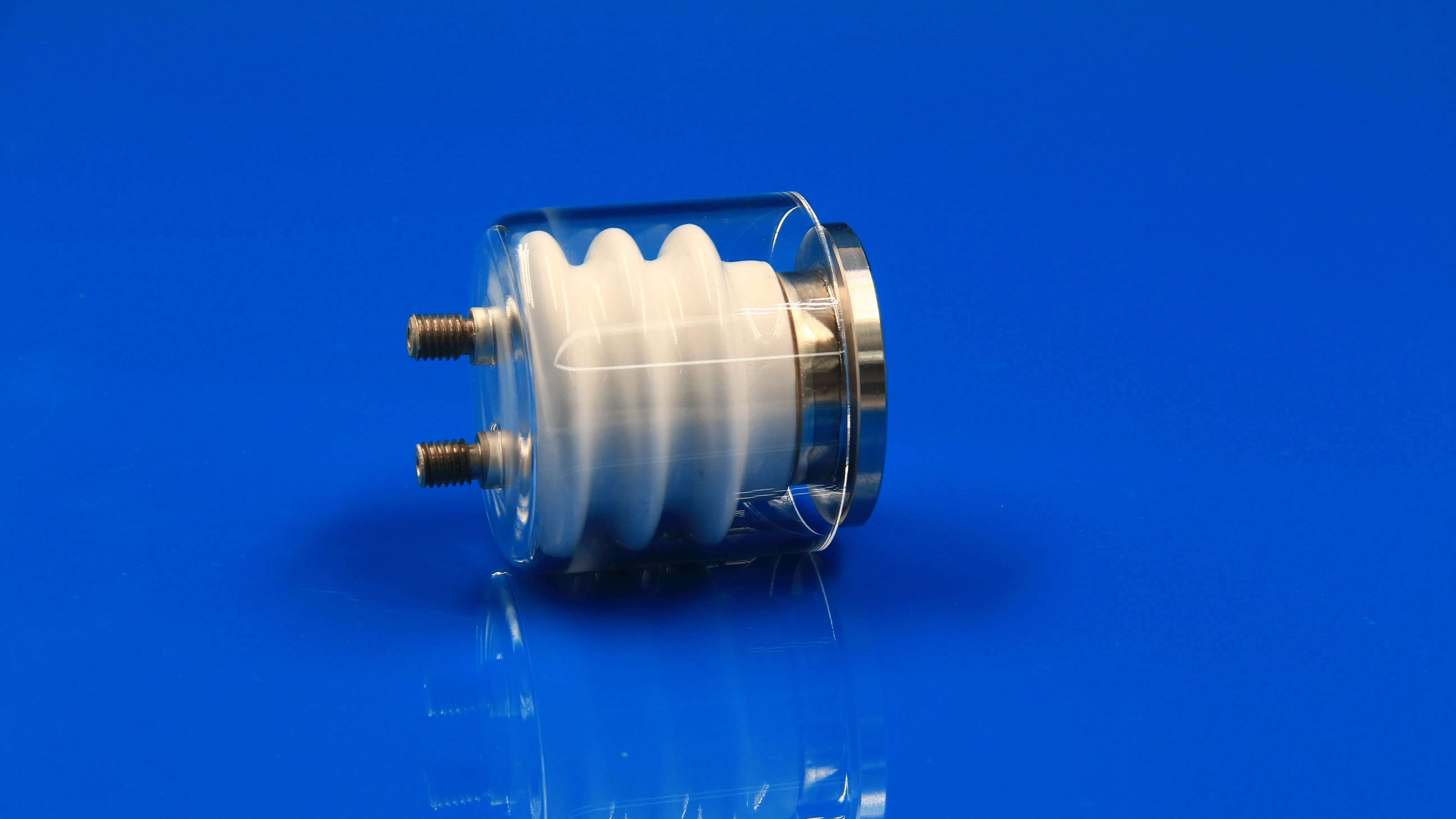
Innovacera possesses mature manufacturing capabilities in high-purity alumina ceramic processing, ceramic metallization, and vacuum brazing. It can provide customized ceramic-metal sealing components according to the specific requirements of different vacuum equipment applications.
The product can be applied to:
• Vacuum Feedthrough (Vacuum Feedthrough Component)
• High-voltage Insulation Assembly
• Ceramic-Metal Sealing Structure Component
• Electrical Connection Assembly for Vacuum Equipment
At the same time, it can be matched according to customer needs:
• Different voltage levels;
• Different interface forms (such as KF, CF, etc. vacuum interfaces);
• Different sizes and installation structures;
• Different working temperatures and vacuum environments.
If you are searching for ceramic-metal sealing parts for vacuum coating equipment, welcome to get in touch with the engineering team of Innovacera.
Email: sales@innovacera.com