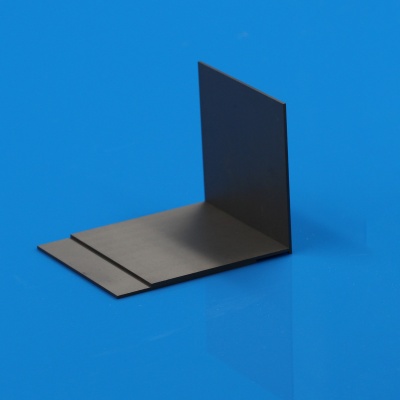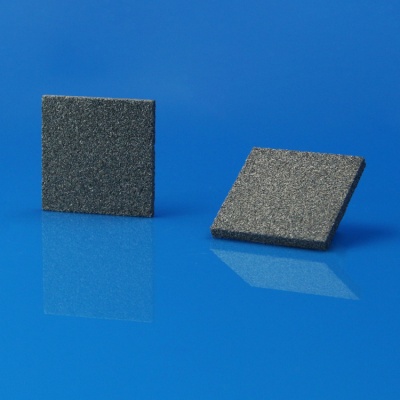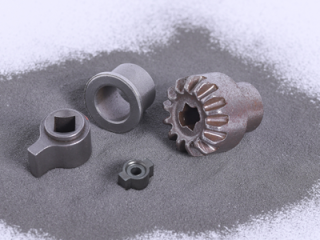
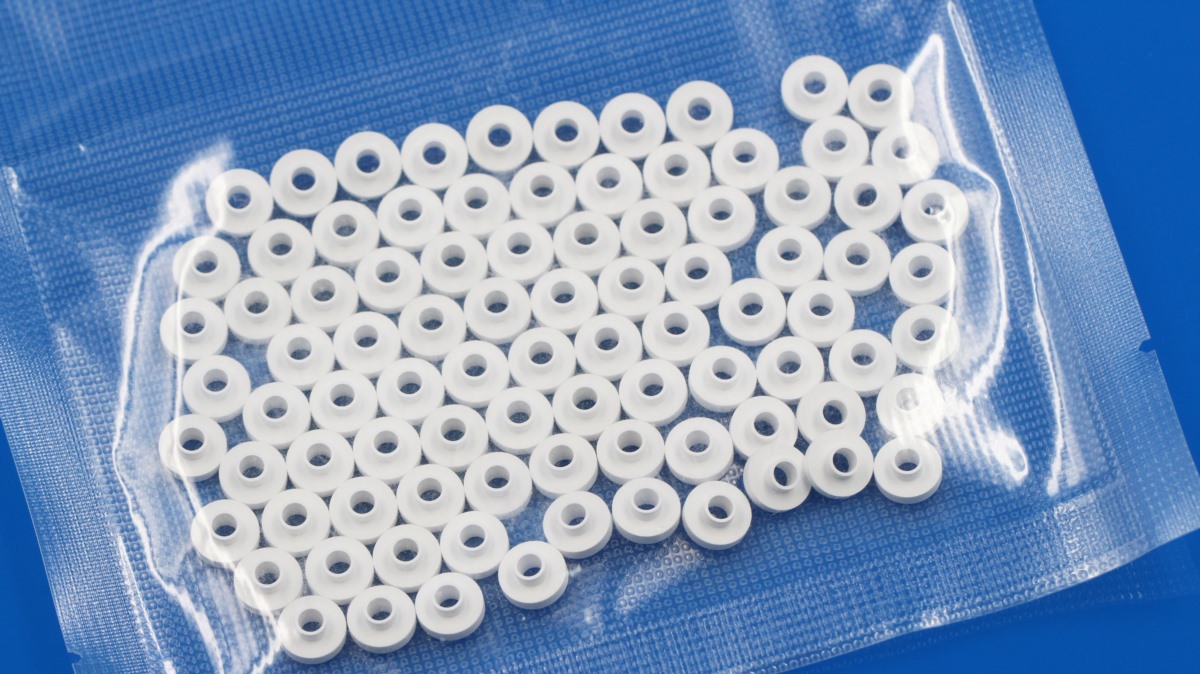
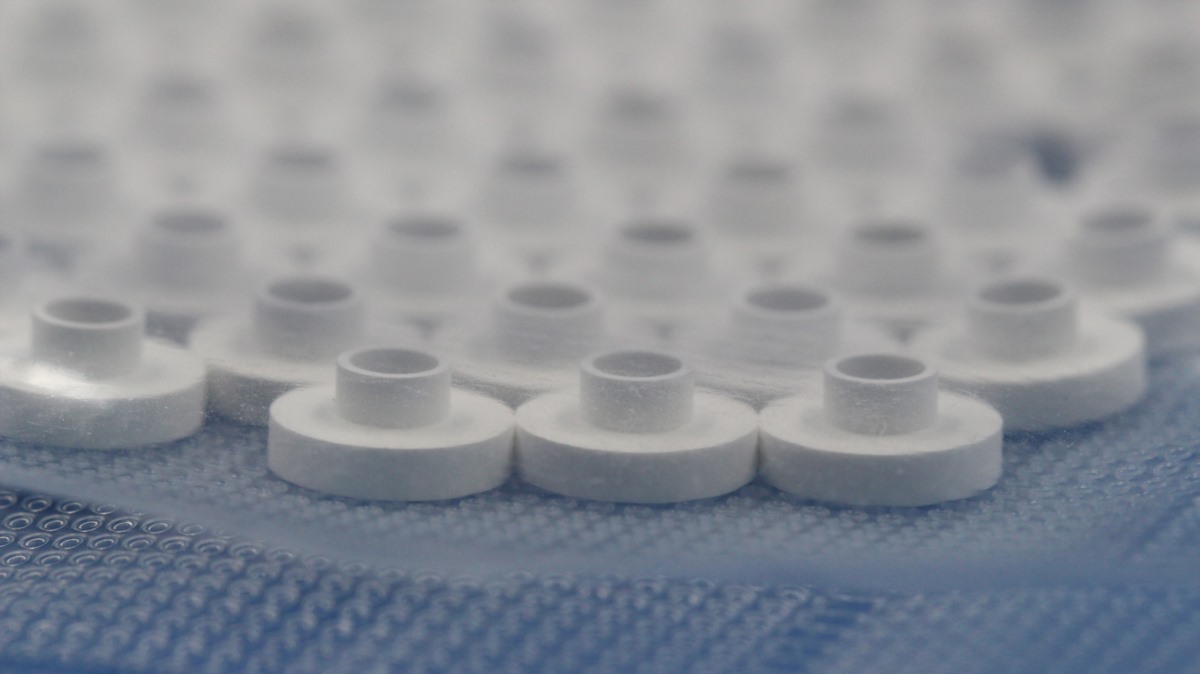
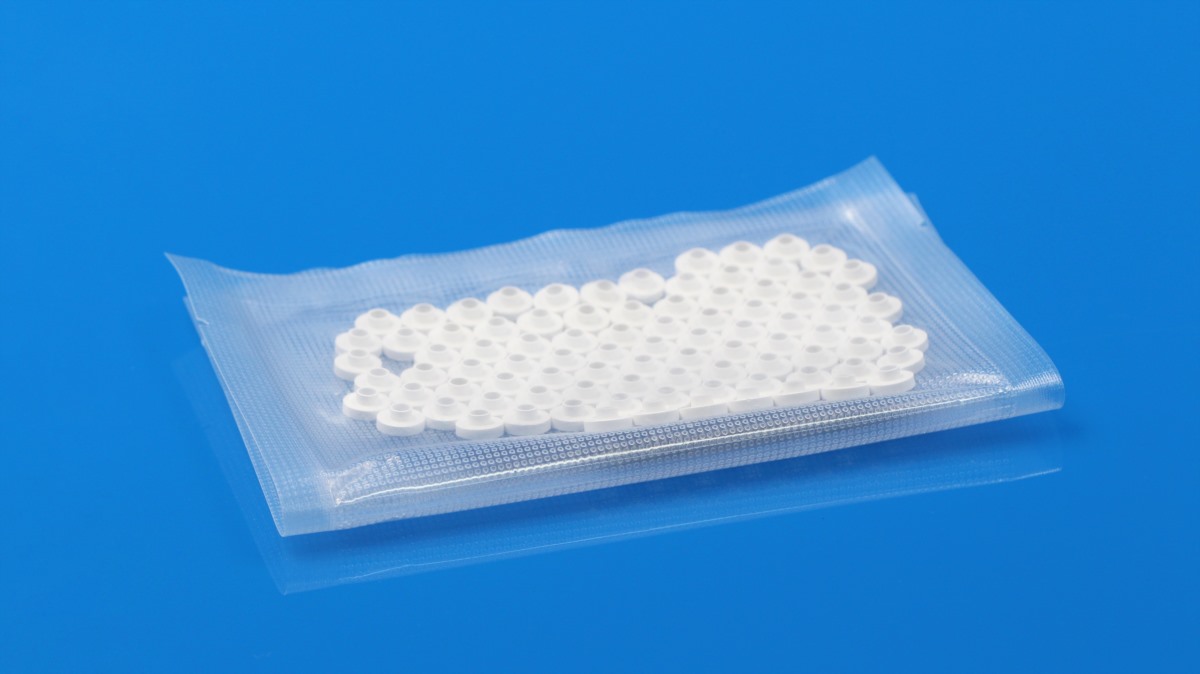
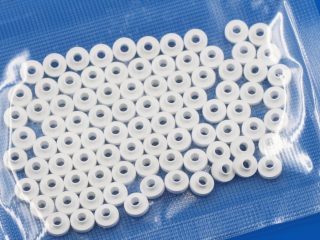
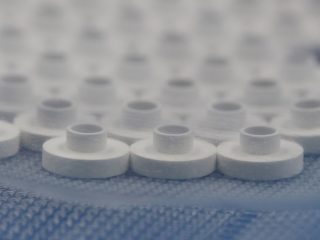
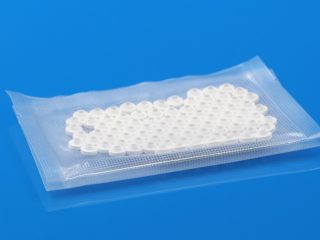
Ion source conditions are demanding high voltage, high temperature, plasma exposure, vacuum, and corrosive gases often exist at the same time. If the material is not stable, problems show up quickly. BN offers a balanced performance under these conditions.
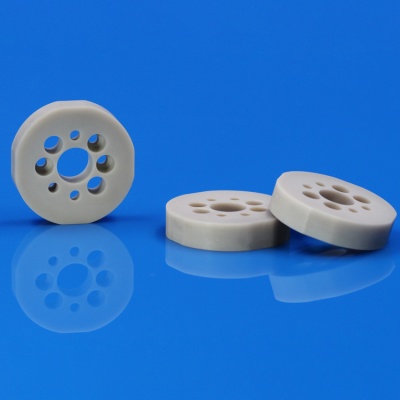
1. BN Insulators
Typical applications include:
- Isolation between anode and cathode
- Insulation between extraction electrodes
- Support insulation for high-voltage electrodes
At kV-level voltages, insulation stability is critical. If the material allows tracking or local breakdown, system reliability drops. BN has high volume resistivity. It remains stable under high voltage.
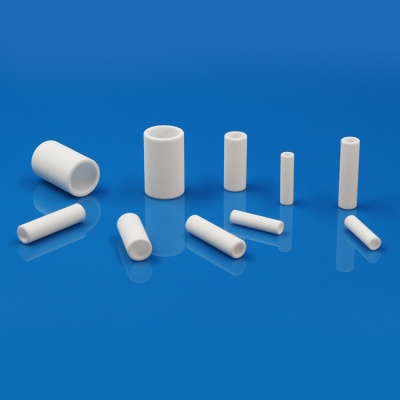
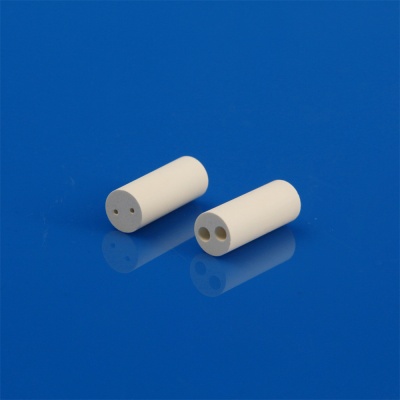
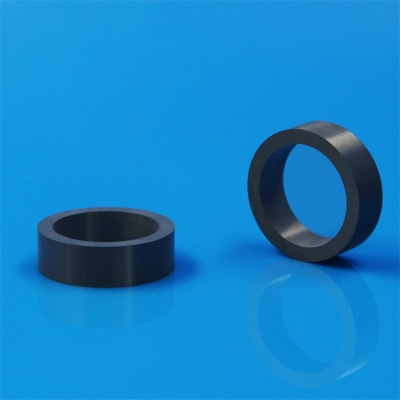
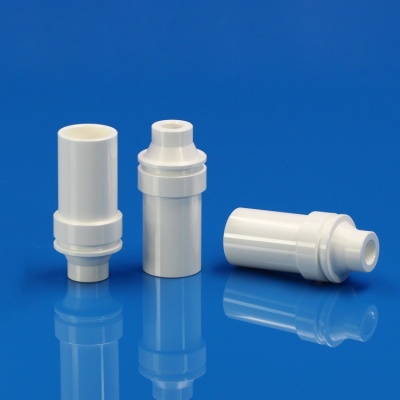
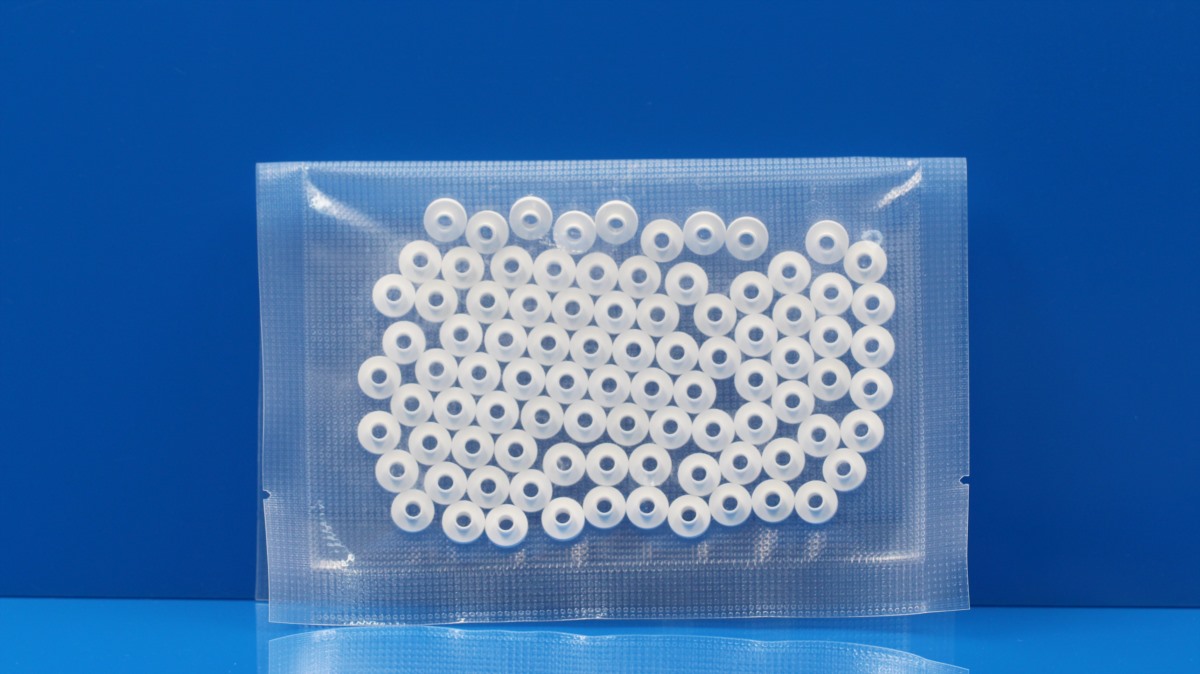
2. BN Ceramic Bushings
Bushings are usually installed where electrodes pass through chamber walls.
Their main functions:
- Electrically isolate electrodes from the chamber
- Protect high-voltage rods inside vacuum chambers
- Prevent direct metal-to-metal contact
In simple terms, they keep high voltage separated from grounded structures. Under plasma exposure, surfaces are constantly bombarded. BN generally lasts longer than standard alumina in these environments. Dimensional stability also matters. Internal spacing in ion sources is often tight and sensitive.
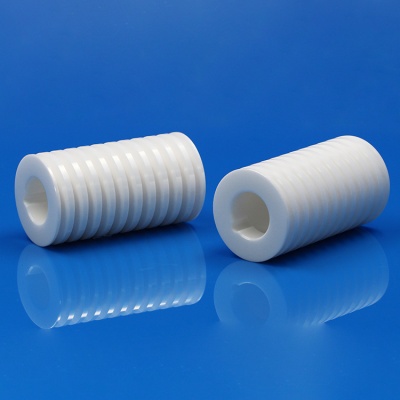
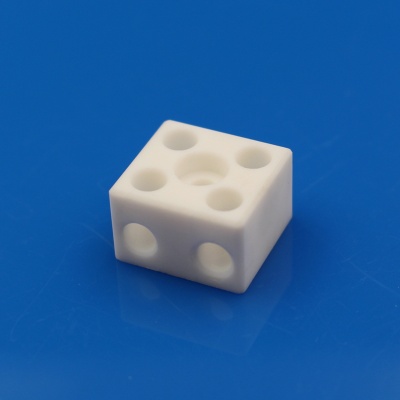
3. Insulating Supports
BN is also used for structural supports inside the ion source.
For example:
- Electrode positioning supports
- Filament holders
- Heater brackets
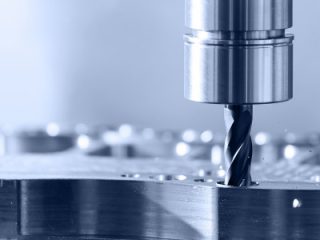
These parts often operate in high-temperature zones. If the material expands too much or cracks, alignment issues can occur. BN has a relatively low thermal expansion coefficient. It is also easy to machine. Compared to AlN, it is much more processing-friendly for complex parts.
Declaration: This is an original article of INNOVACERA®. Please indicate the source link when reprinting: https://www.innovacera.com/product/boron-nitride-bushing
Frequently Asked Questions
Why use boron nitride in ion sources? What are its main advantages over alumina and AlN?
Boron nitride (BN) offers exceptional stability under demanding ion source conditions, including high voltage, extreme heat, and plasma exposure. Compared to standard alumina, BN lasts significantly longer under constant plasma bombardment. Additionally, it features a lower thermal expansion coefficient to prevent alignment issues and is much easier to machine into complex parts than Aluminum Nitride (AlN).
What are the key applications of BN in ion sources? How do BN insulators and bushings work?
BN is primarily used for insulators, ceramic bushings, and internal structural supports. BN insulators provide critical high-voltage isolation between anodes, cathodes, and extraction electrodes to prevent electrical breakdown. Meanwhile, BN bushings electrically isolate high-voltage electrodes from grounded vacuum chamber walls, preventing metal-to-metal contact and ensuring system reliability in tight spaces.