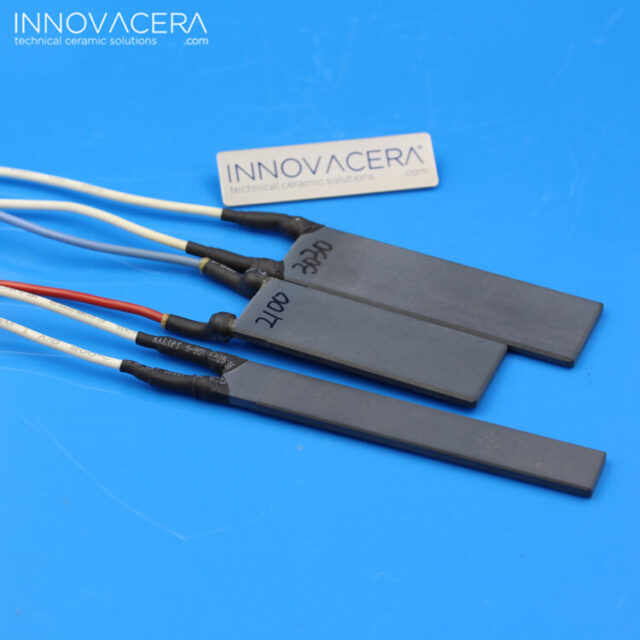
In gas-fired hot water boilers, gas pool heaters, and similar equipment, fast and reliable burner ignition is essential to the proper operation of the heating system. After receiving a heating command, the equipment must follow a preset sequence to complete air supply, gas delivery, and ignition. Once combustion becomes stable, the generated heat is transferred to water via the heat exchange system.
The ceramic igniter does not directly heat the water. Instead, it rapidly heats to the temperature required to ignite the gas during startup, helping the burner establish combustion.
As gas‑fired appliances advance toward higher efficiency, compact form factors and automated control, silicon nitride ceramics are seeing growing adoption in hot‑surface ignition systems for gas boilers, burners and gas pool heaters. They deliver fast thermal response, outstanding thermal‑shock resistance and robust high‑temperature mechanical performance.
I. How does the ceramic igniter work in a gas-fired hot water boiler?
The primary heat source in a gas-fired hot water boiler comes from the combustion of gas, not from the igniter itself. When heating is required, the control system activates the combustion system according to a preset program. In units using surface ignition, the ceramic igniter first receives power and heats up. Once the ignition area reaches the temperature required for reliable ignition, the gas enters the combustion chamber and is ignited.
After stable combustion is achieved, the generated heat is transferred via the heat exchanger to the circulating water, enabling functions such as domestic hot water supply, space heating, or pool water heating.
Although relatively small, the silicon nitride ceramic igniter plays an important role in the equipment startup process. For gas appliances requiring automatic start-up and shutdown, the igniter’s heating performance, installation position, and compatibility with the burner all significantly affect the actual ignition process.
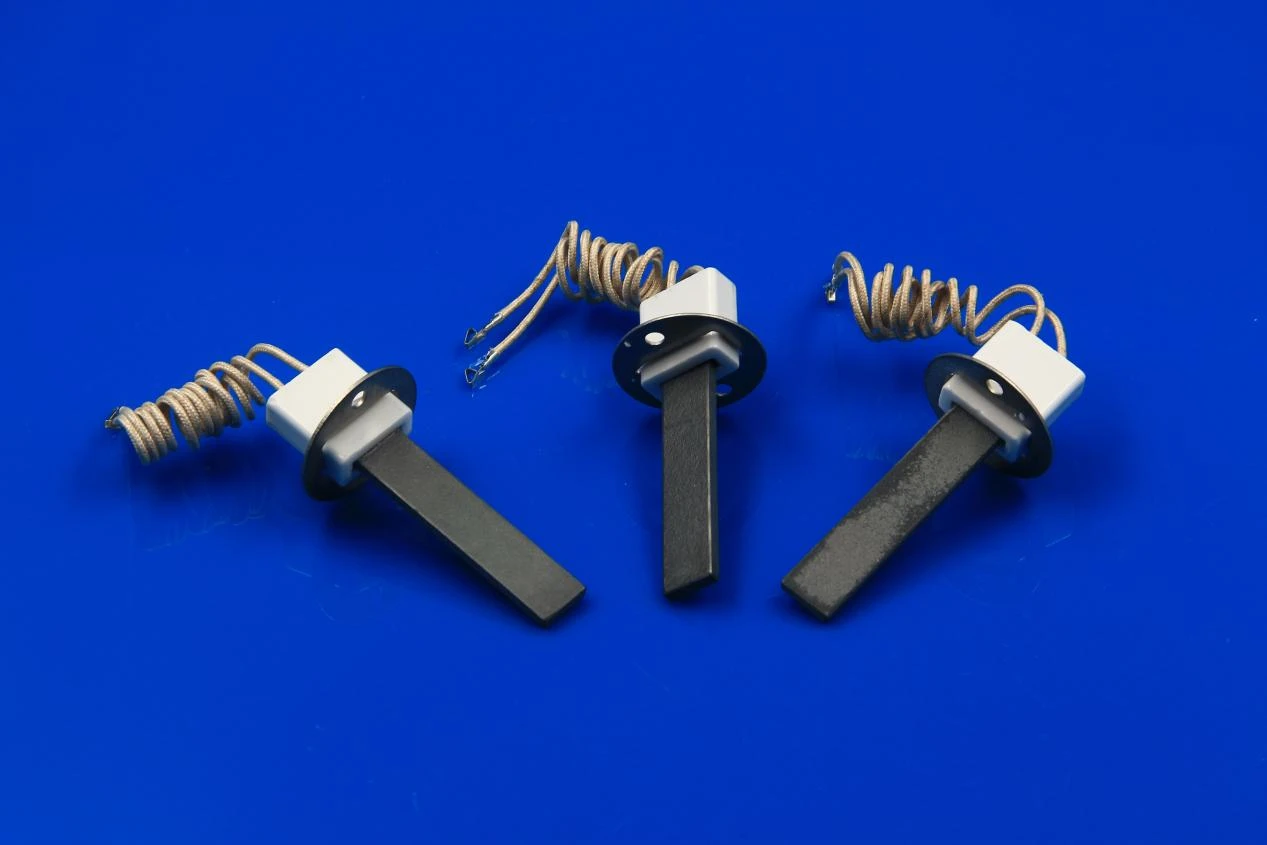
II. Why Is Silicon Nitride Used for Hot-Surface Igniters?
A hot-surface igniter must heat up rapidly and withstand repeated heating and cooling cycles during long-term operation. Therefore, simply reaching a high temperature is not enough; the material must also maintain reliable performance under repeated thermal cycling.
Silicon nitride is an engineering ceramic known for its good high-temperature mechanical properties and thermal shock resistance. Its high-temperature mechanical properties and resistance to thermal shock make it suitable for use in compact ceramic ignition components.
1. Rapid thermal response
The igniter needs to reach the temperature required for ignition within the time specified by the equipment control system. The silicon nitride ceramic heating element can achieve rapid thermal response through reasonable heating structure design, making it suitable for the automatic ignition process of burners.
2. Good thermal shock resistance
Gas equipment may undergo a large number of start-stop cycles during use, and the igniter also undergoes repeated rapid heating and cooling. The good thermal shock resistance of silicon nitride makes it suitable for such periodic high-temperature applications.
3. Good high-temperature mechanical properties
The igniter usually needs to extend into or be close to the combustion area, so in addition to the high-temperature environment, the installation, thermal cycling, and long-term operating conditions of the structure also need to be considered. Silicon nitride has good high-temperature mechanical properties, which can support the structural requirements of ceramic igniters used in combustion equipment.
4. Compact heating structure
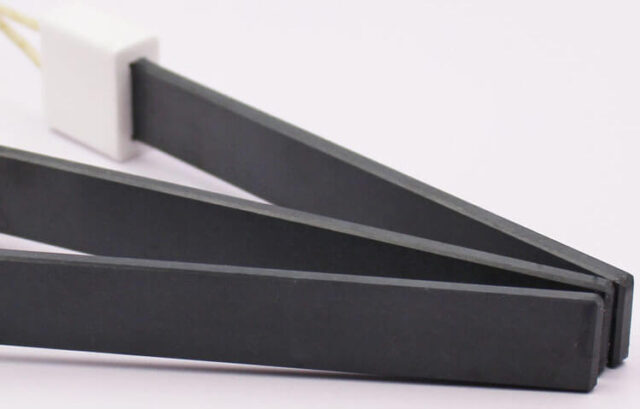
For gas boilers and burners with limited internal space, the igniter needs to obtain the required heat output within the limited size. Silicon nitride ceramic heating elements can be designed in compact geometries to meet the space constraints of different burners.
III. What are the requirements for the igniter in a premixed gas burner?
In the premixed combustion system, the gas and air are mixed in the prescribed ratio and then enter the burner to complete the combustion. During the equipment startup phase, the fan, gas supply, igniter, and control system need to cooperate according to the preset logic. Therefore, selecting a ceramic igniter for a premixed burner requires more than simply matching the voltage and power ratings.
The heating area must be positioned correctly within the burner to provide reliable ignition, and its size and installation structure need to match the internal space of the burner. At the same time, parameters such as working voltage, power, resistance, lead-in method, and actual working cycle also need to be considered. Especially in new burner development projects, there may be significant differences in the combustion structure, airflow design, and ignition position of different devices. Therefore, even if the same type of silicon nitride ceramic igniter is used, the igniter’s structure and electrical parameters may need to be adjusted accordingly.
For equipment manufacturers and burner R&D engineers, when choosing an igniter, they usually need to focus on confirming the following information:
| Selection Parameter | Content to Confirm |
|---|---|
| Working Voltage | Match with the equipment power supply and control system |
| Power / Resistance | Designed according to actual ignition requirements |
| Igniter Size | Match with the internal installation space of the burner |
| Heating Zone | Match with the gas outlet and actual ignition position |
| Mounting Structure | Determine the fixing method according to the burner structure |
| Lead Wire & Terminal | Match with the equipment electrical connection method |
| Ignition Cycle | Confirm according to equipment start-stop and working mode |
| Gas Type & Combustion Conditions | Evaluate according to the specific combustion system |
Therefore, the silicon nitride ceramic igniter suitable for the premixed burner is essentially the result of the matching of igniter parameters with the entire combustion system.
IV. The Role of Silicon Nitride Ceramic Igniters in Gas-Fired Pool Heating Equipment
The gas pool heater is also one of the notable application directions for silicon nitride ceramic igniters.
It should be clarified that the silicon nitride ceramic igniter does not directly heat the pool water. The main heat source is the gas combustion system.
When the water temperature in the pool is lower than the set temperature of the equipment, the control system activates the burner. The ceramic igniter is powered on and quickly heats up. During the start-up stage of the burner, the gas ignition is completed by the ceramic igniter. After stable gas combustion, heat is generated, which is then transferred to the circulating water through the heat exchanger, ultimately achieving the control of pool water temperature.
Therefore, in such devices, the silicon nitride ceramic igniter belongs to the starting ignition component within the combustion system.
For manufacturers of gas pool heaters, the igniter needs to be matched according to the burner structure, power supply system, installation space, and ignition control requirements of the equipment. Especially for different power levels and different structural combustion devices, different requirements may be imposed on the size, power, and heating area of the igniter.
V. INNOVACERA Silicon Nitride Ceramic Igniters
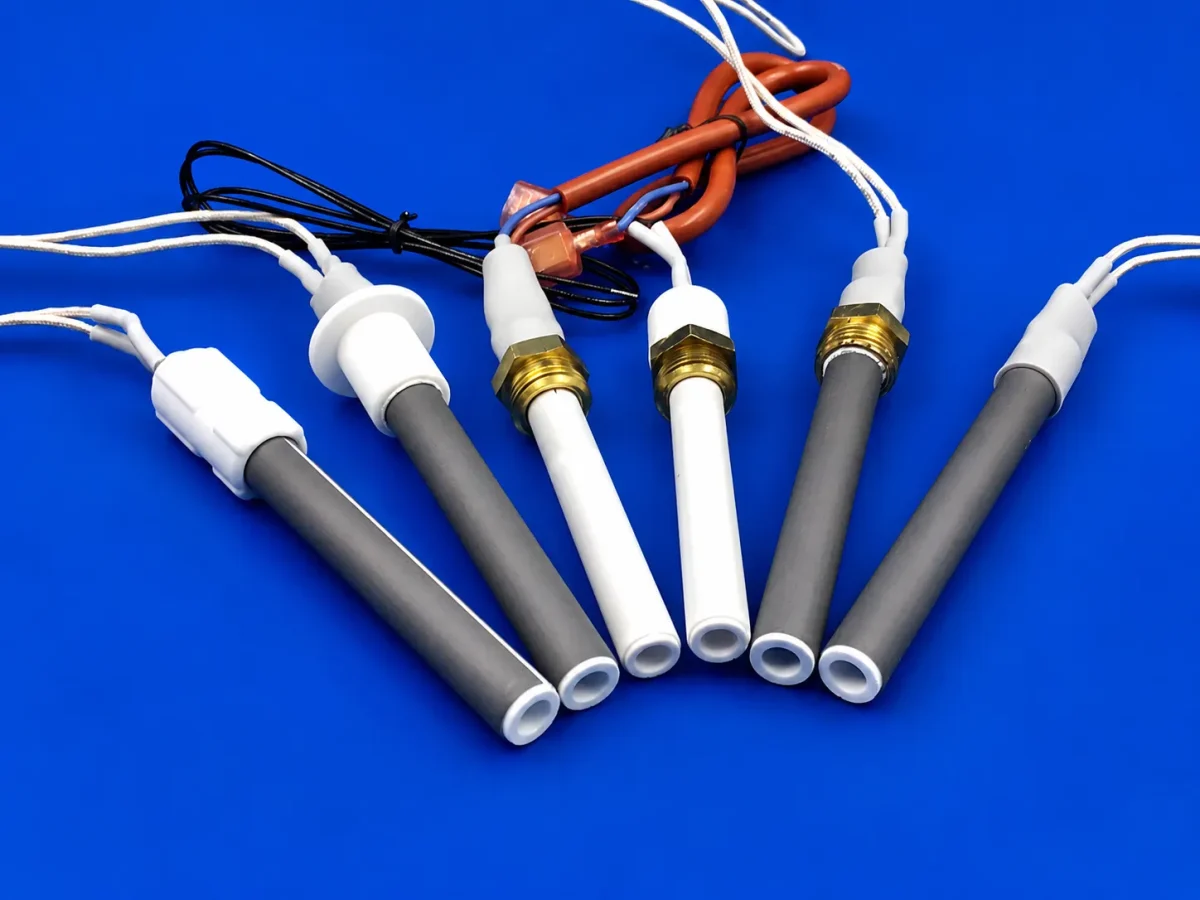
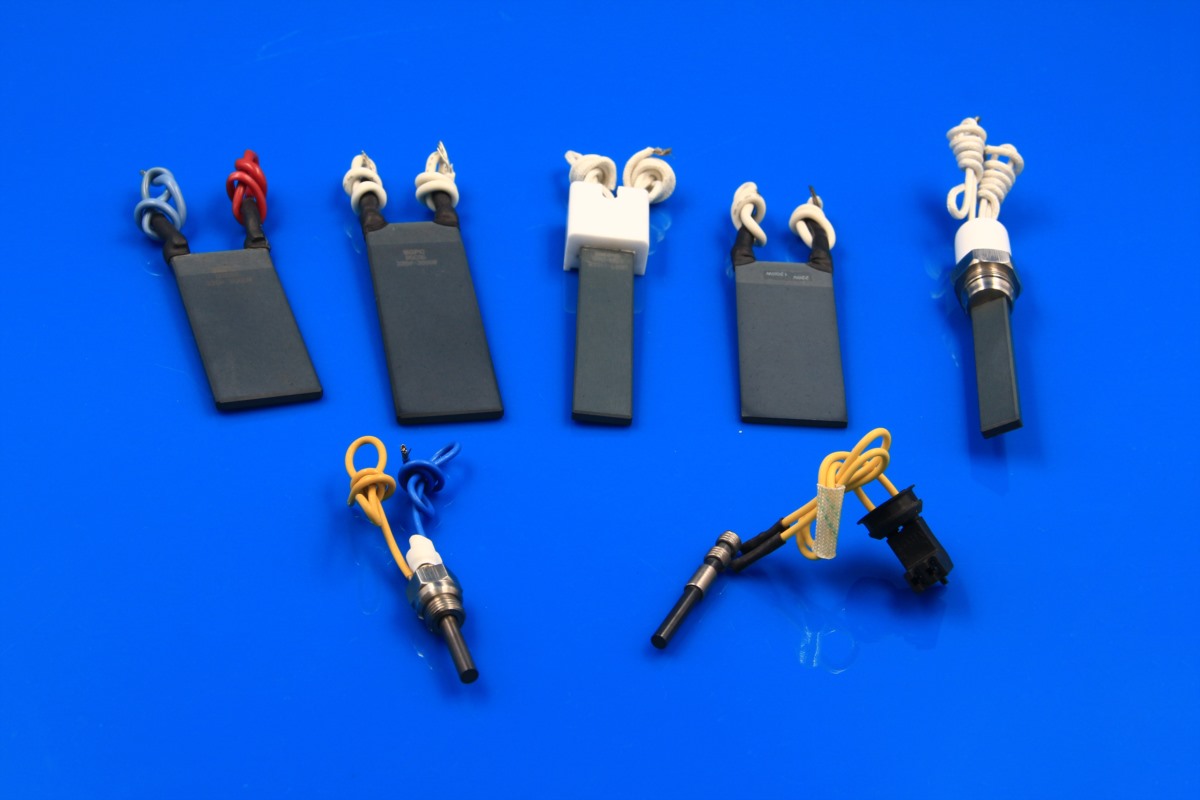
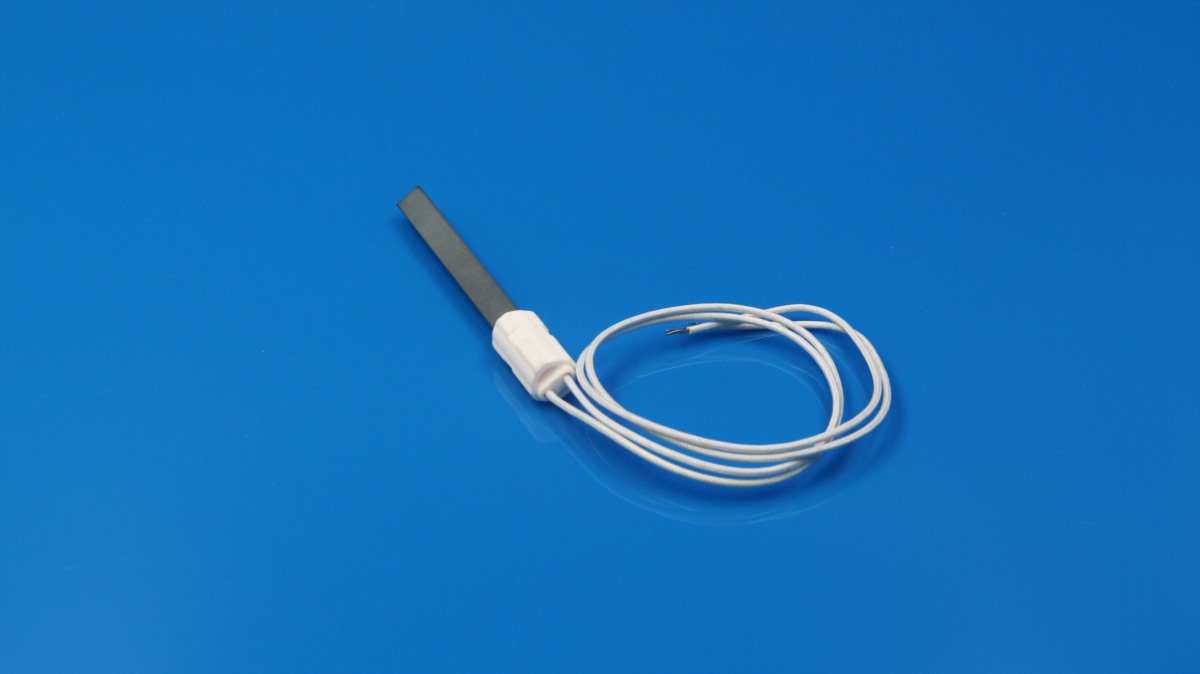
INNOVACERA offers silicon nitride ceramic igniters for gas boilers, hot water boilers, premixed gas burners, gas pool heating equipment, and other gas heating systems. These igniters can be customized to meet the electrical, dimensional, installation, and ignition requirements of different combustion systems.
For different projects, INNOVACERA can evaluate and adjust key parameters according to customer requirements. These may include operating voltage, power, resistance, heating element dimensions, heating area, installation structure, and lead configuration. For new product development projects, customers can provide existing samples, product drawings, burner structure, installation space, and basic electrical parameters to facilitate further determination of the appropriate igniter solution based on actual application.
For premixed gas burners, the igniter should not be selected independently as a standard component. Its actual performance needs to be matched with the burner structure, ignition position, airflow conditions, and control system. INNOVACERA provides customization support covering ceramic material selection, heating element design, product dimensions, and electrical parameters, helping gas equipment manufacturers and R&D engineers with igniter selection and development.
If necessary, please get in touch with sales@innovacera.com