

In the engineering design of aluminum nitride ceramic substrates, 0.635 mm and 1.0 mm are the two most common structural thickness options, widely used in front-end metallization processes such as DPC…

In the engineering design of aluminum nitride ceramic substrates, 0.635 mm and 1.0 mm are the two most common structural thickness options, widely used in front-end metallization processes such as DPC…

The operating life of power electronics systems is strongly influenced by temperature. Aluminum Nitride PCB Substrate extends this life by keeping devices cooler, delivering value that far exceeds any…
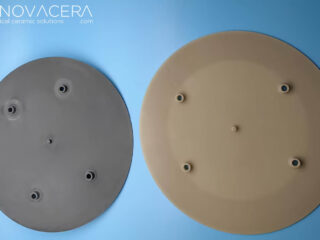
The evolution of power electronics technology places increasing demands on thermal management. AlN Ceramic Plate represents a material solution that keeps pace with these advancing requirements. The m…
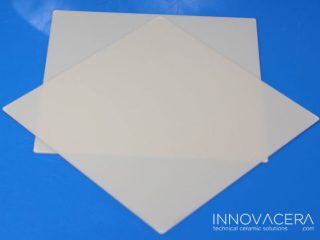
Aluminum Nitride Ceramic Substrate: Understanding Its Role in Modern Power electronics Systems When you’re working with power modules and thermal management systems, heat becomes one of those pr…

With the continuous upgrading of data centers, AI computing power, and high-speed communication networks, optical modules are rapidly evolving towards higher bandwidth, higher integration, and smaller…

Aluminum nitride is a non-natural existence of man-made crystals, with a hexagonal crystal system of fibrous zincite crystal structure, for the covalent bond is very strong compounds, lightweight, hig…
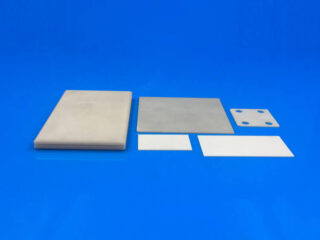
Ceramic substrate refers to copper foil directly bonded to alumina (Al2O3) or aluminum nitride (AlN) ceramic substrate surface (single or double sided) at high temperature on a special process plate. …