Aluminum Nitride Ceramic Substrate: Understanding Its Role in Modern Power electronics Systems
When you’re working with power modules and thermal management systems, heat becomes one of those problems that never really goes away. I found that, the right substrate material can make or break your entire thermal management strategy. That’s where Aluminum Nitride Ceramic Substrate comes into the picture.
What Exactly Is Aluminum Nitride Ceramic Substrate?
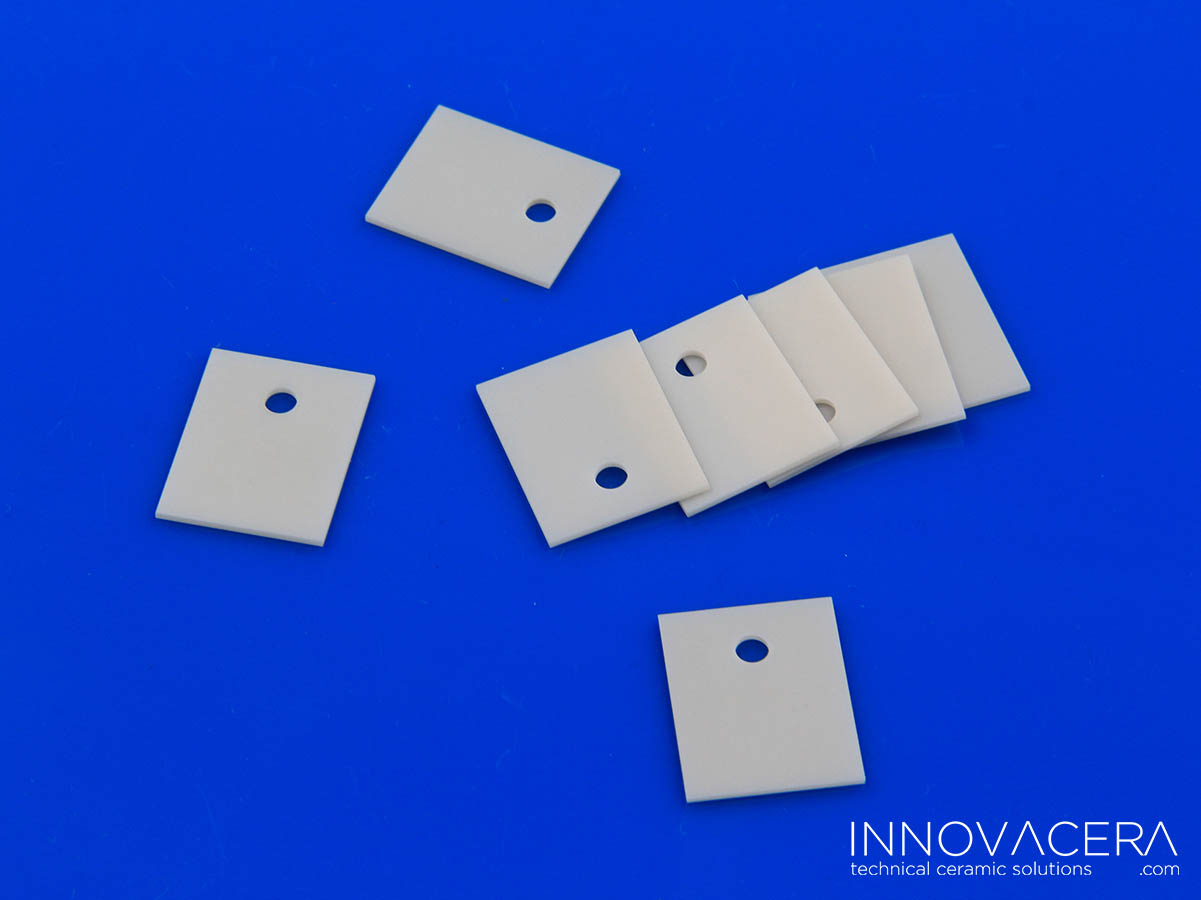
Let’s start with the basics. Aluminum Nitride Ceramic Substrate is a specialized ceramic material designed to handle high thermal conductivity while maintaining excellent electrical insulation. Unlike standard PCB materials like FR4, this substrate can transfer heat away from sensitive components much more efficiently.
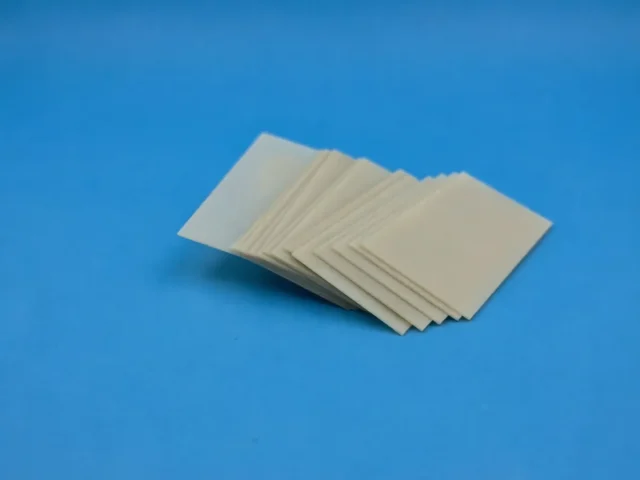
The material itself is made from aluminum nitride (AlN) powder that gets processed into dense ceramic plates. These plates serve as the foundation for building high-performance electronic circuits that need to stay cool under pressure.
Key Specifications and Properties
Here’s a look at what makes Aluminum Nitride Ceramic Substrate stand out from other substrate options:
| Property | Value | Test Method |
|---|---|---|
| Thermal Conductivity | 170-230 W/m·K | Laser Flash |
| Density | 3.26 g/cm³ | Archimedes |
| Flexural Strength | 300-400 MPa | 3-Point Bending |
| Dielectric Constant | 8.8-9.0 | 1 MHz |
| Thermal Expansion | 4.2-4.6 × 10⁻⁶/K | Dilatometry |
| Resistivity | >10¹⁴ Ω·cm | 4-Point Probe |
| Surface Roughness | Ra 0.3-0.6 μm | Profilometer |
| Standard Thickness | 0.25-2.0 mm | Calipers |
Why Power electronics Applications Need This Material
In power modules and thermal management systems, you’re dealing with power densities that keep climbing higher. Traditional substrates just can’t keep up. They either conduct heat poorly or fail to provide the electrical isolation you need.
Aluminum Nitride Ceramic Substrate solves both problems at once. It moves heat efficiently from the chip to the heatsink while keeping the electrical paths completely isolated. This dual function is critical when you’re working with IGBT and SiC power devices.
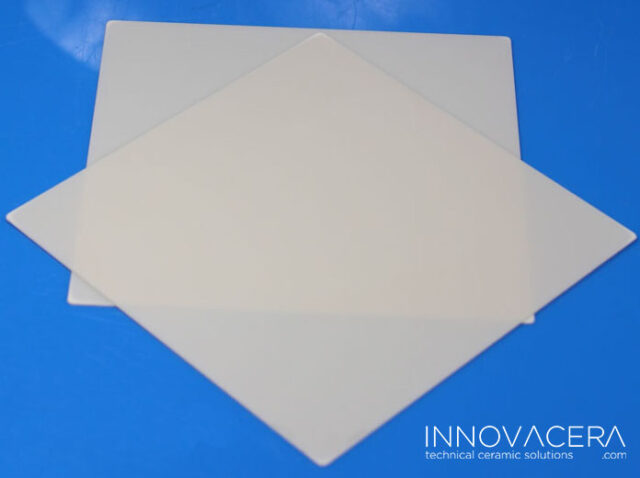
Aluminum Nitride Ceramic Substrate
The thermal conductivity of 170-230 W/m·K means heat spreads quickly across the substrate surface. Instead of hot spots forming directly under the chip, the heat distributes more evenly. Your device runs cooler, and that translates to longer life and better reliability.
Manufacturing and Processing Considerations
Getting the most out of Aluminum Nitride Ceramic Substrate requires attention to detail during manufacturing. The surface needs to be properly prepared before metallization. Any contamination or roughness will affect adhesion and thermal performance.
Most suppliers offer the substrate with different surface finishes. You can get it as-fired, lapped, or polished depending on your application needs. For direct bonding applications, a smoother surface usually works better.
The thickness range of 0.25-2.0 mm gives you flexibility in design. Thinner substrates work well for applications where weight matters. Thicker plates provide more mechanical strength and better heat spreading.
Real-World Performance Benefits
When you switch to Aluminum Nitride Ceramic Substrate from a standard alumina substrate, the difference in thermal performance is noticeable. Junction temperatures drop significantly. This matters because every 10°C reduction in temperature can double the life of semiconductor devices.
For IGBT and SiC power devices, this means you can push more power through the same package size. Or you can achieve the same performance with a smaller, lighter design. Either way, you gain an advantage in your end product.
The low thermal expansion coefficient also helps when you’re dealing with temperature cycling. It matches well with silicon and common semiconductor materials. Less stress means fewer failures over time.
Choosing the Right Supplier
Not all Aluminum Nitride Ceramic Substrate products are created equal. The manufacturing process, powder quality, and sintering conditions all affect the final properties. When you’re selecting a supplier, ask about their quality control processes and testing methods.
Look for suppliers who can provide consistent thermal conductivity values. Variations from batch to batch can cause problems in production. You want material that performs the same way every time you order it.
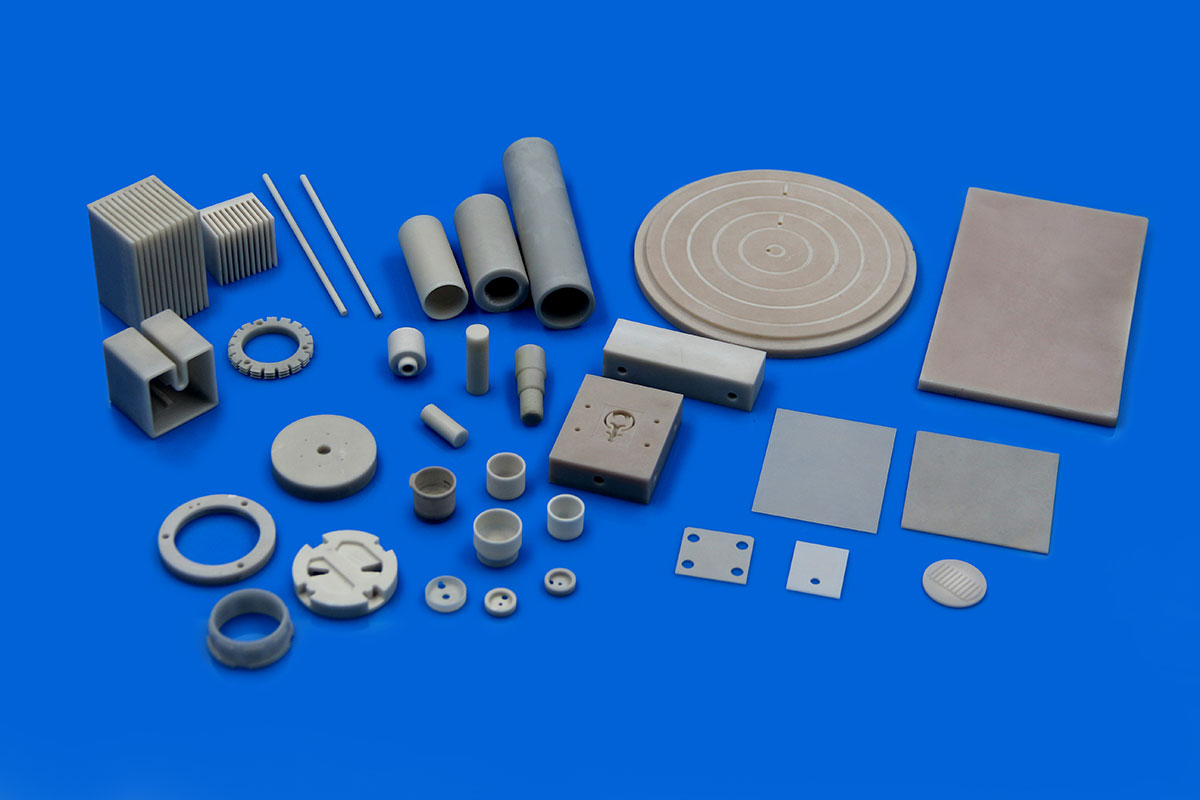
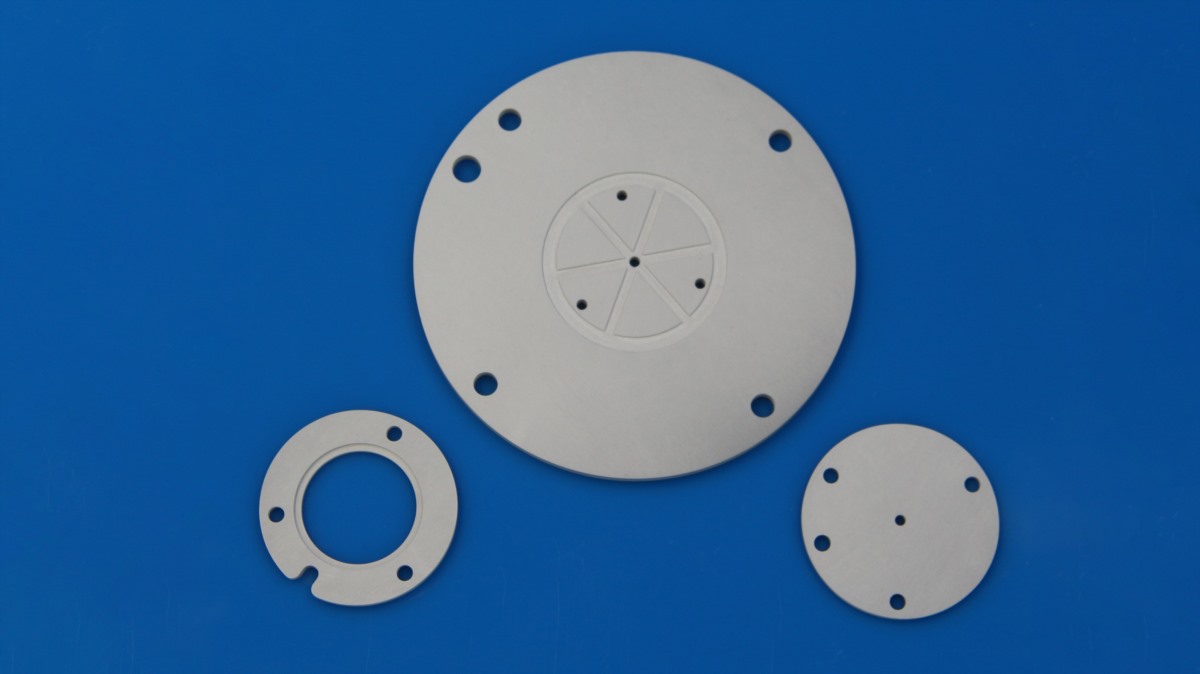
Customization options matter too. Can they provide the exact size and thickness you need? Do they offer metallization services or DPC/AMB processing? The more they can handle in-house, the easier your supply chain becomes.
Cost vs. Performance Considerations
There’s no getting around it – Aluminum nitride (AlN) Substrates costs more than standard alumina substrates. But the performance benefits often justify the premium. When you factor in improved reliability, longer device life, and the ability to handle higher power, the total cost of ownership can actually be lower.
For high-value applications like IGBT and SiC power devices, the extra cost is usually a small percentage of the total system cost. The improvement in performance and reliability more than pays for itself.
Future Trends and Developments
The demand for Aluminum Nitride Ceramic Substrate continues to grow as power densities increase. New applications in power electronics systems are emerging constantly. Suppliers are responding with larger production capacities and improved material properties.
We’re seeing development work on even higher thermal conductivity grades. Some experimental materials are reaching 250-280 W/m·K. While these aren’t widely available yet, they show where the technology is heading.
Integration with advanced packaging technologies is another trend. As devices get smaller and more complex, the substrate needs to do more than just provide thermal management. It becomes an active part of the package design.
Conclusion
Aluminum Nitride Ceramic Substrate represents a proven solution for thermal management challenges in power modules and thermal management systems. Its combination of high thermal conductivity and electrical insulation makes it hard to beat for demanding applications.
Whether you’re designing IGBT and SiC power devices or other high-power systems, Innovacera’s substrate solutions deserve serious consideration. The performance benefits are real, and the reliability improvements delivered by Innovacera can make a significant difference in your product’s success.