As the chemical fiber textile industry advances toward higher speed and automation levels, POY, FDY and DTY filament production lines are confronted with stricter requirements for yarn stability, breakage resistance and continuous production efficiency.
During spinning, texturing and winding processes, yarns travel through a series of guide components to ensure stable motion paths and uniform tension. As a key wear-resistant part for textile machinery, alumina ceramic pigtail guides effectively reduce friction-induced yarn damage and improve overall production stability.
Compared with conventional metal guides, high-purity alumina ceramic pigtail guides feature exceptional wear resistance, consistent dimensional accuracy and ultra-smooth surface finish, making them an indispensable component for high-speed synthetic fiber production equipment.
I. What requirements does high-speed synthetic fiber production impose on the guide components?
In the production process of polyester filament and textured yarn, the yarn must pass through multiple guide positions under high-speed continuous operation. The guide primarily serves the following functions:
• Guide the yarn along a preset path;
• Maintain consistent yarn tension;
• Minimize fiber damage caused by sliding friction;
• Reduce the risk of breakage and improve product consistency.
However, under prolonged high-speed friction conditions, traditional metal guide components are prone to surface scratches and wear. When the dimensions of the guiding area change, this may further affect production stability, for example:
• Increased yarn hairiness;
• Higher probability of broken ends;
• Product quality fluctuations;
• Increased equipment maintenance frequency.
Although guide nozzles are small components, their operating condition directly affects the production efficiency and product quality of spinning equipment. Therefore, selecting ceramic guide components with excellent wear resistance and stable machining precision has become a key focus for many chemical fiber manufacturers in optimizing equipment performance.
II. What is an alumina ceramic pigtail guide?
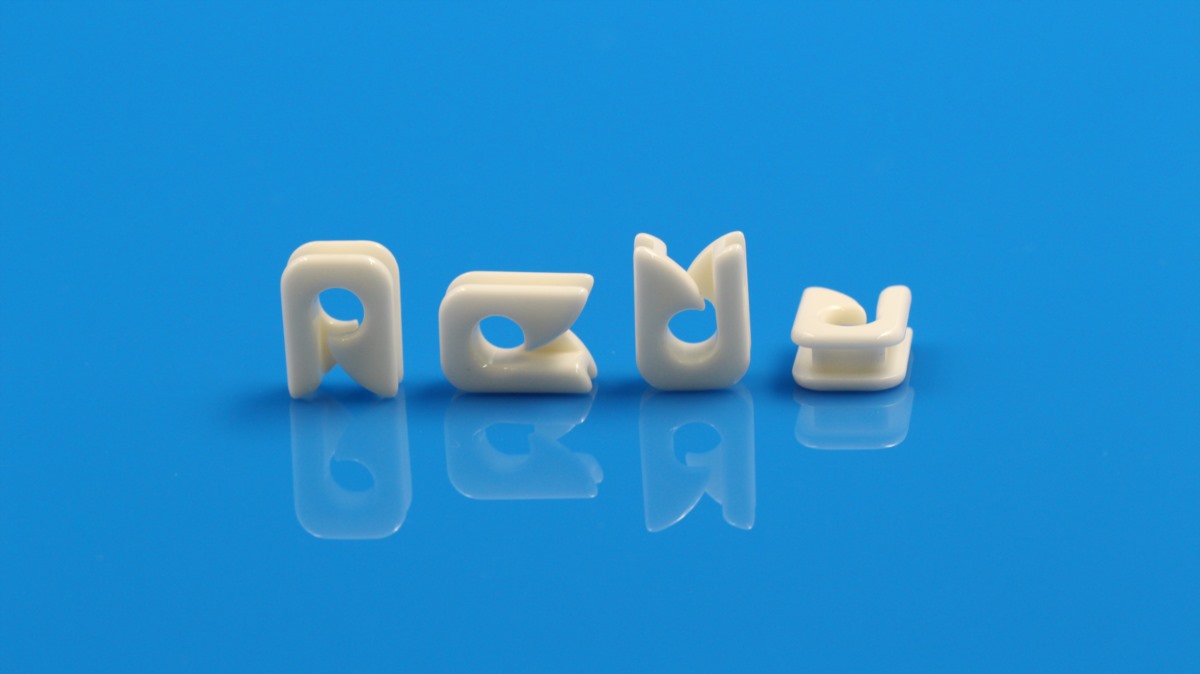
A ceramic pigtail guide is a special yarn guide component used in textile machinery.
Its name comes from its unique curved guiding structure, which resembles a “pig’s tail,” hence it is known in the industry as a pigtail guide.
Compared to traditional closed ceramic eyelets, pigtail guide devices typically feature an open inlet design, offering the main advantages of simplified threading operation and improved equipment maintenance efficiency.
1. Fast threading for improved production flexibility
In continuous spinning and texturizing processes, changing the yarn, handling broken filaments, and adjusting product specifications are common operations.
The open guide entrance design allows operators to quickly complete yarn installation, eliminating the need for the full threading process required by traditional closed guide components and improving equipment adjustment efficiency.
This structure is suitable for:
• Continuous spinning production line;
• High-speed texturizing equipment;
• Production environment requiring frequent line changes.

2. Stabilize yarn path to reduce abnormal friction
The curved guiding section of the pigtail guide helps restrict the yarn path, reducing lateral oscillation during high-speed operation.
Stable guidance performance helps:
• Reduce yarn tension fluctuations;
• Minimize abnormal friction;
• Maintain long-term continuous production stability.
III. Why is alumina ceramic the mainstream material for pigtail yarn guides?
The high-speed spinning environment has strict requirements for the material properties of the guide component. Among them, wear resistance, surface quality, and long-term dimensional stability are the key considerations.
At present, alumina ceramics (Al2O3) are one of the most widely used materials in ceramic yarn guiding components.
High hardness and wear resistance ensure long-term stable operation
Alumina ceramics possess high hardness and can maintain excellent wear resistance even under the continuous friction of high-speed yarns.
Compared with ordinary metal spindles, the alumina ceramic components have:
• Lower wear rate;
• More stable guiding dimensions;
• Longer maintenance period.
This helps to reduce production fluctuations caused by wear in the guiding area.
2. Precise grinding and polishing to reduce the risk of fiber damage
There is continuous contact between the yarn and the guide roller, so the processing quality of the guiding surface directly affects the running condition of the yarn.
The high-precision ceramic grinding and polishing process can achieve:
• Smooth guiding surface;
• Lower friction resistance;
• Reduces fraying and damage of the filaments.
For the production of high-speed chemical fibers, stable surface quality helps to reduce the risk of broken fibers and improve the consistency of yarn quality.
3. Excellent chemical stability, suitable for industrial production environment
During the process of chemical fiber production, various media such as spinning oil agents and additives are usually employed.
Alumina ceramics possess excellent resistance to chemical corrosion and are not affected by common industrial media, thus meeting the requirements for long-term continuous production.
IV. Typical Applications of Alumina Ceramic Pigtail Weaving Guide Device
Alumina ceramic pigtail yarn guide is widely used in:
• Melt Spinning Equipment
• Filament Spinning Line
• Texturing Machine
• Yarn Winding Equipment
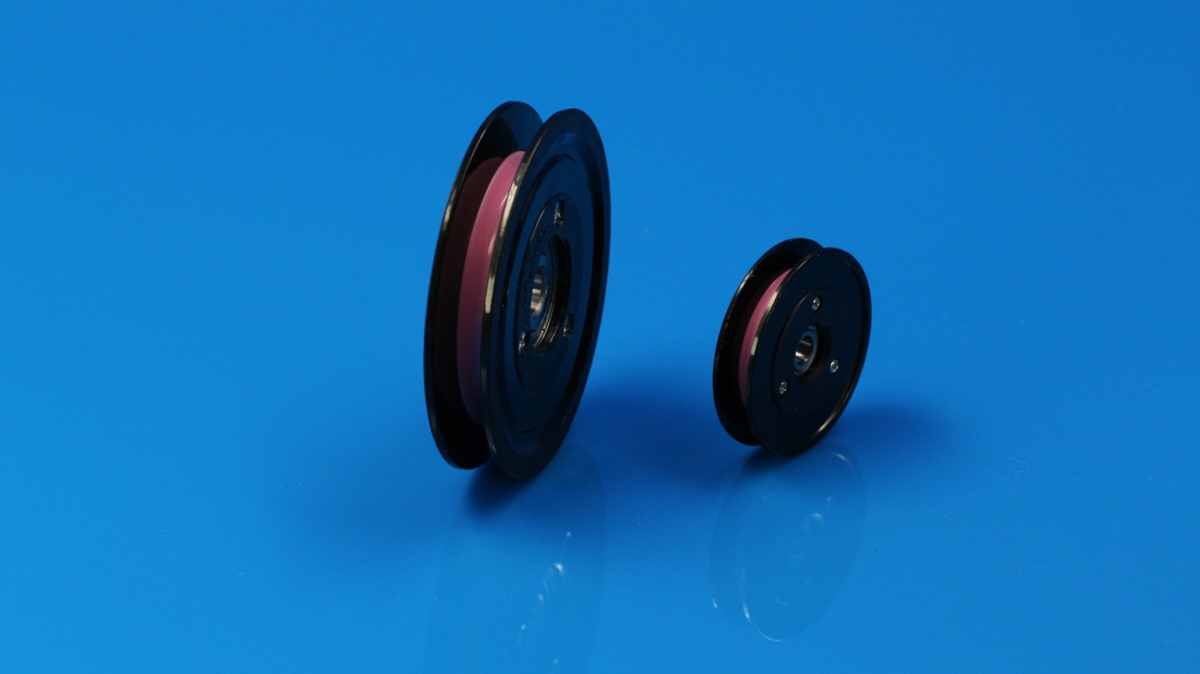
Apart from the ceramic pigtail yarn guide, it is also widely used in textile machinery:
• Ceramic Yarn Guide (Ceramic Yarn Guide)
• Ceramic Thread Guide (Ceramic Thread Guide)
• Ceramic Eyelet (Ceramic Eyelet)
These ceramic wear-resistant components jointly contribute to the stable and efficient operation of the textile equipment.
V. Precision processing techniques determine the actual performance of the ceramic yarn guide.
For ceramic yarn guiding components, the selection of materials is merely the foundation. The forming, grinding and polishing processes also determine the final performance.
The key factors that affect the performance of the product include:
• Dimension accuracy of the diversion channel;
• Control of the surface roughness of the inner hole;
• Processing of rounded corners at the contact edges;
• Dimension consistency of batch products.
In the high-speed filament production environment, even minor burrs, sharp corners or surface defects may affect the running condition of the yarn, leading to an increase in hairiness or a rise in the risk of yarn breakage.
Therefore, a stable, mature precision ceramic processing capability is essential to ensuring the long-term, reliable operation of the yarn-guiding components.
Summary
Although the ceramic pigtail yarn guide device is a small component in the field of textile machinery, it plays a crucial role in the high-speed production of chemical fibers.
With its high wear resistance, stable physical and chemical properties, as well as excellent surface processing characteristics, the alumina ceramic yarn guide can help chemical fiber manufacturing enterprises reduce equipment maintenance frequency, enhance production stability, and improve the consistency of yarn quality.

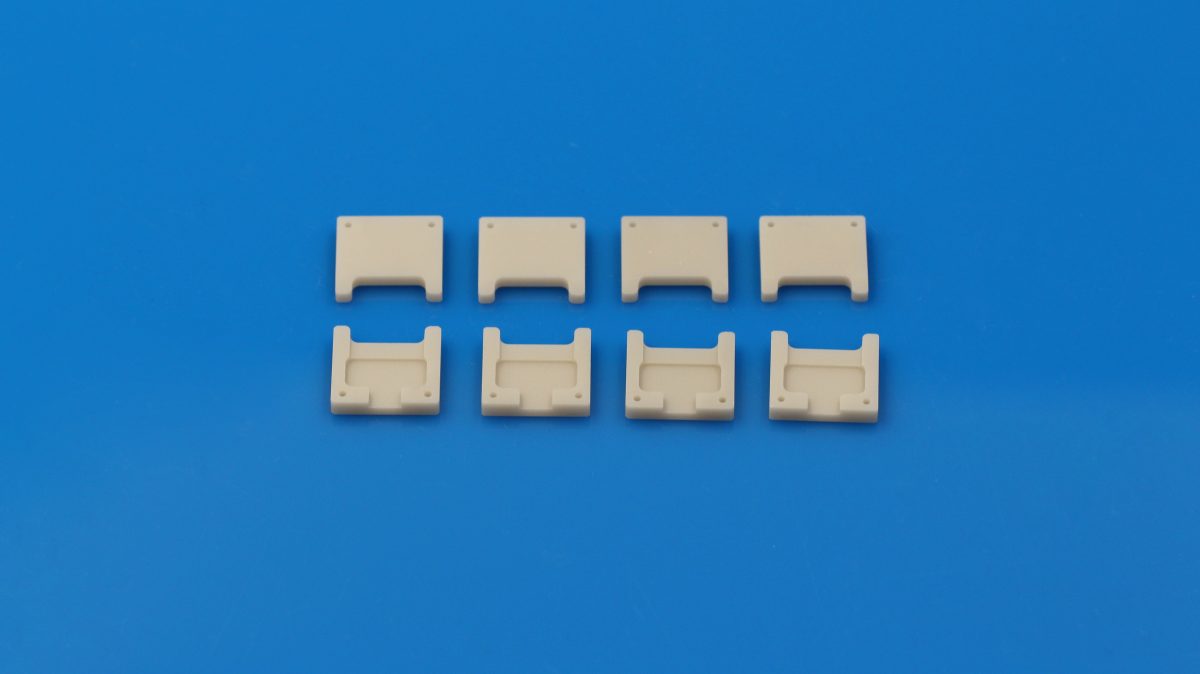
As an advanced ceramic component supplier, Innovacera not only offers ceramic pigtail yarn guides, but also provides a variety of high-precision ceramic components according to the requirements of different textile equipment, including ceramic yarn guides (Ceramic Yarn Guide), ceramic thread guides (Ceramic Thread Guide), ceramic eyelets (Ceramic Eyelet), and other textile wear-resistant components.
If you want to know more, please contact sales@innovacera.com