With the continuous upgrading of data centers, AI computing power, and high-speed communication networks, optical modules are rapidly evolving towards higher bandwidth, higher integration, and smaller package sizes. From 100G, 400G to 800G and even 1.6T optical modules, the power density within a unit volume has been continuously rising. The heat generated by lasers and modulators has become a critical limiting factor affecting system performance.
Inside the optical module, the laser diode (LD) chip, high-power modulators (such as EML), and related driver circuits are extremely sensitive to operating temperature. Once the heat dissipation capacity is insufficient, it may cause wavelength drift, output power attenuation, and increase the aging speed of the device, thereby affecting the long-term reliability of the optical module and the stability of network operation.
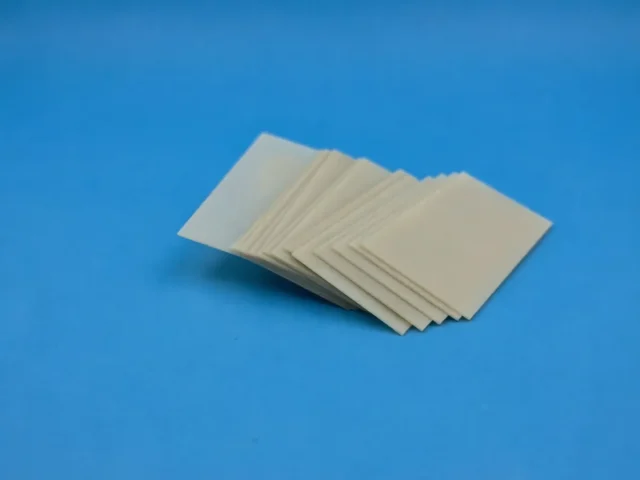
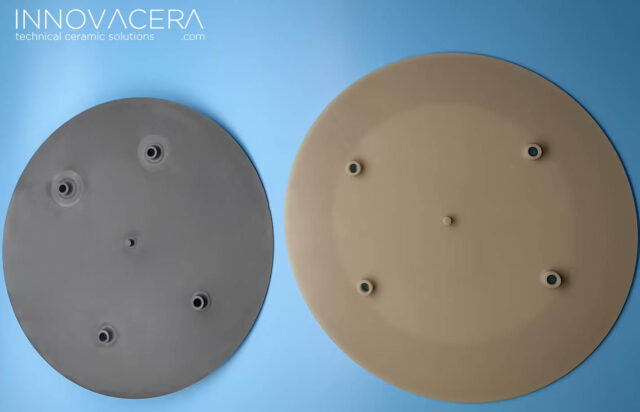
Core solution: High-performance aluminum nitride ceramic heat dissipation substrate
Aluminum nitride (AlN) ceramics have a typical thermal conductivity of 170–230 W/m·K. During the operation of lasers and high-power modulators, they can effectively transfer the heat generated by the chips from the source to the downstream heat sinks or module housings. This highly efficient heat conduction ability is conducive to:
·Reduce the junction temperature of the chip
·Improve the output stability of the laser device
·Helps devices achieve more reliable long-term operation under high-power conditions
Precise thermal expansion matching, constructing a highly reliable packaging structure
Apart from thermal conductivity, the thermal expansion matching between materials is also a key factor determining the reliability of optical modules. The thermal expansion coefficient (CTE) of aluminum nitride ceramics is closely matched to that of mainstream optical chip materials such as GaAs, InP, and Si. Under conditions of rapid temperature changes or long-term cycling, it can significantly reduce interface thermal stress.
This means:
·Reduce the risks of weld layer cracking and interface separation
·Improve the stability of the packaging structure under extreme conditions
·Meet the stringent requirements for long-term reliability of telecommunications-grade optical modules
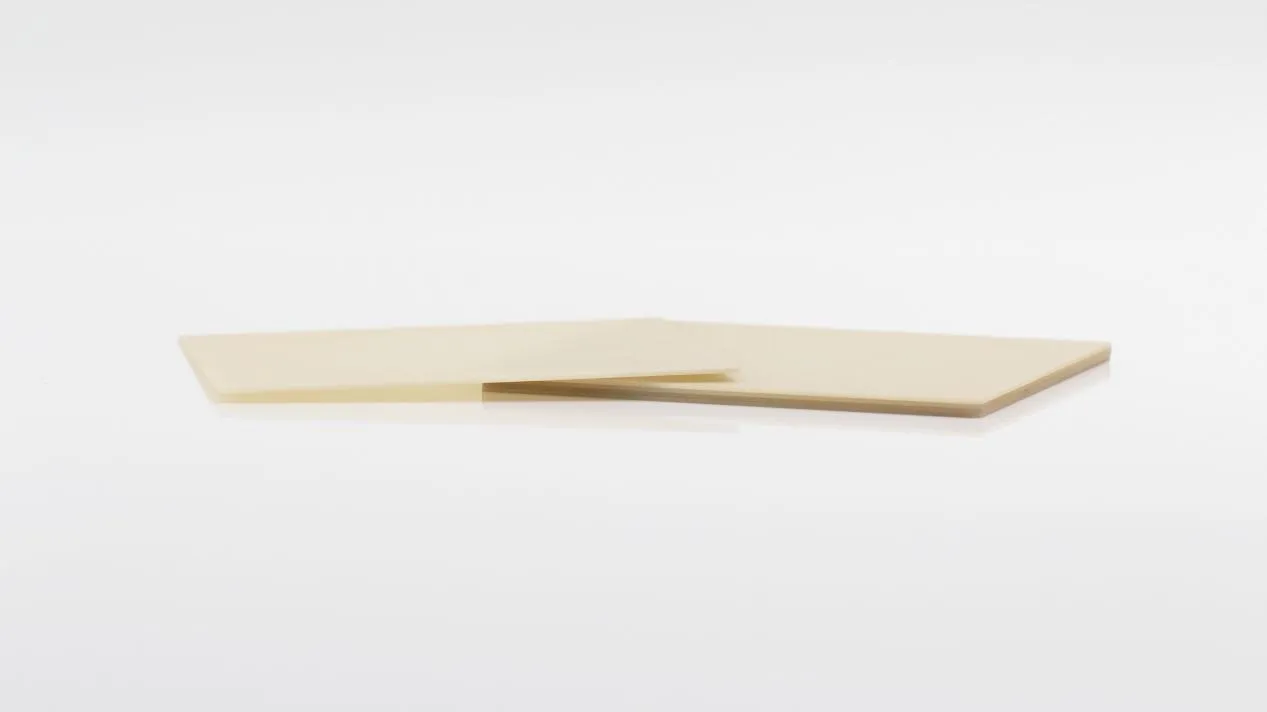
Comprehensive performance, creating the ideal substrate for chip manufacturing
As the core substrate material in the packaging of optical modules, aluminum nitride ceramics not only possess excellent heat conductivity, but also have the following characteristics:
·Excellent electrical insulation properties help ensure reliable high-speed signal transmission.
·Higher mechanical strength, suitable for precise assembly and long-term service
·Excellent chemical stability and aging resistance, suitable for harsh application environments
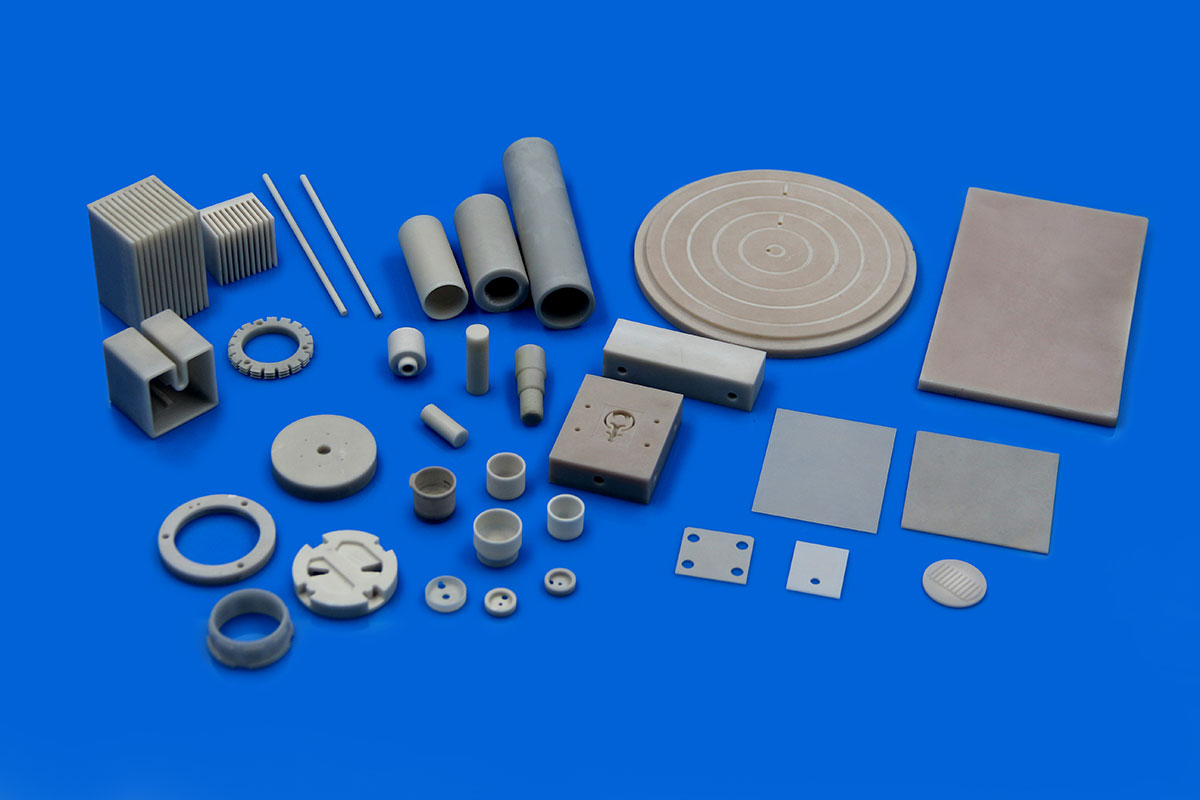
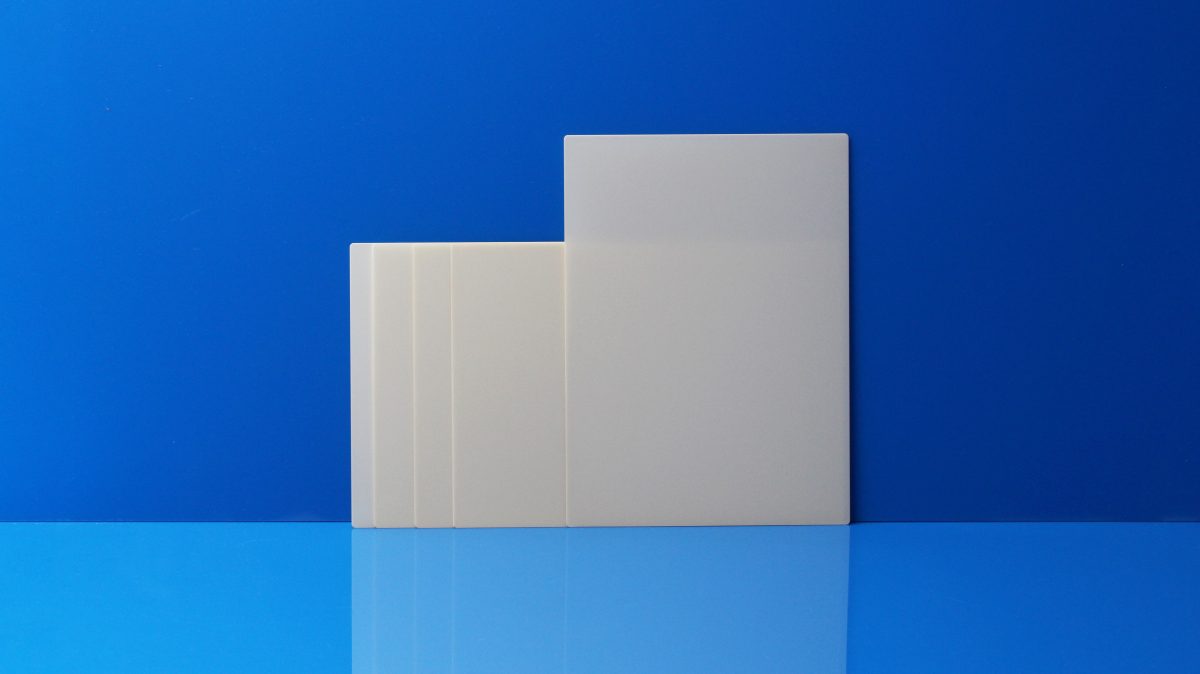
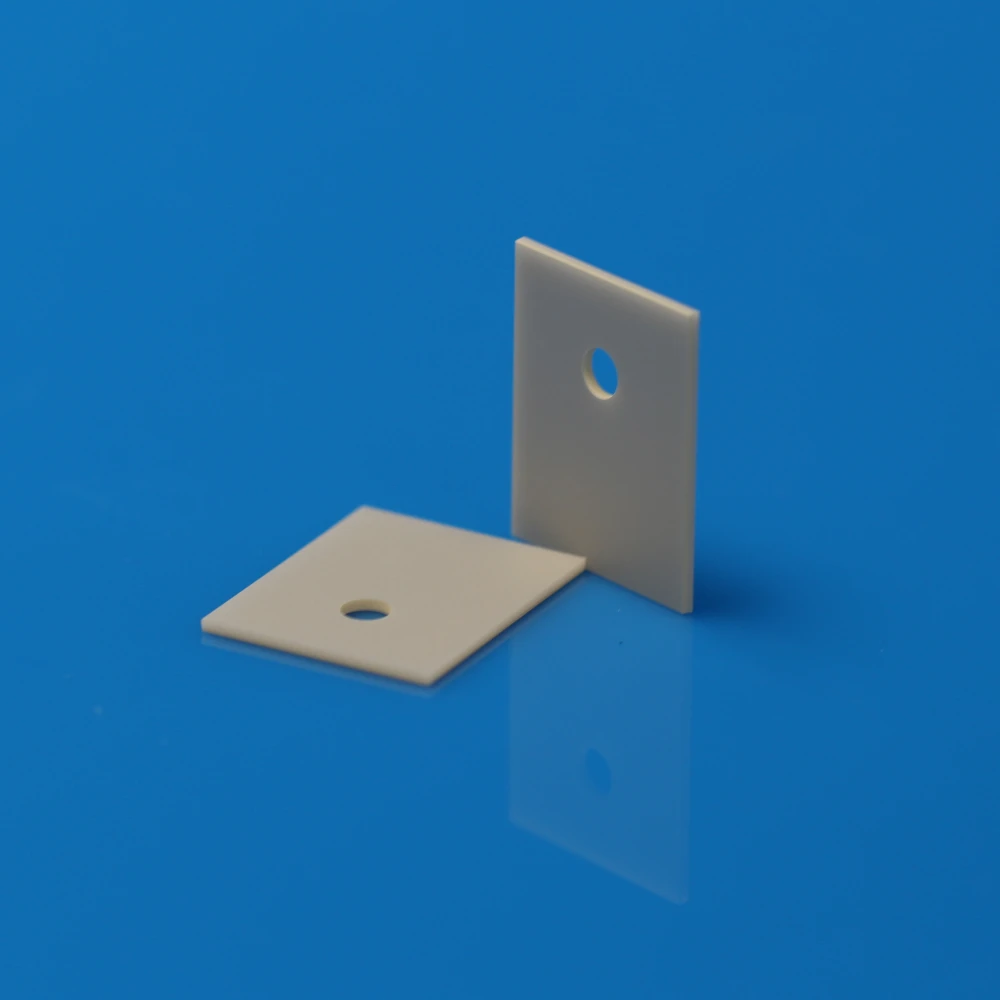
These comprehensive properties make aluminum nitride ceramics an ideal “foundation” for high-value optical chips. In the actual packaging of optical modules, aluminum nitride ceramic substrates are mainly used for heat dissipation and support of laser diode chips (LD) and high-power modulators (such as EML). Depending on different application roles and packaging design requirements, they can be adapted in size and metallization, and are compatible with common welding and assembly processes, thereby enabling the stable operation of optical modules under high power density conditions.
In the context of the continuous advancement of high-speed optical modules towards higher power and smaller size, thermal management and packaging reliability have become unavoidable core issues. High-performance aluminum nitride ceramic heat dissipation substrates are now crucial materials for high-end optical modules, thanks to their outstanding thermal conductivity, excellent thermal matching properties, and long-term stability. Innovacera is dedicated to providing stable, reliable, and customizable aluminum nitride ceramic substrate solutions for the optical communication industry, helping customers develop future-oriented high-speed optical module products.