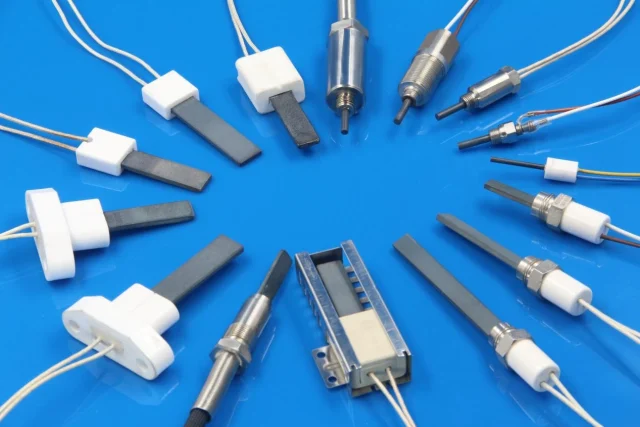
In the field of engineering ceramic substrates, silicon carbide (SiC) has long occupied a very special position: its price is significantly higher than that of alumina (Al2O3), aluminum nitride (AlN), and silicon nitride (Si3N4), but in high-end power electronics, semiconductor manufacturing, and extreme environment applications, it has not been replaced by materials with higher cost performance or similar performance. Instead, its application scale has continued to grow.
The essence of this phenomenon is not market premium, but a more crucial engineering fact:
The problems solved by silicon carbide substrates have exceeded the performance boundaries of traditional ceramic materials.
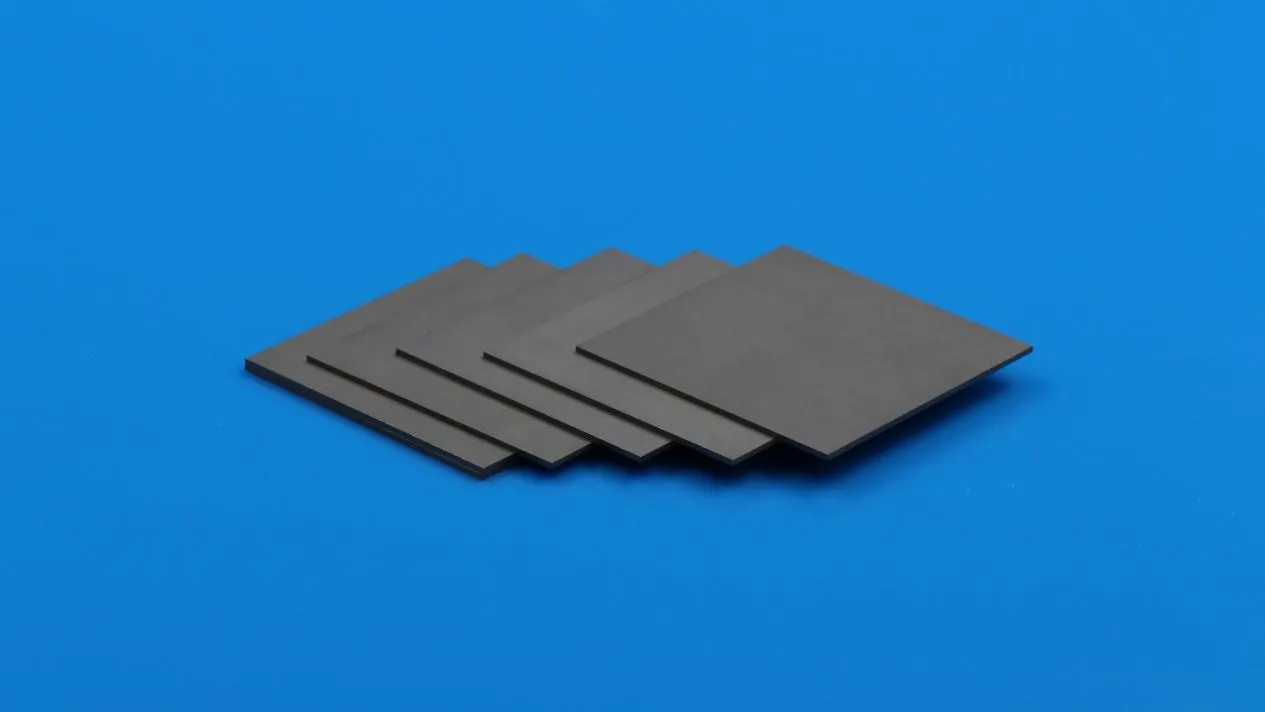
I. Material System Comparison: SiC Has Entered Different Engineering Dimensions
From the perspective of engineering ceramic systems, the positioning of different materials has a clear hierarchical structure:
| Material | Thermal Conductivity W/(m·K) | Core Advantages | Main Disadvantages | Application Grade |
|---|---|---|---|---|
| Alumina Al2O3 | 20~30 | Low cost, mature manufacturing process | Poor heat dissipation | Basic electronics and industrial control |
| Aluminum Nitride AlN | 170~230 | Excellent thermal conductivity | Limited high-temperature stability and long-term reliability | Medium-to-high power heat dissipation |
| Silicon Nitride Si3N4 | 70~90 | High mechanical strength | Insufficient thermal conductivity | High-reliability packaging |
| Silicon Carbide SiC | 120~200 | Balanced thermal, electrical and mechanical properties | High production cost and difficult machining | High-voltage power electronics and extreme environment applications |
From this system, it can be clearly seen that:
The first three types of materials still fall under the category of “single performance optimization”, while SiC has entered the stage of “breaking through the system-level performance boundaries”.
II. Why can’t SiC be replaced?
In power electronic systems, material selection is not a simple comparison of thermal conductivity, but rather a triple coupling constraint of heat, electricity, and mechanics.
The core value of silicon carbide lies in its wider comprehensive stability window. In high power density operating environments, the substrate not only needs to have rapid heat conduction, but also must withstand high voltage electric field impacts and frequent cold-hot cycles, which bring structural stresses.
Traditional materials have shortcomings in different dimensions:
• AlN has excellent thermal conductivity, but its reliability decreases in high-temperature and electrothermal alternating environments;
• Si3N4 has outstanding mechanical properties, but its thermal conductivity cannot support higher power densities;
• Al2O3 is mainly suitable for low power and low heat scenarios.
When the system voltage is raised to 800V, 1200V or even higher, and matched with the third-generation wide bandgap semiconductor devices, the traditional ceramic system gradually reaches its limit.
At this time, the value of SiC lies in that it is one of the few ceramic substrate materials that can simultaneously meet the long-term stable operation of high temperature, high voltage and high power density.
III. The essence of the price difference: manufacturing threshold determines the cost structure
The high cost of silicon carbide substrates does not come from raw materials, but from the high technical barriers throughout the manufacturing chain. SiC is a strongly covalent bond material, and densification is extremely difficult. The sintering temperature is usually 2000–2200℃, much higher than the traditional ceramic system. At the same time, its hardness is close to the level of super-hard materials, and processing must rely on diamond tools for precise grinding and polishing.
More importantly, SiC is extremely sensitive to internal defects. Even tiny pores or crystal defects can lead to high-voltage insulation failure, so it requires extremely high purity, flatness and consistency.
The costs mainly come from four aspects:
• High-temperature sintering energy consumption
• Precision processing of super-hard materials
• Micrometer-level precision control
• Relatively low yield of finished products
The overall production cost is usually several times that of alumina ceramics.
Four. Application boundaries: From structural materials to core materials of systems
With the development of the third-generation semiconductor industry, silicon carbide substrates are upgrading from traditional structural supporting materials to key basic materials for power systems.
Currently, the main applications include:
• 800V high-voltage SiC power modules for new energy vehicles
• High-frequency radio frequency and communication packaging substrates
• Structural components of semiconductor manufacturing equipment (plasma/vacuum environment)
• High reliability power electronics and control systems
The common feature of these applications is that multiple extreme conditions exist simultaneously, and traditional ceramic materials have difficulty meeting the constraints of heat, electricity and mechanics at the same time.
V. Industry trends and material logic summary
The current engineering ceramic market is showing significant differentiation:
Alumina and aluminum nitride have entered the mature industry stage, with prices continuously optimizing and being highly domesticated; while high-end SiC substrates, due to the involvement of high-temperature sintering equipment, precision processing capabilities and yield control systems, still have relatively high technical barriers.
With the continuous expansion of high-voltage platforms for new energy vehicles, photovoltaic inverters and high-power industrial power supplies, the demand for SiC power modules is growing rapidly, and this is further driving the demand for high-reliability SiC ceramic substrates.
From the perspective of material engineering, the core significance of silicon carbide is not “better performance”, but rather:
It redefines the design boundaries of high-power electronic systems, making extreme condition designs that were previously impossible possible.
Technical consultation and customization services
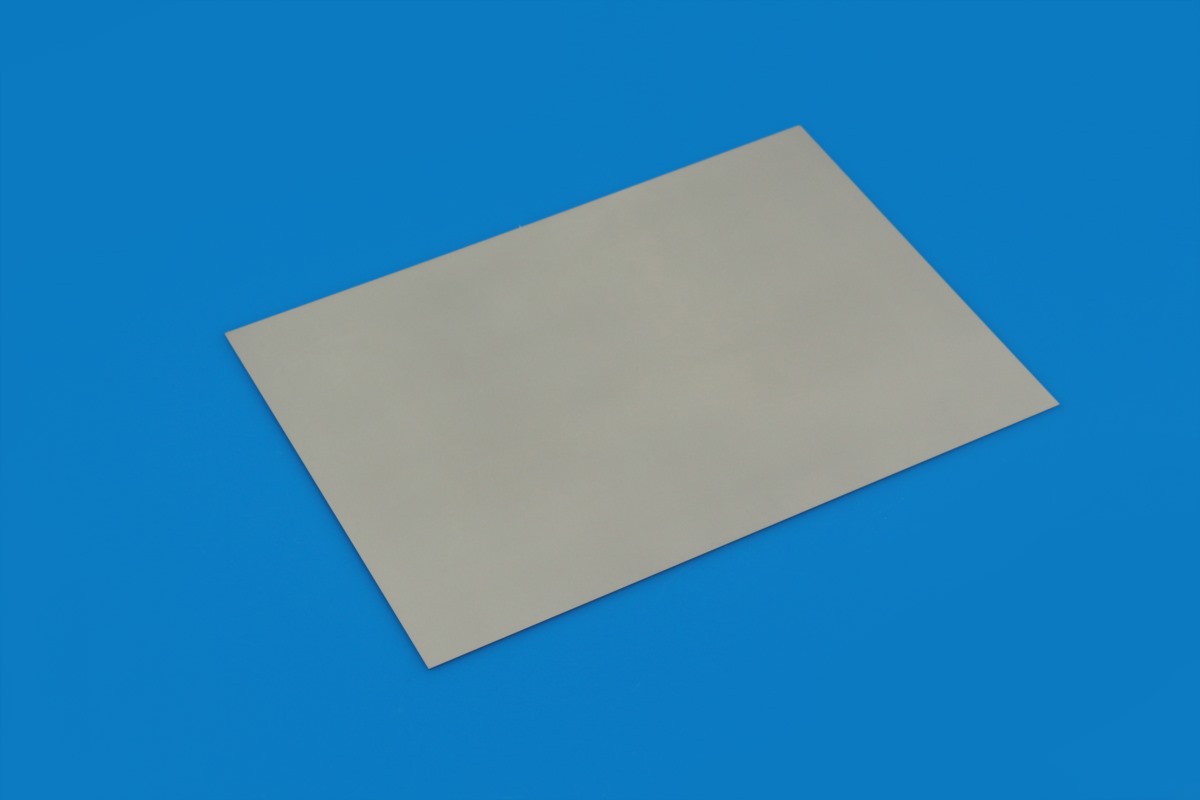
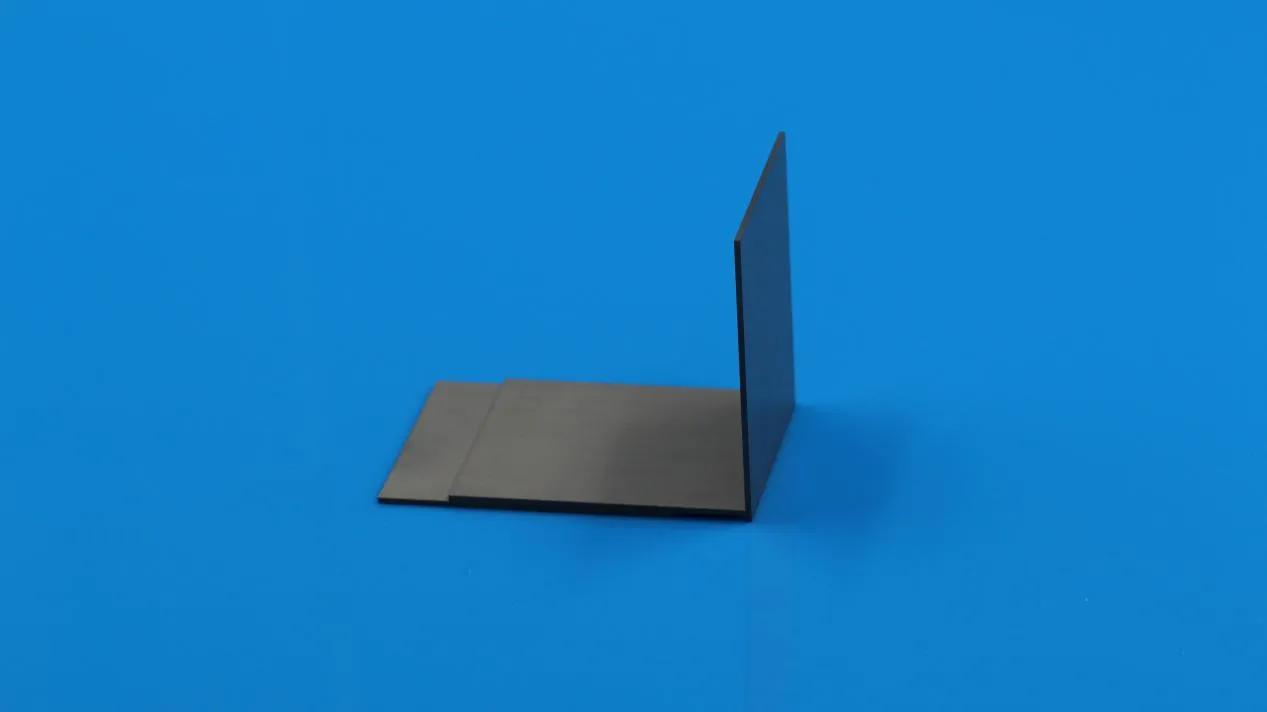
Innovacera can provide SiC ceramic substrate solutions, covering industry-standard size systems (such as 75mm engineering application specifications), and supporting customized structural design, precision processing and application selection support.
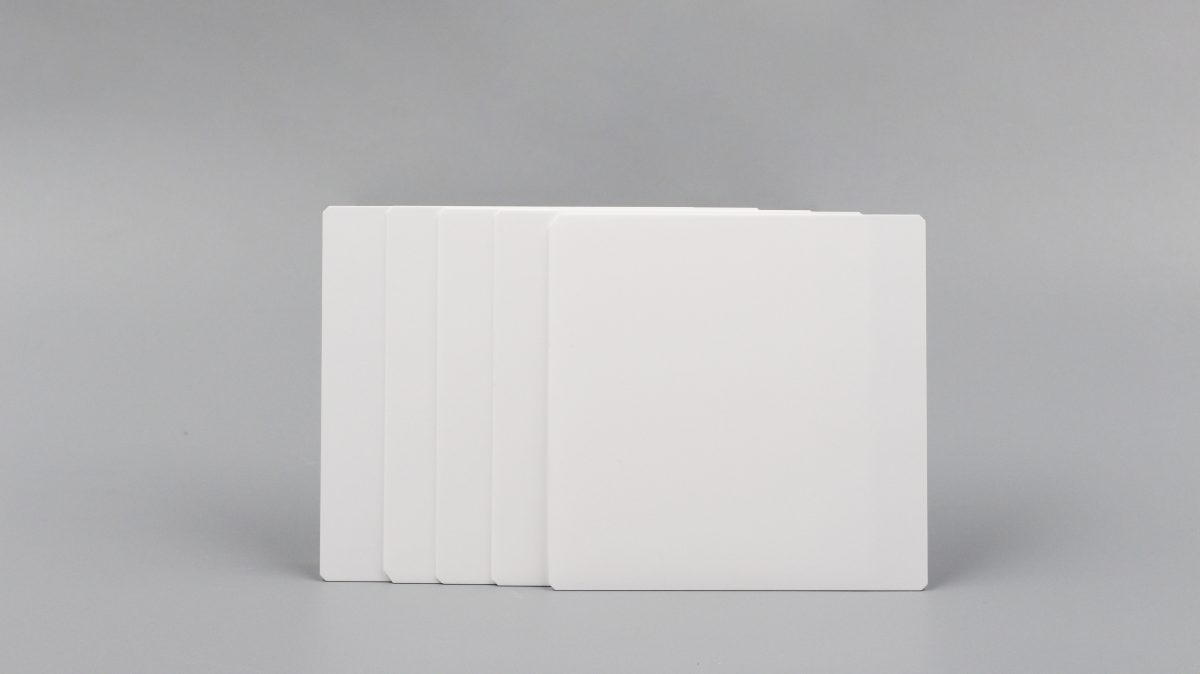
In power electronics and high-end packaging applications, different materials usually correspond to different application levels. Besides SiC substrates, we can also provide solutions for various engineering ceramic substrates such as alumina (Al2O3), aluminum nitride (AlN) and silicon nitride (Si3N4) to meet multi-level requirements from cost-oriented to high-performance applications.
Please contact sales@innovacera.com for more information.