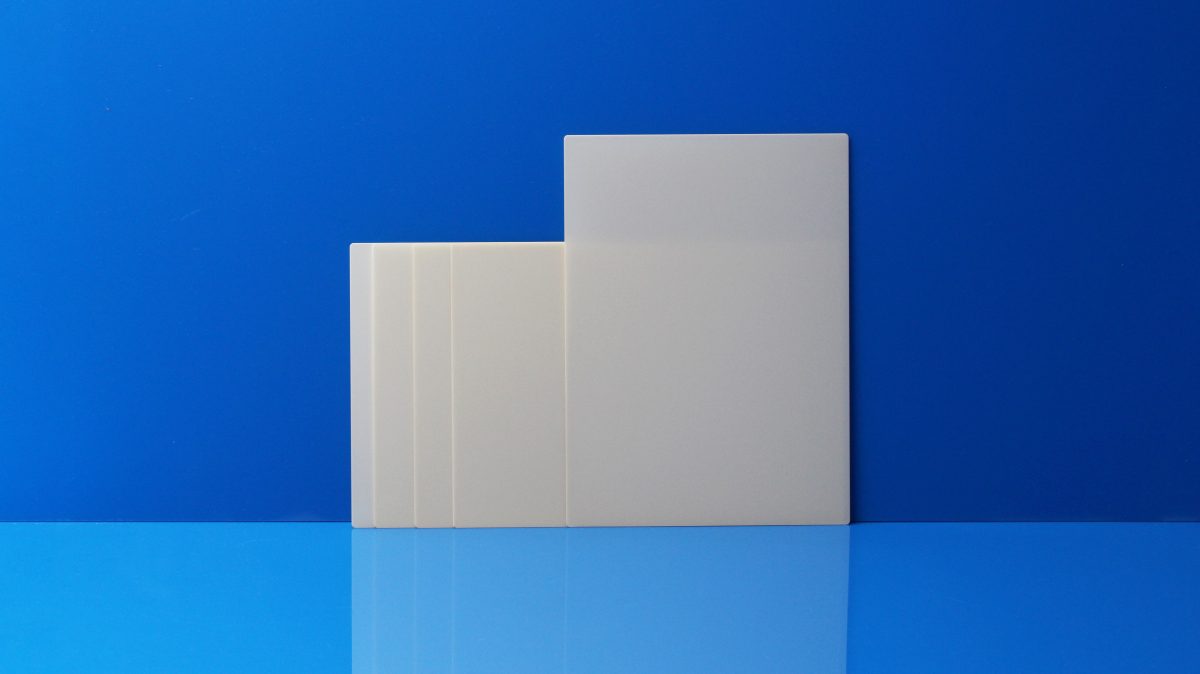
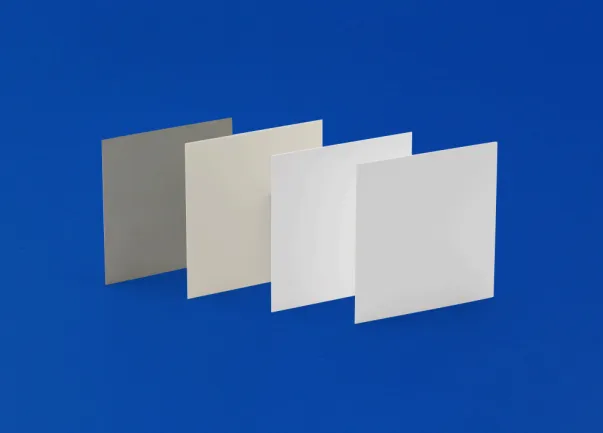
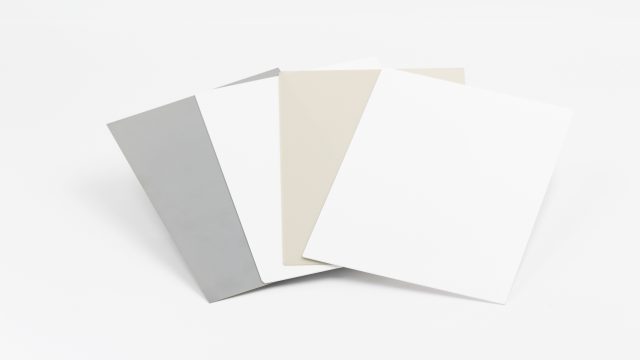
If you’ve spent any time around power electronics, LED drivers, or automotive modules, you already know the drill: heat doesn’t just annoy you—it kills performance, shortens life, and occasionally turns a perfectly good design into a crispy failure. That’s why ceramic substrates have earned their spot as heat spreaders. They’re not flashy, but they do the job: insulating electrically, holding components steady, and pulling heat away from those tiny hot spots before they do damage.
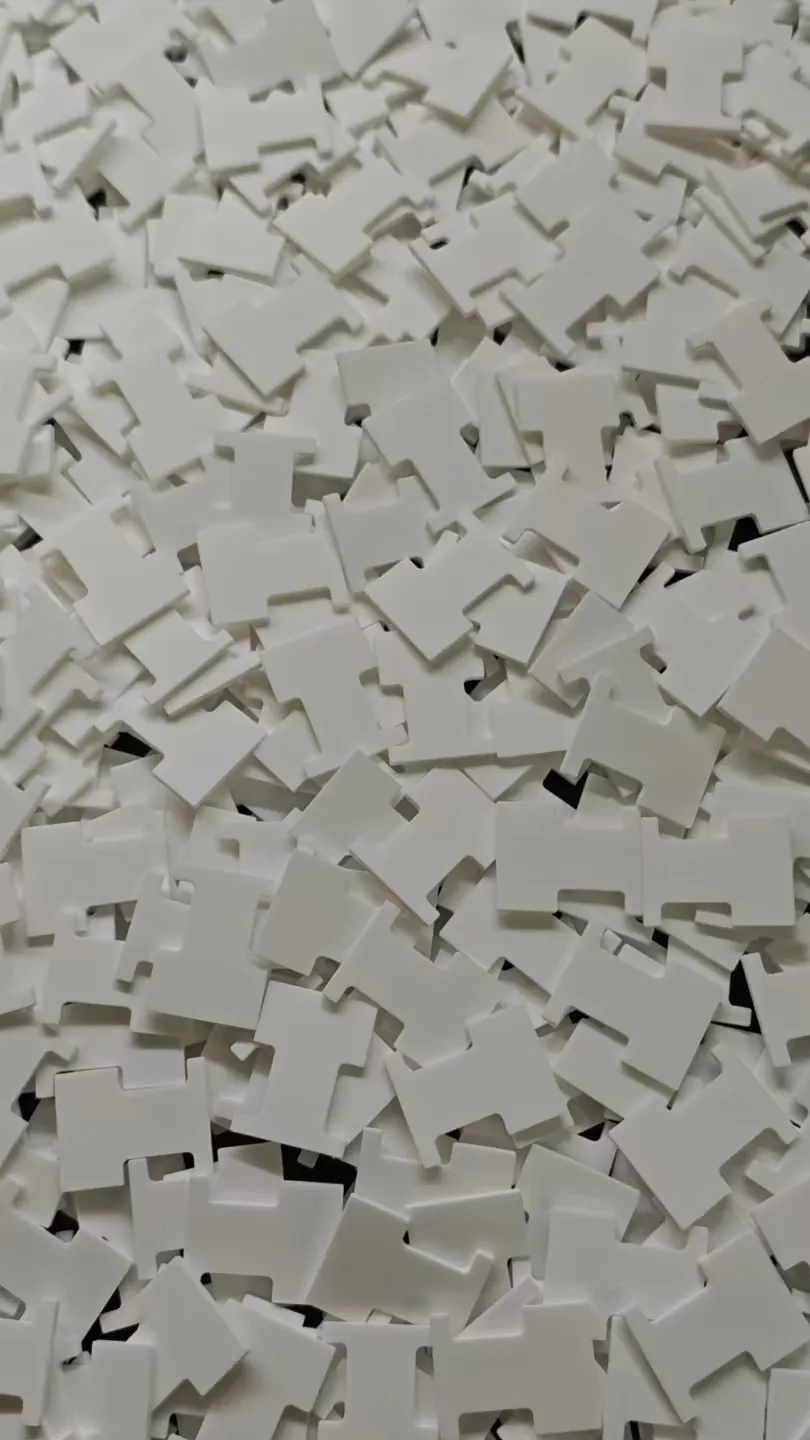
Now, alumina—the workhorse of the bunch—usually sits somewhere around 22 to 25 W/m·K in thermal conductivity. Good enough for a lot of things. But when you push power densities higher, or when assembly clamps get tighter, that “good enough” starts to feel a little thin.
We ran into exactly that with a customer not long ago. They were developing a new power module that ran hotter than their simulations predicted, and they also needed the substrate to handle more mechanical stress during mounting. Off-the-shelf parts? They tried. Didn’t work.
So they came to us with a straight question: can you bump both thermal performance and strength at the same time?
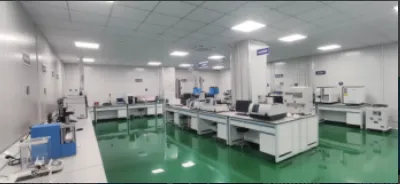
Honestly, that’s not an unusual ask. What’s unusual is how most suppliers handle it—they’ll flip through their catalog and say, “this is what we’ve got.” We don’t operate that way. We have a materials research group in-house—not a glorified QA lab, but actual scientists who spend their days tinkering with ceramic formulations. So instead of giving a quick no, we sat down with the customer, picked apart their real operating conditions—temperature swings, mounting torque, thermal cycling profiles—and then headed back to the lab.
Tweaking an alumina recipe is tedious. Grain size, sintering aids, ramp rates—you change one thing, and three others shift. We killed a few batches along the way, I won’t lie. But by the third iteration, we pushed conductivity from about 22 to 24 W/m·K. Doesn’t sound like much on paper, but in their actual module, that six‑point drop in junction temperature? That translated to nearly 8°C cooler. For power devices, that’s often the difference between a five‑year life and a ten‑year one.
Thermal conductivity (W/m·K)
25 ┤
24 ┤ ██████
23 ┤ ██████
22 ┤ ██████ ██████
21 ┤ ██████ ██████
20 ┤ ██████ ██████
└───────────────
Before After
At the same time, we increased the flexural strength by about 13%. How? By refining the microstructure to reduce internal porosity. But here’s a lesson we learned the hard way: It need to use standard-sized test bars to test the strength which will get real result, if the size is not standard size, the result is not accurate. That little detour taught us again that *testing conditions matter as much as the material itself*.
That customer is now in production with our custom substrate, and they haven’t called back with heat‑related complaints. But honestly, the real takeaway for me wasn’t the technical win. It was the process itself—listening, adapting, and being willing to go off‑road instead of sticking to the catalog.
Not every supplier has a research team that can pivot quickly. We do. Not every supplier will run small‑batch experiments for a single order. We will. And not every supplier will tell you to re‑test with standard dimensions even if it delays the sale—but we will, because getting it right matters more than getting it fast.
So if you’re wrestling with ceramic substrate issues—thermal, mechanical, or something in between—give us a shout. I’m not claiming we can fix everything overnight. But we can sit down, listen to your actual pain points, and figure out whether a tweak in the material might open a door. Because more often than not, the real answer isn’t in a data sheet. It’s in the messy, iterative, sometimes frustrating work of trial and error—and that’s exactly where we’re comfortable.