What Is a Lance Tip?
In steelmaking, a lance tip is the terminal component installed at the end of an immersion tube. It delivers gases, injects powders, or performs sampling and measurement while being directly exposed to molten steel or molten slag. The assembly further comprises a shroud that longitudinally encases the composite tube and is injectable with an inert gas to mitigate fluid contamination of the composite tube and the immersed melt surface.
Depending on the process, a lance tip may be used for:
- Molten steel temperature measurement
- Oxygen or inert gas injection
- Alloy powder injection
- Steel refining
- Degassing processes
- Continuous casting operations
Because the tip is the only part directly immersed in molten metal, it experiences one of the harshest environments found in steel plants.
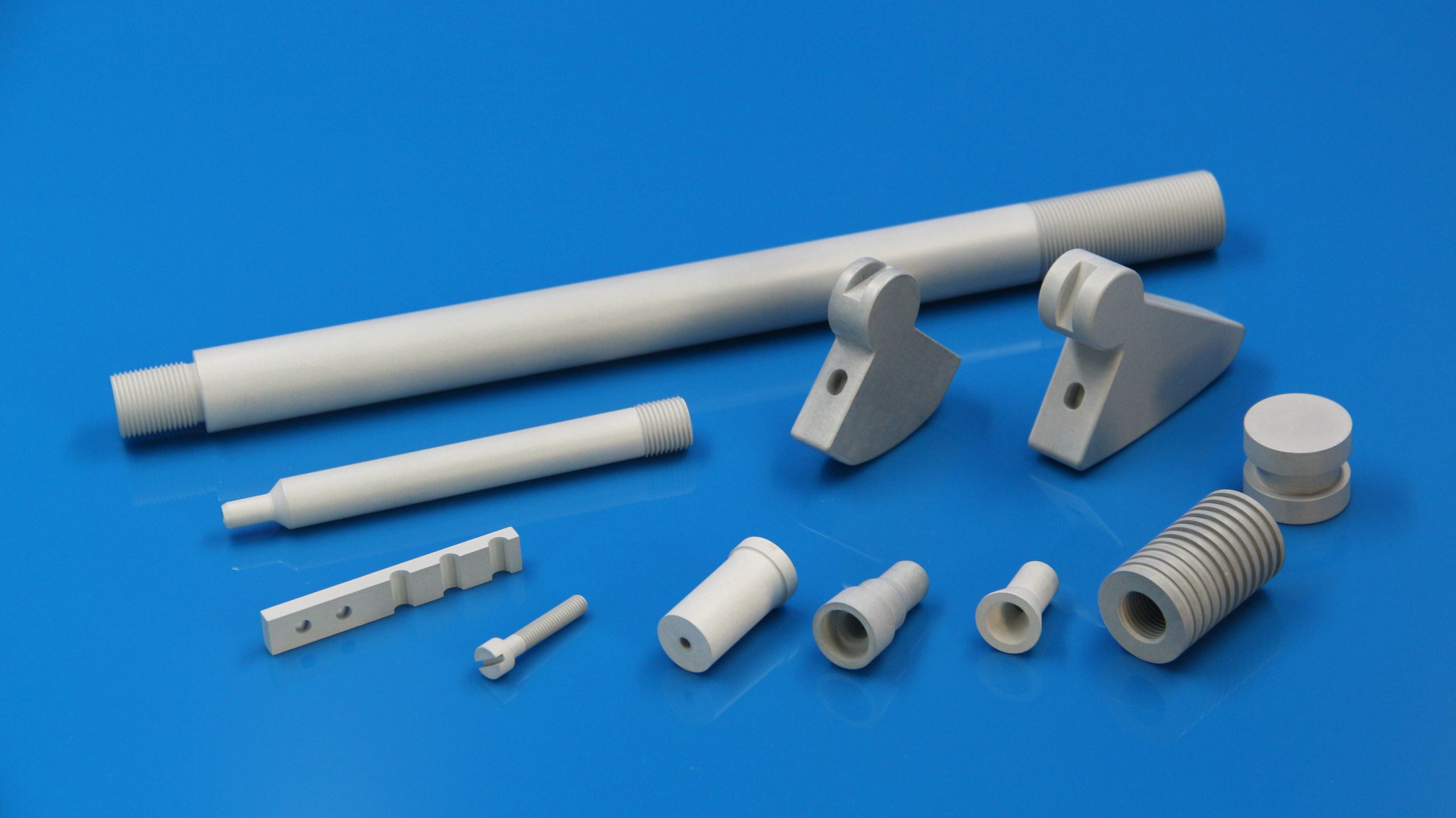
Typical operating conditions include:
- Temperatures above 1,600°C
- Thermal shock during repeated immersion
- Chemical attack from molten steel and slag
- Mechanical erosion caused by metal flow
- Oxidizing or reducing atmospheres
These extreme conditions make material selection one of the most important design considerations. Therefore, Innovacera recommends Composite Boron Nitride for this application, which has been validated by customers and has received excellent feedback.
Why Choose Composite Boron Nitride (BMZ) Ceramics for Lance Tips?
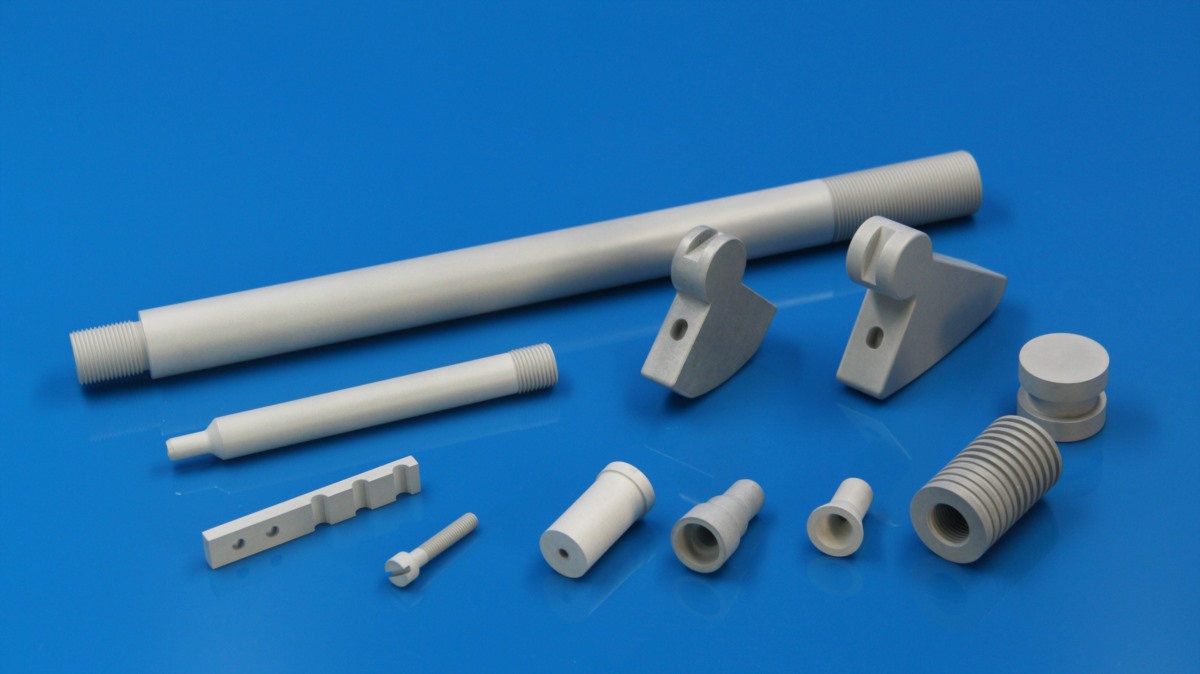
Composite Boron Nitride (BMZ) ceramics have become the material of choice for components in immersion tubes. Their superior performance stems from the combination of boron nitride’s excellent non-wetting properties and the enhanced mechanical strength provided by zirconia.
Key advantages include:
1. Excellent Resistance to Molten Steel Wetting
BMZ exhibits extremely low wettability regarding molten steel and slag. This minimizes metal adhesion, helping to maintain precise gas flow rates and reducing the need for cleaning.
2. Outstanding Thermal Shock Resistance
Lance tips are frequently subjected to rapid temperature fluctuations between room temperature and the temperature of molten steel. BMZ can withstand repeated thermal cycling with a very low risk of cracking.
3. High-Temperature Stability
BMZ maintains dimensional stability even when continuously exposed to steelmaking temperatures. This ensures consistent performance across multiple immersion cycles.
4. Ease of Precision Machining
BMZ can be machined into complex geometries with high precision.
5. Long Service Life
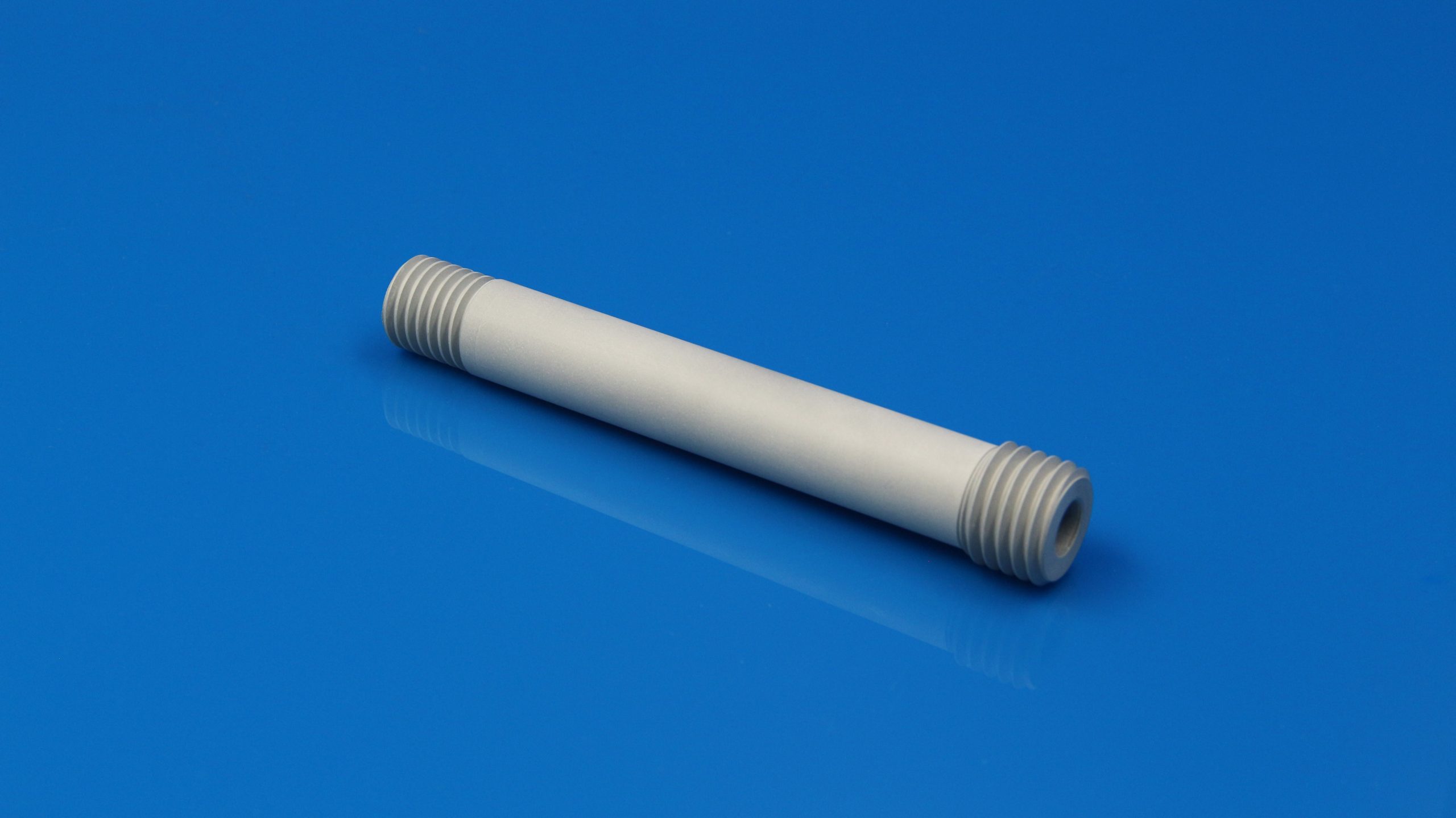
By resisting thermal shock, chemical erosion, and molten metal adhesion, BMZ lance tips typically offer a longer service life than traditional ceramic materials. A longer service life translates to:
- Less frequent replacement
- Reduced maintenance requirements
- Lower operating costs
- Higher production efficiency
Material Selection Summary
- BMZ offers the best overall balance of thermal shock resistance, non-wetting behavior, chemical inertness, and machinability, making it an excellent choice for lance tips repeatedly immersed in molten steel.
- Alumina is an economical option with good high-temperature capability but is more susceptible to thermal shock cracking during repeated immersion.
- SiAlON provides outstanding mechanical strength and wear resistance and is suitable for demanding steelmaking environments, although its machinability is limited and molten steel adhesion can be higher than ZSBN.
In summary, Innovacera produces BMZ and it is very suitable for this application, which has been validated by customers and has received excellent feedback. If you looking for such material for lance tips? Please contact Innovacera’s engineering team for design support.