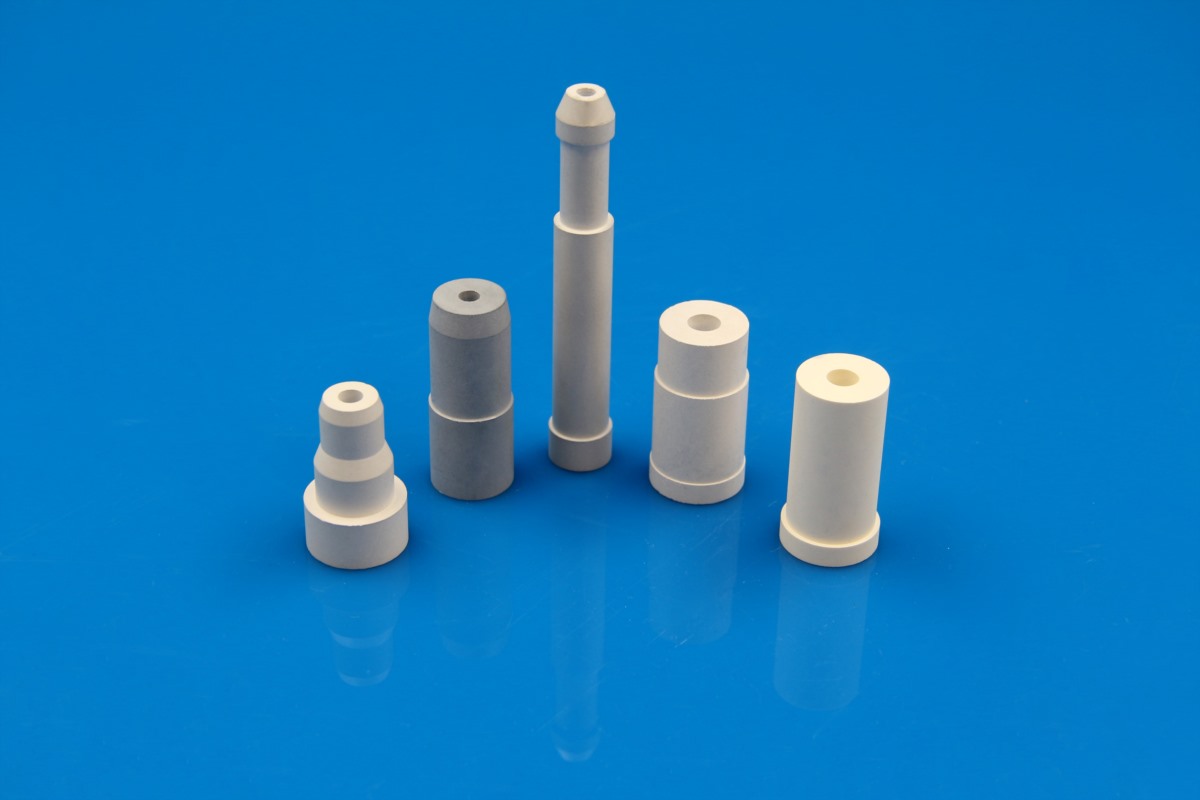
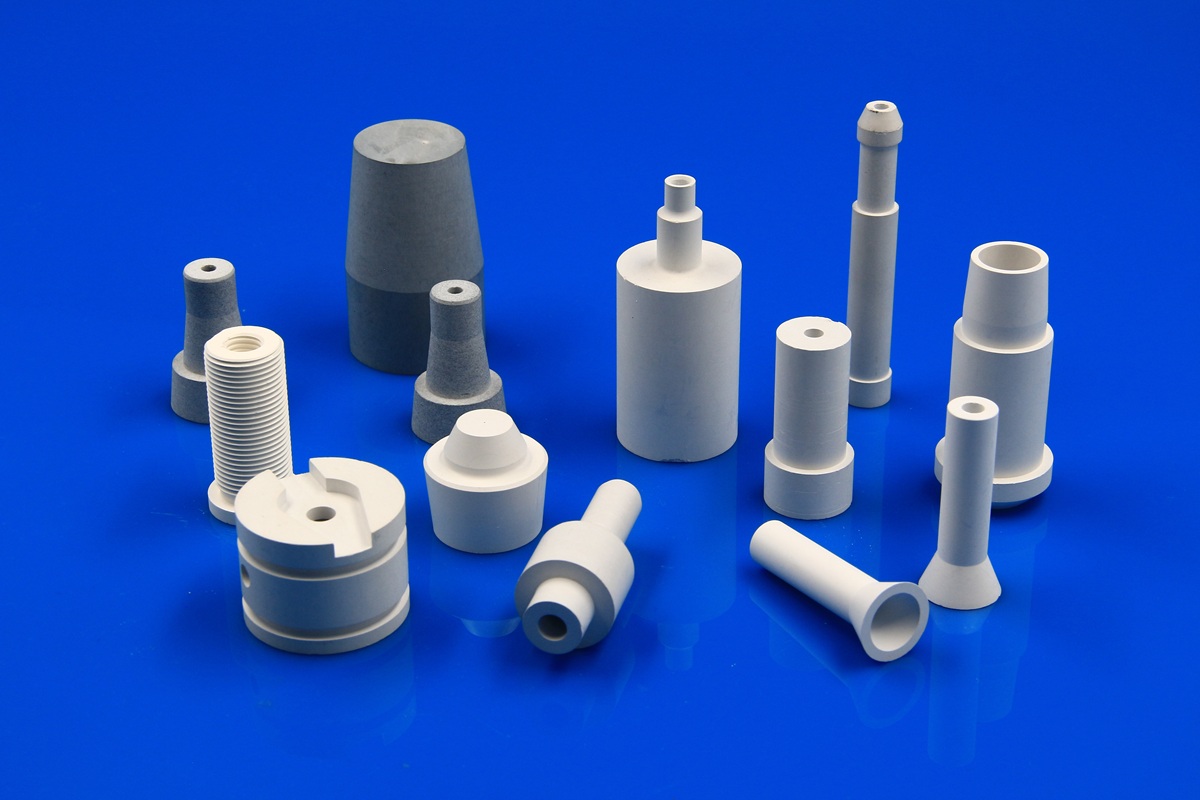
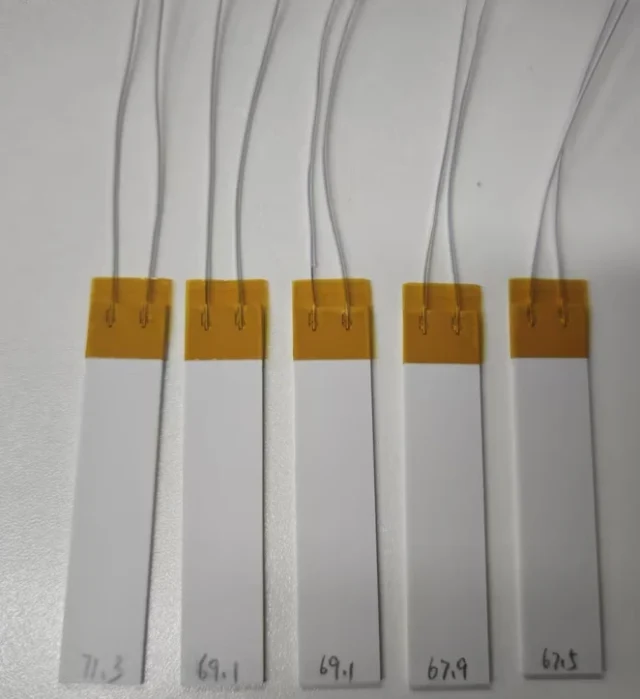
In the powder metallurgy industry chain, besides sintering tooling, firing plates, and crucibles, high-temperature ceramics are widely used in the metal powder preparation process. One of the most important applications is the ceramic atomizing nozzle in gas atomization powder production equipment.
The gas atomizing nozzle is a core component for preparing high-performance metal powders (such as high-temperature alloys, stainless steel, aluminum alloys, copper alloys, and 3D printing metal powders), because its material directly affects powder purity, particle size distribution, sphericity, oxygen content, 3D printing performance, equipment lifespan, and production stability.
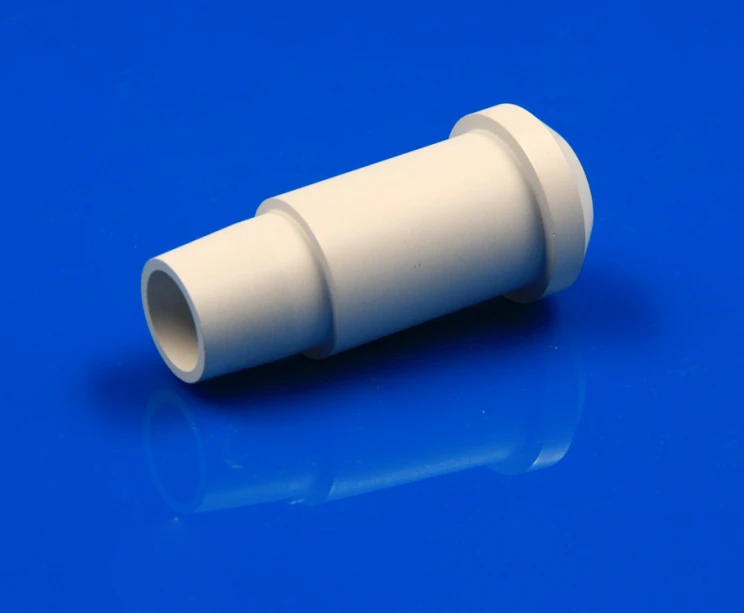
1. Introduction to Gas Atomization Powder Production Process
Gas atomization is currently the main method for preparing high-quality metal powders.
Process Flow:
Metal Raw Materials
↓
Vacuum Induction Melting / Arc Melting
↓
Molten Metal Melting (1400-2000℃)
↓
Ceramic Guide Tube
↓
High-Pressure Inert Gas Nozzle Atomization
↓
Rapid Cooling of Molten Metal Droplets
↓
Spherical Metal Powder
↓
Sieving
↓
3D Printing / Powder Metallurgy Sintering
Main Products:
- Stainless Steel Powder
- Nickel-Based High-Temperature Alloy Powder
- Aluminum Alloy Powder
- Copper Alloy Powder
- Cobalt-Chromium Alloy Powder
- High-Entropy Alloy Powder
2. High-Temperature Ceramic Materials Mainly Used in Gas Atomizing Nozzles
| Ceramic****Material | Application components | Applicable metal powders | Advantages |
|---|---|---|---|
| Zirconia ZrO₂ | Atomizing nozzles, guide nozzles | Ni-based alloys, | High temperature resistance, resistant to metal corrosion |
| Alumina Al₂O₃ | Nozzle liners, guide tubes | Stainless steel, iron-based alloys, | low cost, good stability |
| Boron Nitride BN | Nozzles, guide tubes | Precious metals, high-purity alloys | non-wetting, non-polluting;. |
| Silicon Nitride Si₃N₄ | Nozzle cores, wear-resistant parts | Fe alloys, | high strength, resistant to thermal shock |
| Silicon Carbide SiC | High-temperature structural components | Aluminum, copper alloys | fast thermal conductivity, resistant to erosion. |
3. Typical Structure and Ceramic Components of Gas Atomizing Nozzles
Melt Delivery Tube
Function:
Controlling the flow of molten metal:
- Flow rate
- Flow velocity
- Stability
Operating Environment:
| Parameters | Conditions |
|---|---|
| Temperature | 1400-2000℃ |
| Environment | Vacuum/Inert Gas |
| Contact Materials | Molten Metal |
Recommended Material:
Bonium Nitride (BN)
Advantages:
- Almost not wetted by most metals
- Does not introduce impurities
- Easy to replace
Particularly Suitable for:
-
-
- Nickel-based powder
- Precious metal powder
-
-
- Other Ceramic Components in Gas Atomization Systems
| Components | Recommended Ceramics | Functions |
|---|---|---|
| Smelting crucible | Al₂O₃、ZrO₂、BN | Melting metal |
| Guide tube | BN、ZrO₂ | controlling metal flow |
| Nozzle core | BN、Si₃N₄ | atomizing molten metal |
| Nozzle protective sleeve | Al₂O₃ | heat insulation |
| Powder collecting cylinder liner | Al₂O₃、SiC | wear resistance |
| Powder sieving components | Al₂O₃ | contamination prevention. |
5. High-Temperature Ceramic Application Map of the Entire Powder Metallurgy Process
| Process Steps: | Products | Ceramic Material | Target Applications |
|---|---|---|---|
| Metal Smelting | Crucibles | ZrO₂、BN、Al₂O₃ | Preparation of molten metal |
| Gas Atomization Powdering | Nozzles | BN、ZrO₂、Si₃N₄ | Preparation of spherical powder |
| Powder Processing | Filters | Al₂O₃、SiC | Powder purification |
| Pressure Molding | Molds | ZrO₂、Si₃N₄ | Precision forming |
| Debinding | Furnace Tubes | Al₂O₃ | Protective atmosphere |
| Sintering | Firing Plates | BN、Al₂O₃ | Anti-sticking and anti-contamination |
| Vacuum Sintering | PSupports | ZrO2、BN | High-purity manufacturing |
| Post-Processing | Heat Treatment Fixtures | SiC、Al₂O₃ | Dimensional retention |