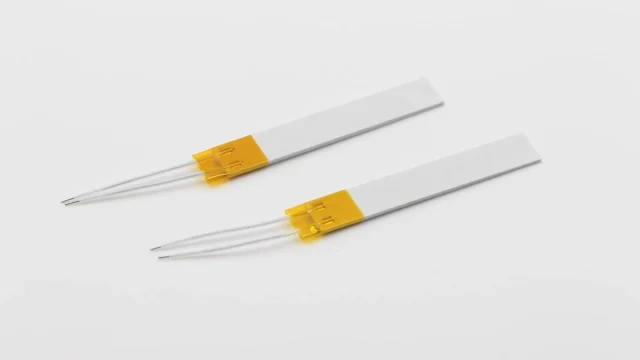
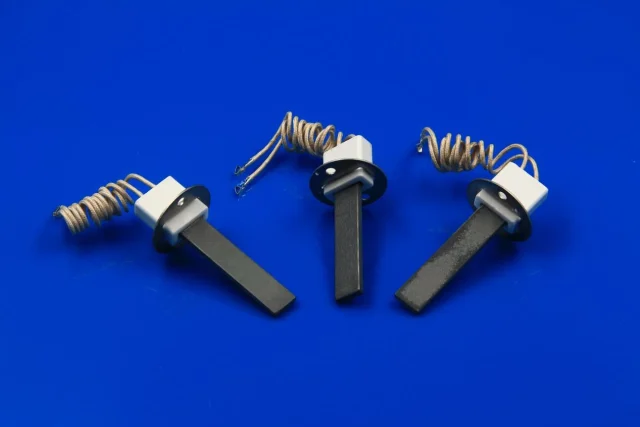
In the field of precision manufacturing, small parts manufactured by Metal Injection Molding (MIM) are used in high-end applications such as consumer electronics, automotive manufacturing, medical devices. MIM combines the properties of plastic injection molding and metal materials, enabling the mass production of complex-shaped, high-precision metal parts. The MIM production process includes mixing and granulation, injection molding, debinding, and sintering, with high-temperature sintering being the core heat treatment step. Under an inert gas atmosphere, the preform is heated to temperatures close to the metal’s melting point (typically 1600°C to 1800°C), and the metal powder particles achieve densification through atomic diffusion, ultimately becoming near-fully dense, high-strength parts.
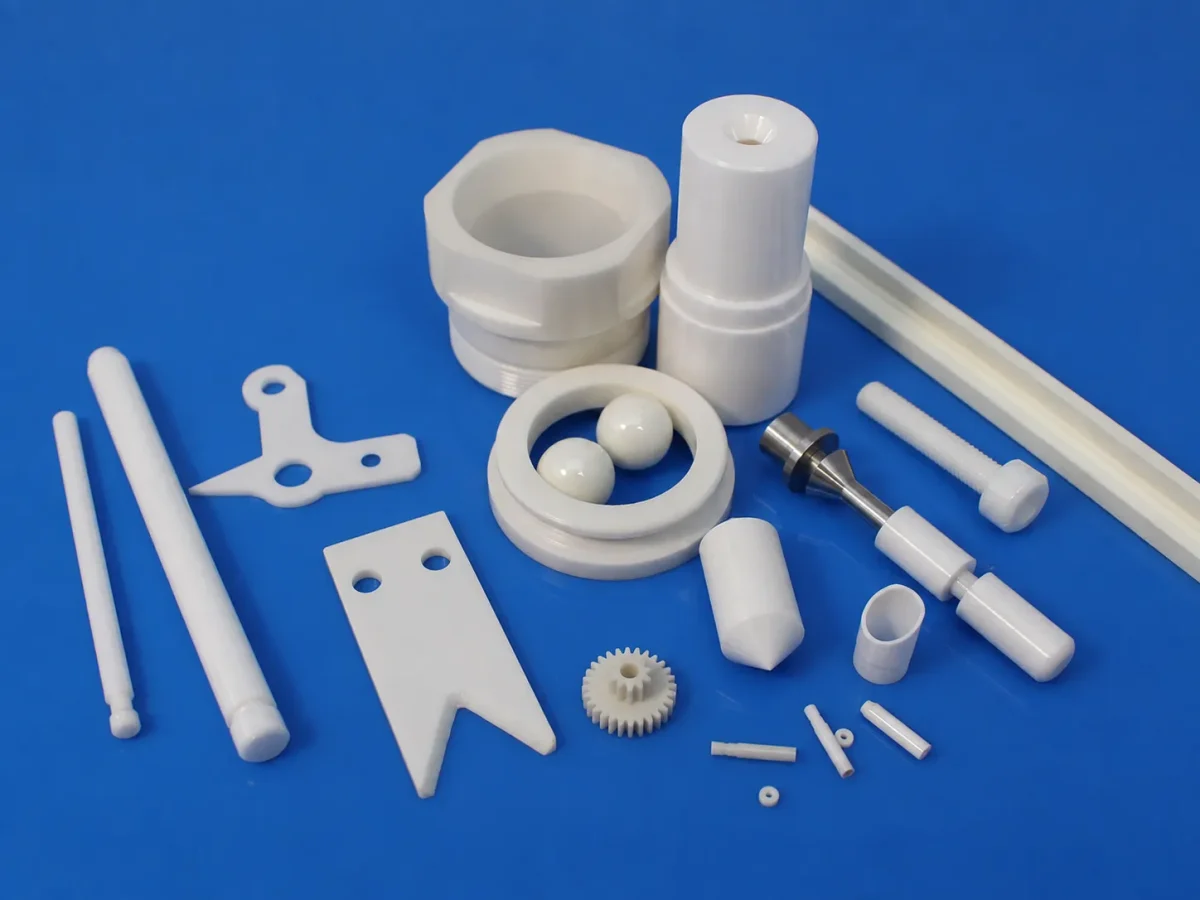
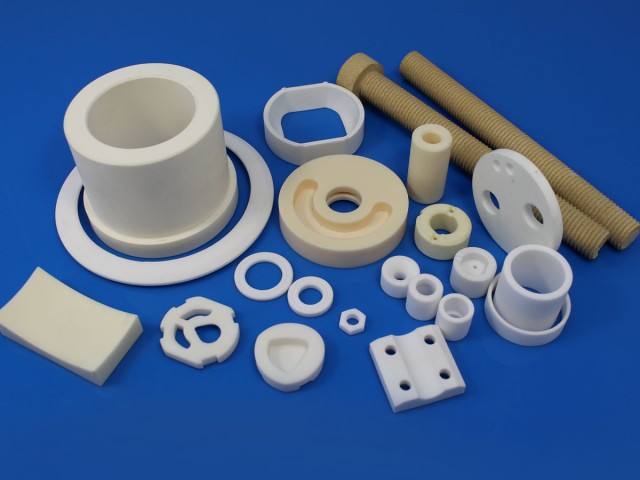
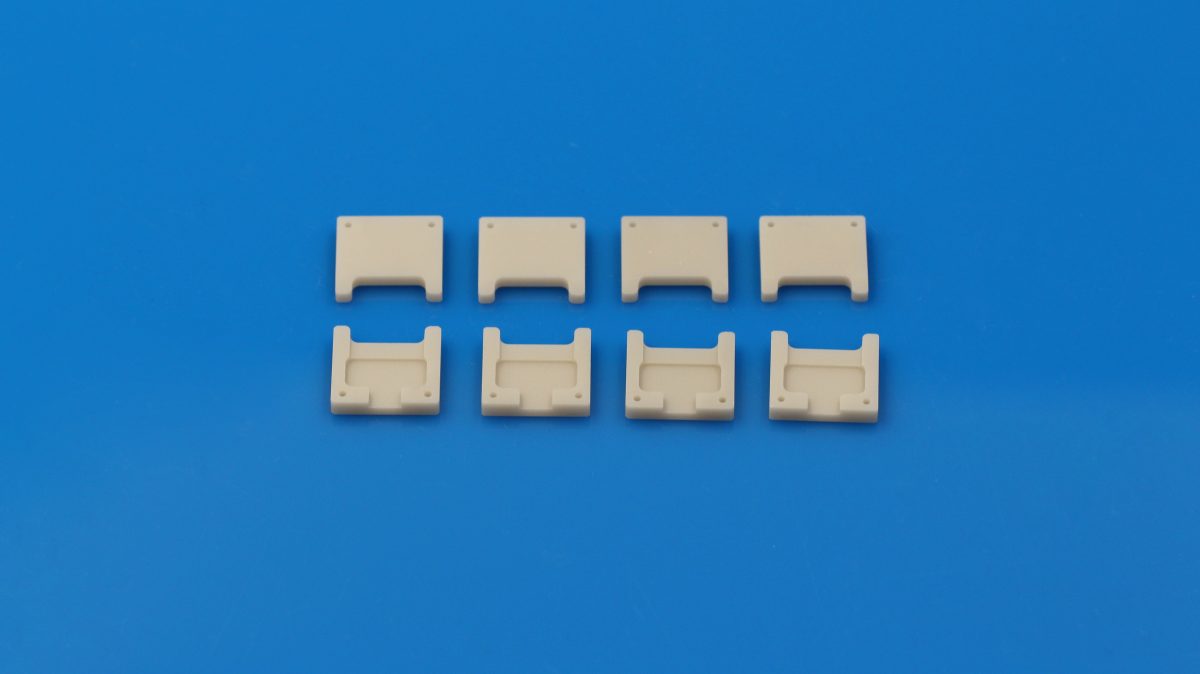
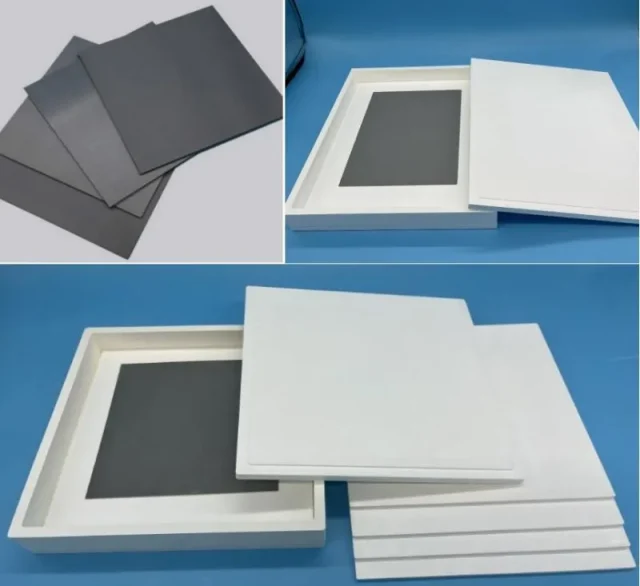
High-temperature sintering furnace furniture is an indispensable component of the heat treatment process—including firing plates, saggers, pushers, etc. Advanced ceramic manufacturers like Innovacera engineer these components to act as both “bearers” and “protectors” throughout the sintering process. These materials not only maintain structural stability in ultra-high temperature environments, effectively preventing chemical reactions or adhesion with the sintered workpiece, but also withstand the severe thermal shock of rapid temperature rises and falls. Therefore, the selection of kiln furniture materials directly affects the final quality of MIM products and the success rate of first-pass sintering.
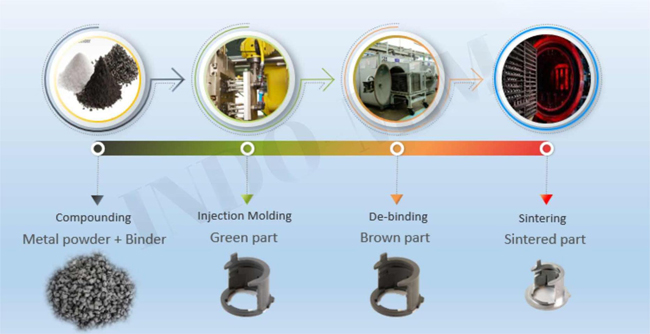
In the field of MIM sintering, alumina, zirconium oxide, and silicon carbide are the three most widely used kiln furniture materials, each with its own specific applicable scenarios and technological advantages.
| Kiln Furniture Materials | Core Application Steps | Main Component | Functional Advantages |
|---|---|---|---|
| Alumina (Al₂O₃) | Hot degreasing, main sintering | Firing plate (pad), sagger, push plate, support block, irregular jig | – High cost-performance ratio, stable chemical properties at high temperatures, and will not introduce impurities or contaminants; – excellent creep resistance at high temperatures, not easily deformed during long-term use, ensuring precise kiln temperature control; – high-purity alumina kiln furniture ensures no decarburization, no carburization, and no silicon diffusion during sintering, effectively guaranteeing good dimensional and mechanical properties of parts. |
| Silicon Carbide (SiC) | High-temperature rapid sintering | Firing plate, support strip, crucible, sagger, burner sleeve | Excellent thermal conductivity, can respond quickly to temperature changes, and has strong thermal shock resistance, making it very suitable for continuous furnace or fast-firing processes. |
| Zirconi (ZrO₂) | Specialty material sintering (titanium/titanium alloy) | Firing plate, composite coating, sagger | High chemical inertness and is resistant to acid and alkali corrosion. It can effectively prevent reactions with active metals such as titanium and titanium alloys at high temperatures, ensuring that the surface of sintered products is smooth and free of pollution, which is a guarantee for high-purity sintered materials. |