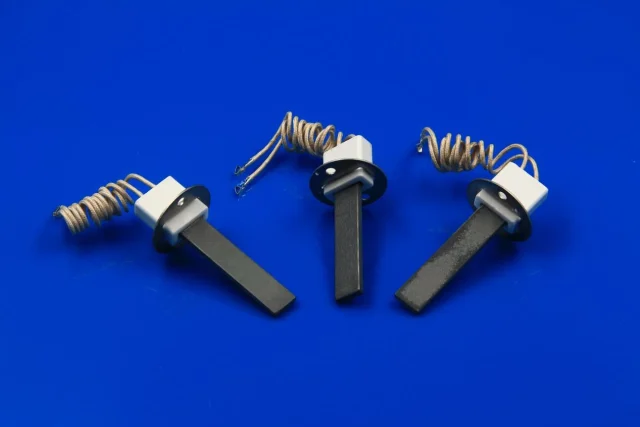
In the fields of semiconductor, optics, and high-precision electronic manufacturing, stable workpiece clamping and damage-free transfer have always been critical process steps. As process precision continues to improve, the limitations of traditional porous metal vacuum chucks in terms of uniformity, cleanliness, and long-term stability have become increasingly evident, driving the development and application of a new generation of ceramic-metal composite micro-porous vacuum chucks.
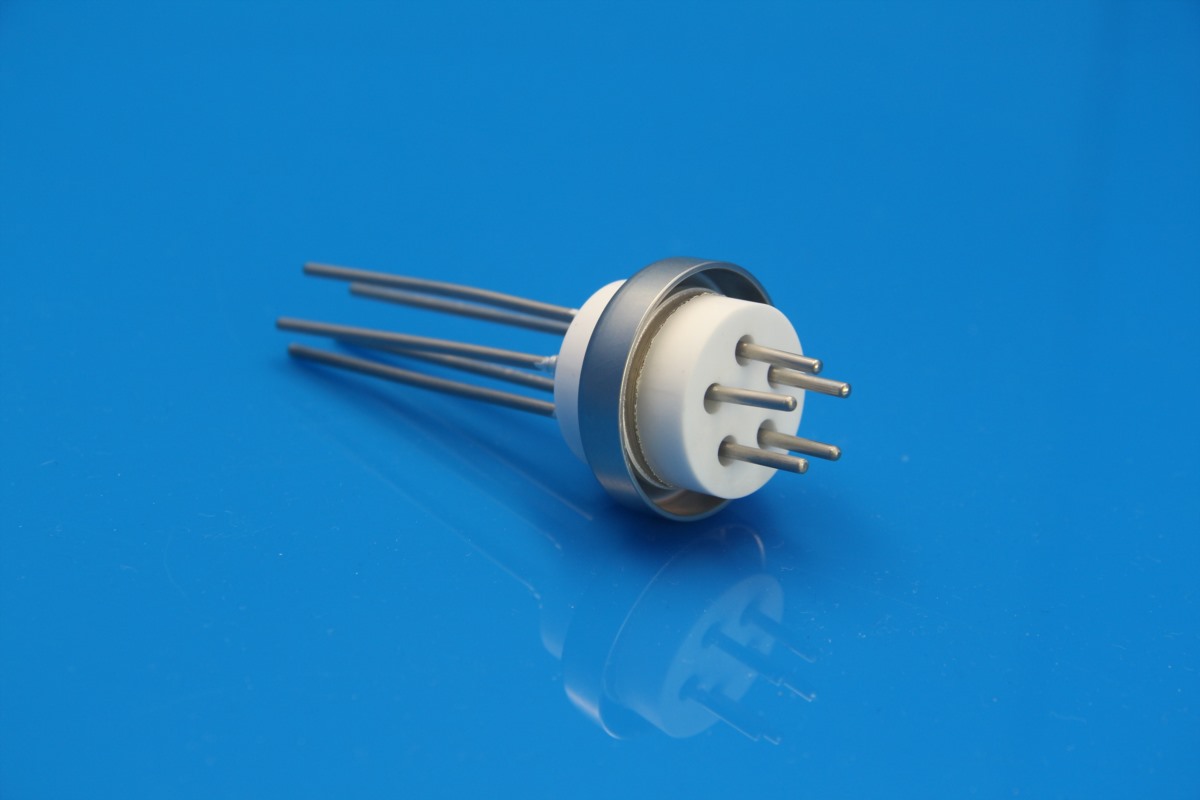
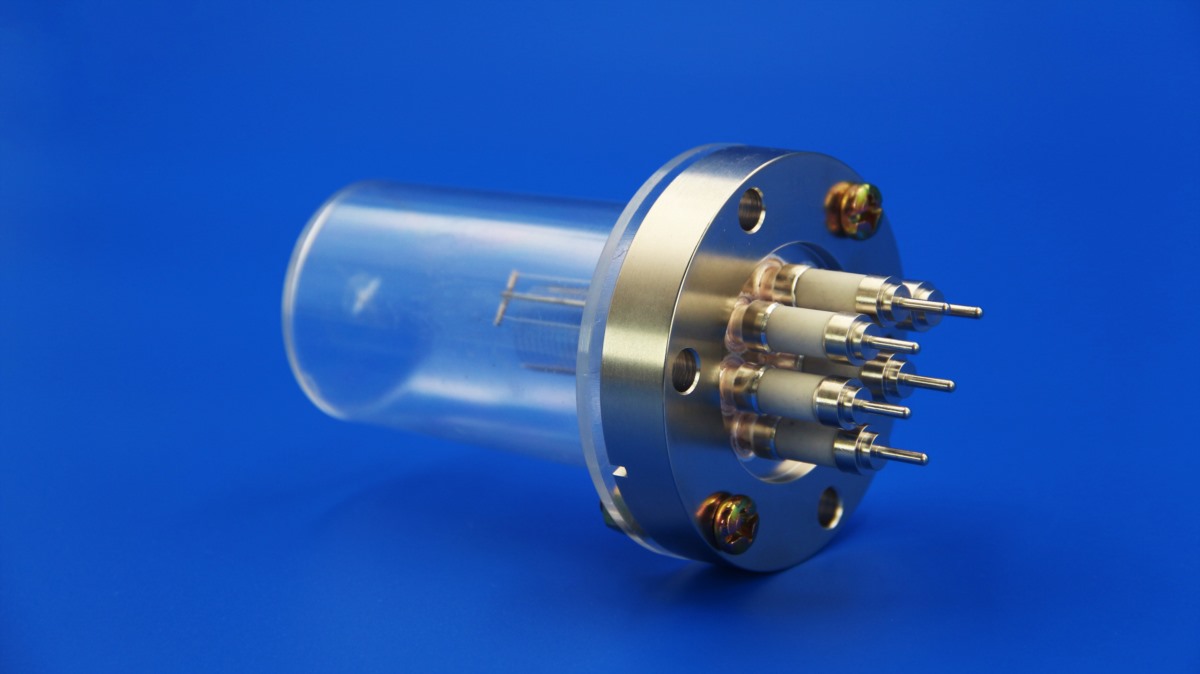
This type of vacuum suction cup typically uses high-performance microporous ceramic as the adsorption functional layer, integrated with a metal flange base structure in a unified design to achieve synergistic optimization of performance and structural strength.
01 The Key Role of Micro-porous Ceramic Adsorption Surface
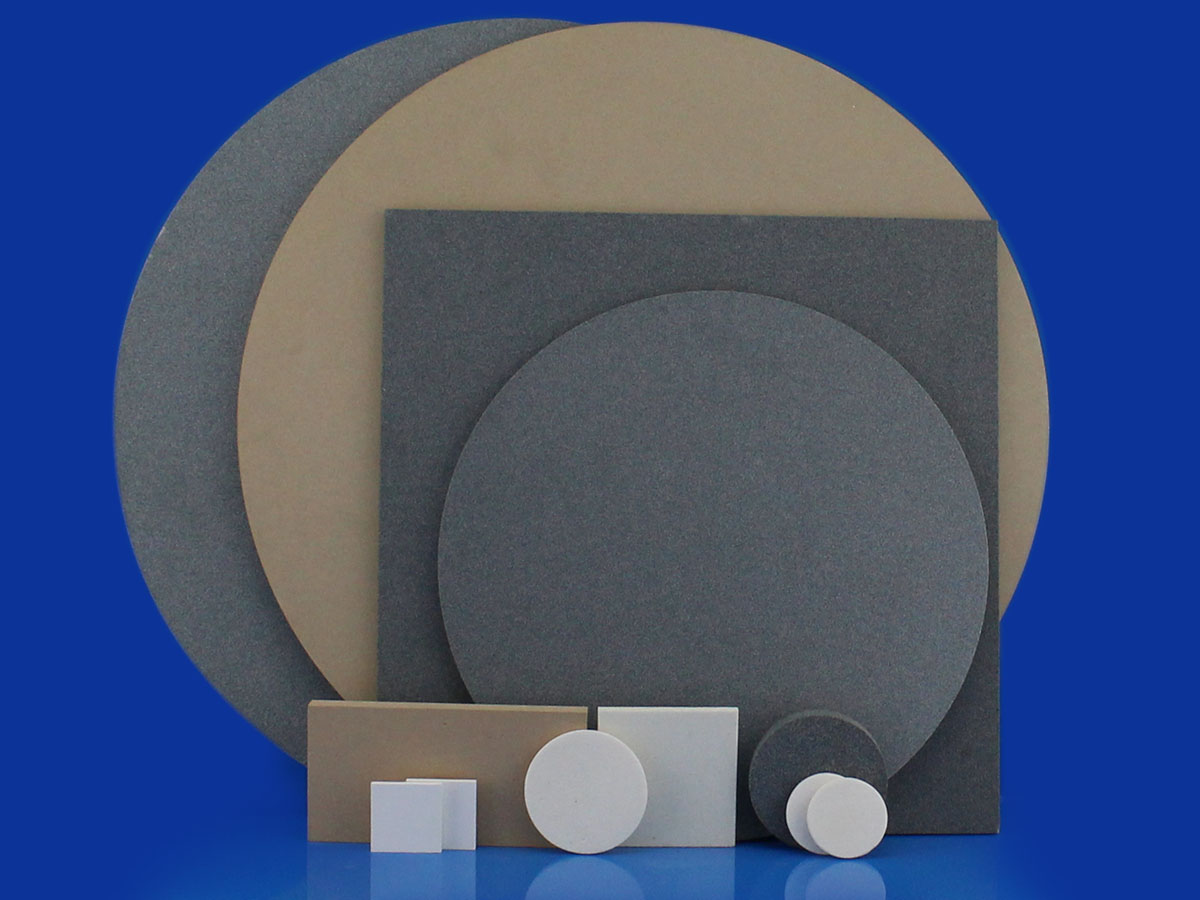
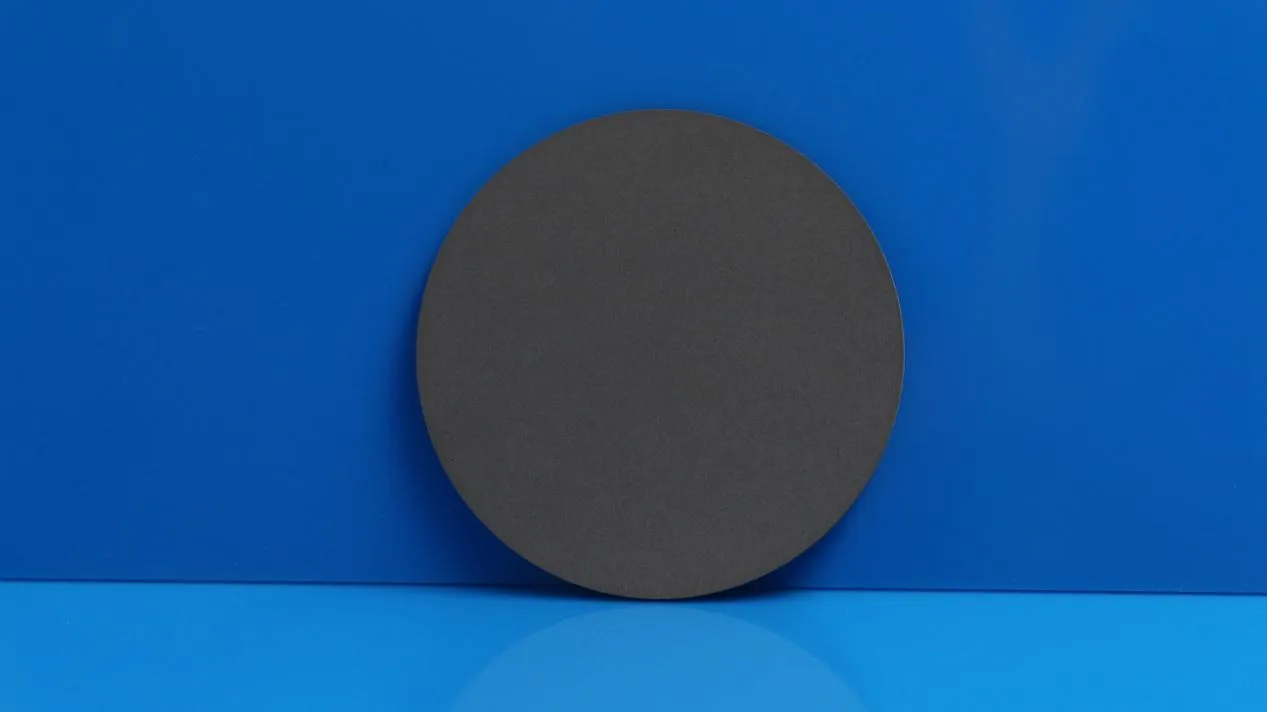
On the adsorption end face, the product employs high-purity alumina (Al2O3) or silicon carbide (SiC) micro-porous ceramic materials, which are precisely sintered to form a uniformly distributed micro-porous structure. This structure enables:
• Uniform distribution of vacuum pressure, avoiding localized stress concentration
• Stable and scratch-free adsorption support for wafers, glass, and thin-film materials
• High surface cleanliness, reducing the risk of particulate contamination
Compared to traditional porous metal materials, micro-porous ceramics offer superior performance in pore size consistency and surface stability. However, optimization must still be achieved through system design under different process conditions and application environments.
02 Structural Reinforcement Design of Metal Flange Base
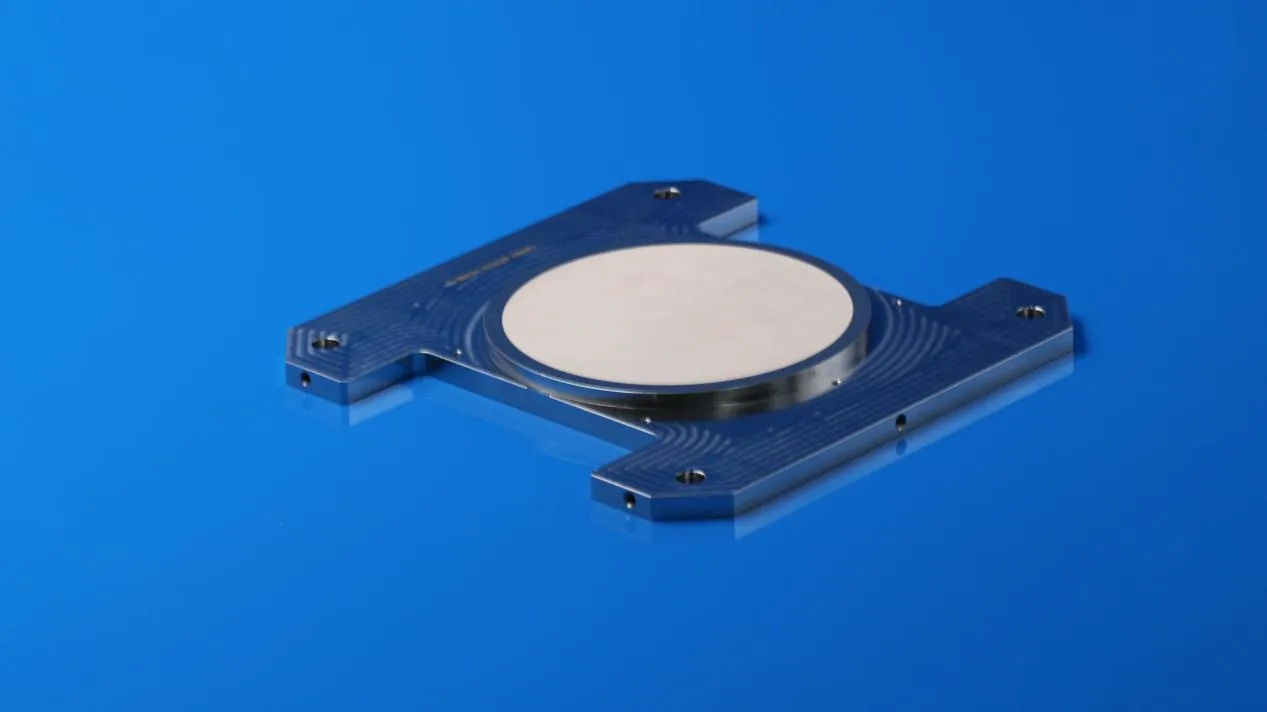
In structural design, the micro-porous ceramic layer is bonded to the metal flange base via high-vacuum brazing sealing technology, forming an integrated vacuum adsorption unit. The metal component serves the following functions:
• Providing high mechanical strength and impact resistance
• Enhancing overall installation and interface compatibility
• Optimizing the vacuum sealing path to reduce leakage risks
This composite design—“ceramic functional surface + metal structural frame”—ensures excellent structural stability and reliability in automated handling and high-frequency usage scenarios.
03 Comparative Analysis of Traditional Metal Suction Cups and Ceramic Composite Suction Cups
To more intuitively demonstrate the technological advantages of the new generation of composite structure suction cups, in combination with the requirements of the precision manufacturing industry, the core performance of the two mainstream vacuum suction cups is compared to clearly meet the selection needs for different production scenarios:
| Performance Dimension | Traditional Metal Porous Vacuum Chuck | Ceramic-Metal Composite Microporous Vacuum Chuck |
|---|---|---|
| Pore Uniformity | Large deviation and uneven distribution, easily causing local negative pressure difference | Uniform micropore arrangement and high consistency, achieving stable full-area negative pressure |
| Surface Cleanliness | Prone to oxidation and debris shedding, risking metal particle contamination | Chemically inert ceramic surface without impurity precipitation, suitable for high-cleanliness workshops |
| Wear Resistance | Low surface hardness, easy to wear, deform and block pores under long-term operation | High-hardness ceramic surface, wear and aging resistant, greatly extended service life |
| Workpiece Adaptability | Easily scratches thin sheets and wafers, causing warpage of ultra-thin workpieces | Smooth and delicate surface for damage-free clamping, compatible with various precision thin workpieces |
| Structural Stability | Prone to deformation and air leakage under long-term high-frequency operation with poor stability | Integrated ceramic-metal composite structure with strong impact resistance and air tightness |
| Application Scenarios | General processing, low-cleanliness and cost-effective mass production scenarios | High-precision processes for semiconductors, optics and high-end precision electronics |
04 Application Value in Precision Manufacturing
Ceramic-metal composite micro-porous vacuum suction cups are widely used in the following fields:
• Semiconductor wafer handling and alignment processes
• Flat panel display (LCD/OLED) substrate processing
• Fixturing for optical lens grinding and polishing
• High-precision processing of ceramic and thin-film materials
In practical applications, different devices have varying requirements for adsorption uniformity, cleanliness, and long-term operational stability. This type of product is typically used as one of the key functional components in vacuum clamping systems.
Conclusion
With the continuous advancement of semiconductor and precision manufacturing technologies, vacuum gripping technology is gradually evolving toward ceramic composite structures. Ceramic-metal composite micro-porous vacuum suction cups, through synergistic design of materials and structure, provide a more stable and cleaner adsorption solution for high-precision manufacturing processes.
INNOVACERA offers customized micro-porous ceramic vacuum suction cup solutions tailored to customer application needs, covering various material systems such as alumina and silicon carbide, along with diverse structural designs, to meet the varied requirements of semiconductor, optical, and precision automation equipment. Feel free to contact us for more information.