How Does a Ceramic Igniter Work? Understanding the Technology Behind Reliable Ignition
When you turn on your gas grill, pellet stove, or water heater, something remarkable happens behind the scenes. Within seconds, a small ceramic component heats up to over 1,000°C and ignites the fuel. No pilot light. No spark. Just clean, reliable ignition every time. Based on my experience, this technology has transformed how we light fuel-burning appliances.
What Is a Ceramic Igniter?
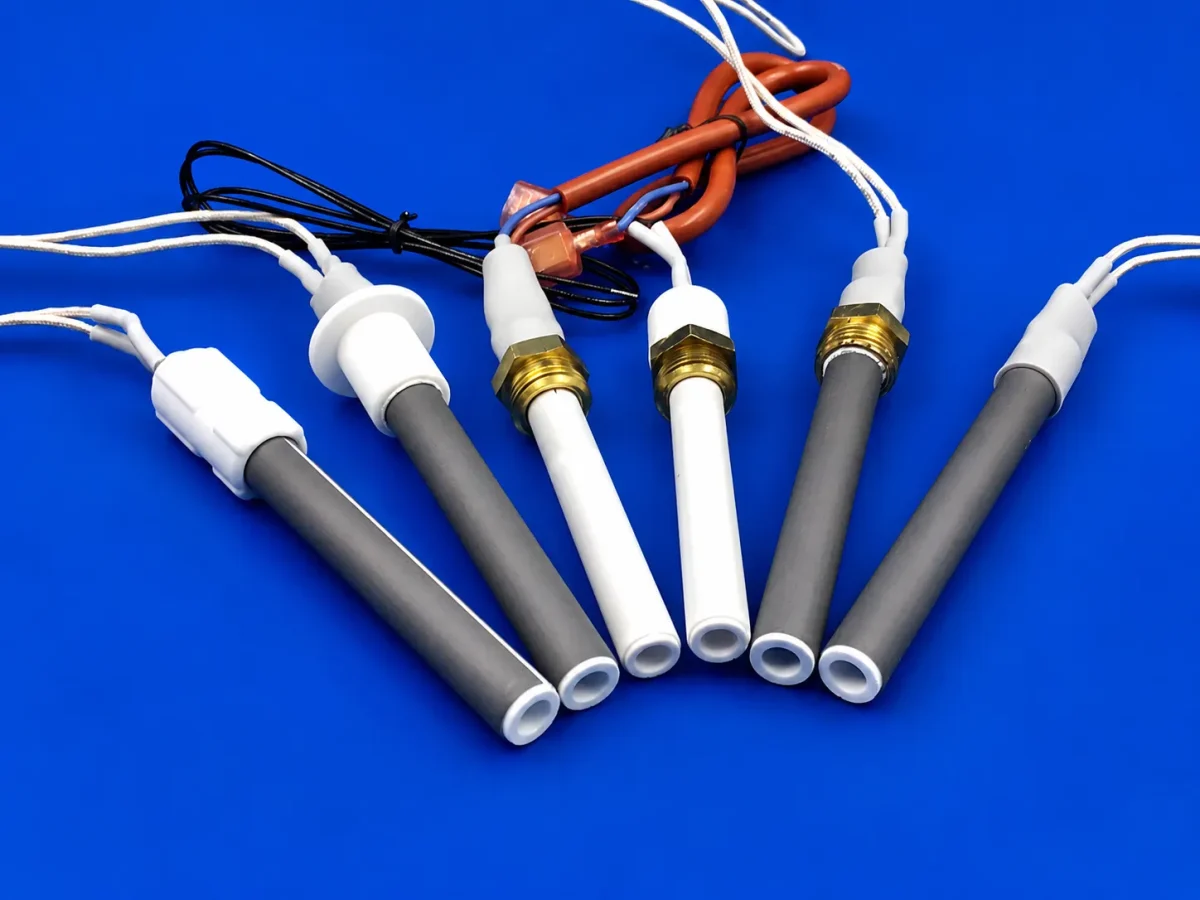
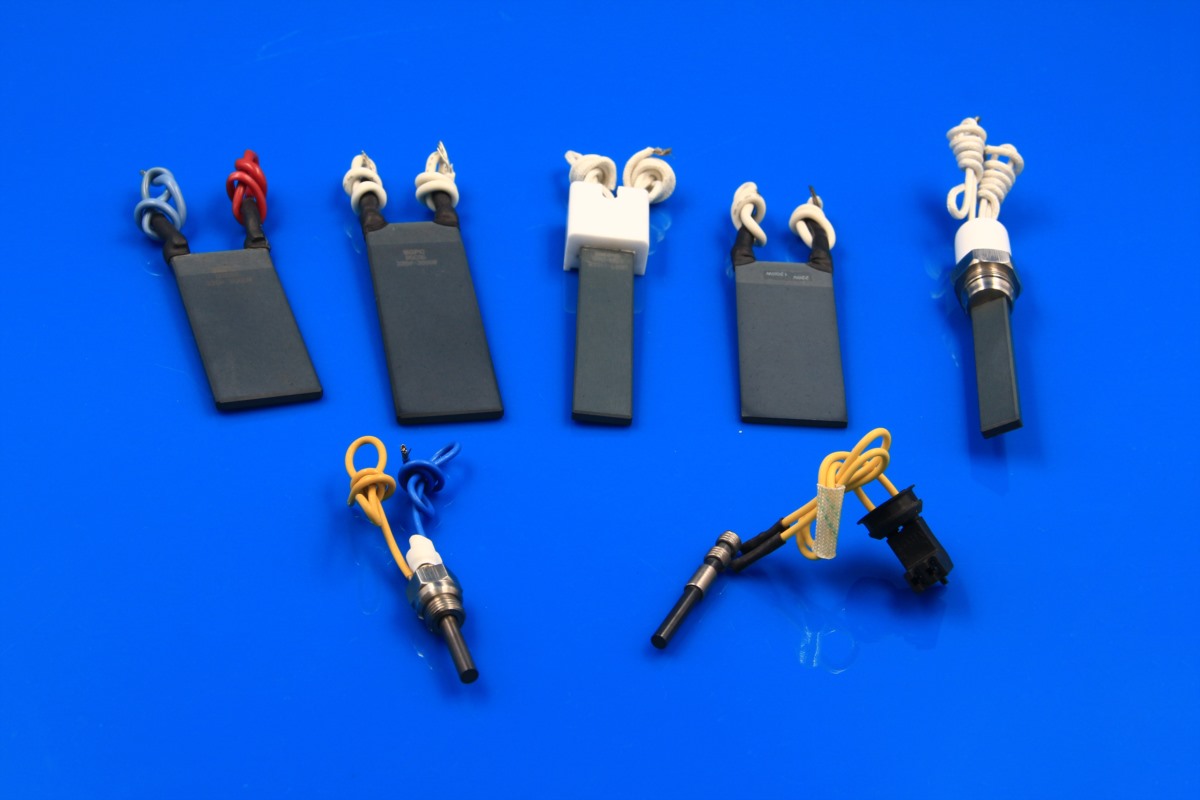
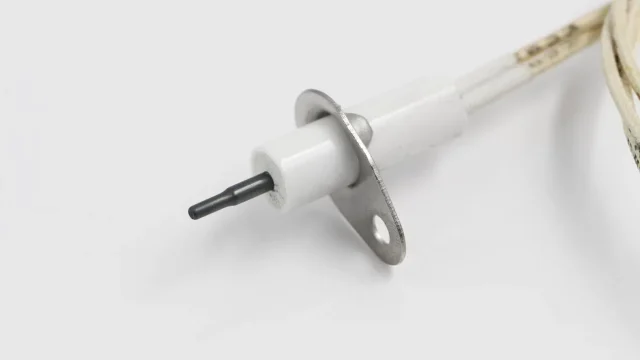
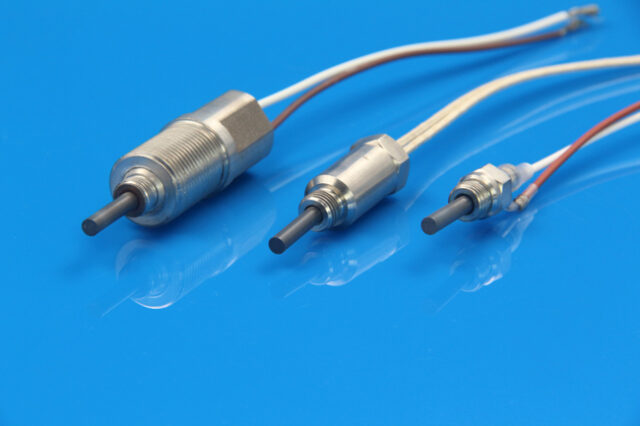
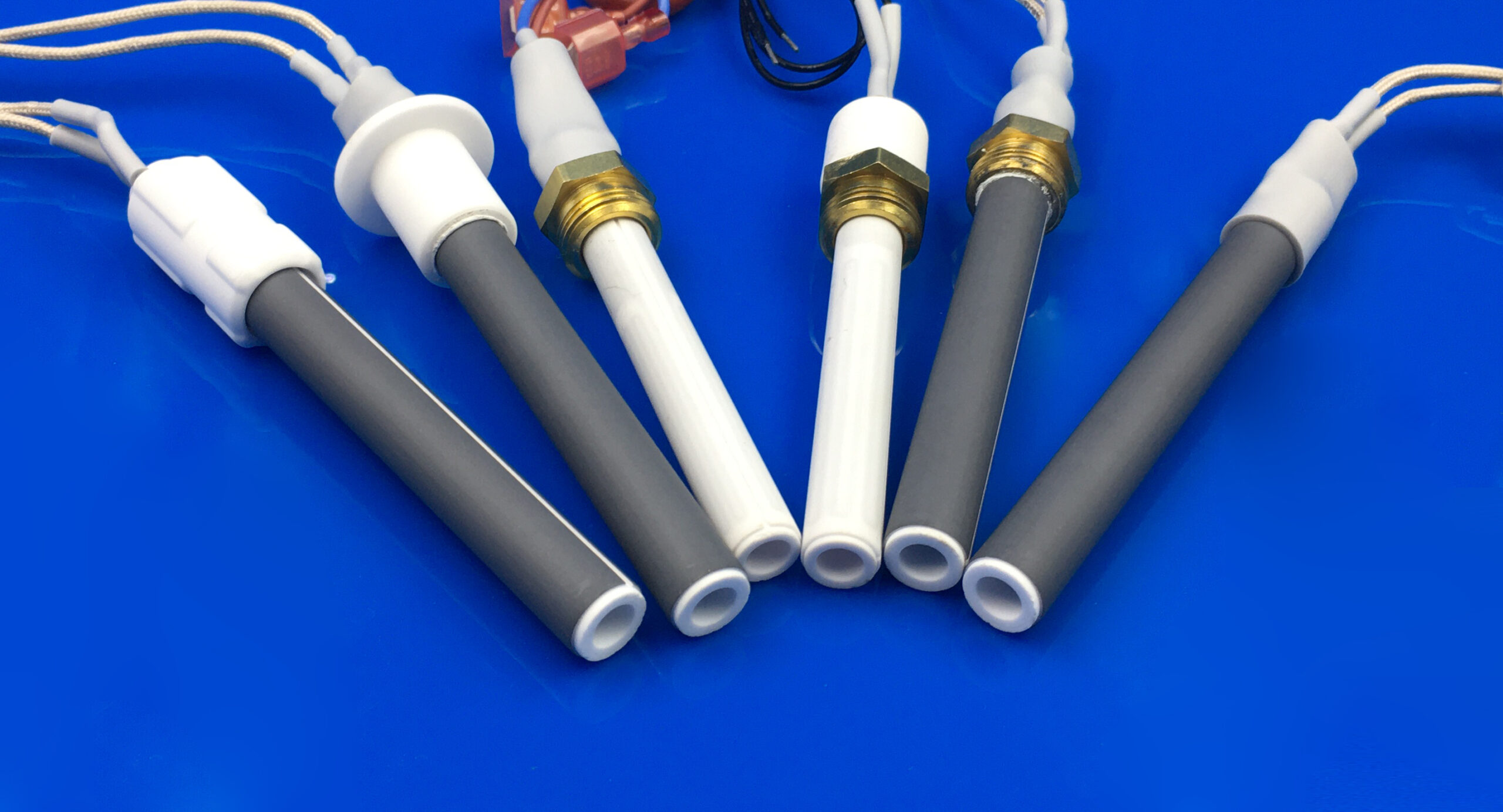
A ceramic igniter is a heating element made from advanced ceramic materials, typically silicon nitride (Si3N4) or silicon carbide (SiC). Unlike traditional spark igniters or standing pilot lights, it uses electrical resistance heating to reach temperatures high enough to ignite gas or solid fuel.
The core component is a ceramic rod or plate with embedded heating elements. When electricity passes through these elements, resistance generates heat. The ceramic material conducts this heat to the surface, creating a glowing hot zone that ignites fuel on contact.
Key Specifications and Properties
Here’s what makes ceramic igniters perform so well:
| Property | Value | Notes |
|---|---|---|
| Operating Temperature | 1,000-1,350°C | Ignition surface temperature |
| Heat-up Time | 10-60 seconds | Depends on design and power |
| Electrical Power | 50-400W | During ignition phase |
| Operating Voltage | 120V / 240V AC | Common residential voltages |
| Ceramic Material | Silicon Nitride / Silicon Carbide | High thermal shock resistance |
| Thermal Shock Resistance | Excellent | Withstands rapid heating/cooling |
| Typical Lifespan | 3-7 years | Varies by application |
| Response Time | 2-5 seconds to glow | Visible red/orange glow |
How the Ignition Process Works
The operation follows a simple but elegant sequence:
Step 1: Power Application
When you demand heat, the control system sends electricity to the igniter. Current flows through the resistive heating element embedded in the ceramic body.
Step 2: Rapid Heating
The heating element reaches temperatures of 1,000°C or higher within seconds. The ceramic material distributes this heat evenly across the surface.
Step 3: Fuel Exposure
Gas flows across the glowing hot surface. Solid fuel pellets drop near the igniter. The intense heat vaporizes and ignites the fuel.
Step 4: Sustained Combustion
Once ignition occurs, the flame sustains itself. The control system can then turn off power to the igniter or keep it on for continuous ignition in some applications.
Why Ceramic Materials?
Ceramics excel in this application for several reasons:
High Temperature Capability
Metals soften and oxidize at these temperatures. Ceramics maintain structural integrity even at 1,300°C. This allows higher surface temperatures and more reliable ignition.
Thermal Shock Resistance
The igniter heats from room temperature to over 1,000°C in seconds. Then it cools rapidly when power shuts off. Ceramic materials handle these extreme thermal gradients without cracking.
Electrical Insulation
The ceramic body insulates the heating element electrically while conducting heat efficiently. This keeps current flowing where it should and heat going where it’s needed.
Chemical Stability
Ceramics resist oxidation and chemical attack from combustion byproducts. This stability contributes to the long service life.
Applications Across Industries
Ceramic igniters have found their way into numerous applications:
Residential Heating
Gas furnaces, boilers, and water heaters use ceramic igniters for reliable ignition. They replace older standing pilot lights, saving energy and improving safety.
Pellet Stoves and Boilers
Wood pellet heating systems depend on ceramic igniters to start combustion. The igniter heats pellets to their ignition temperature, starting the burn cycle.
Gas Grills and Cooking Appliances
Many modern gas grills use ceramic igniters instead of piezo spark systems. The hot surface provides more reliable ignition, especially in windy conditions.
Commercial Cooking Equipment
Restaurant ovens, fryers, and grills benefit from the reliability and long life of ceramic ignition systems.
Industrial Burners
Larger industrial heating systems use scaled-up ceramic igniters for reliable ignition of process heating equipment.
Advantages Over Traditional Ignition
Compared to standing pilot lights, ceramic igniters offer significant benefits:
Energy Savings
A standing pilot light burns continuously, consuming 5-10 therms of gas per month. A ceramic igniter only uses energy during ignition, typically 30-60 seconds per heating cycle.
Safety Improvement
No continuous flame means no risk of pilot light extinguishment and gas buildup. The igniter only operates when ignition is needed.
Reliability
Spark igniters can fail due to electrode wear, moisture, or misalignment. Ceramic igniters have no moving parts and fewer failure modes.
Environmental Benefits
Reduced gas consumption means lower emissions. The energy savings across millions of appliances add up to significant environmental impact.
Design Considerations
When integrating ceramic igniters, engineers must consider several factors:
Power Supply
The igniter needs adequate electrical power during startup. Undersized transformers or weak power supplies lead to slow heating and unreliable ignition.
Mounting Position
The igniter must contact or closely approach the fuel stream. Proper positioning ensures reliable ignition without flame impingement on the ceramic.
Heat Management
After ignition, the igniter may continue to experience radiant heat from the flame. The design must handle these conditions without degradation.
Control Strategy
Some systems keep the igniter powered continuously during operation. Others cycle it off after ignition. The control strategy affects energy consumption and igniter life.
Troubleshooting Common Issues
Even reliable technology sometimes needs attention:
Slow Ignition
If the igniter takes longer than normal to glow, check the power supply voltage. Low voltage means less power and slower heating.
No Ignition
A cracked igniter may not reach sufficient temperature. Visual inspection can reveal damage. Resistance measurement confirms element integrity.
Short Life
Frequent cycling or continuous operation accelerates wear. Check the control system to ensure proper cycling. Verify the igniter rating matches the application.
Future Developments
Ceramic igniter technology continues to evolve:
Faster Response
New materials and designs aim to reduce heat-up time to under 5 seconds. This improves user experience and reduces energy consumption further.
Higher Temperatures
Advanced ceramics promise surface temperatures above 1,400°C. This enables ignition of harder-to-light fuels and improves reliability in challenging conditions.
Smart Integration
Integration with electronic controls allows precise power management. The system can adjust power based on conditions, optimizing performance and life.
Lower Power
More efficient heating elements reduce power requirements. This enables use in battery-powered or energy-harvesting applications.
Conclusion
Ceramic igniters represent a mature technology that continues to improve. Their combination of reliability, efficiency, and safety has made them the ignition method of choice for modern fuel-burning appliances.
Whether you’re designing a new heating system or troubleshooting an existing one, understanding how ceramic igniters work helps you make better decisions. The technology is straightforward, but the benefits are significant.
For appliance manufacturers and HVAC professionals, ceramic igniters offer a proven solution that meets modern efficiency and safety requirements. As energy costs rise and environmental concerns grow, their advantages become even more compelling.