Generally, when the content of active elements is between 2% and 8%, the activity can be maintained well. If the content of active elements is too high, the brittleness of the solder will increase, thereby reducing the strength of the sealing surface; while if the content is too low, the wetting property of the solder on the ceramic will decrease, making the sealing difficult to complete.
Advantages
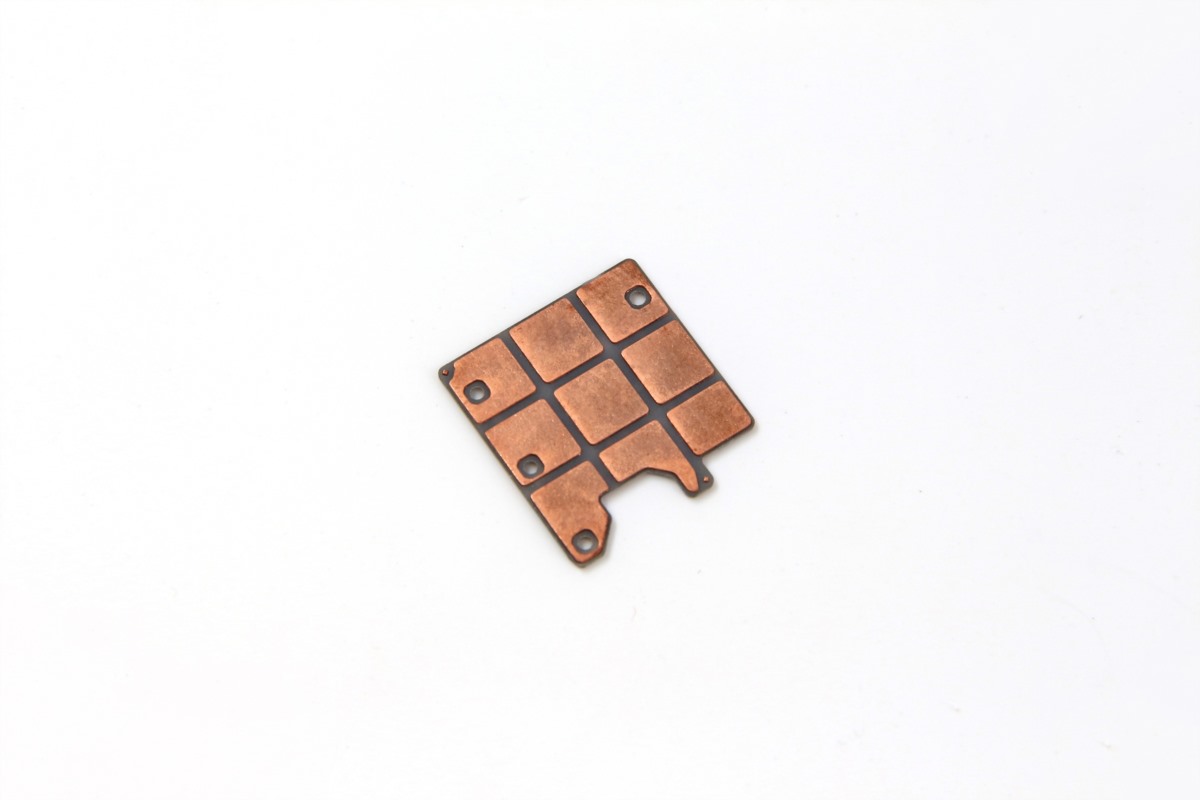
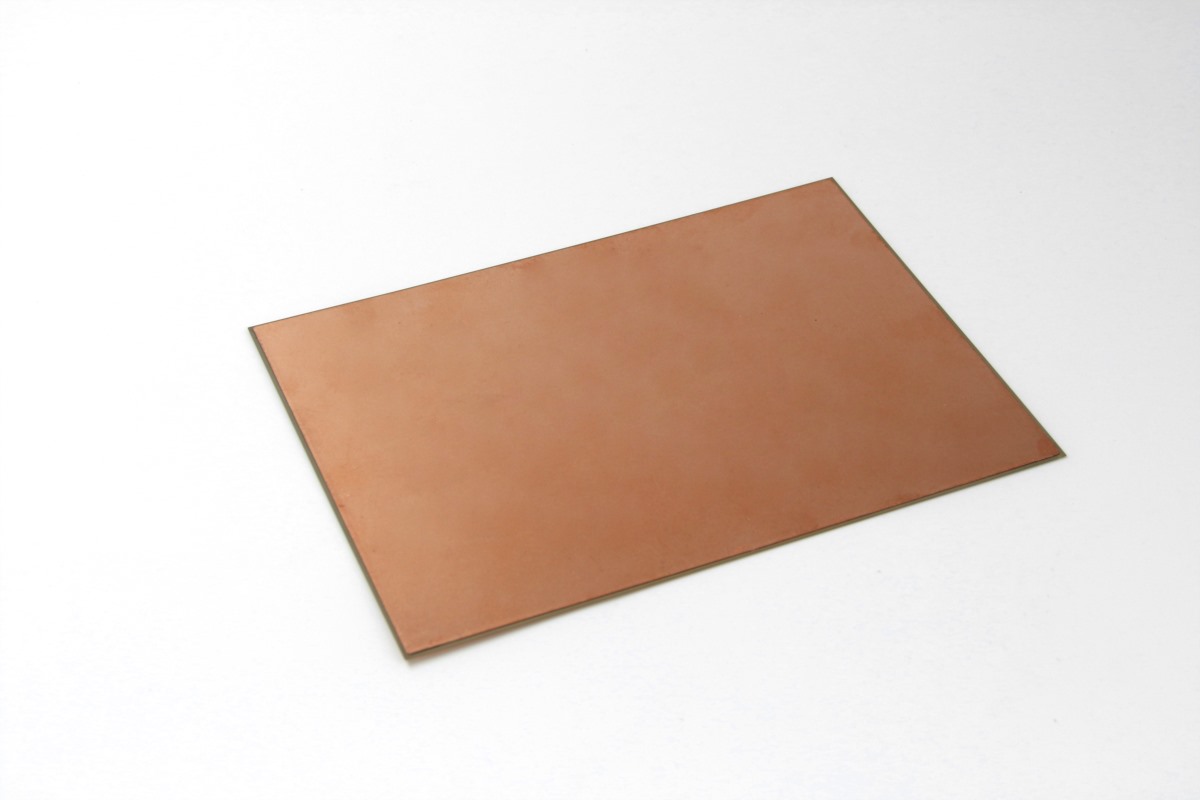
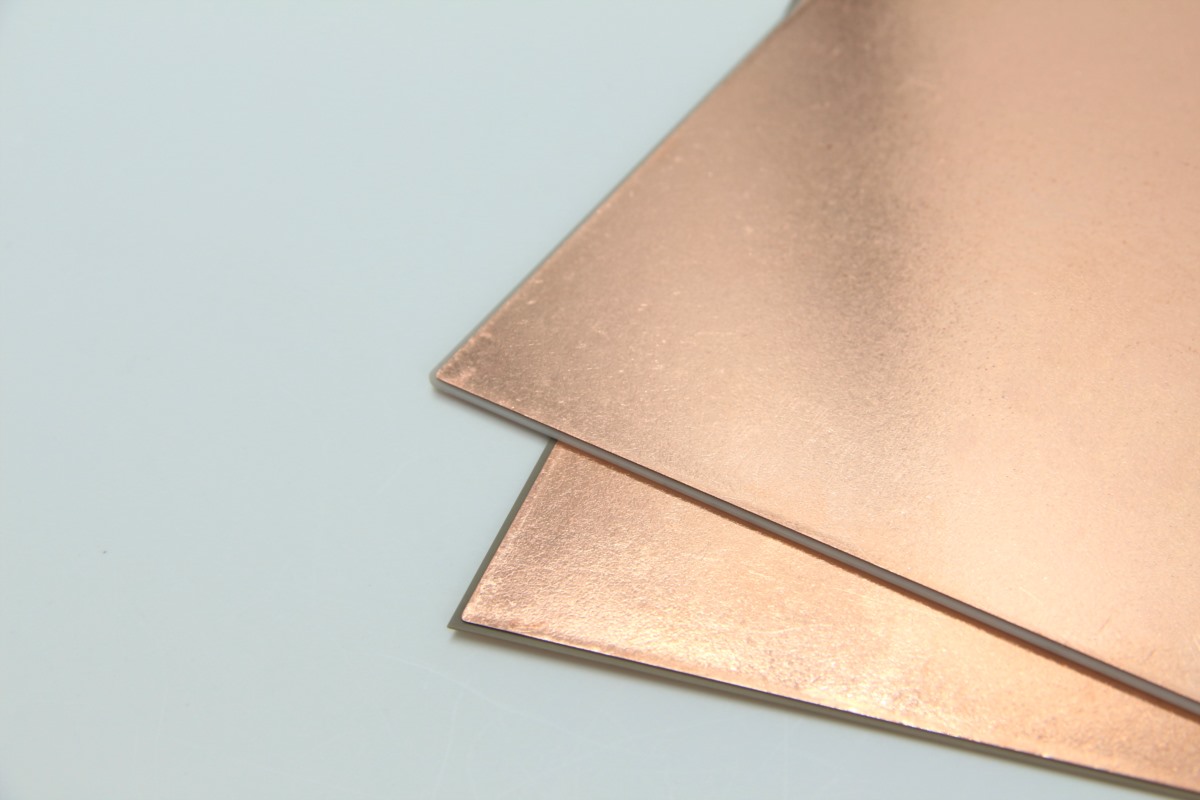
The combination is achieved by chemical reaction between ceramic and active metal solder paste at high temperature, so its bonding strength is higher and reliability is better;
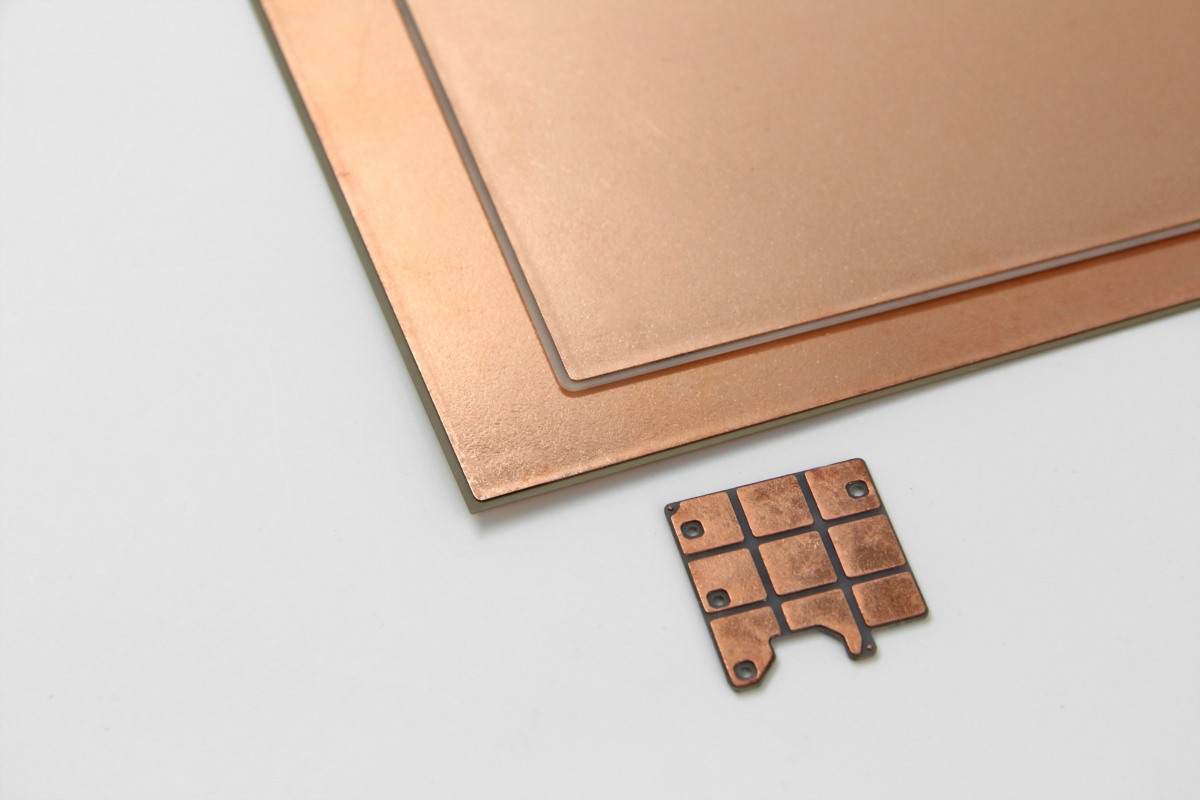
- Could have different thickness of copper on one plate;
- Environmental frindly;
- Strong cold and heat resistance;
- Easy full automation, production efficiency high, low production cost;
- Copper thickness 0.1-0.5mm,very suitable for high power device packaging.
Applications:
- SiC power modules
- IGBT modules
- Electric drive inverters
- Photovoltaic inverters
- Wind energy converters
- Industrial frequency converters
- High-power switching power supplies
- 5G base station power supplies
- High-power power supplies for data centers
- Communication RF modules
Properties
| Material | Item | Value |
| Si3N4 | Composition | 96% SiN |
| Thickness (mm) | 0.2,0.32,0.35,0.635,0.4-1.5 | |
| Density(g/cm3) | 3.2±0.25 | |
| Thermal Conductivity (20℃,W/m·k) | 85+ | |
| Flexural Strength (MPa) | 700-800 | |
| Dielectric Constant (IMHz) | 8 | |
| Dielectric Loss (IMHz) | 0.001 | |
| Dielectric Strength (KV/mm) | 20 | |
| Volume Resistivity (Ω/cm) | 1014 | |
| ALN | Composition | 96% ALN |
| Thickness (mm) | 0.25,0.32,0.635 | |
| Density (g/cm3) | 3.3 | |
| Thermal Conductivity (20°C,W/m·k) | 170+ | |
| Flexural Strength (MPA) | 350 | |
| Dielectric Constant (IMHz) | 9 | |
| Dielectric Loss (IMHz) | 0.0005 | |
| Dielectric Strength (KV/mm) | 20 | |
| Volume Resistivity (Ω/cm) | 1014 | |
| Copper | Material | Oxygen-free Copper |
| Purity (%) | 99.99 | |
| Hardness (HV) | 60-110 | |
| Conductivity (MS/m) | 58.6 | |
| Thickness (mm) | 1.2,1.0,0.8,0.5,0.4,0.3,0.25,0.2 | |
| AMB Substrate |
Largest Size (mm) | 190*140 |
| Line Spacing (mm) | ≥0.5 | |
| Line Width (mm) | Customized | |
| Peel Strength of Copper Layer (minimum) (N/mm) |
>10 | |
| Solderability(%) | >95% | |
| Delivery Method | Small Pieces or Panel | |
| Surface States (um) | CU/AU/AG |
Declaration: This is an original article of INNOVACERA®. Please indicate the source link when reprinting: https://www.innovacera.com/product/amb-ceramic-substrate
Frequently Asked Questions
What is AMB Ceramic Substrate? How does Active Metal Brazing bond ceramic and metal?
AMB (Active Metal Brazing) ceramic substrate is a highly reliable electronic packaging material designed for high-power applications. The bonding is achieved through a high-temperature chemical reaction where active elements like Titanium (Ti) and Zirconium (Zr) in the solder paste react with the ceramic. Maintaining the active element content between 2% and 8% is critical: too high increases brittleness, while too low reduces wettability. This chemical bonding results in an exceptionally high peel strength (>10 N/mm) and superior thermal cycling resistance.
What are the differences between Si3N4 and AlN AMB substrates? Which applications are they suitable for?
The primary differences lie in their mechanical and thermal properties. Si3N4 (Silicon Nitride) AMB substrates feature high flexural strength (700-800 MPa) and outstanding thermal shock resistance, making them ideal for high-stress environments. AlN (Aluminum Nitride) AMB substrates offer superior thermal conductivity (170+ W/m·k) for rapid heat dissipation. Both types are widely used in demanding power electronics, including SiC power modules, IGBT modules, electric drive inverters, 5G base stations, and data center power supplies.