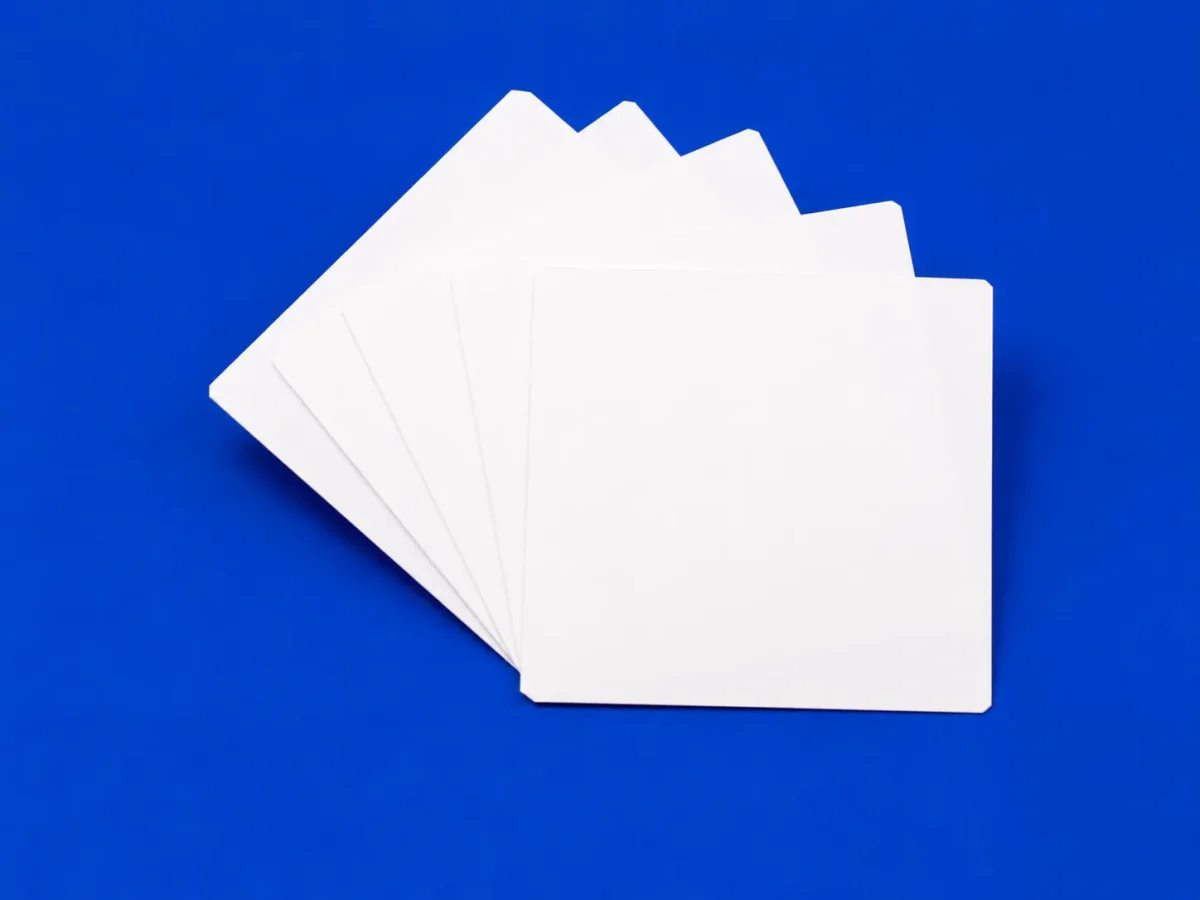
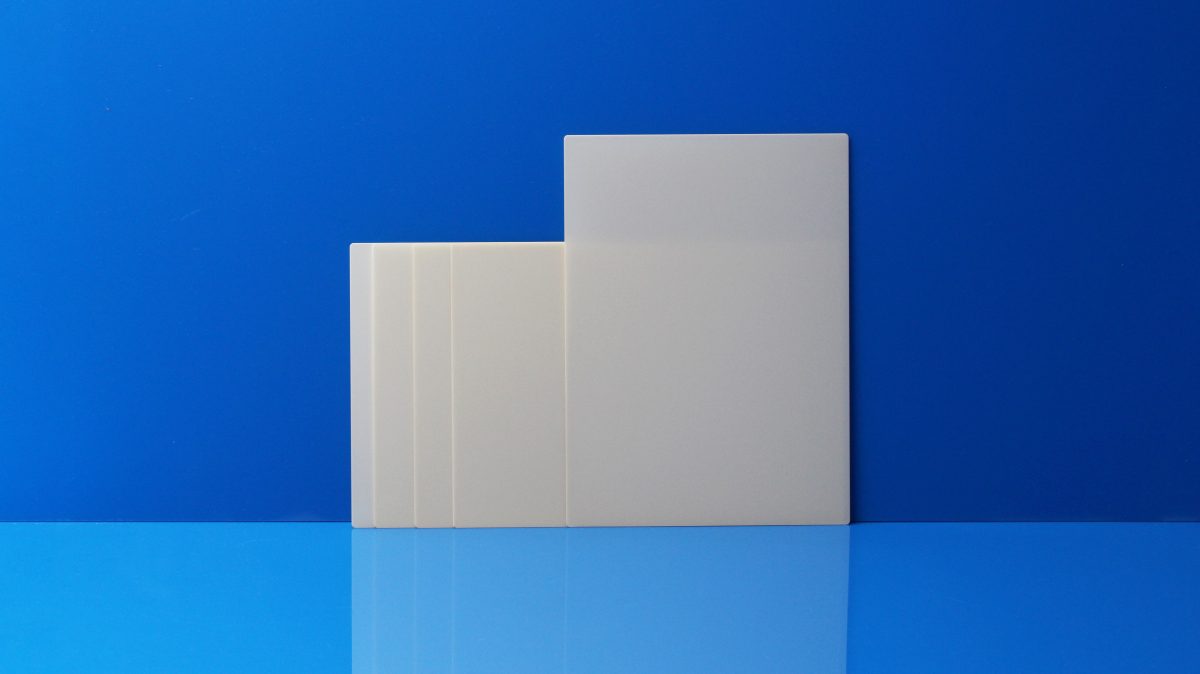
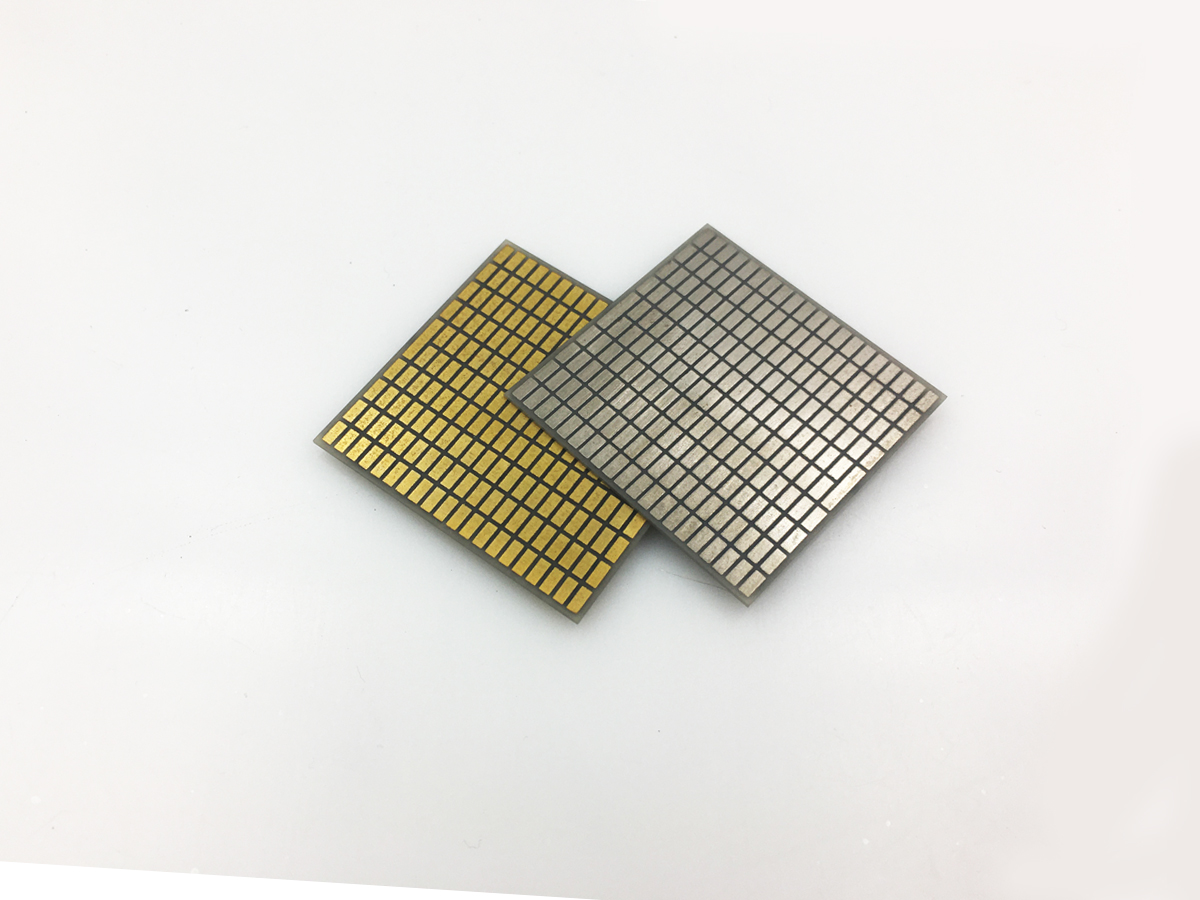
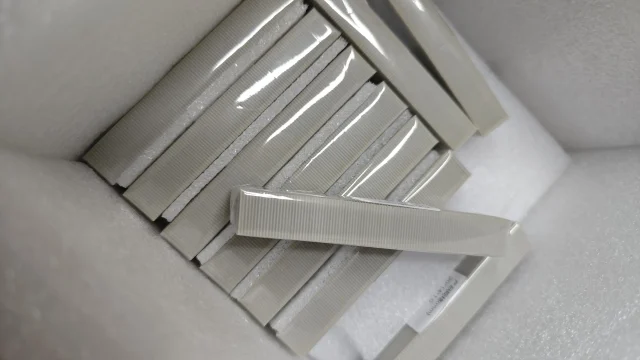
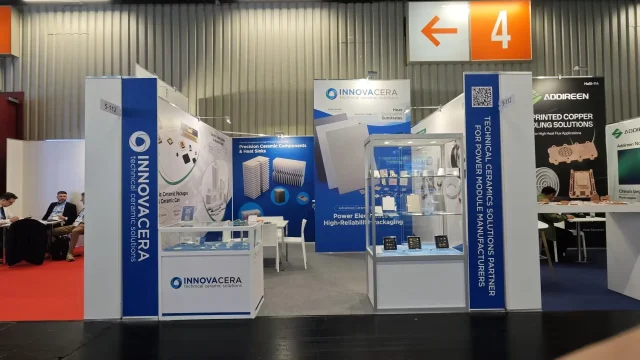
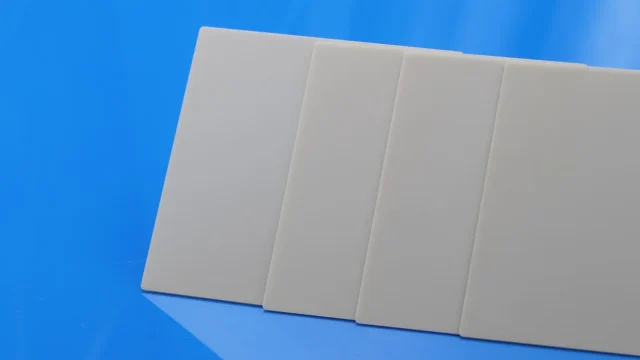
Ceramic Circuit Board offers outstanding heat dissipation and high current-carrying capacity, making it widely used in high-power applications.
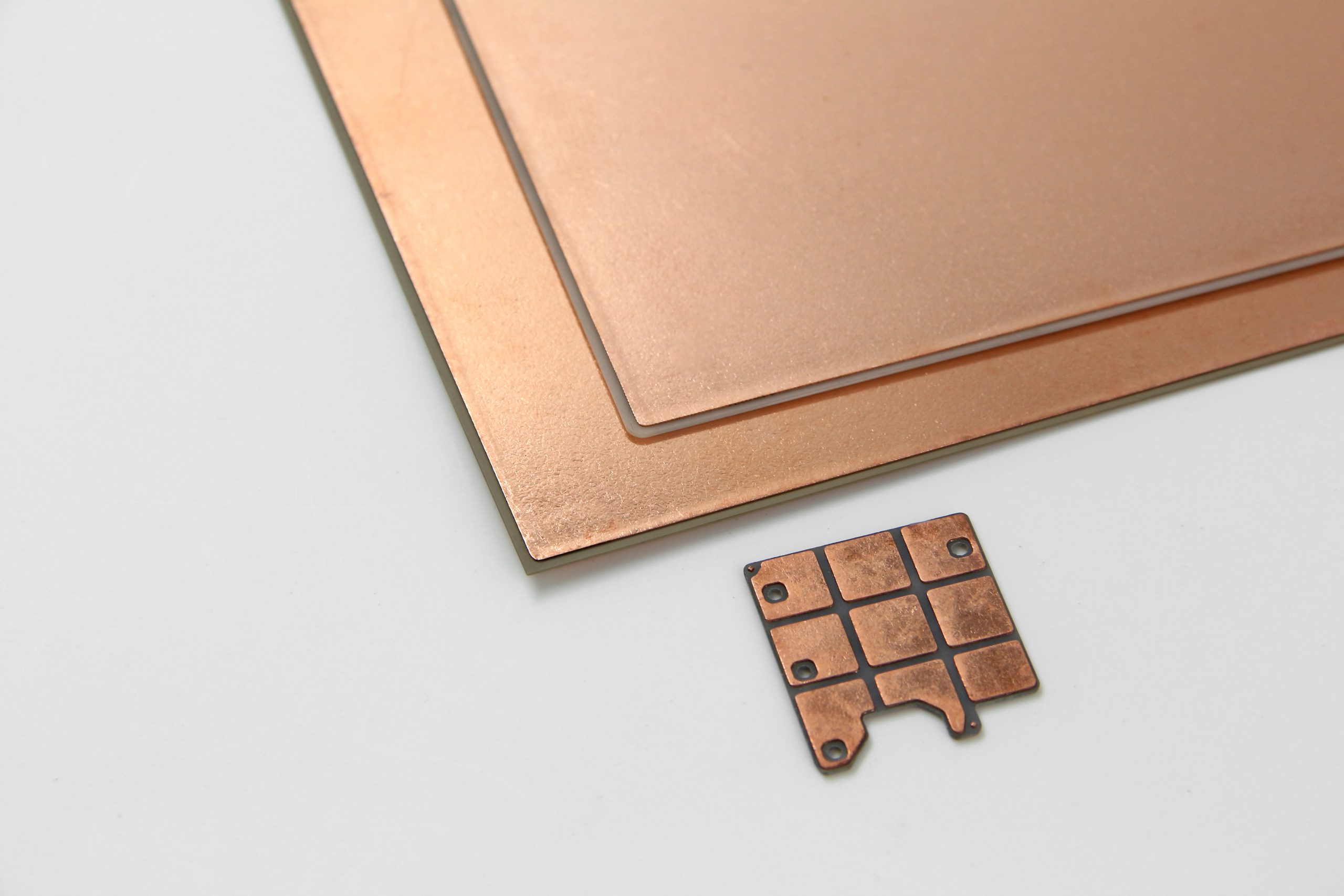
The ceramic substrate, a ceramic circuit board consists of a ceramic base and a metalized circuit layer.
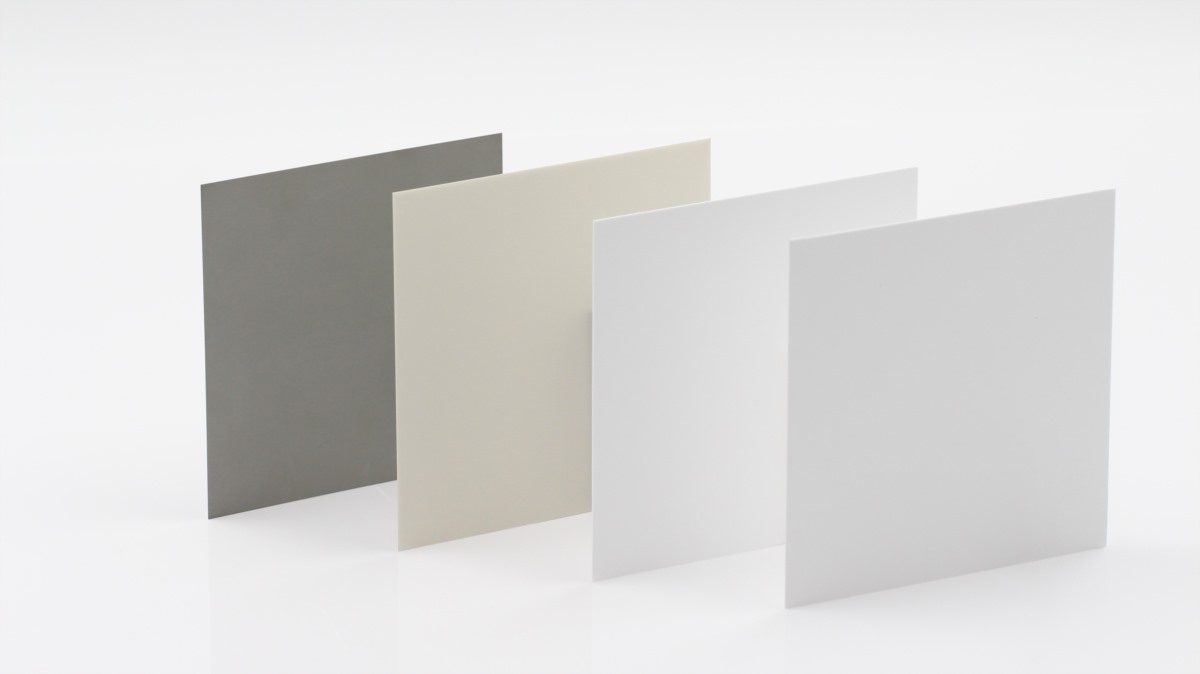
Compared to standard fiberglass PCB, ceramic circuit boards offer superior thermal conductivity, current-carrying capability, electrical insulation, and a matched coefficient of thermal expansion (CTE). As a result, they are widely adopted in high-power power electronics modules.
When it comes to bonding copper with ceramic circuit boards, they’re made using processes like high or low-temperature co-firing, copper plating, and direct bonding. These methods really help the copper foil stick tightly to the ceramic substrate, so you get strong reliability and stable performance—even in high heat or humidity.
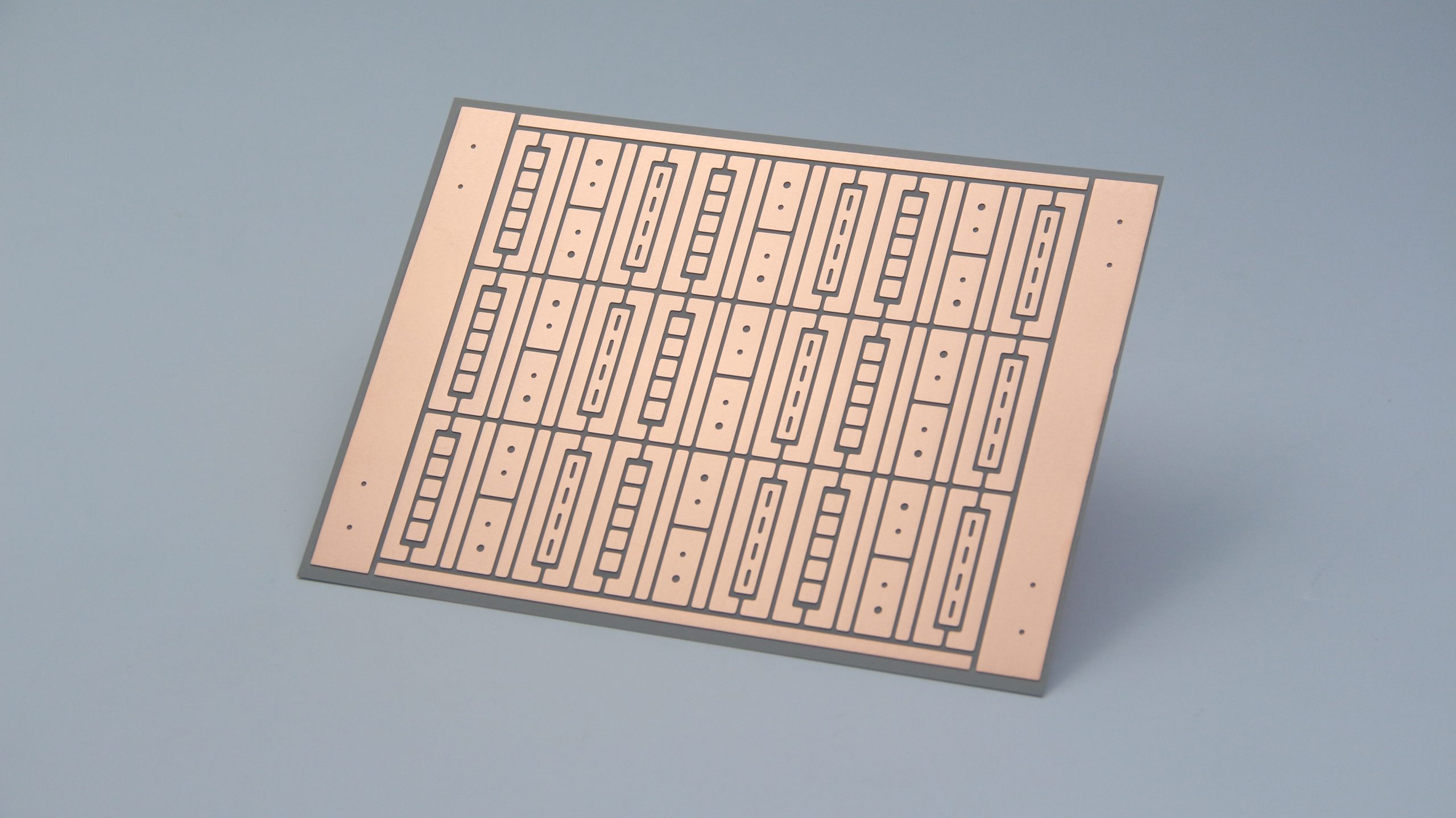
In IGBT modules, ceramic circuit boards provide mechanical support, electrical interconnection, electrical insulation, and heat dissipation.
With the rapid growth of EVs, high-speed rail, and smart grids, the demand for high-voltage, high-power IGBT modules is increasing. Poor heat dissipation is a major cause of IGBT failure — approximately 70% of failures are attributed to bond wire lifting or melting due to overheating.
Key Ceramic Materials for Ceramic Circuit Boards:
| Material | Features |
|---|---|
| Al₂O₃ (Alumina) | Most common; good mechanical, thermal, and electrical properties; cost-effective |
| AlN (Aluminum Nitride) | High thermal conductivity (7–10x that of Al₂O₃); excellent insulation; CTE closely matches silicon |
| Si₃N₄ (Silicon Nitride) | High reliability; high thermal conductivity; high flexural strength; CTE close to SiC; excellent for next‑gen power devices |
Main Manufacturing Processes:
DBC (Direct Bond Copper) – Commonly used for Al₂O₃ and AlN substrates
AMB (Active Metal Brazing) – Increasingly mainstream for Si₃N₄; enables bonding of thick copper (up to 0.8mm) with high reliability and superior heat dissipation
Why AMB is Gaining Traction:
AMB is an advancement over DBC. It uses active metal solder (containing Ti, Zr, etc.) to bond copper foil to the ceramic substrate at lower temperatures (<800°C), reducing internal thermal stress.