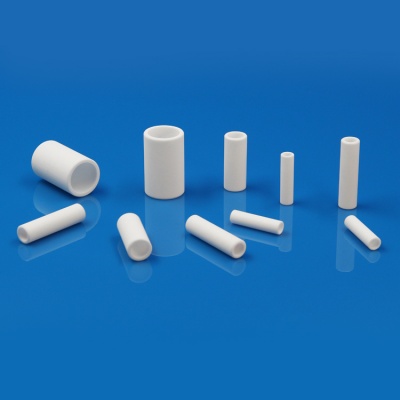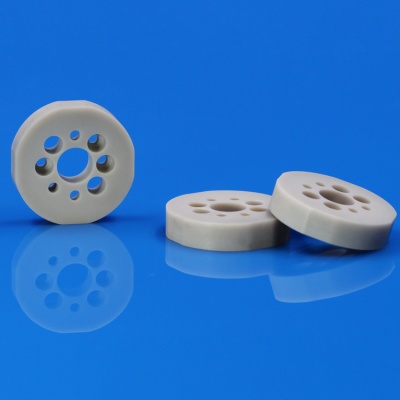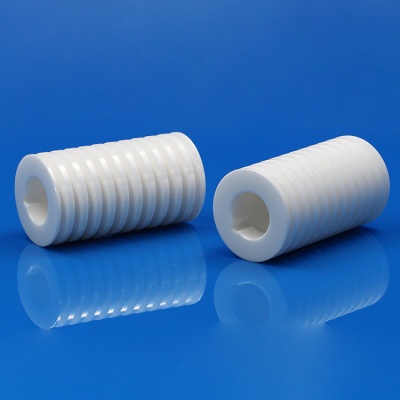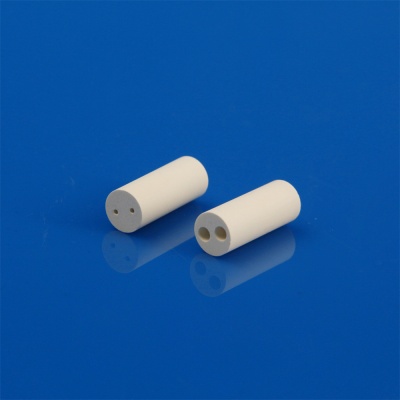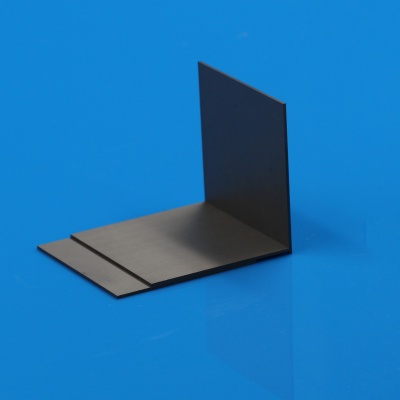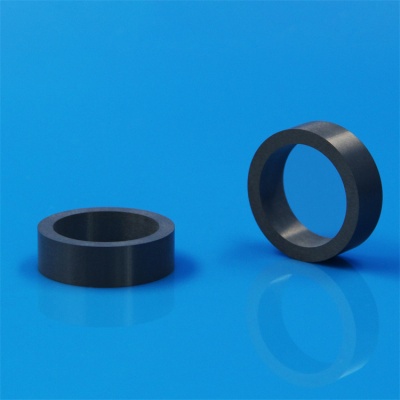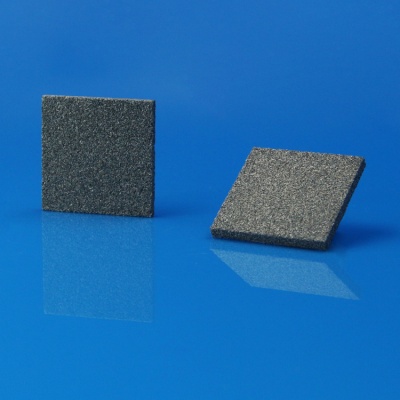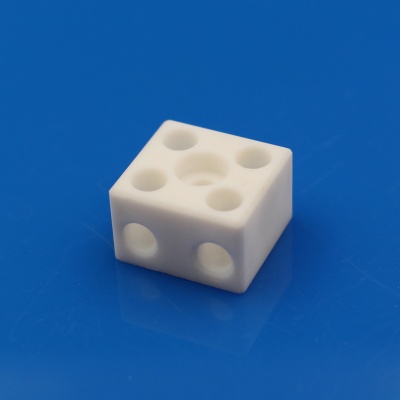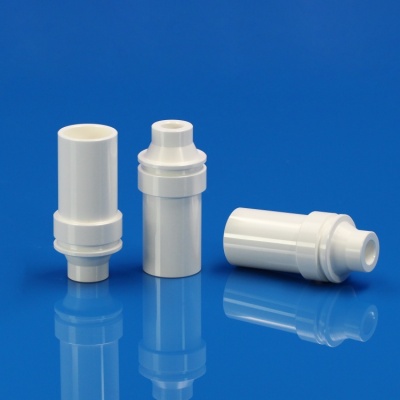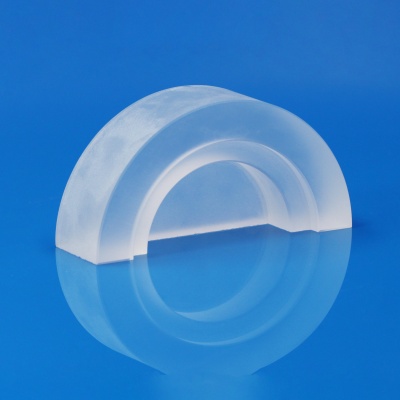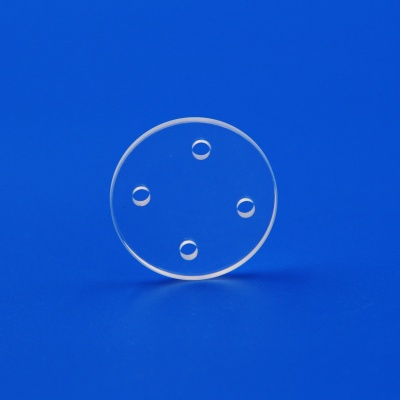

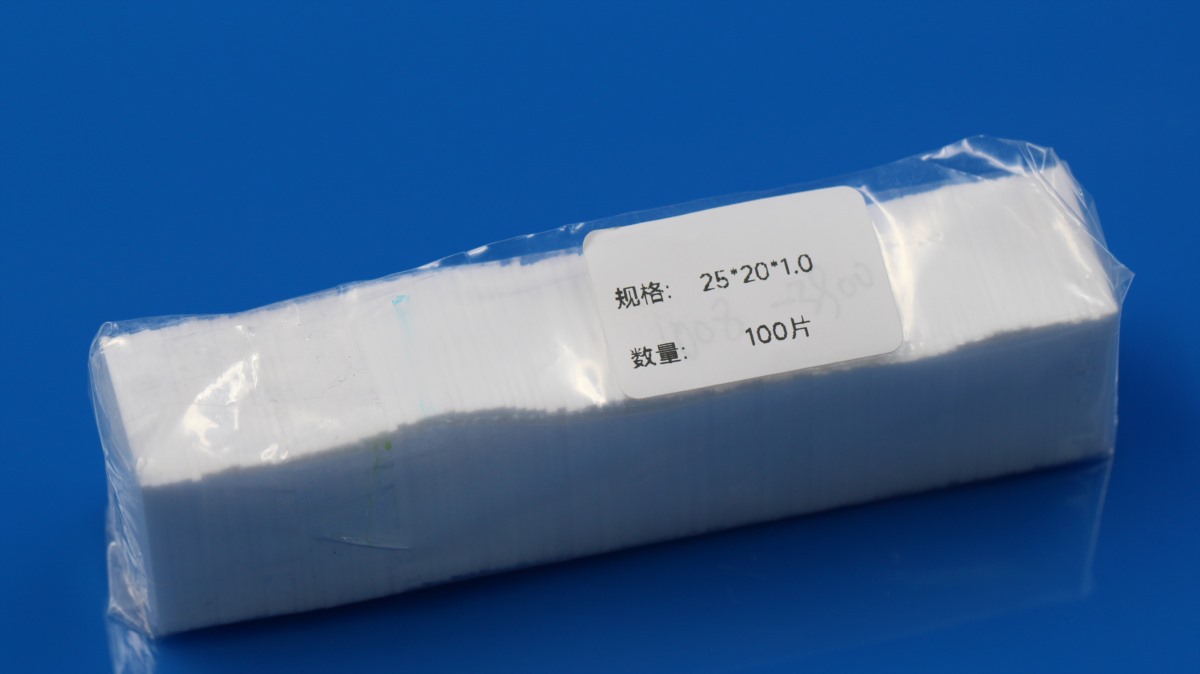




Innovacera Develops a series of TO-220 TO-247 TO-3P TO-264 ceramic heat sink for IGBT Power Modules. Main ceramic material of TO-3P ceramic heat sink is Alumina Ceramic (Al₂O₃) and Aluminum Nitride (AlN) which is high thermal conductivity ceramics. TO-3P AlN heat sink is electrical insulation substrate.
Applications
TO-3P ceramic heat sinks are widely used in:
·IGBT thermal management and power module cooling
·High-temperature power electronics and IGBT junction cooling
·Industrial motor drives and UPS systems
·Solar inverters and wind turbine converters
·Electric vehicle (EV) traction inverters and onboard chargers
·High-frequency welding equipment and induction heating systems
By reducing hotspot formation and improving thermal uniformity, they enhance IGBT switching efficiency by up to 15% and extend module lifespans by 2–3X compared to conventional solutions.
Declaration: This is an original article of INNOVACERA®. Please indicate the source link when reprinting: https://www.innovacera.com/product/to-3p-ceramic-heat-sink
Frequently Asked Questions
Why Choose Ceramic Heat Sinks for IGBT Modules? How Do They Prevent Hotspot Failures?
Traditional mica and polymer thermal pads often degrade, crack, or suffer electrical breakdown under intense thermal cycling and high voltages. INNOVACERA’s TO-3P Alumina (Al2O3) and Aluminum Nitride (AlN) ceramic heat sinks combine high thermal dissipation with robust dielectric insulation. By eliminating localized hotspot formation and ensuring balanced heat spreading across IGBT junctions, they increase switching efficiency by up to 15% and extend power module working lifespans by 2 to 3 times in harsh operating conditions.
Need Tailored Thermal Management for Power Electronics? Where Can You Buy TO-Package Ceramic Heat Sinks?
In addition to standard TO-3P profiles, you can buy custom TO-220, TO-247, and TO-264 ceramic heat sinks and thermal substrates directly from INNOVACERA. We support custom hole drilling, specialized geometries, metallization, and thickness variations to match the high-power cooling demands of EV traction inverters, solar converters, and industrial motor drives.