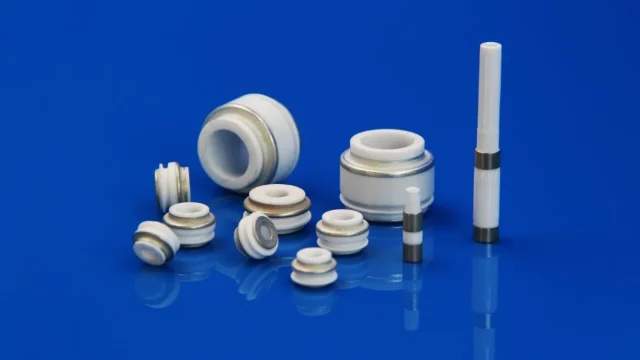
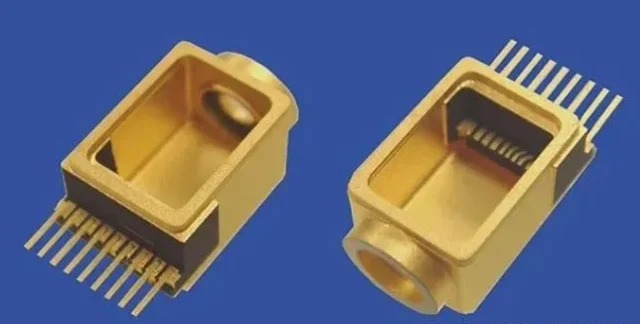
Ceramic‑metal sealing technology represents a key manufacturing process. It achieves stable and reliable bonding between ceramic materials and metal materials through physical or chemical integration mechanisms. This technology acts as an indispensable fundamental support for high‑performance equipment in numerous core industries including semiconductor manufacturing, and industrial automation. As an advanced integrated process, it effectively improves the hermetic performance, high‑temperature resistance, and structural stability of related products. It also greatly prolongs the service life and enhances the operating reliability of key core components. Driven by the continuous pursuit of higher precision and stronger harsh‑environment adaptability in modern industries, ceramic‑metal sealing technology has gradually developed into a crucial driving force that supports and promotes the innovation and upgrading of cutting‑edge industrial equipment.
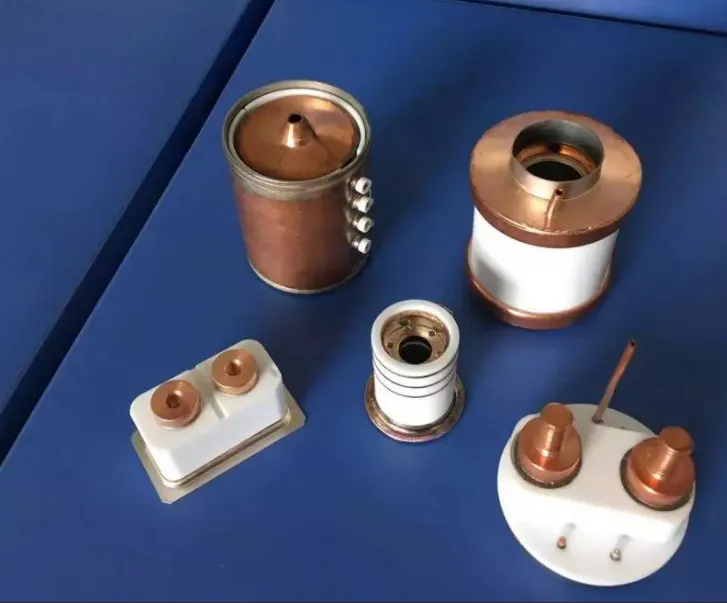
The core implementation of ceramic‑metal sealing depends heavily on the rational selection of matching processes and suitable materials. Such selection is essential to solve the inherent technical challenges that arise during the connection of two completely dissimilar materials, among which the typical problems include the mismatch of thermal expansion coefficients and insufficient wettability of solder on ceramic surfaces. A variety of mature sealing processes are widely used in industrial production and advanced manufacturing. These commonly applied processes mainly include brazing, ceramic metallization, active metal brazing, vacuum evaporation sealing, pressure sealing, and laser welding. Among these available technical solutions, brazing has become one of the most widely used and recognized sealing methods due to its high stability and strong applicability. The working principle of brazing can be described in a clear and systematic manner. A layer of filler metal with a melting point lower than that of the base materials is placed between the ceramic part and the metal part. The entire assembly is then heated to a specific temperature that can fully melt the solder without changing the structure and performance of the base materials themselves. After being heated to a molten state, the solder will fully wet and uniformly spread on the contact surfaces of the two materials. It will effectively fill the tiny gaps and defects at the joint interface. When the temperature decreases and the solder solidifies, a firm and stable metallurgical bond will be formed between ceramic and metal. Such a metallurgical bond can effectively guarantee the long‑term structural stability and service reliability of the sealed components.
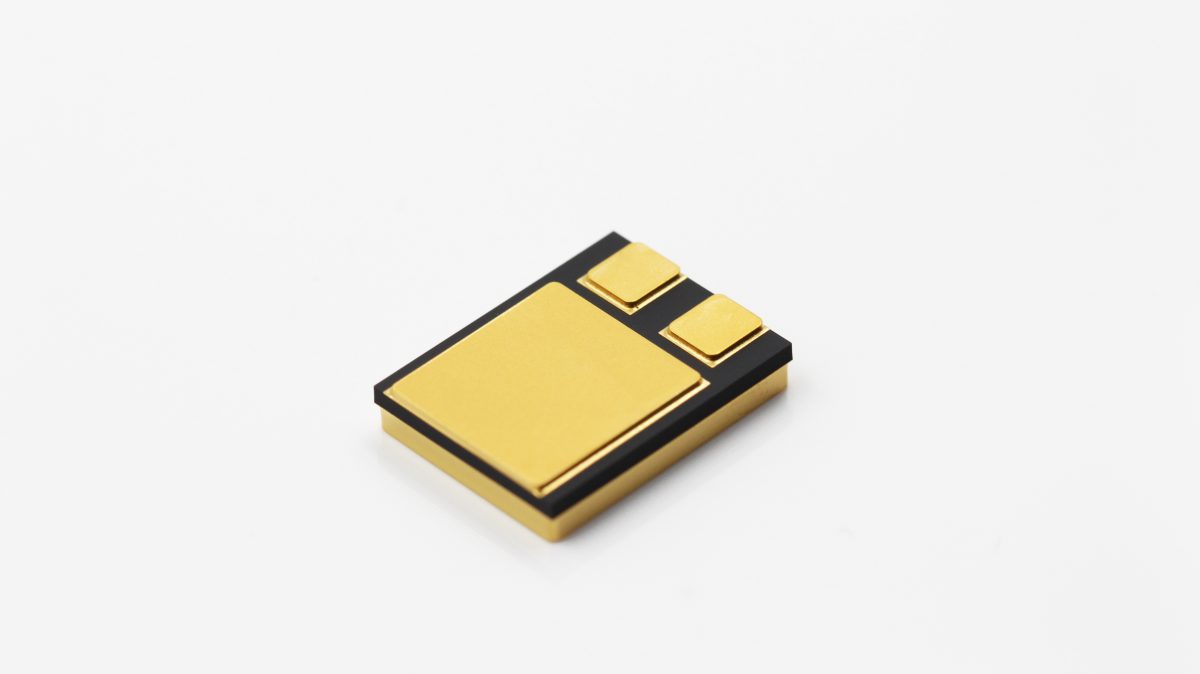
For ceramic materials that exhibit low wettability to conventional solders, the ceramic metallization process, which is also referred to as indirect brazing, is commonly adopted in industrial production. In this process, the surface of the ceramic substrate is first subjected to pre-metallization treatment by means of typical methods such as the Mo-Mn process. This treatment is designed to construct a continuous and dense transition layer on the ceramic surface, and such a layer can significantly improve the adhesion strength between the ceramic and the molten solder. On the other hand, active metal brazing, which is often called direct brazing, provides another effective technical route for ceramic-metal bonding. This method can completely omit the pre-metallization step by introducing specific active elements into the solder system. Typical active elements include titanium (Ti) and zirconium (Zr). Under certain temperature and atmosphere conditions, these active elements will undergo sufficient chemical reactions with atoms on the ceramic surface. Such reactions will promote the formation of a compact and stable interfacial reaction layer. The generation of this layer enables direct and reliable bonding between ceramic and metal without additional surface modification. Among various solder materials used in active metal brazing, Ag-Cu-Ti solder is the most extensively applied in engineering practice. This type of solder is widely recognized for its outstanding bonding performance. It also possesses excellent interface compatibility with most common ceramic substrates and metal substrates, making it suitable for diverse ceramic-metal sealing applications.
Material selection plays a decisive role in determining the final success and service performance of ceramic‑metal sealing. In the entire sealing system, the most critical design requirement is to achieve a high degree of matching between the thermal expansion coefficients of ceramic materials and metal materials. This matching design can effectively reduce the residual thermal stress generated during the heating and cooling process, thereby avoiding interface cracking or structural failure caused by stress concentration. Metals with low and stable thermal expansion coefficients are often preferred in engineering applications. Typical representatives include tungsten (W), molybdenum (Mo), and Kovar alloy. These metal materials have become mainstream choices in ceramic‑metal sealing systems. The main reason is that their thermal expansion characteristics are highly compatible with commonly used structural ceramics such as alumina (Al₂O₃) and silicon nitride (Si₃N₄). Solder materials used for ceramic‑metal sealing must meet a series of strict performance indicators. These indicators mainly include a suitable melting point range, excellent wetting ability on the material surface, and strong interface gap‑filling capacity. At present, a variety of solder systems are widely used in the field of ceramic‑metal sealing. These commonly used solders include Ag‑Cu‑Ti active solders, copper‑based solders, gold‑based solders, and oxide glass solders. Among these types of solders, oxide glass solders have unique application advantages. They are specially developed and designed for ultra‑high‑temperature sealing environments above 1500℃. During the cooling process after sealing, such solders will in situ form a high‑strength glass‑ceramic composite bonding layer at the interface. This special structure enables the sealed components to maintain excellent structural stability and service reliability in extremely harsh high‑temperature environments.
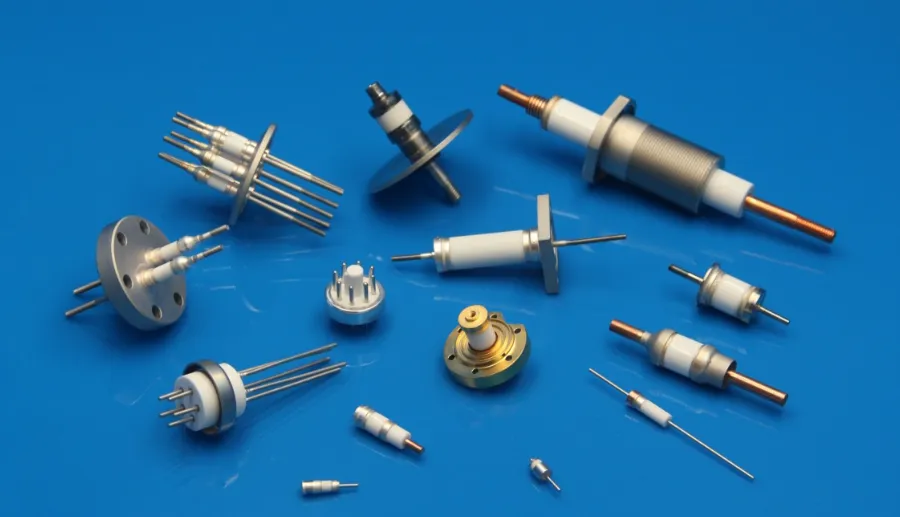
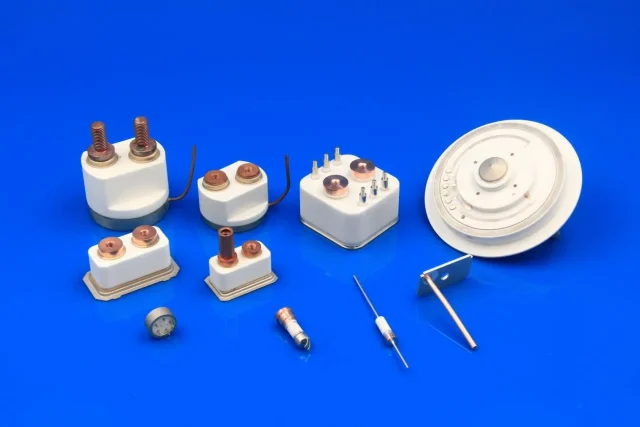
Ceramic‑metal sealing components have been widely applied in a variety of high‑tech industrial sectors. These products provide critical support for the stable operation of advanced equipment in modern industry. As a typical representative, electrical feedthroughs can realize the reliable transmission of electric energy, gas media, or fluid media in a closed environment. At the same time, they can maintain excellent airtight performance and electrical insulation properties. For this reason, feedthroughs have become indispensable core components in semiconductor manufacturing equipment and particle accelerators. Multipin connectors can achieve stable signal transmission and power supply transmission under extreme working conditions. These harsh conditions include ultra‑high vacuum, high pressure, and strong vibration environments. Such components provide important guarantees for the reliable operation of precision analytical instruments. Coaxial components have excellent anti‑interference performance. They can effectively suppress and isolate radio frequency interference. Therefore, they are widely used in communication systems and microwave equipment. Isolators can provide safe and stable electrical isolation for fluid transmission systems. They play an important role in ensuring the safety and stability of the whole system. Thermocouple feedthroughs can realize accurate temperature measurement and signal transmission in high‑temperature furnaces and industrial machinery. They ensure the accuracy and real‑time performance of temperature monitoring in key working links.
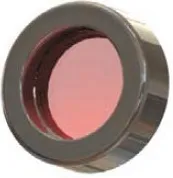
Viewport assemblies are typically fabricated using high-performance optical materials such as sapphire and fused silica. These materials possess excellent light transmittance and structural stability under harsh working conditions. Such viewport assemblies can provide stable and reliable optical observation channels for vacuum systems. They allow light beams or imaging signals to pass through without interference while maintaining the airtightness of the vacuum environment. Therefore, they are widely used in laser processing systems, precision optical imaging equipment, and other related high-tech fields.
Filament assemblies rely on mature and reliable metal-ceramic sealing technology. This technology ensures stable operation and effective insulation under high-temperature working conditions. It enables stable and long-term high-temperature electron emission during operation. As a result, filament assemblies have become key core components in advanced scientific instruments and industrial equipment. Typical application scenarios include scanning electron microscopes (SEM), transmission electron microscopes (TEM), and high-precision semiconductor manufacturing equipment.
In summary, ceramic‑metal sealing technology effectively overcomes the core technical challenges associated with the joining of dissimilar materials. It achieves this goal through strict and precise process control as well as careful and scientific material matching design. This technology possesses outstanding performance advantages. It can stably withstand extreme environments including high temperature, high pressure, and strong corrosion. Due to these unique capabilities, it has become an indispensable and irreplaceable key supporting technology in the field of modern industrial manufacturing. With the continuous development of global industries toward miniaturization, high efficiency, and higher reliability requirements, ceramic‑metal sealing technology will keep undergoing continuous iteration and progressive upgrading. It will further promote and lead a series of innovative technological breakthroughs in key strategic fields. These fields mainly include semiconductor equipment, medical devices, and other high‑end manufacturing sectors. No matter in the optimization of existing manufacturing processes or the research and development of new sealing materials, the development direction of ceramic‑metal sealing technology is clear and definite. The continuous pursuit of higher bonding strength, better service durability, and more cost‑effective sealing solutions will always be the central focus and core goal that guides the long‑term technological evolution of ceramic‑metal sealing. Please contact sales@innovacera.com for more information.