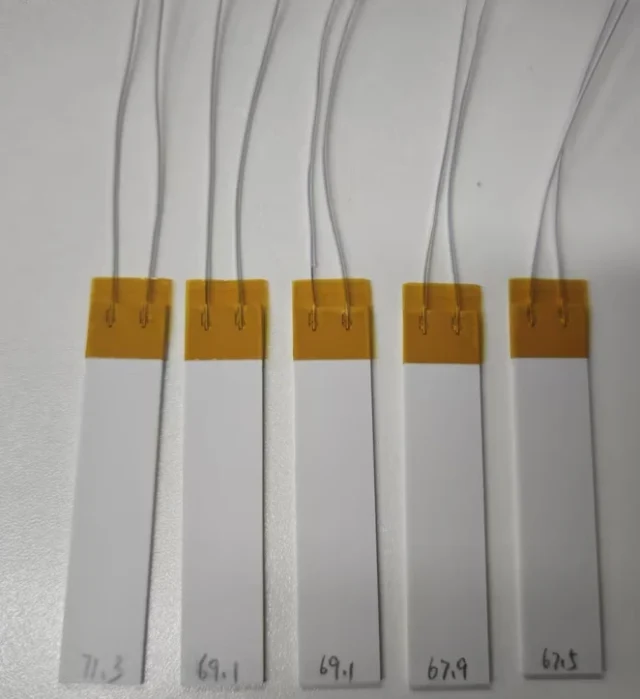
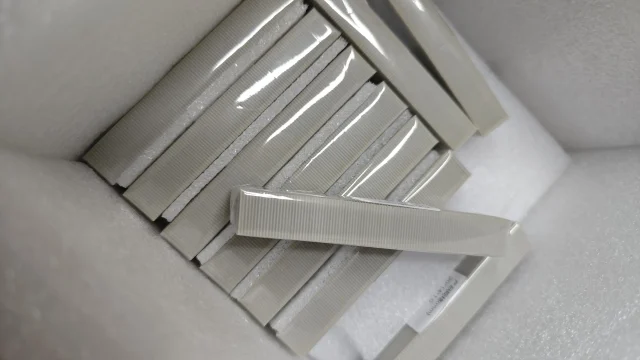
Ceramic substrates are widely used in power electronics, LED packaging, and semiconductor applications due to their excellent electrical insulation, high thermal conductivity, and chemical stability. However, during the actual manufacturing and service process, ceramic substrates may still encounter various reliability failure issues, among which the more typical ones include: cracking, warping, and metallization structure failure.
In most cases, these failures are not caused by a single factor, but by the combined effects of material properties, structural design, and manufacturing processes.
I. Cracking of Ceramic Substrate: A typical brittle fracture failure
1. Typical Failure Modes
The cracking of ceramic substrates typically manifests as:
Cracks occur during processing or assembly
Breakage occurs during reflow soldering or brazing
Cracks propagate during thermal cycling tests and lead to failure
2. Root Causes
(1) Thermal stress mismatch
There is a significant difference in thermal expansion coefficients between ceramic materials (such as Al2O3, AlN) and metals (such as Cu, Au). During the temperature cycling process, interface thermal stress is generated, which is an important driving force for crack initiation and propagation.
(2) Surface/subsurface defects introduced during processing
During the processes of cutting, slicing, grinding or drilling, microcracks or residual damage layers may be introduced. These defects may expand into through-cracks under the subsequent thermal mechanical loading.
(3) Structural stress concentration
Sharp corner structures, insufficient clearance around holes, or local section changes can all lead to local stress concentration, thereby reducing the reliability of the structure.
3. Recommended Solutions
Optimize the structural design to avoid sharp corners and high-stress concentration areas
Improve the processing quality to reduce micro-cracks and processing damage layers
Prioritize the use of material systems with higher fracture toughness in high-reliability applications (such as using AlN to replace part of Al2O3 in certain applications)
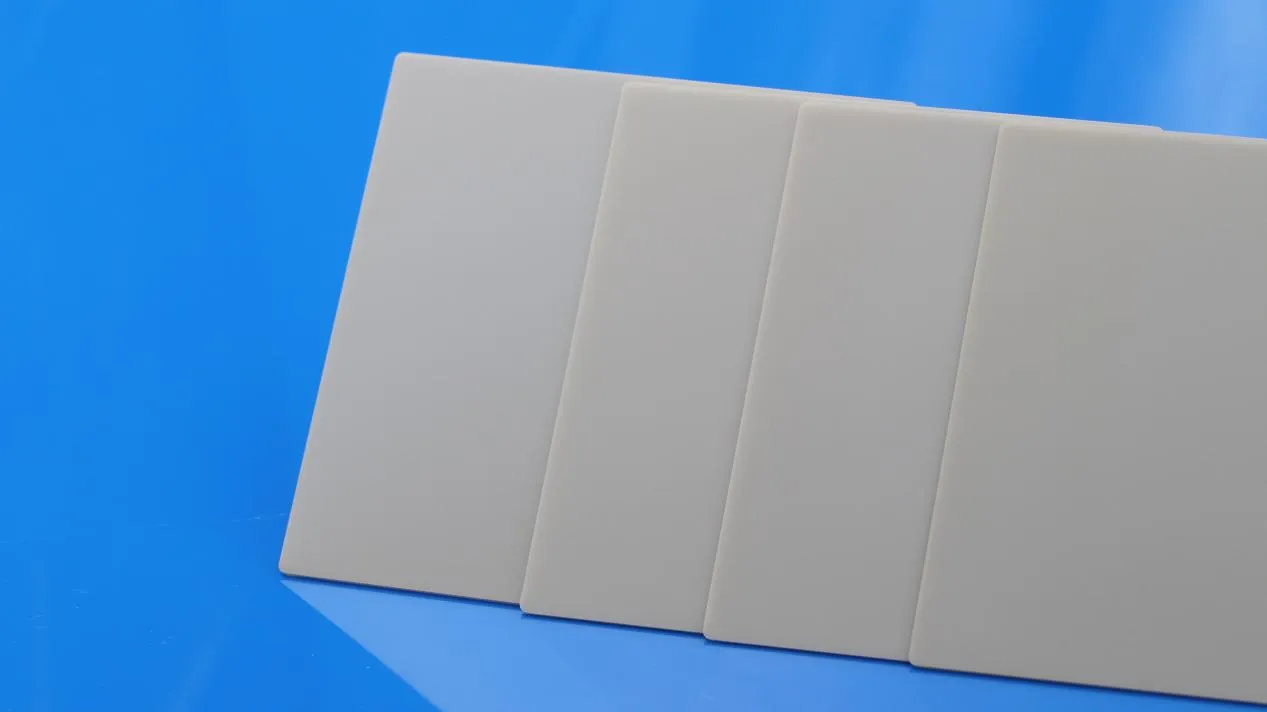
II. Ceramic substrate warping: Overall deformation caused by thermal-mechanical mismatch
1. Typical Failure Modes
Warpage typically appears as overall bending or distortion of the substrate after sintering or subsequent processing.
The flatness is insufficient during SMT assembly.
Structural deformation after reflow soldering leads to uneven welding stress.
2. Main Mechanism
(1) Thermal stress imbalance caused by asymmetric structure
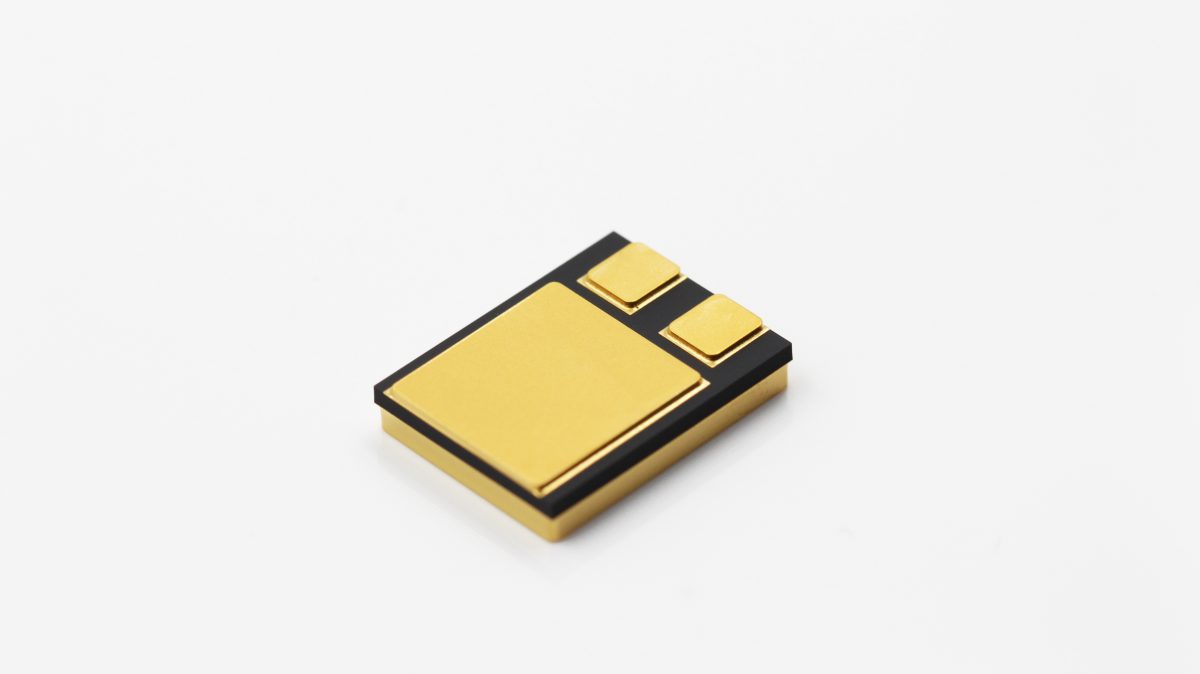
In DBC/AMB or metallized ceramic structures, single-sided or asymmetric metal layers can lead to uneven thermal expansion constraints, thereby causing warping.
(2) Temperature gradient during sintering process and difference in shrinkage
During the sintering process, if there is an uneven temperature field or if the temperature rise and drop rate control is improper, it may lead to differences in the densification behavior in different areas, thereby generating residual stress.
(3) Differences in material density and tissue uniformity
Uneven density distribution of the preform or differences in local porosity can lead to inconsistent sintering shrinkage, thereby causing macroscopic deformation.
(4) The thickness and distribution of the metal layer have an impact (particularly significant for DBC/AMB)
In the DBC structure, the thickness and distribution of the copper layer have a significant impact on the warpage behavior, and are often one of the dominant factors.
3. Recommended Solutions
Optimize the structural design and adopt symmetrical metallization structures as much as possible.
Control the sintering curve, reduce the temperature gradient and the accumulation of thermal stress.
Improve the uniformity of the ceramic body density.
In the DBC/AMB design, reasonably match the copper thickness and the distribution of the patterns.
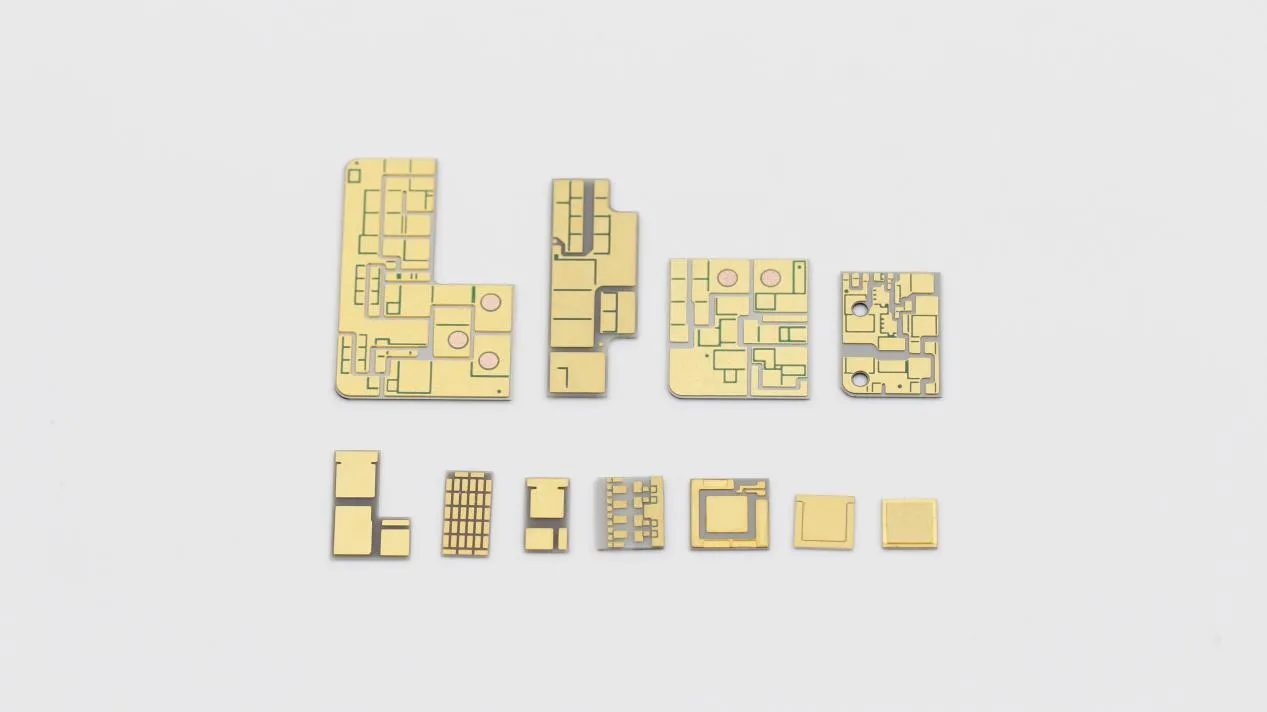
III. Metallization Failure: The result of the combined effect of interface and fatigue.
1. Typical Failure Modess
Local peeling or overall delamination of the metal layer
Failure of the pad or interruption of the conductive path
Decrease in electrical connection reliability after thermal cycling
2. Main mechanism
(1) Interfacial bonding degradation
In the DBC (Direct Bonded Copper) or AMB (Active Metal Brazing) systems, the bonding between ceramics and metals relies on the interface reaction layer or transition layer structure. If the interface reaction is insufficient or fails, it will result in a decrease in bonding strength.
(2) Thermal cycle fatigue accumulation
Due to the difference in thermal expansion coefficients between ceramics and metals, under the long-term action of thermal cycling loads, the interface shear stress accumulates continuously, eventually leading to fatigue damage and delamination.
(3) Process-related defects
Including but not limited to:
Poor control of copper layer oxidation (key factor in DBC process)
Insufficient wetting of active metals (key factor in AMB process)
Pores (voids) or unbound areas
Uneven local interface reactions
3. Recommended Solutions
Optimize the process parameters of DBC/AMB to enhance the uniformity of interface reactions
Strictly control the oxygen content and the atmosphere environment (especially during the copper oxidation process of DBC)
Improve the wetting and diffusion quality of the active layer in AMB
Carry out systematic thermal cycling reliability verification (Thermal Cycling Test)
IV. Systematic Influencing Factors Affecting the Reliability of Ceramic Substrates
In practical engineering applications, the reliability of ceramic substrates is usually determined by the following three levels together:
1. Material level
Aluminum oxide (Al₂O₃): Mature and stable, with lower cost
Aluminum nitride (AlN): High thermal conductivity, suitable for high power density scenarios
Silicon nitride (Si₃N₄): High strength and high reliability, suitable for demanding working conditions
2. Structural Design Aspects
Stress Concentration Control (Holes, Boundaries, Corners)
Distribution of Copper Layers and Symmetry Design
Optimization of Thermal-Mechanical Load Paths
3. Manufacturing Process Aspects
Temperature uniformity control during sintering process
Quality control of metallization interface
Control of processing damage and optimization of post-processing techniques
V. Conclusion
The failure of ceramic substrates is not usually caused by a single factor, but rather is the result of the combined effects of material performance limitations, the rationality of the structural design, and the control level of the manufacturing process.
In high-reliability applications (such as IGBT power modules, SiC devices, and high-power LED packaging), it is necessary to comprehensively optimize the material selection, structural design, and process control from a system perspective in order to reduce the failure risk caused by thermal-mechanical coupling stresses.
Innovacera can offer ceramic substrates covering materials such as alumina, aluminum nitride, and silicon nitride, as well as metallization solutions like DBC, AMB, and DPC. It also supports customized design and application selection optimization. For technical support, material selection, or custom designs, feel free to contact us at sales@innovacrea.com or send your drawings for evaluation.