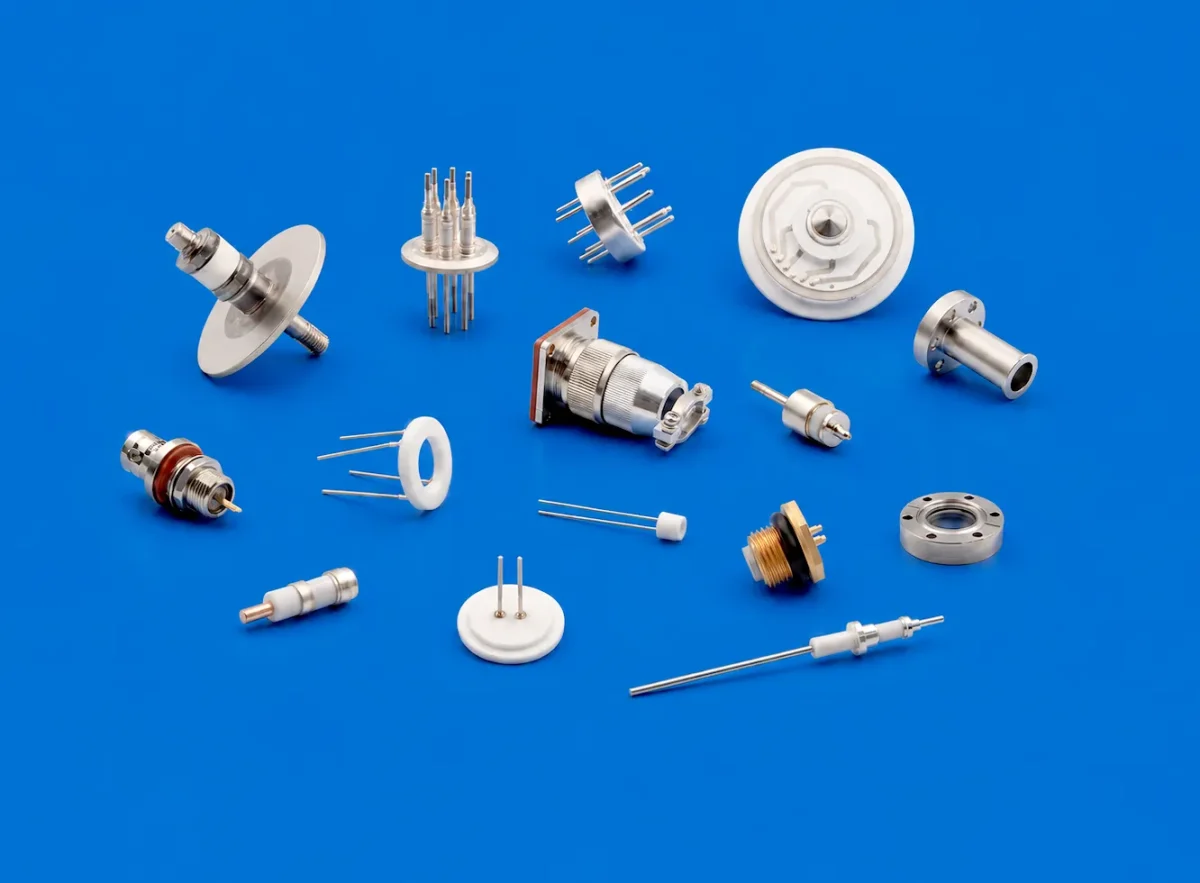
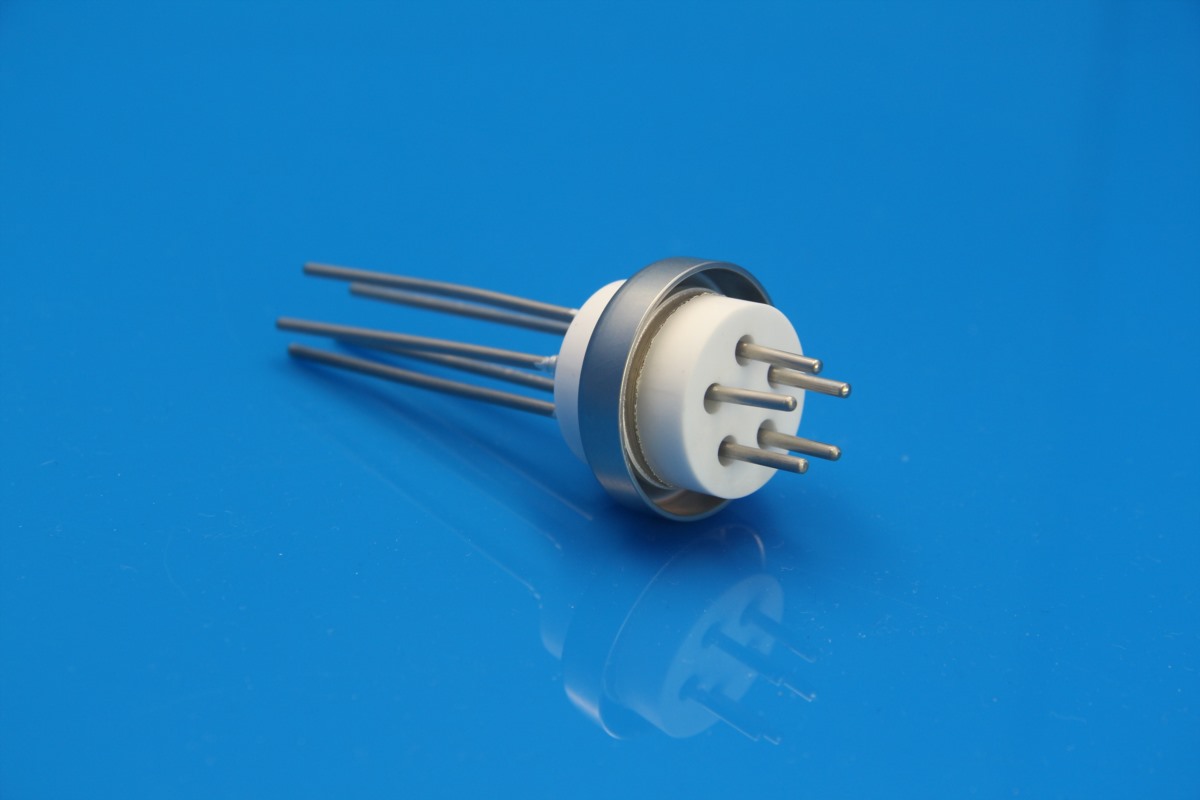
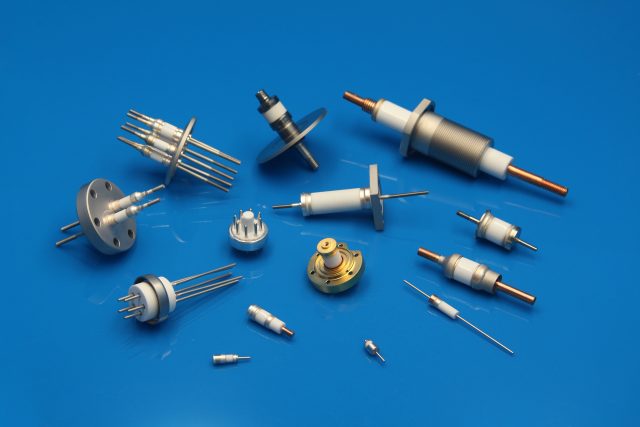
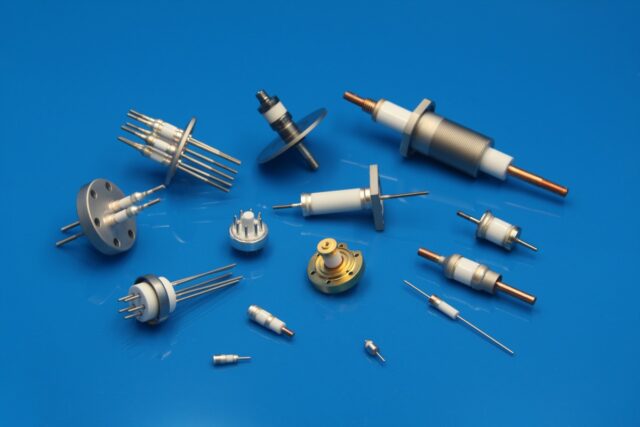
Ceramics possess the properties of heat resistance, insulation, wear resistance and corrosion resistance. They are suitable for use in high-temperature, vacuum and corrosive environments and are widely applied in semiconductors, optoelectronics and various industrial equipment. However, they cannot independently perform load-bearing, conductive and sealing operations and need to be assembled with metals.
The difference in thermal expansion coefficients between the two is significant. After welding, stress cracking, interface separation and weak bonding force problems are prone to occur. To achieve a stable connection, it is necessary to select appropriate metal materials reasonably, along with compatible metalization treatment and welding processes. This article, based on actual application scenarios, sorts out material selection, welding processes and implementation suggestions to help optimize product design.
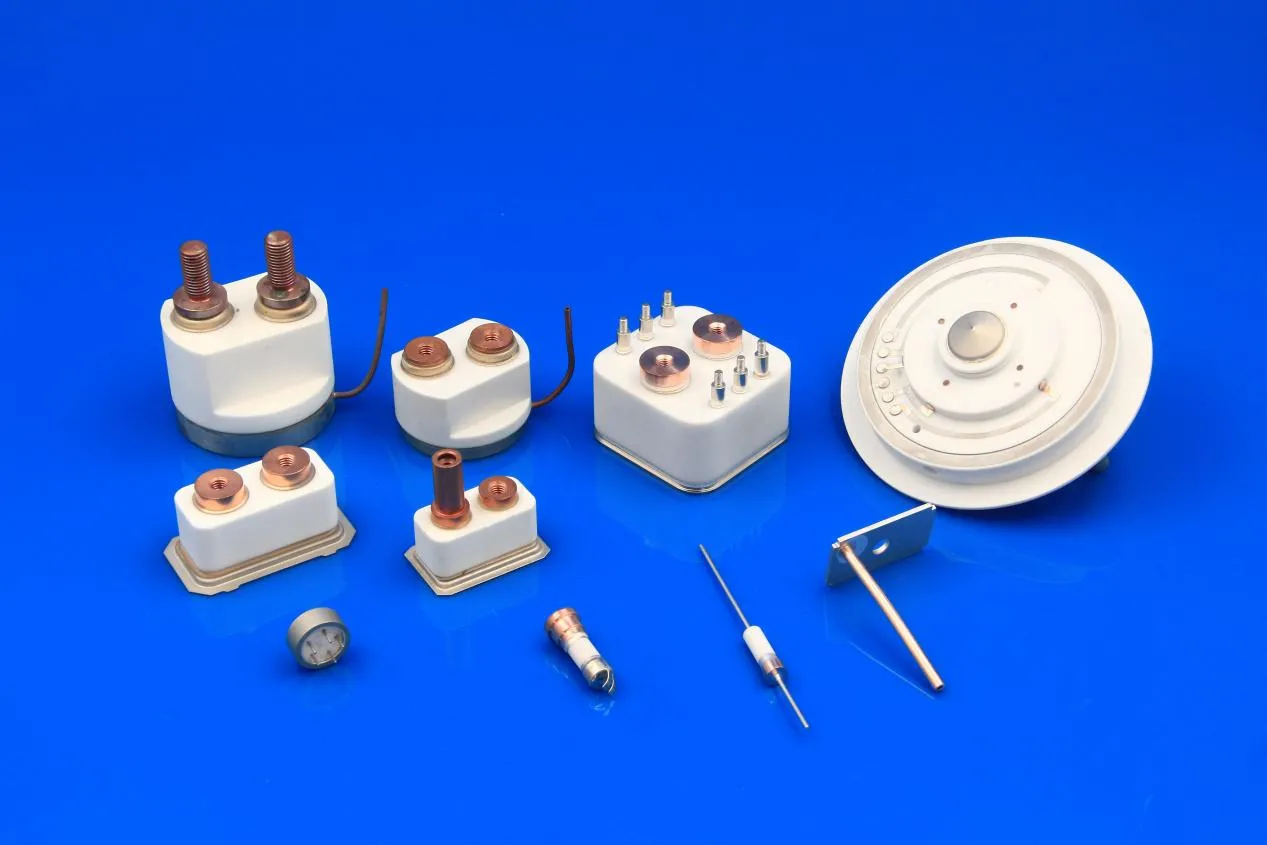
I. Thermal expansion-matching metals: The best choice
This type of metal has a thermal expansion coefficient similar to that of ceramics, with low welding stress and excellent temperature stability. It is the preferred material in vacuum packaging, semiconductor, and precision optics fields.
1.Kovar Alloy(Fe-Ni-Co)
Its thermal expansion performance is compatible with alumina ceramics, and the application technology is mature. Combined with ceramic nickel plating and activation brazing processes, the sealing performance, thermal cycling performance, and interface stability of the connection components are excellent, and it is mostly used in vacuum packaging, optoelectronics, and semiconductor device supports. The surface metallization of welding must be uniform, and the selection of the filler metal determines the reliability of use.
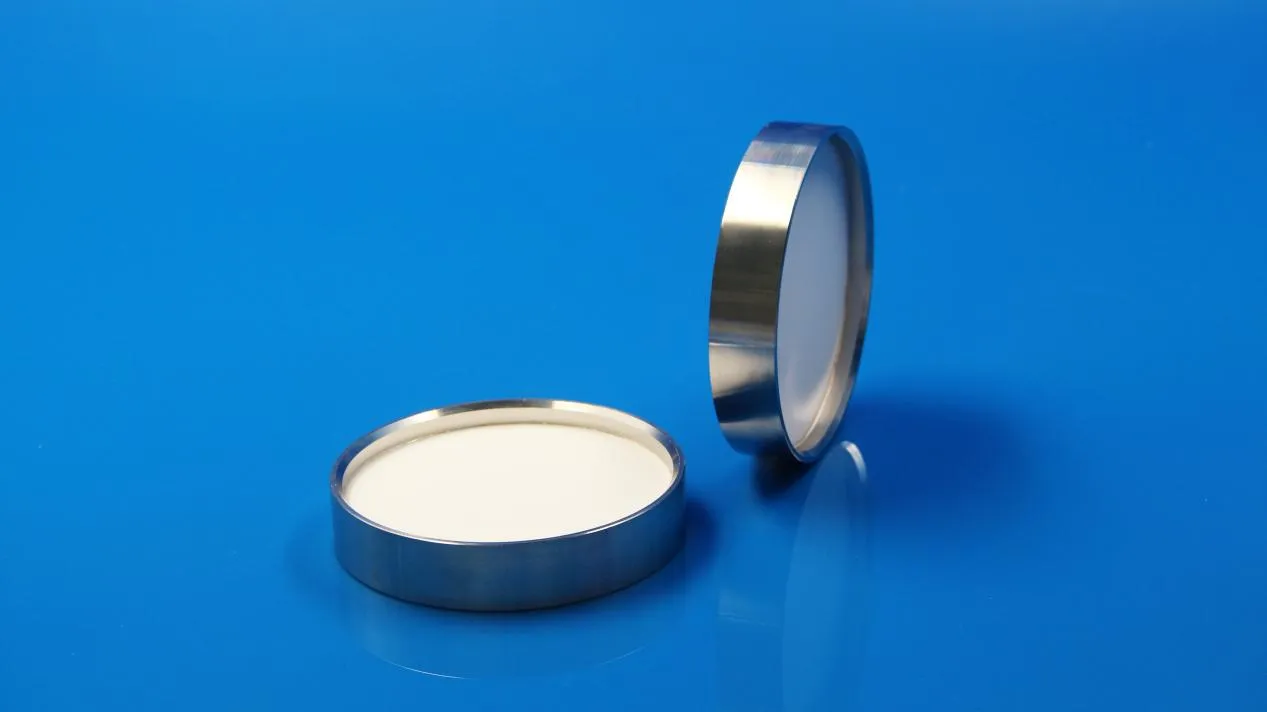
2. Iron-Nickel Alloys (Invar, etc.)
The expansion rate is extremely low, and the welding thermal stress is extremely small. It is suitable for high-precision usage scenarios and is often used in precision ceramic packaging, optical components, and supporting structures for detection instruments.
II. High Conductivity/Thermal Conductivity Metals: Stress Treatment Requires Attention
In applications requiring strict electrical or thermal conductivity, copper and its alloys are commonly used; however, due to the significant difference in thermal expansion between these materials and ceramics, process optimization is essential to avoid cracking issues.
1. Oxygen-Free Copper (OFC)
Excellent electrical and thermal conductivity make it a core material for ceramic heaters, power electrodes, and heat dissipation components. Typically connected to nickel-plated ceramics using activated brazing filler metal combined with an intermediate transition layer.
Its main drawback is high thermal stress and susceptibility to cracking; therefore, surface cleaning must be strictly controlled during production, and brazing filler thickness must be uniformly managed.
2. Silver/Copper Alloy
Balances high electrical conductivity with excellent high-temperature resistance, making it suitable for high-power electronic devices and industrial heat exchangers. Activated brazing or vacuum welding is commonly used to enhance interfacial adhesion. Key process requirements include mandatory metallization treatment before welding and strict control of welding temperature.
III. Structural Support Metal: General Type, but Requires Process Control
Stainless steel, titanium alloy, and aluminum alloy have excellent mechanical properties and high cost-effectiveness, and are commonly used for general structural supports and corrosive environments. However, their expansion matching is poor, and the welding thermal stress needs to be strictly controlled.
1. 304/316 Stainless Steel
Resistant to oxidation and corrosion, with high strength. Often used in vacuum chambers and semiconductor equipment structural components. Due to its expansion coefficient being much greater than that of ceramics, it is prone to interface cracks, and a transition layer needs to be added and the heating and cooling rates need to be stabilized.
2. Titanium and Titanium Alloys
High strength, lightweight, excellent corrosion resistance, mostly used in high-end ceramic components and load-bearing structures. Welding is extremely sensitive to temperature and filler material selection, and the process parameters directly determine the connection reliability.
3. Aluminum and Aluminum Alloys
Easy to process in terms of quality, suitable for lightweight industrial structural components. There is a significant difference in expansion with ceramics, and conventional processes are difficult to form. Active welding or the addition of a transition layer is necessary for connection.
IV. Ceramic Metalization Treatment: Essential Pre-Processing Steps
Electroless nickel plating and gold plating are the fundamental processes for achieving high-reliability ceramic welding. The inherent poor weldability of ceramics can be significantly improved through metalization treatment, which enhances surface weldability and interfacial adhesion and is suitable for various brazing and activation welding processes. It is widely used in electronic packaging, vacuum devices, and ceramic heaters.
Notes: The thickness, uniformity, and surface cleanliness of the coating directly affect the welding strength and service life.
V. Main Welding Methods and Selection Logic
For ceramic-metal welding, there is no need to choose high-end processes blindly. The selection can be made precisely based on material compatibility and reliability requirements:
• Activation brazing: The most versatile, suitable for situations where the expansion differences between ceramics and metals are significant, suitable for common ceramics such as alumina and silicon nitride, effectively solving cracking and delamination problems.
• Conventional brazing: Simple process, low cost, stable production, only applicable to material combinations with good thermal expansion matching, meeting the needs of ordinary working conditions.
• Vacuum/Pressure Welding: High-end precision process, with few defects and strong sealing, exclusively used for semiconductor, optoelectronic and other high-reliability and high-precision core components.
• Direct Welding: Almost not used for mass production, only used in special cases with customized intermediate layers and metallization processes for a small number of trials, not recommended for routine use.
Consultation and Customization
If your project requires a highly reliable ceramic and metal welding solution, Innovacera can offer customized design, metallization treatment and professional technical support to help you stabilize equipment performance and effectively extend the product’s service life. Please contact sales@innovacera.com to obtain exclusive process solutions and quotations.