Mass spectrometers work under highly controlled vacuum conditions. One of the biggest engineering challenges is managing the transition between different pressure zones inside the system. This part may look simple, but in actual mass spectrometer systems, it does a lot of the heavy lifting. Even a small issue around the orifice area can affect vacuum performance, ion transmission, or signal stability. For many engineers, the interface section is one of the places that usually needs the most attention during system design.
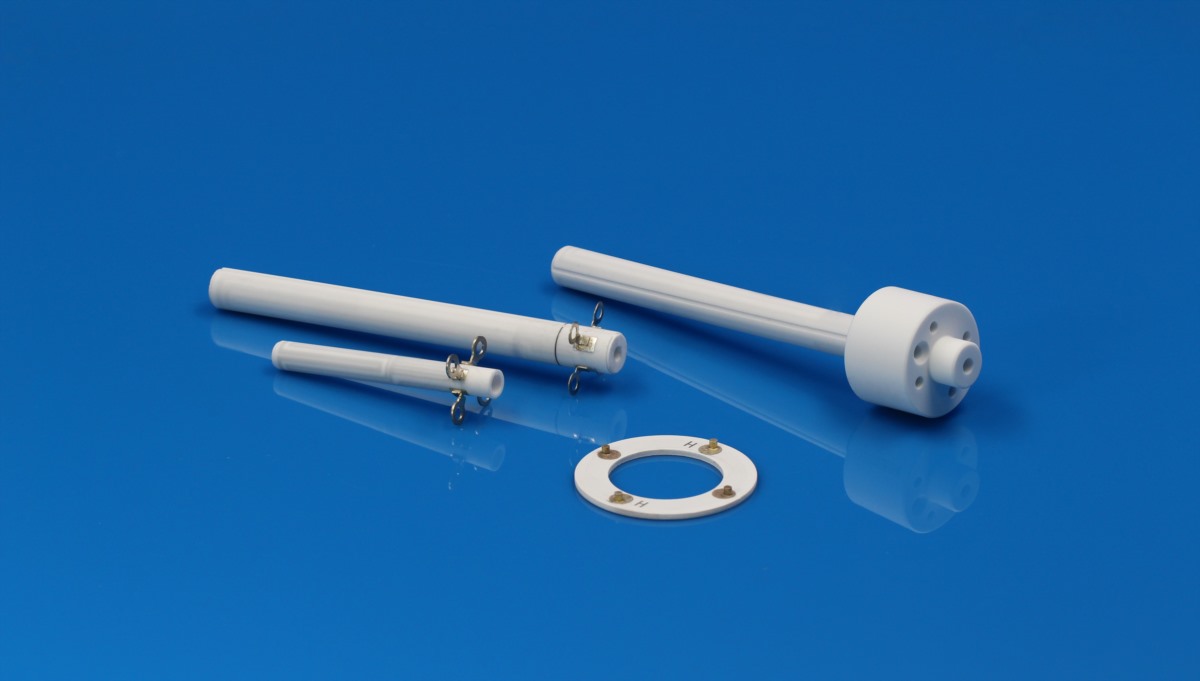
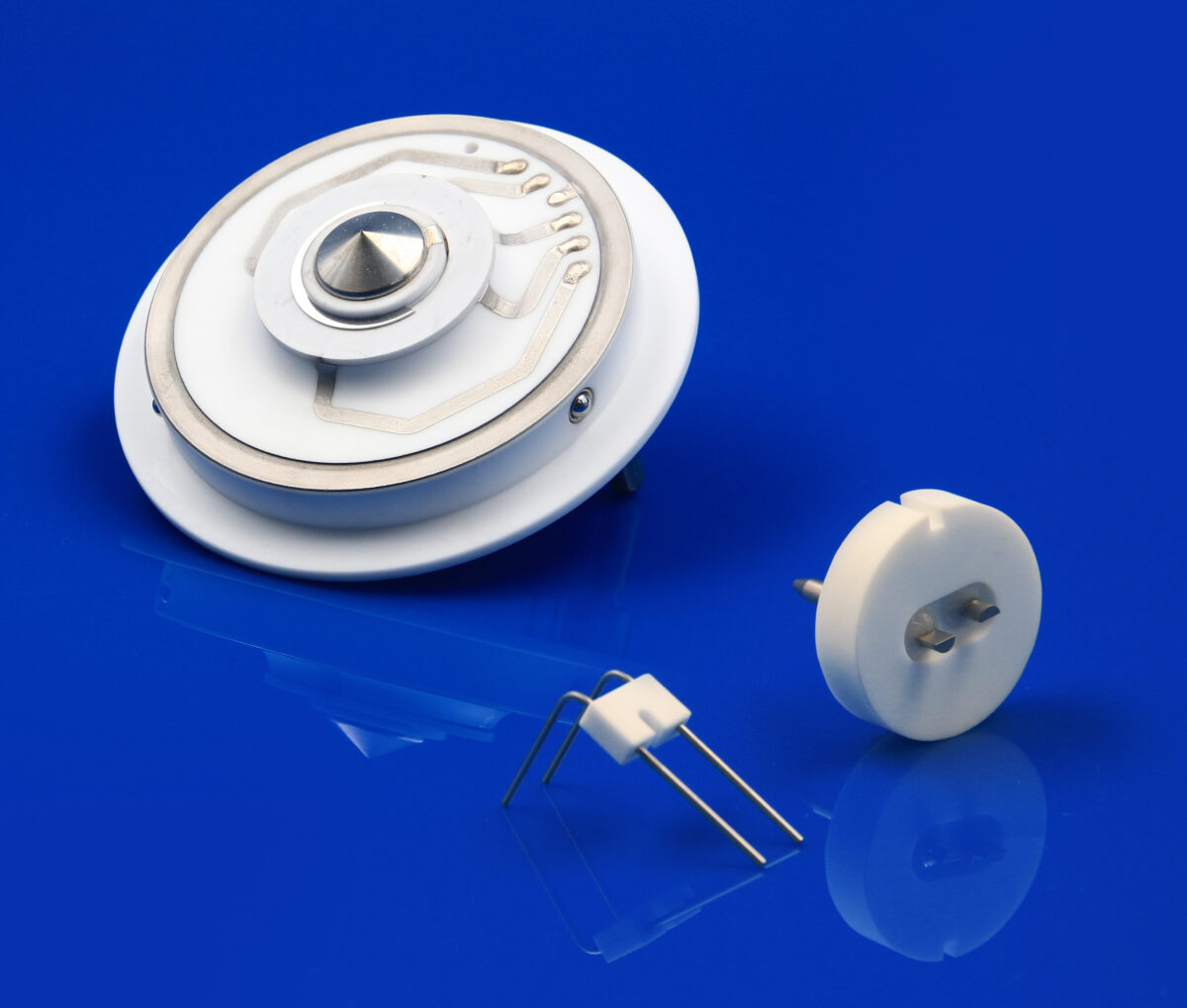
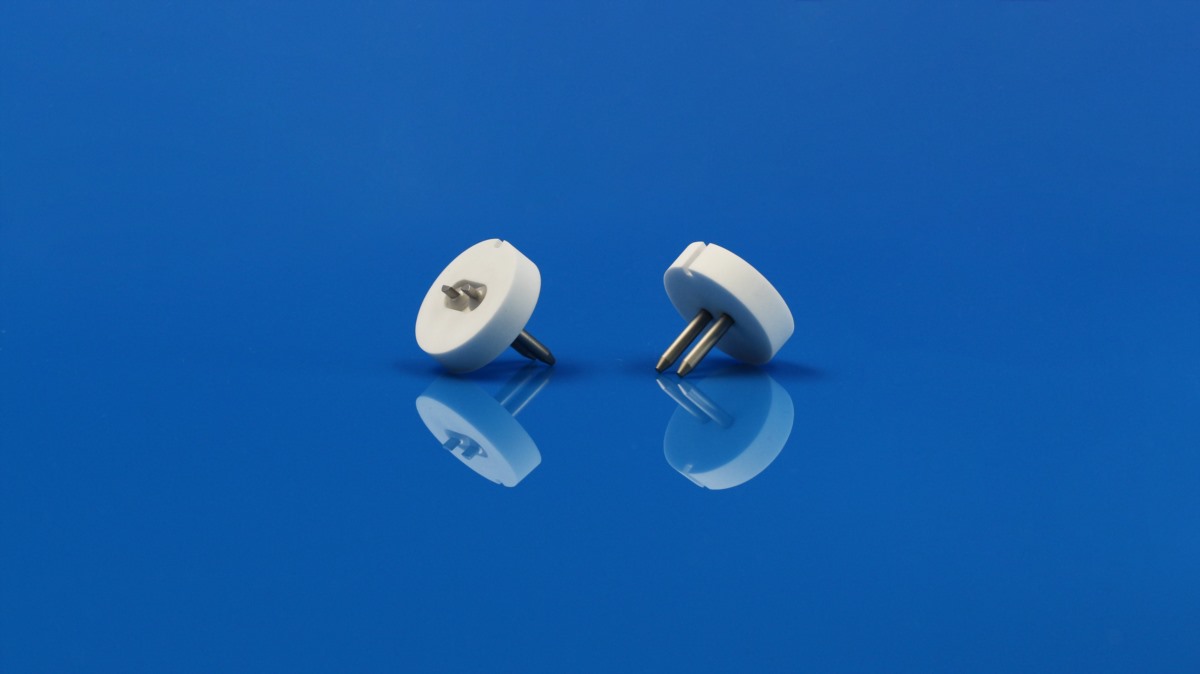
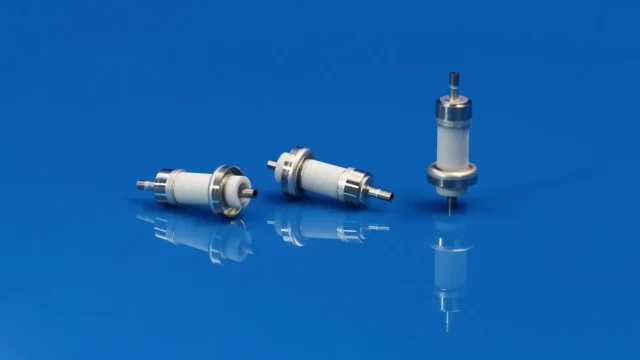
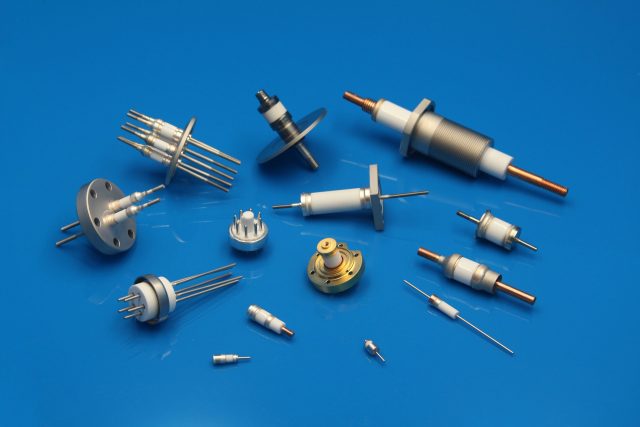
A ceramic orifice plate is a ceramic-to-metal sealing component typically installed between the ion source and the mass analyzer. Its main function is to allow ions to pass through while restricting gas flow between vacuum chambers. This helps create the differential vacuum environment required in mass spectrometry systems.
The structure usually consists of a high-purity ceramic disc and a metal flange. The ceramic section contains one or more precision micro-holes used for ion transmission.
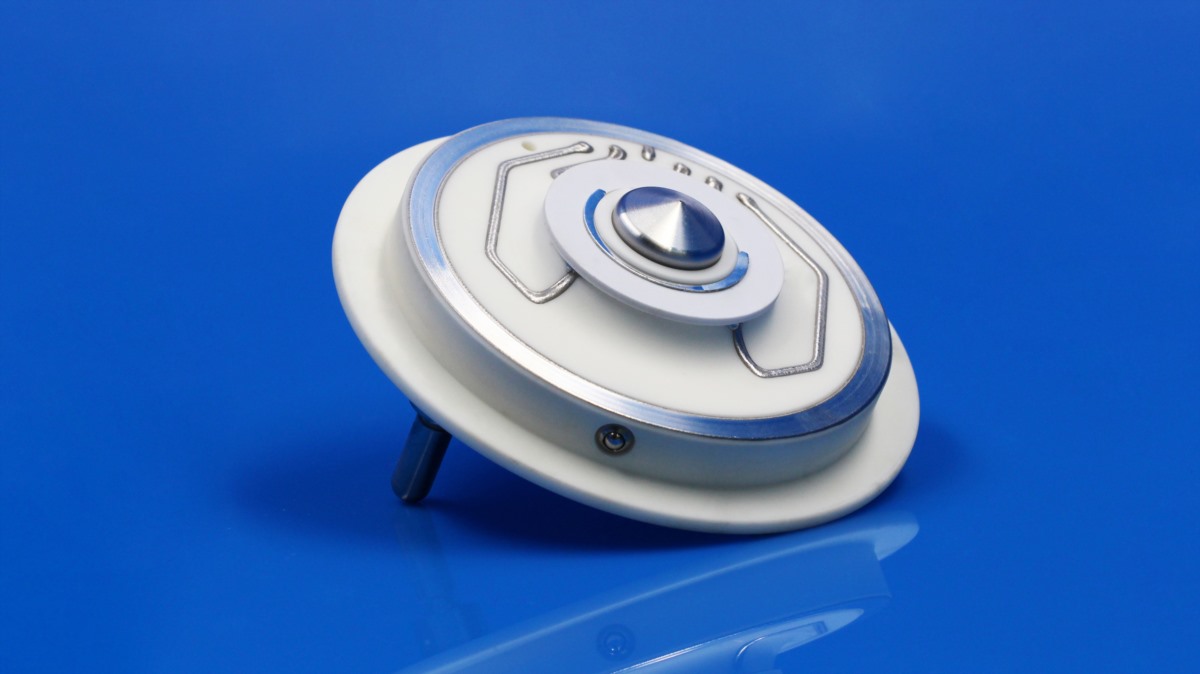
Most suppliers use high-purity alumina for the ceramic side. The material is stable, electrically insulating, and holds up well in vacuum environments. For the metal flange, Kovar is a common option, especially when thermal expansion matching is critical. Some systems may also use stainless steel depending on the operating conditions and assembly structure.
One critical factor during manufacturing is thermal expansion matching between ceramic and metal. If the expansion rates are not properly controlled, cracking or vacuum leakage may occur during thermal cycling.
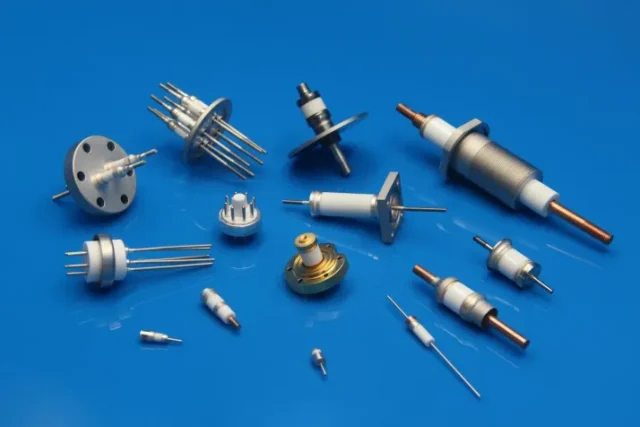
To achieve reliable sealing performance, active brazing technology is widely used. The brazing alloy typically contains active elements such as silver, and copper. Under high-temperature vacuum conditions, these materials react with both the ceramic and metal surfaces to form a strong hermetic bond.
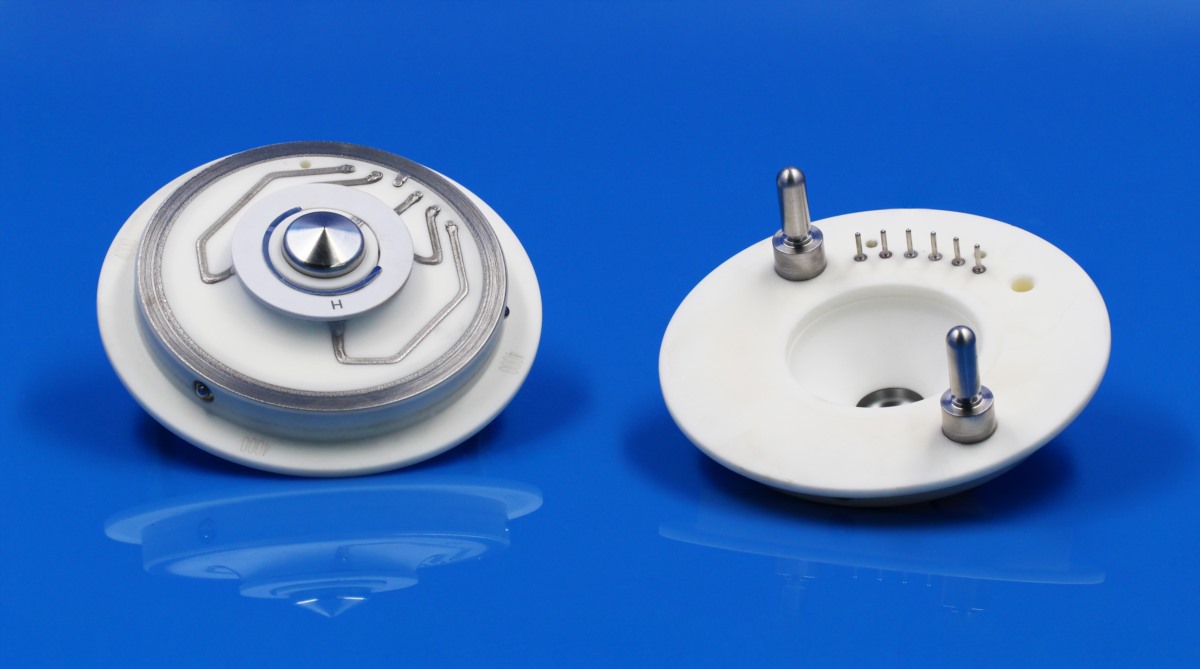
Compared with polymer-based solutions, ceramic orifice plates offer much better thermal resistance and mechanical strength. Another advantage is durability. Ceramic parts generally handle plasma exposure and cleaning chemicals much better than polymer-based materials. In real applications, this usually means less contamination inside the chamber and fewer maintenance issues after long-term operation. This makes ceramic-to-metal sealing technology more important than ever.
Innovacera provides customized ceramic orifice plate manufacturing and repair services for various mass spectrometer platforms. Our engineering team supports both standard and customized designs based on customer requirements. For geting quote, pls contact sales@innovacera.com.