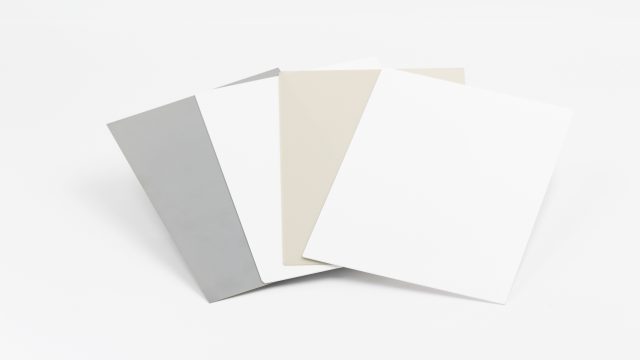
With the widespread adoption of 800G optical modules and the gradual deployment of 1.6T products, the issues of heat accumulation, signal interference, and long-term reliability in high-speed optical modules are becoming increasingly prominent. Traditional substrates such as alumina and FR-4 have performance limitations, making aluminum nitride (AlN) ceramics, with its balanced comprehensive performance, a core material essential for high-end high-speed optical modules, supporting the industry’s rapid iterative upgrades.

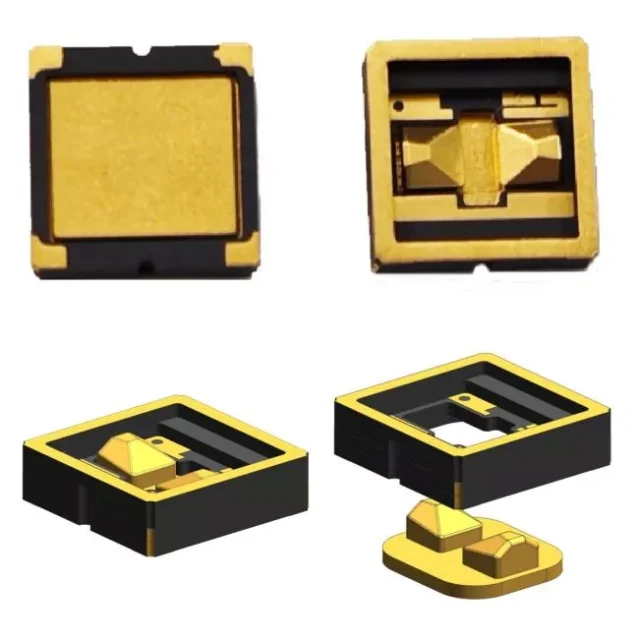
Aluminum nitride is primarily used in three scenarios in optical modules: First, as a main application chip heat dissipation substrate, supporting heat-generating devices such as laser chips and driver ICs, solving the problem of high-power heat accumulation in high-speed modules; second, as a high-frequency insulating load-bearing structure, relying on its high-frequency, low-loss characteristics to ensure signal integrity at rates from 100G to 1.6T, adaptable to silicon photonics and high-speed coherent modules; and third, as a precision packaging structure, which can be customized as heat dissipation pads and packaging bases to balance heat dissipation uniformity and improve the stability of equipment operation 24/7.
While the industry largely focuses on aluminum nitride’s heat dissipation capabilities, its scarcity lies in its ability to simultaneously meet the stringent requirements of heat dissipation, insulation, and structural stability in high-density packaging. It is one of the very few high-end materials currently suitable for mass production, making its substitution value extremely high.
The industry’s mass adoption of aluminum nitride is primarily driven by its suitability for high-speed modules. Firstly, its thermal conductivity reaches 170-230 W/(m·K), several times that of traditional materials, effectively controlling chip junction temperature. Secondly, its coefficient of thermal expansion closely matches that of silicon chips, avoiding chip cracking and delamination failures caused by thermal stress. Thirdly, it exhibits stable dielectric properties, low high-frequency transmission loss, and no crosstalk. Fourthly, its excellent insulation and weather resistance make it suitable for the harsh, all-weather operating conditions of data centers.
The following is a comparison of the properties of alumina and aluminum nitride materials.
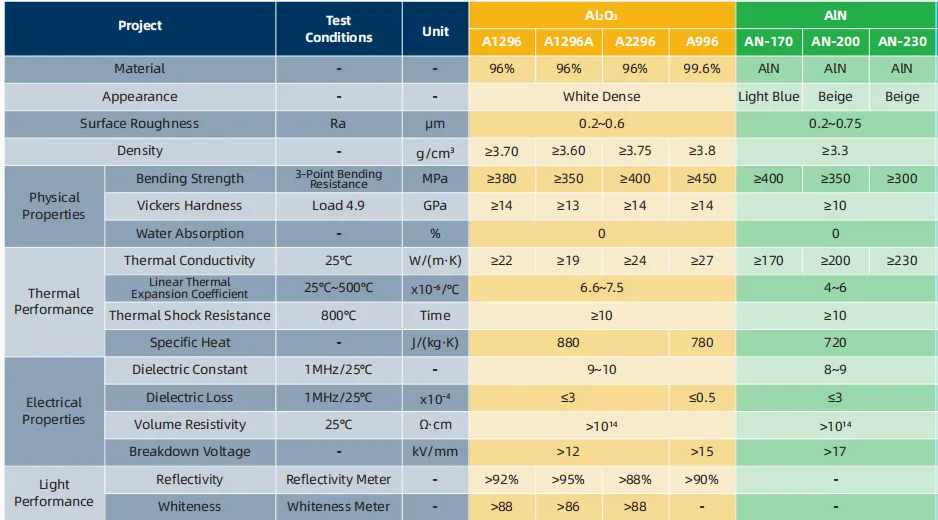
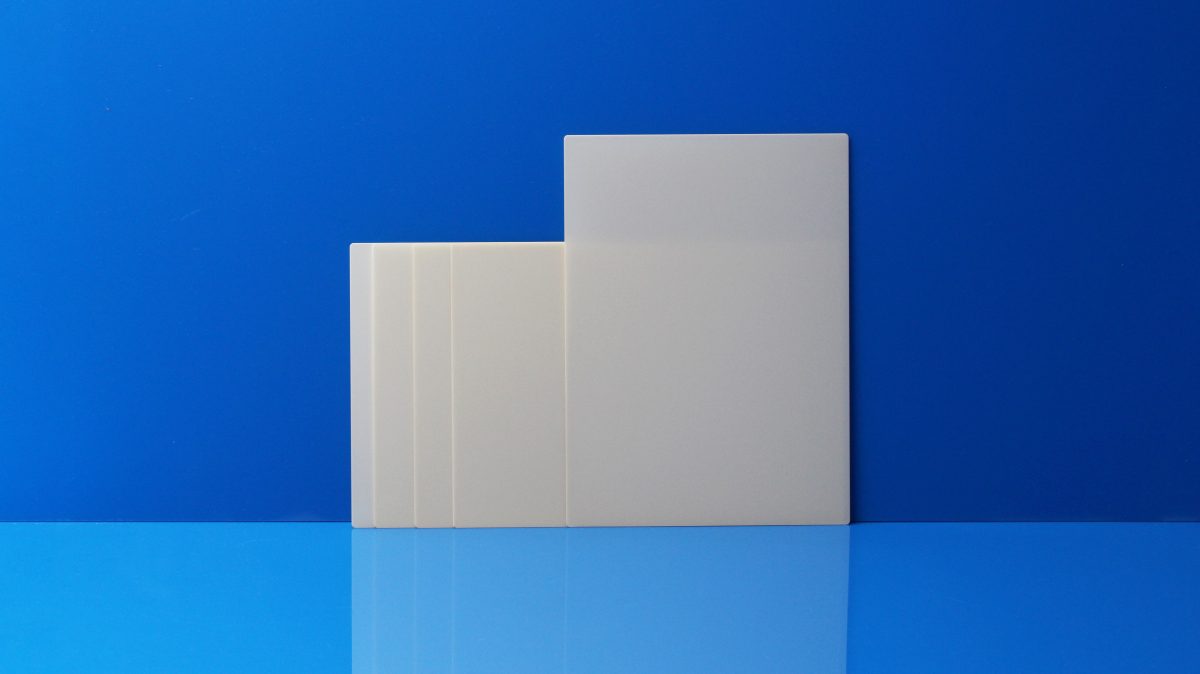
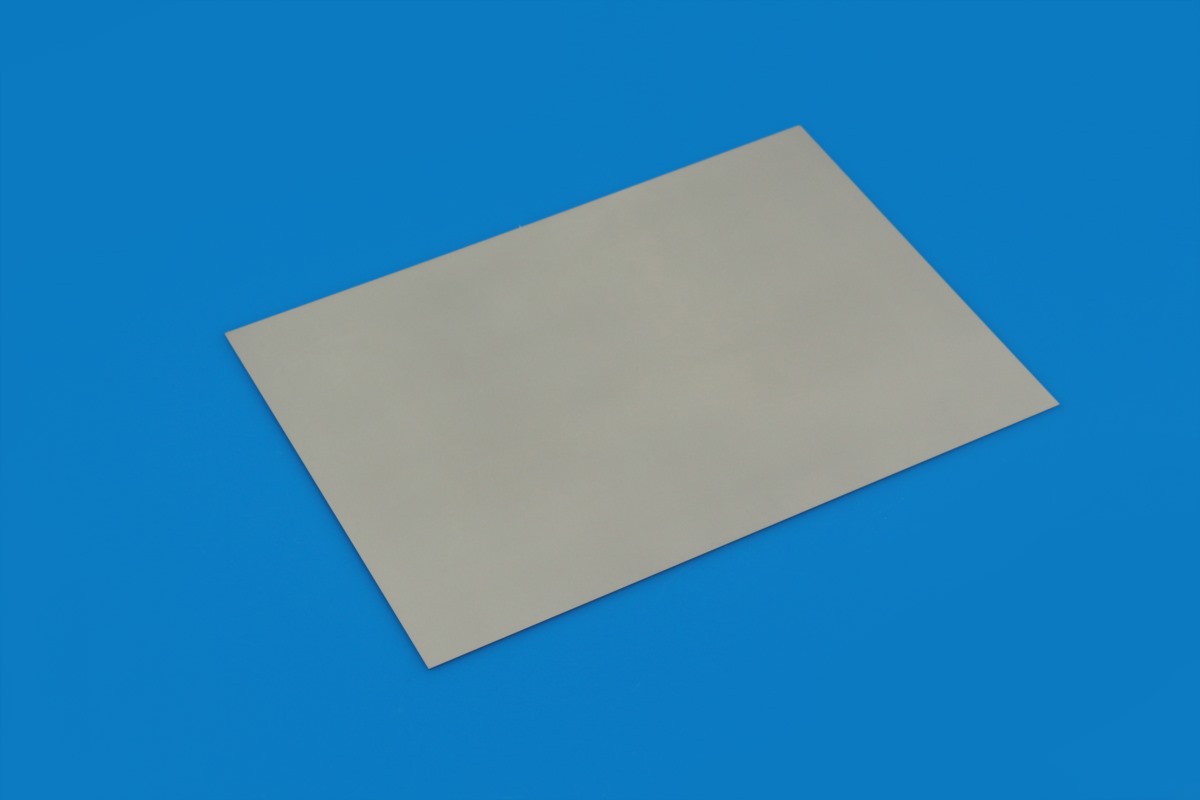
Currently, mainstream aluminum nitride products are based on ceramic substrates, with thicknesses ranging from 0.25mm to 1.0mm, compatible with all package types including SFP and OSFP, meeting the needs of optical modules from 400G to 1.6T. The current bottleneck in the industry is no longer a lack of specifications, but rather the low yield rate of mass production of high-end, high-precision aluminum nitride products, which is also the core direction for future industry iteration.
Overall, high-speed optical modules have entered an era of “reliability first.” Aluminum nitride has solved the industry’s three core pain points: heat dissipation, signal strength, and reliability. With the large-scale commercialization of 1.6T modules, its penetration rate will continue to increase. At the same time, the maturity of domestic processes will accelerate the domestic substitution of high-end materials, becoming a key to the upgrading of the optical communication industry chain. For more information, pls contact us at sales@innovacera.com.