

Farmacéutico
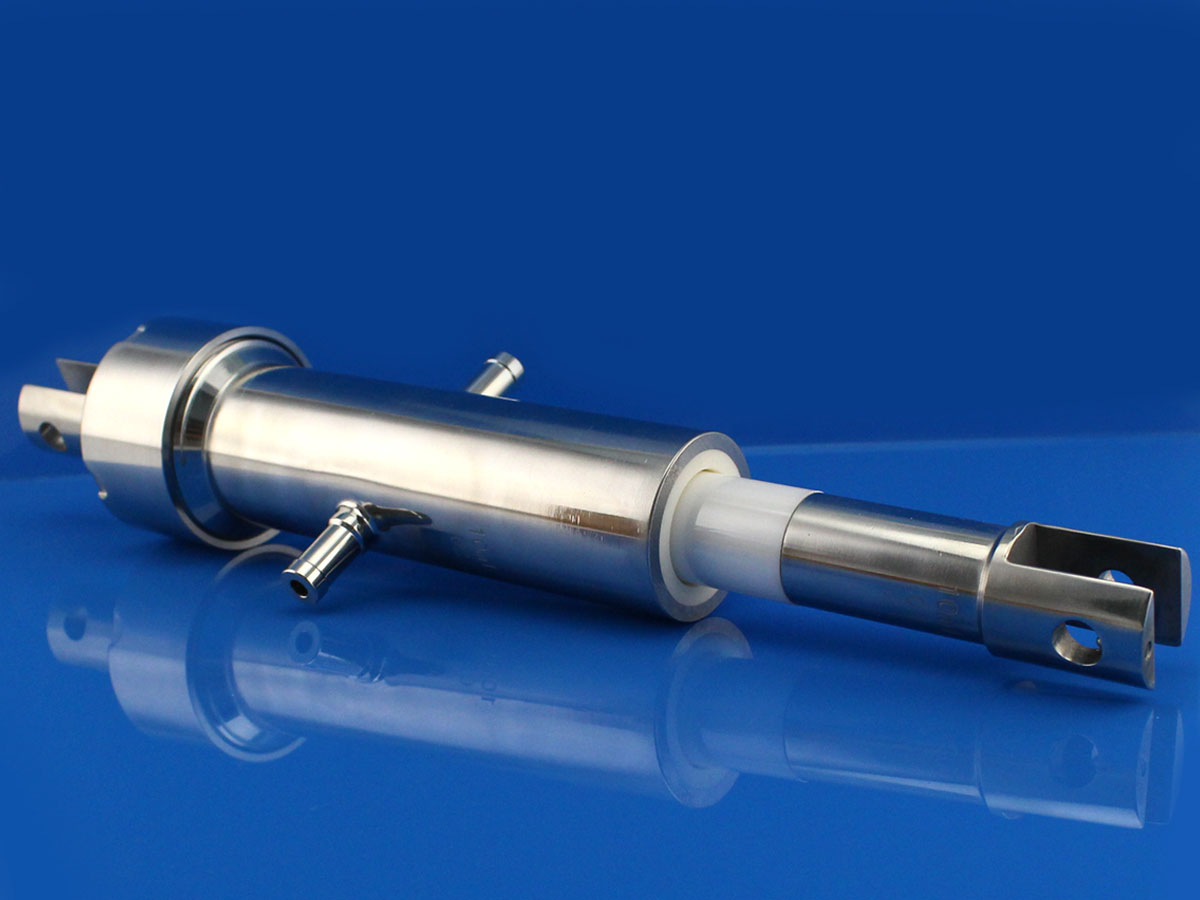
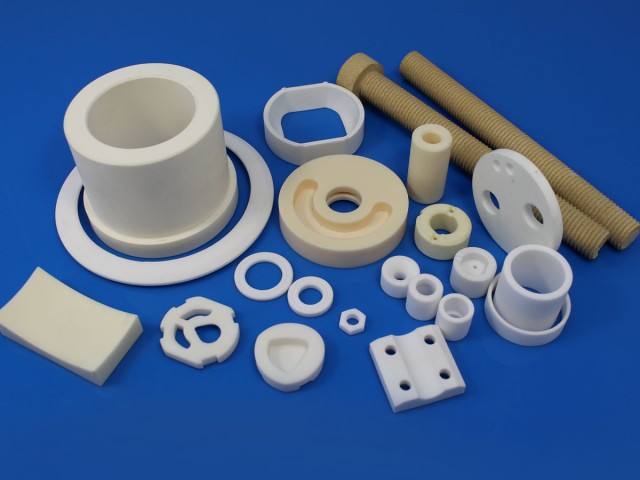
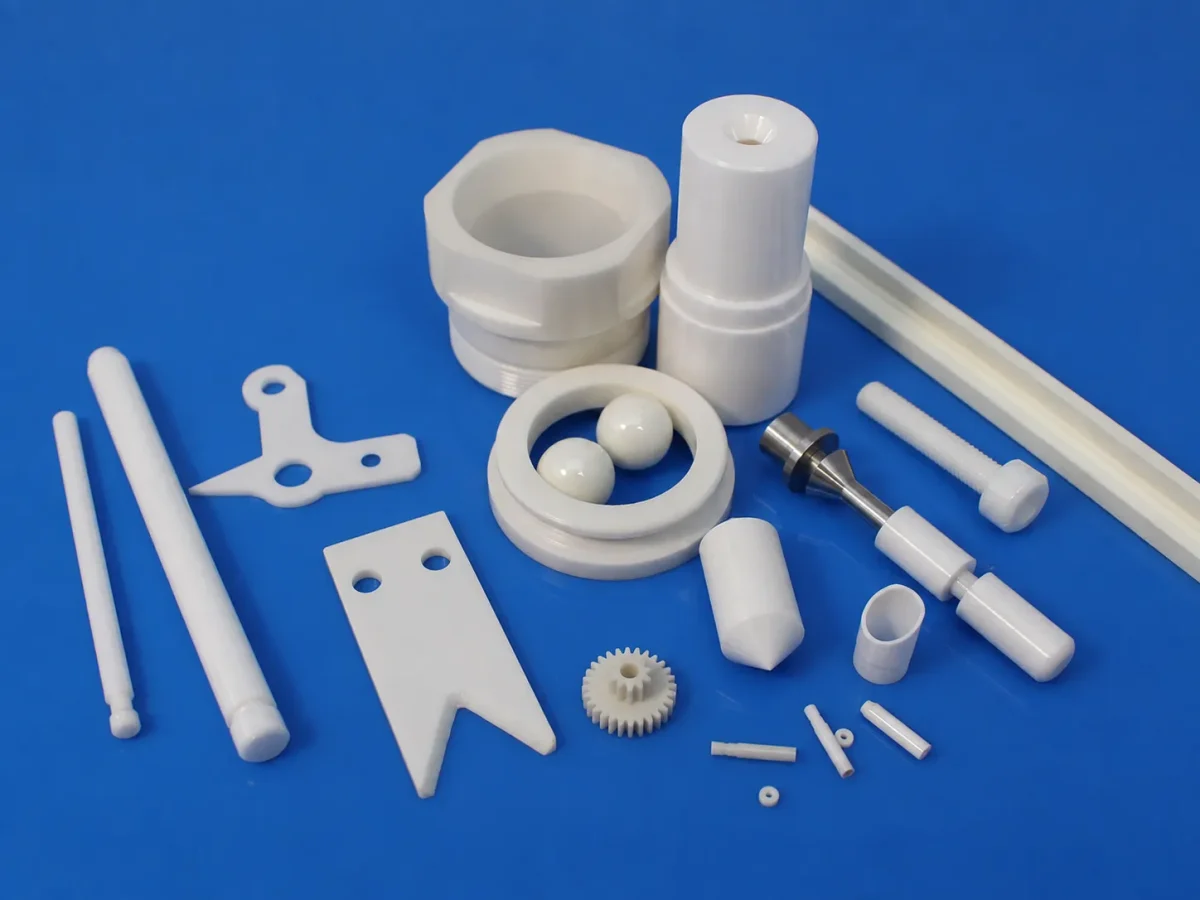
Piezas cerámicas para equipos farmacéuticos donde la superficie limpia, vida útil de desgaste, compatibilidad química y movimiento repetible son importantes.
Requisitos de ingeniería detrás de los componentes cerámicos de Farmacéutico
Los equipos farmacéuticos suelen combinar movimiento preciso, polvos abrasivos o líquidos, química de limpieza agresiva y expectativas estrictas de limpieza. Las piezas cerámicas ayudan a reducir el desgaste, mantener la estabilidad dimensional y disminuir el riesgo de contaminación cuando el material, el acabado superficial y la tolerancia se adaptan al proceso.
- Limpieza y baja generación de partículas
- Precisión en dosificación y medición
- Resistencia al desgaste y química
- Acabado superficial y repetibilidad dimensional
- Condiciones de limpieza, lavado o esterilización
- Alumina para alta pureza, aislamiento y estabilidad química
- Zirconia para pistones, émbolos y piezas de válvula resistentes al desgaste
- Carburo de silicio para polvos abrasivos, sellos y medios agresivos
- Cerámica porosa para filtración, difusión y flujo controlado
Áreas de aplicación de los componentes cerámicos en equipos de Farmacéutico
Utilice esta sección para relacionar su tipo de equipo con las piezas cerámicas típicas y los requisitos clave que debemos revisar antes de cotizar.
Sistemas de dosificación y medición
Manejo de polvo y líquido
Equipos analíticos y de proceso
Notas de Revisión de Ingeniería para Piezas Cerámicas Farmacéuticas
Antes de recomendar un material cerámico o una ruta de manufactura, necesitamos entender cómo funciona la pieza dentro del equipo. En sistemas de dosificación, medición, manejo de polvos y análisis farmacéuticos, detalles como el juego, contacto con medios, método de limpieza y acabado superficial pueden afectar la elección óptima del material.Información que compartir antes de la revisión del material
- Dibujos o fotos de muestras con dimensiones críticas, ajuste y superficies de contacto marcadas.
- Detalles de contacto con medios, incluyendo polvos, líquidos, disolventes, agentes de limpieza o condiciones de esterilización.
- Condiciones de movimiento y desgaste, como deslizamiento, sellado, impacto, rotación, ciclos de dosificación o vida útil esperada.
- Acabado superficial, tolerancia, limpieza, requisitos de control de partículas o contaminación.
- Cantidad, cronograma de prototipo y si la pieza es para reemplazo, validación o producción.
Cómo utilizamos esta información
- Verificar si la alumina, zirconia, carburo de silicio, cerámica porosa u otro material cerámico es el punto de partida práctico.
- Revisar si la geometría se puede formar, cocer, mecanizar y terminar dentro de la tolerancia requerida.
- Identificar superficies donde la rugosidad, redondez, planitud, contacto de sellado o condición de borde afecten el rendimiento.
- Separar oportunidades de productos estándar de piezas cerámicas personalizadas que requieran revisión de dibujo o validación de prototipo.
Soporte que Innovacera puede proporcionar
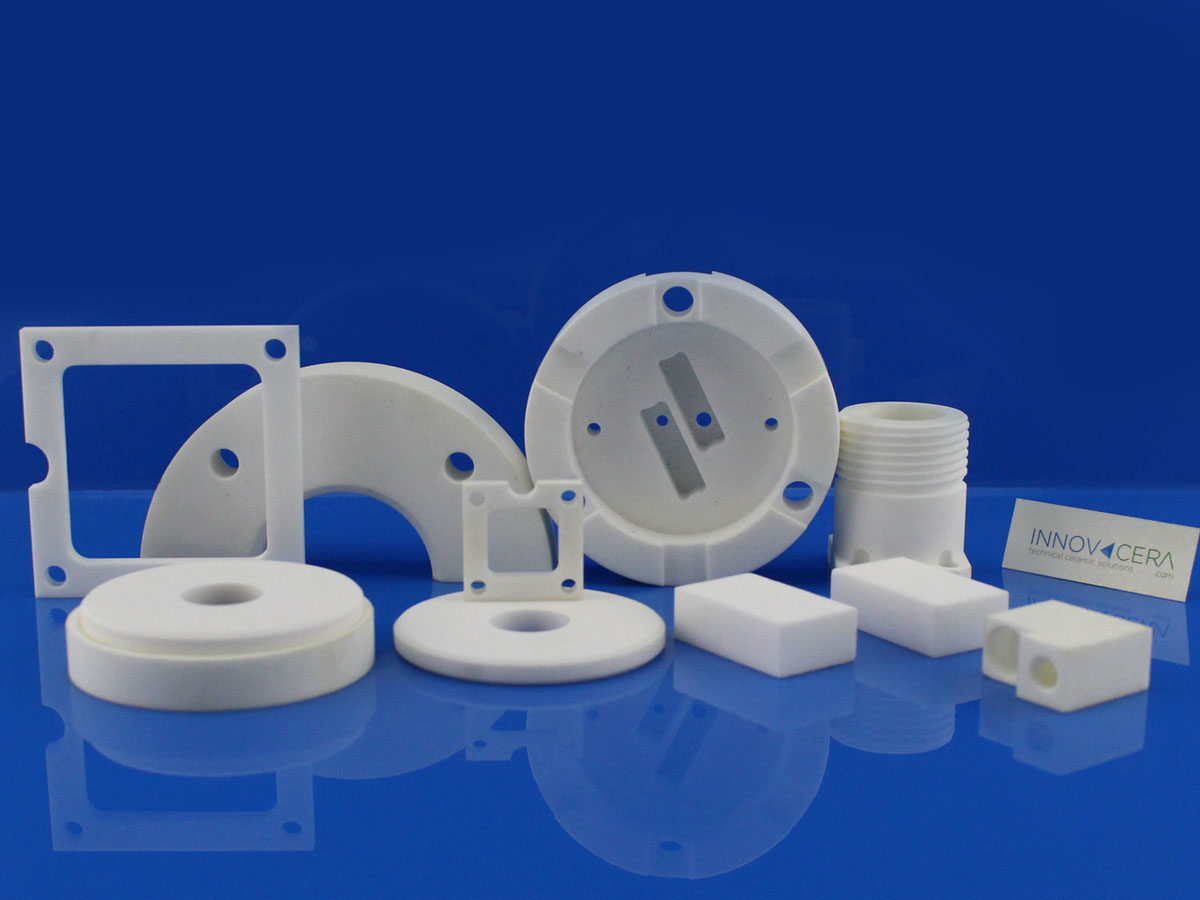
Innovacera puede ayudar a revisar la selección de materiales cerámicos, fabricabilidad, riesgo de tolerancia, requisitos de acabado superficial y planificación de prototipo a producción para componentes de equipos farmacéuticos.Productos cerámicos relacionados.
4 producto relacionado en el catálogo actual. Puede usarlos como puntos de partida para la revisión estándar o la discusión de fabricación personalizada.
Comience con las condiciones. Le ayudaremos a revisar el camino cerámico.
Comparte tus condiciones de funcionamiento, requisitos de rendimiento y desafíos de diseño. Ayudaremos a identificar la solución cerámica óptima.