アプリケーションソリューション

医薬品

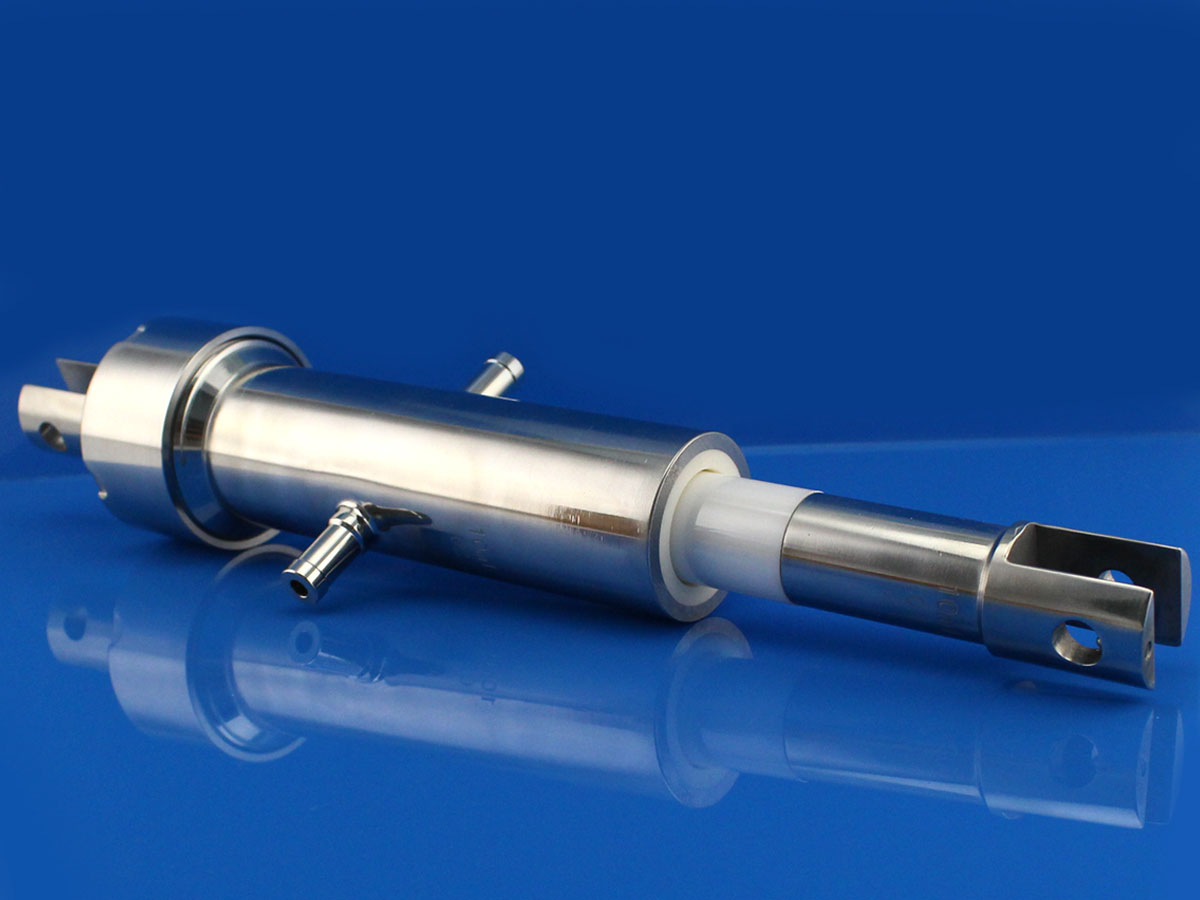
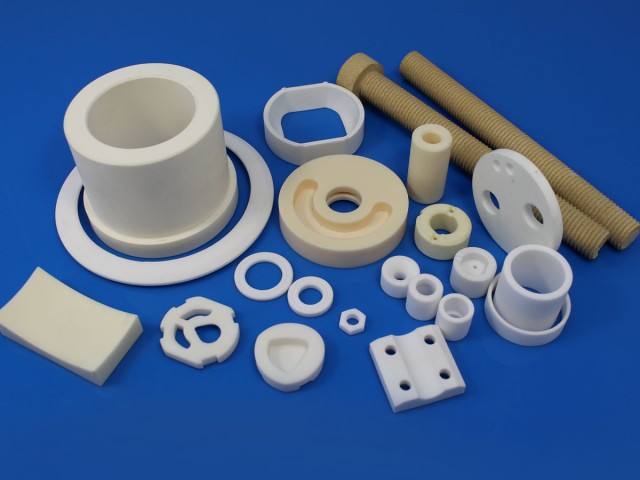
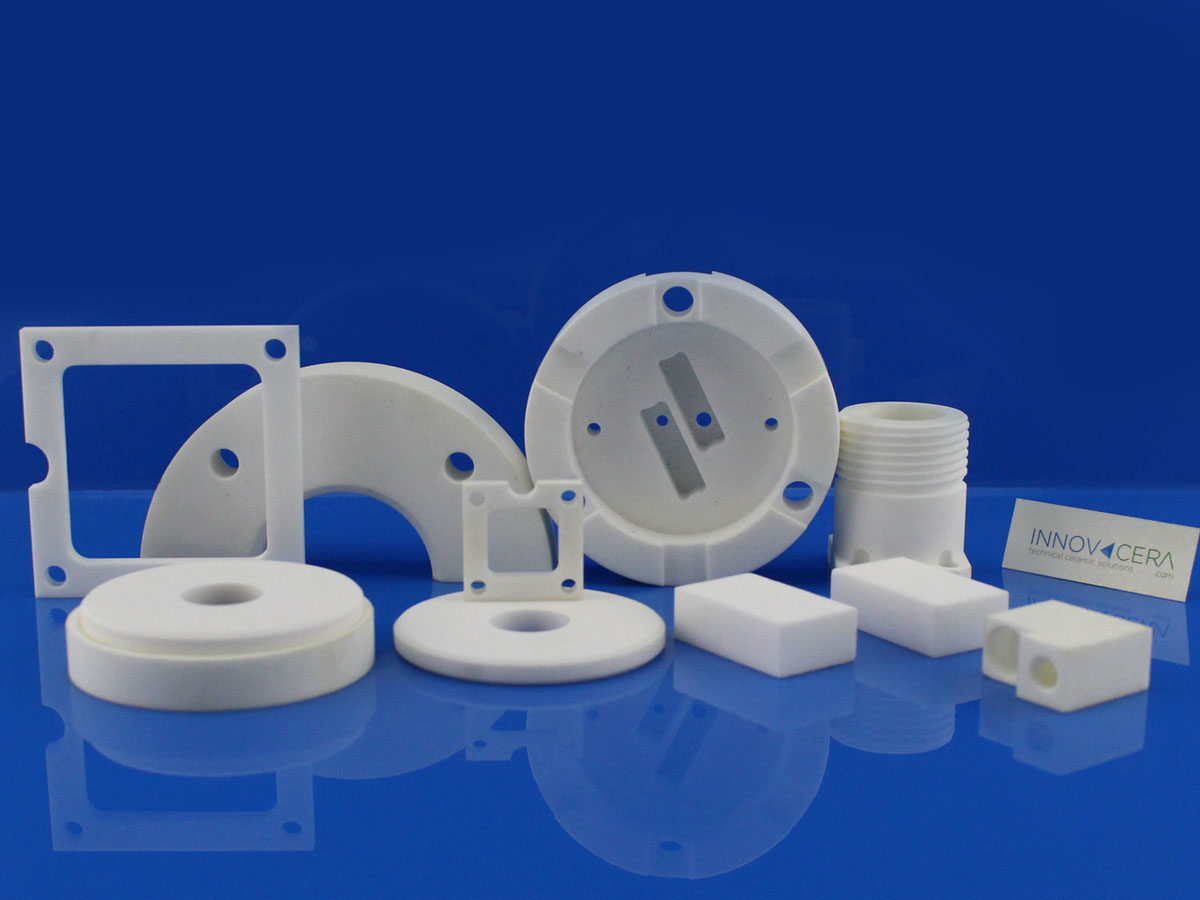
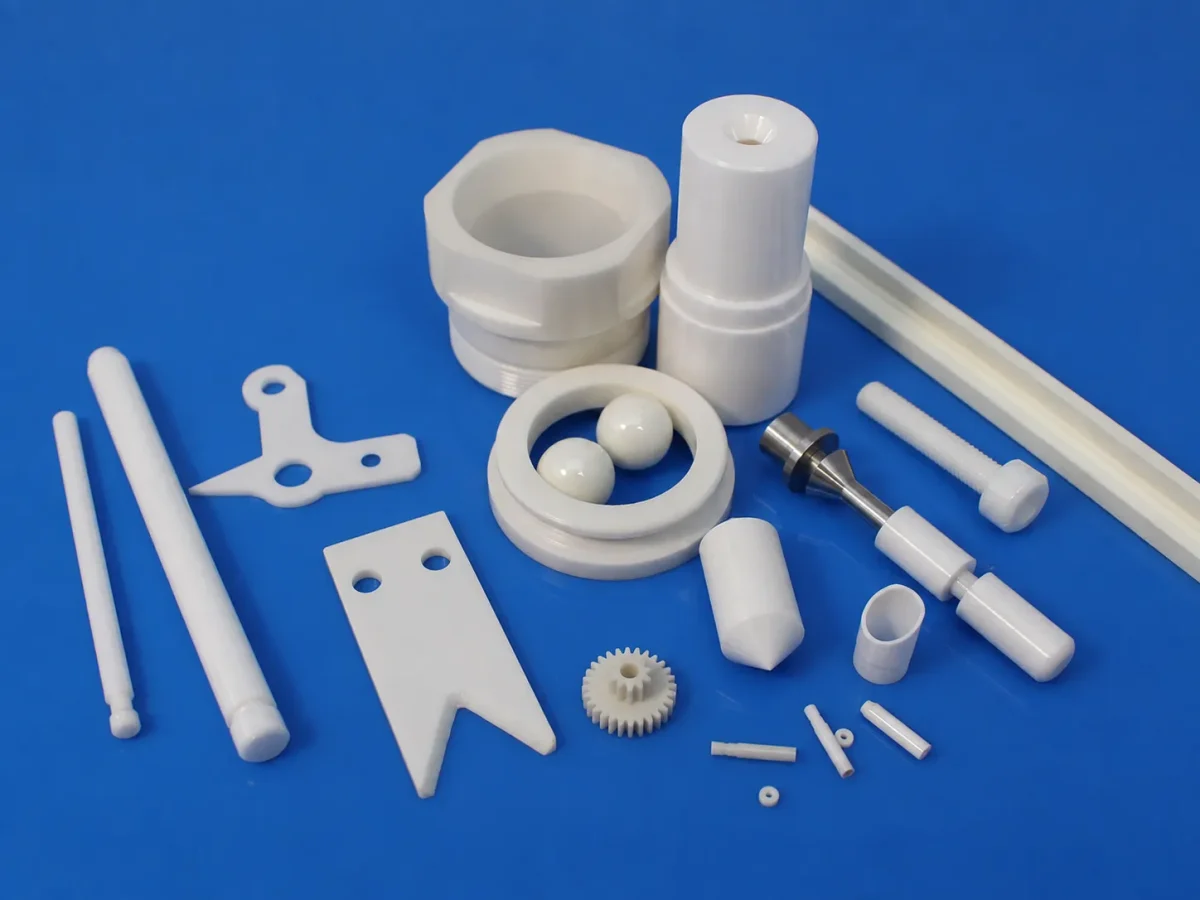
Ceramic parts for pharmaceutical equipment where clean surfaces, wear life, chemical compatibility and repeatable motion matter.

関連製品 4関連製品が現在のカタログにあります
シーケンスを確認 動作条件、セラミックコンポーネント、材料の方向、RFQレビュー
RFQ入力 図面、寸法、数量、目標性能、および動作環境

医薬品セラミックコンポーネントのエンジニアリング要件

Pharmaceutical equipment often combines precision motion, abrasive powders or liquids, aggressive cleaning chemistry and strict cleanliness expectations. Ceramic components help reduce wear, maintain dimensional stability and lower contamination risk when the material, surface finish and tolerance are matched to the process.

主要な要件
  • Operating conditions
  • Component requirements
  • Material selection
  • Manufacturing support
推奨される材料の方向

医薬品機器におけるセラミックコンポーネントの使用分野

このセクションを使用して、機器の種類を典型的なセラミック部品と、お見積もり前に確認すべき主要な要件と照合してください。

分野 01

Application review

典型的なコンポーネント

Custom ceramic components

主要な要件

Operating data, dimensions, target performance

分野 02

Material direction

典型的なコンポーネント

Material-specific parts

主要な要件

Temperature, wear, electrical and chemical needs

分野 03

Manufacturing path

典型的なコンポーネント

Prototype and production parts

主要な要件

Drawings, tolerances, quantity and delivery needs

Engineering Review Notes for Pharmaceutical Ceramic Parts

Before recommending a ceramic material or manufacturing route, we need to understand how the part works inside the equipment. In pharmaceutical dosing, metering, powder handling and analytical systems, small details such as clearance, media contact, cleaning method and surface finish can change the best material choice.

Information to share before material review

  • Drawing or sample photos with critical dimensions, fit and contact surfaces marked.
  • Media contact details, including powders, liquids, solvents, cleaning agents or sterilization conditions.
  • Motion and wear conditions, such as sliding, sealing, impact, rotation, dosing cycles or expected service life.
  • Surface finish, tolerance, cleanliness, particle-control or contamination requirements.
  • Quantity, prototype schedule and whether the part is for replacement, validation or production.

How we use this information

  • Check whether alumina, zirconia, silicon carbide, porous ceramics or another ceramic material is the practical starting point.
  • Review whether the geometry can be formed, fired, machined and finished within the required tolerance.
  • Identify surfaces where roughness, roundness, flatness, sealing contact or edge condition may affect performance.
  • Separate standard product opportunities from custom ceramic parts that need drawing review or prototype validation.

What Innovacera can support

Innovacera can help review ceramic material selection, manufacturability, tolerance risk, surface finish requirements and prototype-to-production planning for pharmaceutical equipment components.

条件から始めましょう。セラミックの道筋を確認するお手伝いをします。

操作条件、パフォーマンス要件、設計上の課題を共有します。最適なセラミックソリューションの決定に役立ちます。