

アプリケーションソリューション
ライフサイエンス
清浄な流体処理、サンプル接触、精密な幾何形状および安定した表面が求められるライフサイエンス機器用セラミック部品です。
関連製品
4関連製品が現在のカタログにあります
シーケンスを確認
動作条件、セラミックコンポーネント、材料の方向、RFQ レビュー
RFQ 入力
図面、寸法、数量、目標性能、および動作環境
ライフサイエンスセラミックコンポーネントのエンジニアリング要件
ライフサイエンス機器は、微小な流体パス、サンプル接触面、分析精度および繰り返し運動を組み合わせることがあります。幾何形状および表面仕上げが制御される場合、セラミック部品はクリーン処理および耐摩耗性をサポートできます。
主要な要件
- サンプル接触の清浄度
- コントロールされた流量と流体精度
- 小型移動部品の耐摩耗性
- 低汚染表面
- 機器用精密幾何形状
推奨される材料の方向
- 高純度チューブ、絶縁体および機器コンポーネントにはアルミナを使用
- 耐摩耗性のためのプラunger、ピストンおよびバルブコンポーネントにはジルコニアを使用
- フィルター、拡散および制御流量には多孔セラミックを使用
- 精密治具および絶縁部品には加工可能なガラスセラミックを使用
ライフサイエンス機器におけるセラミックコンポーネントの使用分野
このセクションを使用して、機器の種類を典型的なセラミック部品と、お見積もり前に確認すべき主要な要件と照合してください。
分析機器
流体および実験室自動化
フィルトレーションおよび拡散システム
ライフサイエンス用セラミック部品のエンジニアリングレビュー・ノート
ライフサイエンス用セラミック部品は、サンプル接触面、流路、清浄度および機器の精度についてレビューを行う必要があります。小さな表面および公差は、繰り返し性に大きな影響を与えることがあります。材料レビュー前の共有情報
- 機器機能、サンプルまたは試薬接触、清掃方法および汚染の予測。
- 重要な流体経路、オリフィスサイズ、シーリング面、移動接触および公差が明示された図面。
- 表面仕上げ、多孔性、流量、圧力、摩耗サイクルおよび電気絶縁の要件。
- プロトタイプ数量、検証のコンテキストおよび量産数量。
この情報をどのように活用するか
- アルミナ、ジルコニア、多孔セラミックか加工可能なセラミックが最適な起動材料かをレビュー。
- 形状および表面仕上げが一貫して製造可能か確認。
- パーティクル、デッドボリューム、摩耗または寸法変動が機器動作に影響を及ぼす可能性がある領域を特定。
Innovaceraがサポートできる分野
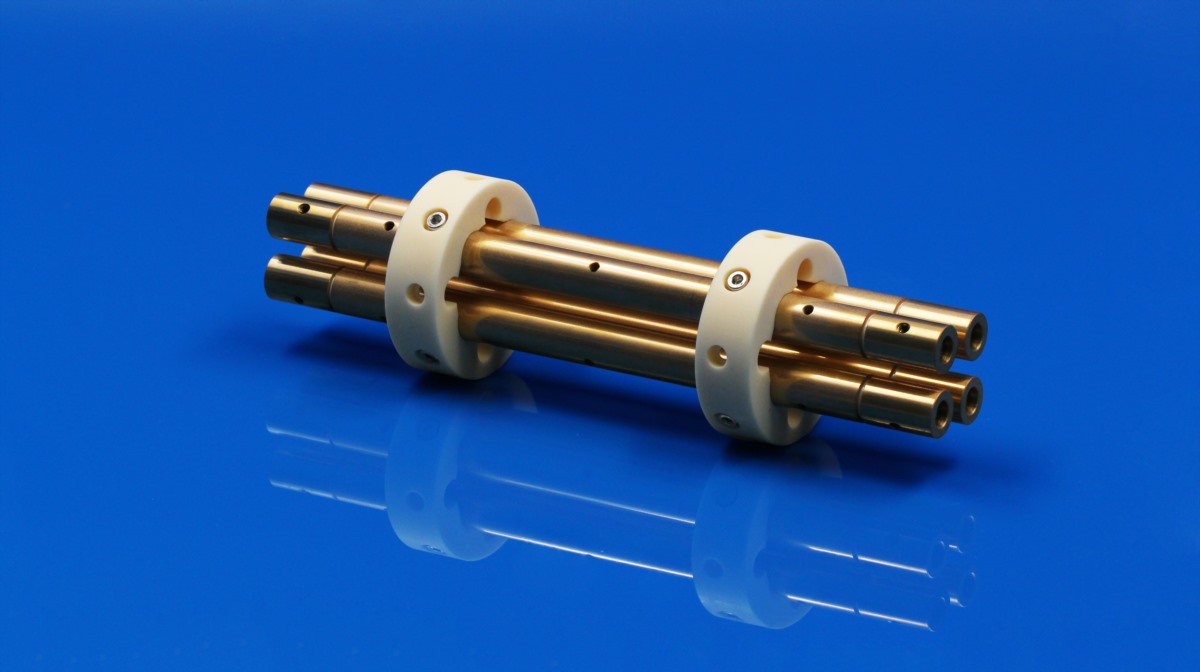
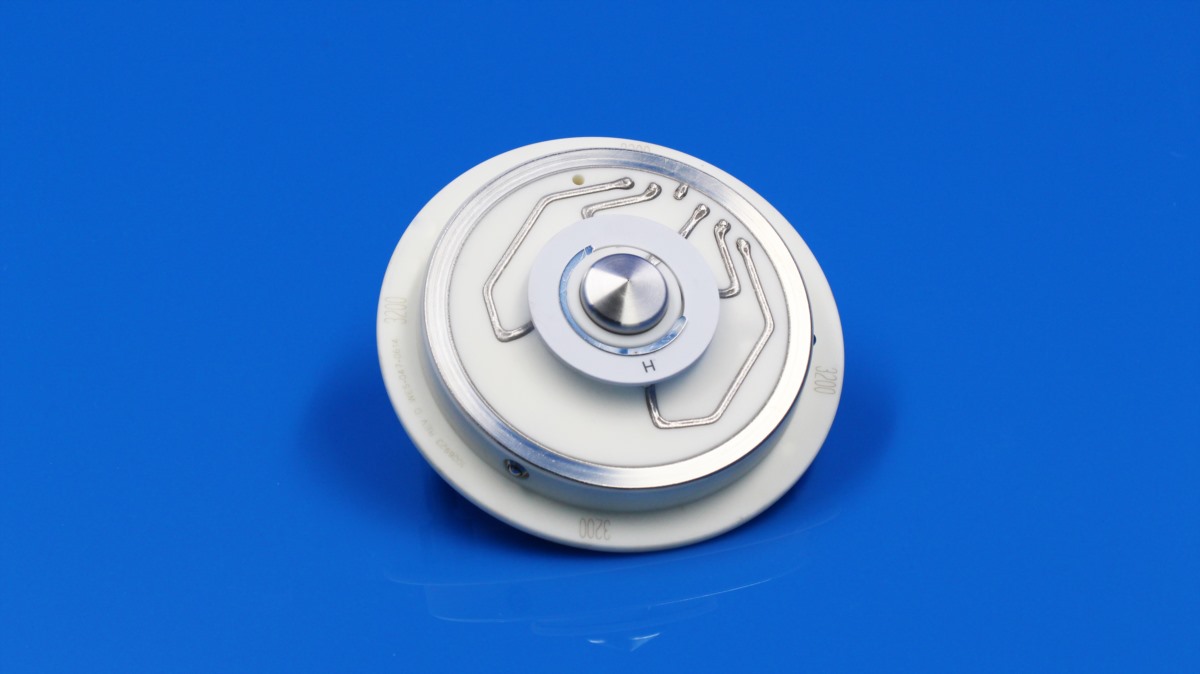
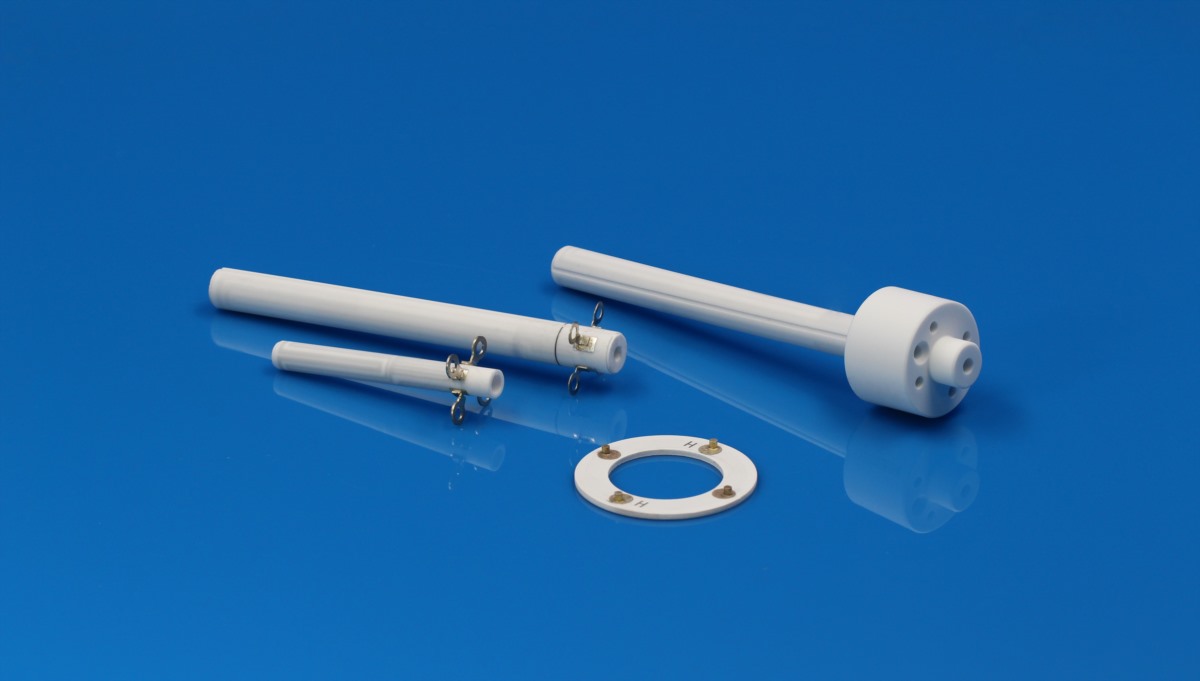
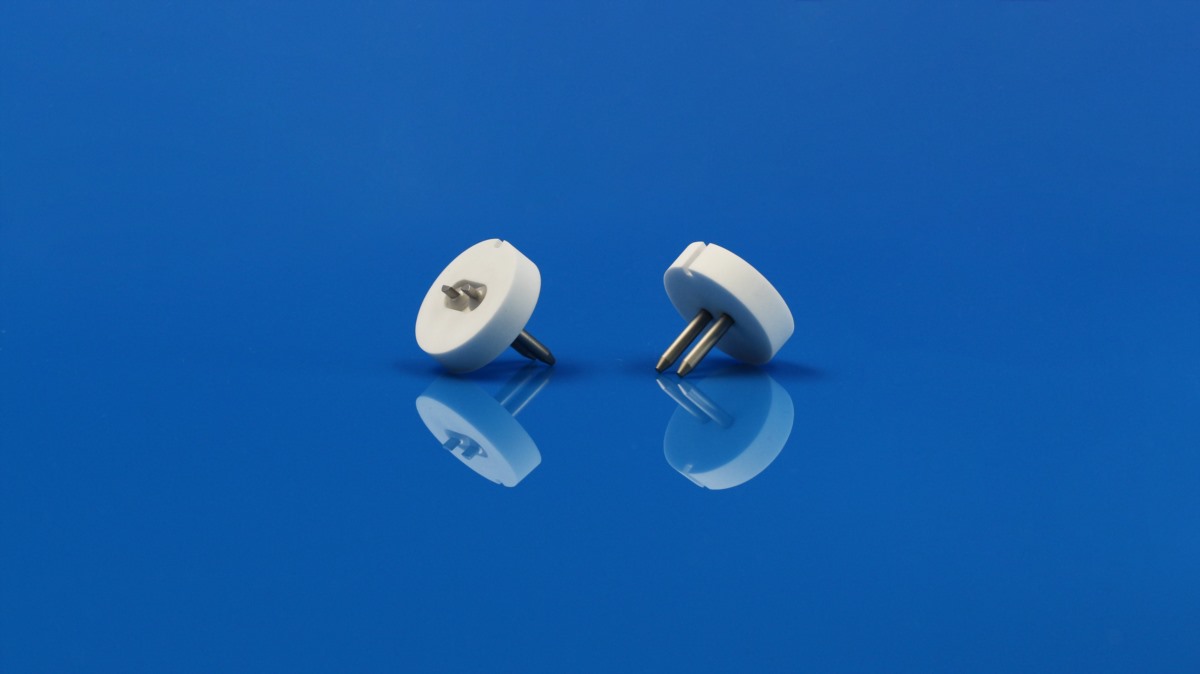
Innovaceraは、ライフサイエンス用機器の構築に、カスタムセラミック流体部品、多孔コンポーネント、絶縁体および精密セラミック治具をサポートいたします。関連するセラミック製品
4関連製品が現在のカタログにあります。標準的なレビューやカスタム製造の議論の出発点として使用できます。
使用条件をお知らせください。最適なセラミックス材料の選定をお手伝いいたします
操作条件、パフォーマンス要件、設計上の課題を共有します。最適なセラミックソリューションの決定に役立ちます。