油气陶瓷组件背后的工程要求
Oil and gas equipment often fails at wear, sealing, corrosion and pressure-loaded contact points. Ceramic materials can extend service life when the geometry, surface finish and operating media are reviewed together.
关键要求
- Abrasive fluid or particle wear
- Corrosion and chemical media exposure
- Sealing surface reliability
- Pressure, temperature and thermal cycling
- Sensor insulation in harsh environments
推荐材料选型方向
- Zirconia for tough wear-resistant plungers, sleeves and valve components
- Alumina for corrosion-resistant insulators and structural parts
- Silicon carbide for abrasive fluid handling, seals and harsh service
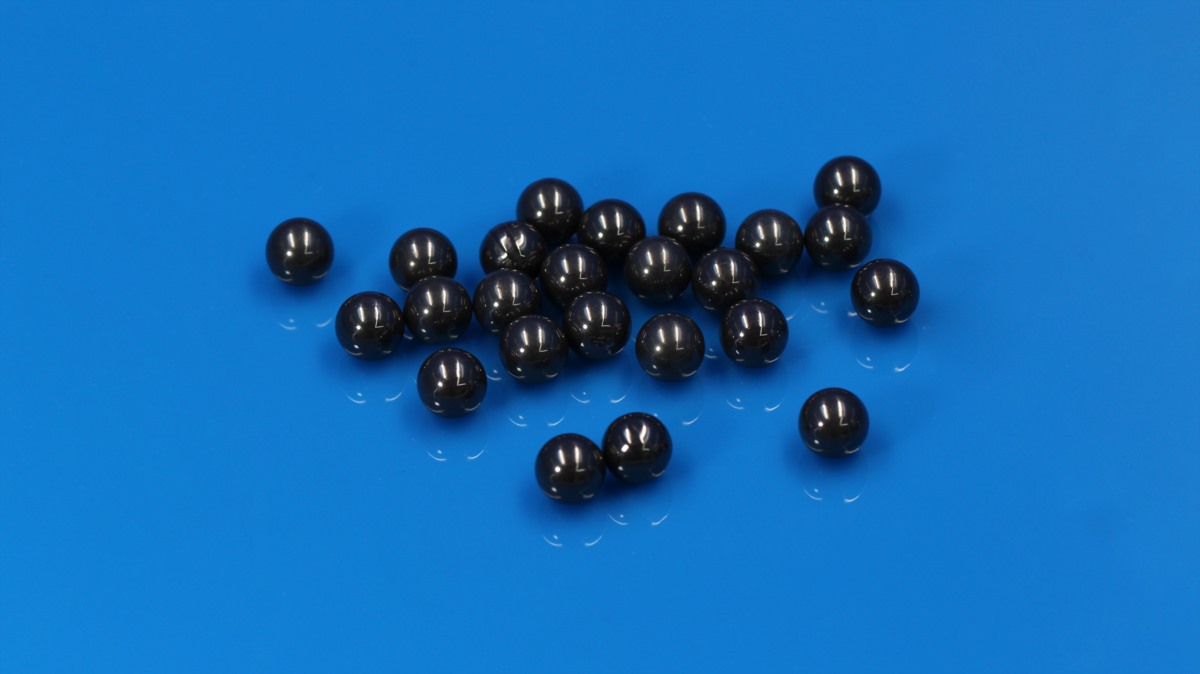
- Silicon nitride for high-strength mechanical components
油气设备中陶瓷组件的应用领域
通过本部分,可根据设备类型查看典型陶瓷部件,以及报价前需要确认的关键要求。
Pumps, valves and fluid control
Sealing and wear protection
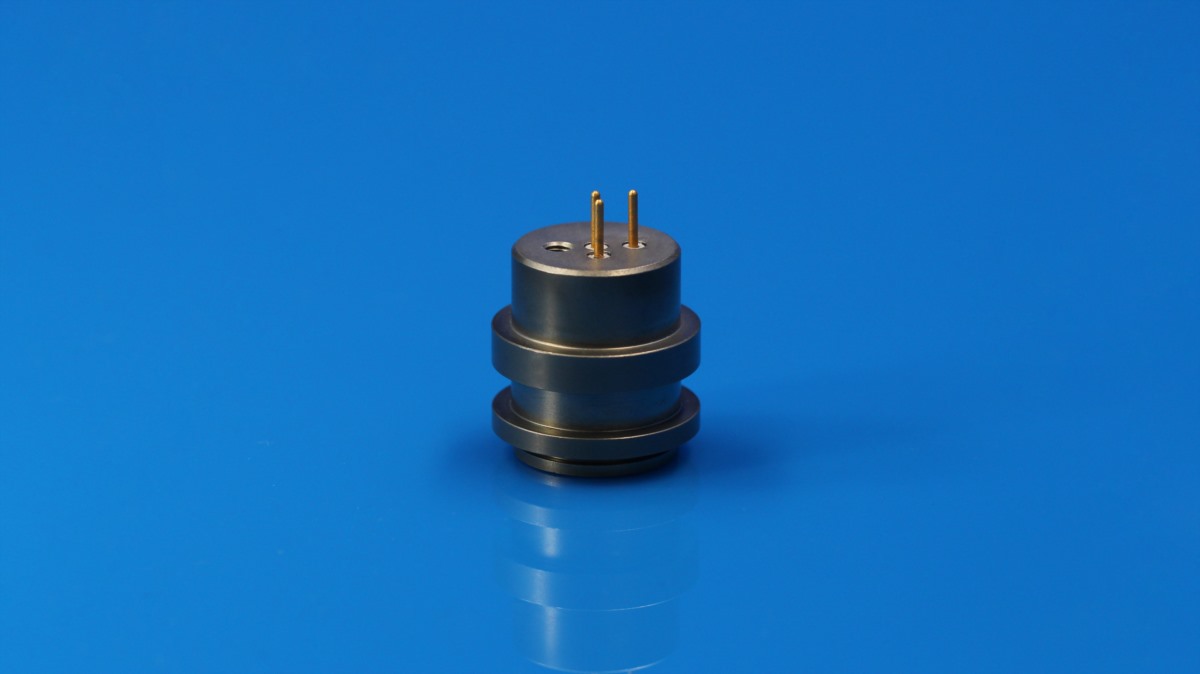
Sensors and harsh-service assemblies
Engineering Review Notes for Oil and Gas Ceramic Parts
Oil and gas ceramic components must be selected for the actual service environment. Abrasion, corrosion, pressure, temperature and sealing geometry all affect whether a ceramic part can improve service life.Information to share before material review
- Equipment type, media composition, abrasive particles, pressure, temperature and operating cycle.
- Drawing, sealing surface, sliding contact area, wall thickness and tolerance requirements.
- Current failure mode, such as wear, leakage, corrosion, cracking or loss of insulation.
- Quantity, replacement schedule, inspection method and whether the part is a retrofit or new design.
How we use this information
- Review whether zirconia, alumina, silicon carbide or silicon nitride is the practical material selection.
- Check sealing surfaces, sliding contacts and high-stress geometry for manufacturability and risk.
- Identify whether surface finish, roundness, flatness or edge protection should be specified before quoting.
What Innovacera can support
Innovacera supports harsh-service ceramic sleeves, seals, valve parts, insulators and custom components for oil and gas equipment.相关陶瓷产品。
2个相关产品在当前目录中。 您可以使用它们作为标准审核或自定义制造讨论的起始点。