

Zirconia ceramic pump components for pharmaceutical filling systems
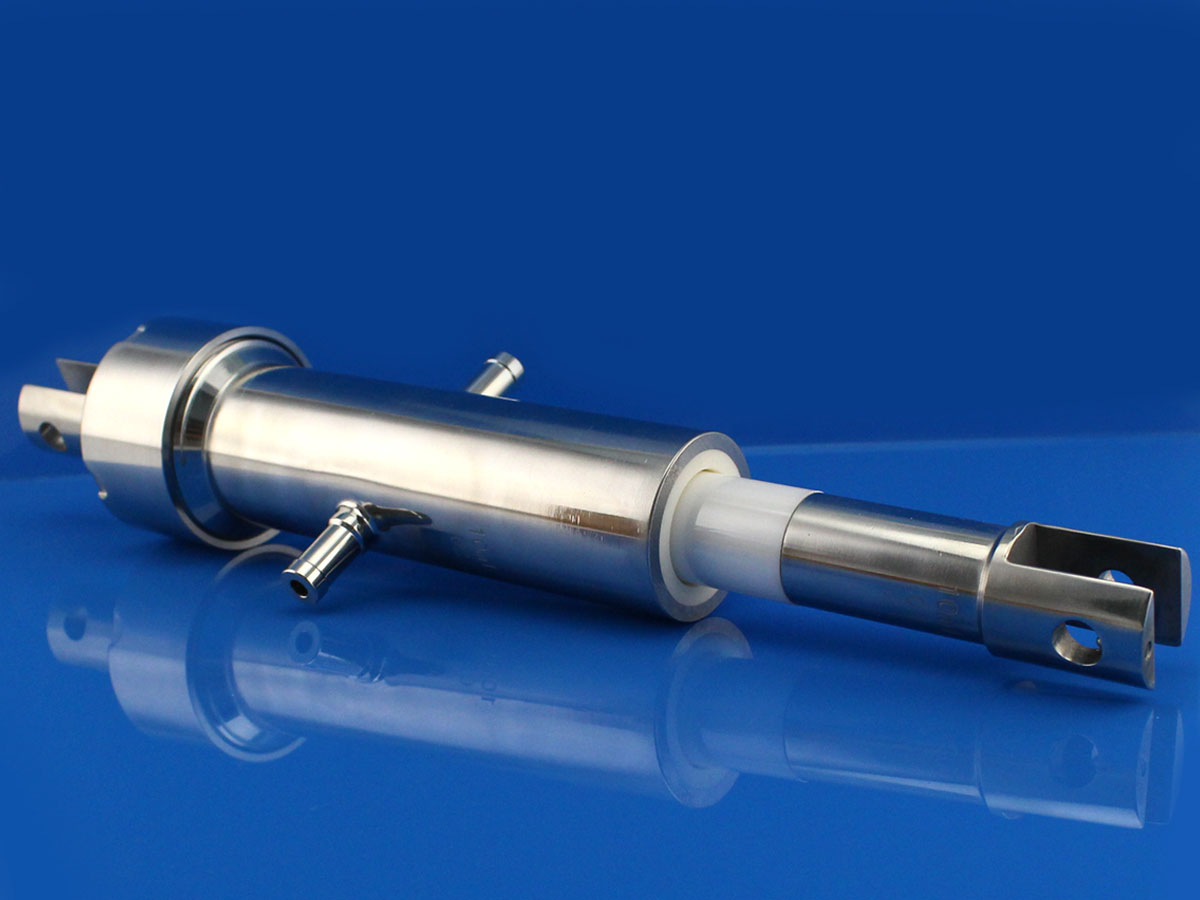
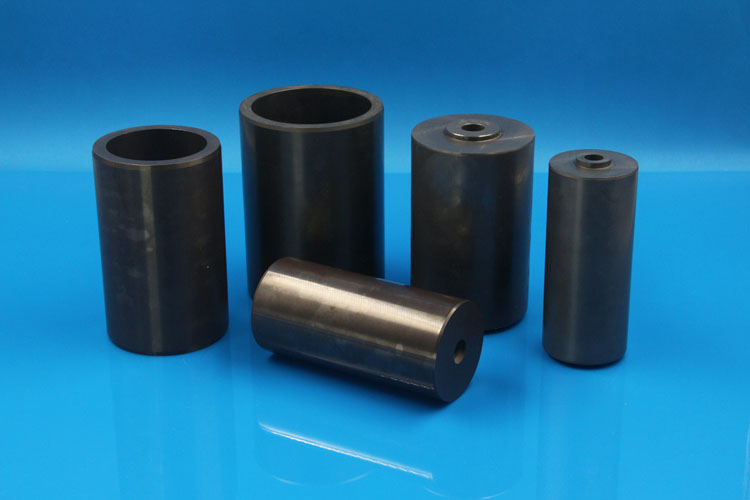
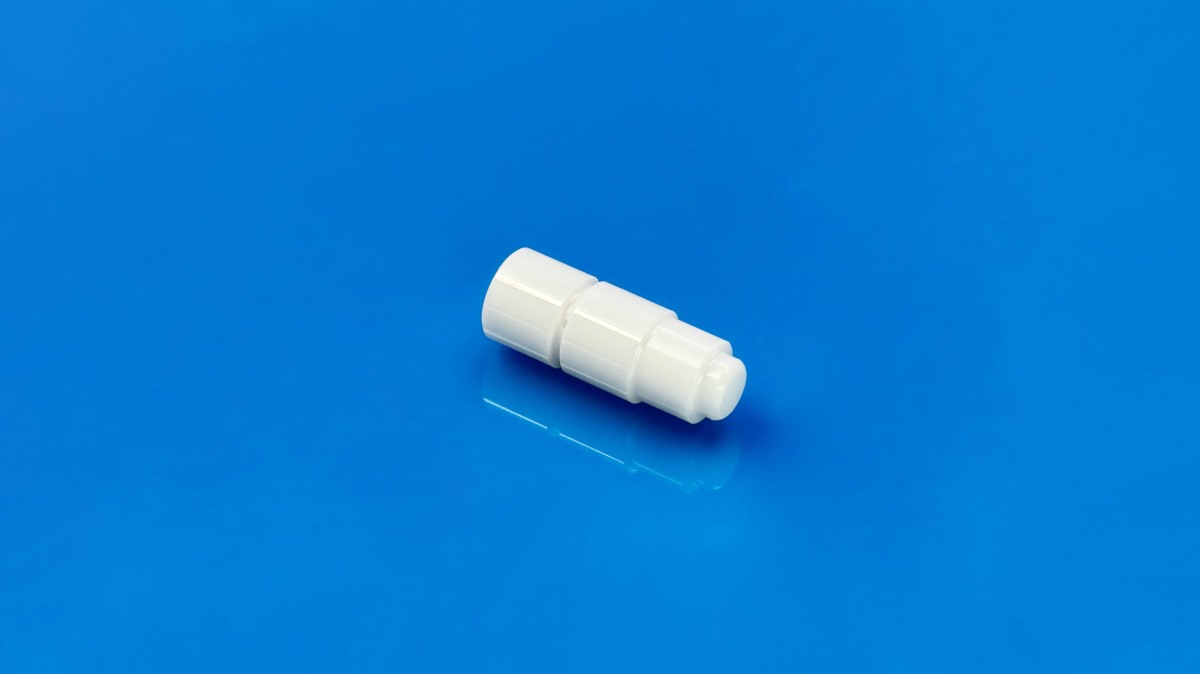
A pharmaceutical equipment manufacturer needed dosing components for a filling system that could hold tight clearance, resist wear and limit particle generation through repeated operation and cleaning. Innovacera reviewed zirconia ceramic plungers, pistons and sleeves, with precision grinding and lapping to support stable, repeatable dosing.
What this case is about.
Here we feature a pharmaceutical filling equipment case where the customer wanted to replace worn metal dosing parts with a ceramic component set. The goal was not only longer service life, but also cleaner operation and more repeatable dosing across production runs.
The problem before changing to ceramics
Filling and dosing systems in pharmaceutical production depend on the moving fit between plunger and sleeve to meter each volume accurately. When these parts are made from metal, repeated sliding contact gradually wears the mating surfaces. As clearance opens up, dosing volume drifts and the risk of particle generation rises — both serious problems in a clean filling environment.
The components also face frequent cleaning and sterilization cycles, which add chemical and thermal stress on top of mechanical wear. The customer needed a material and component approach that could keep the plunger-to-sleeve fit stable over long production runs, tolerate cleaning chemistry, and avoid introducing contamination into the dosed product. Standard metal and polymer parts could not hold the required surface and dimensional stability across the expected service life.
Operating conditions and review points
- Tight clearance between plunger, piston and sleeve
- Repeated dosing cycles with low particle generation
- Cleaning, washdown and sterilization exposure
- Fine surface finish and stable sliding movement
The ceramic material and component direction
Innovacera reviewed zirconia (ZrO₂) for the plunger, piston and sleeve set. Zirconia combines high hardness with good fracture toughness, which suits a small precision part that must resist sliding wear without being brittle in handling. Its dense, non-porous surface limits particle pick-up and is straightforward to clean, and it is chemically stable against the cleaning and sterilization media used in pharmaceutical equipment.
The component work focused on the mating surfaces: the bore of the sleeve and the outer diameter of the plunger were precision ground and then lapped to a fine surface finish, so the sliding fit stays consistent and predictable. Dimensional tolerance on diameter and roundness was held tightly, because the dosing accuracy depends directly on the clearance between the two parts.
Innovacera worked from the customer’s drawings to confirm tolerances, surface finish targets and the prototype-to-production path, so the same material and process route used for the first review parts could carry through to repeat production without a change in behaviour.
What improved
Improved wear life and repeatable dosing in clean filling operations.
Moving the plunger, piston and sleeve set to zirconia gives the customer a wear-resistant, cleanable component family for the filling system. The hard, dense ceramic surfaces hold the sliding fit longer than metal equivalents, which supports more repeatable dosing across a production run and reduces the contamination risk that comes with worn metal parts.
Because the parts are produced from drawings with controlled grinding and lapping, prototype components and repeat-production components share the same material and process route. The customer can review a similar approach for other dosing or metering parts that face the same combination of wear, cleanability and tight-clearance requirements.
Actual performance depends on drawings, tolerances, operating media, temperature, load and cleaning conditions. Innovacera reviews each RFQ against the customer application before recommending a ceramic route.
Discuss a similar ceramic component
Comparta planos, condiciones de operación, cantidad y rendimiento objetivo. Innovacera puede revisar la dirección del material, la viabilidad de fabricación y las opciones de prototipo a producción.