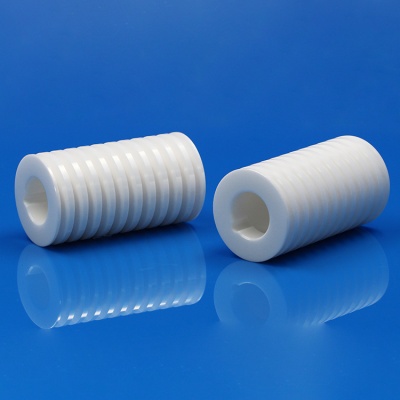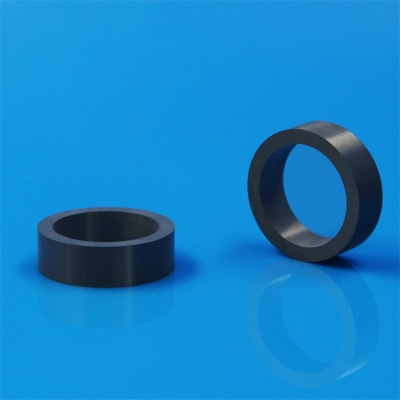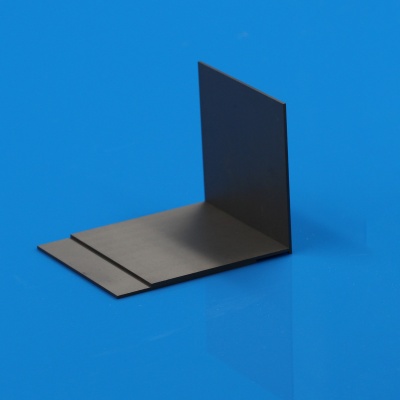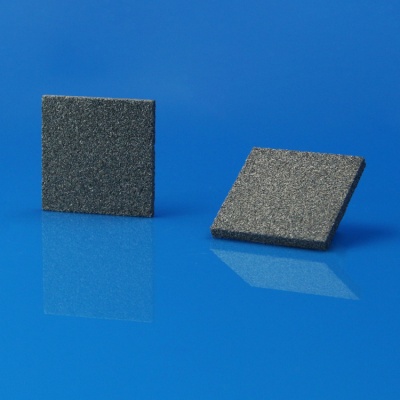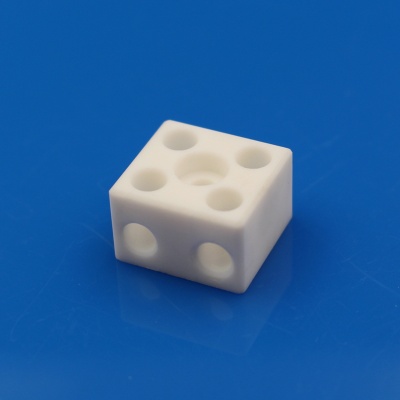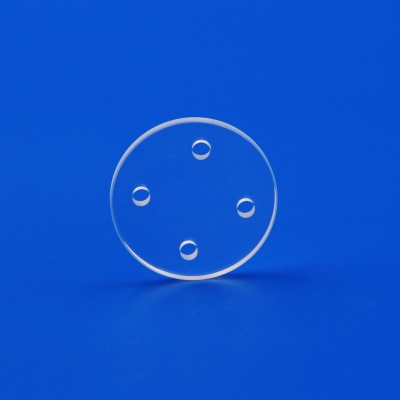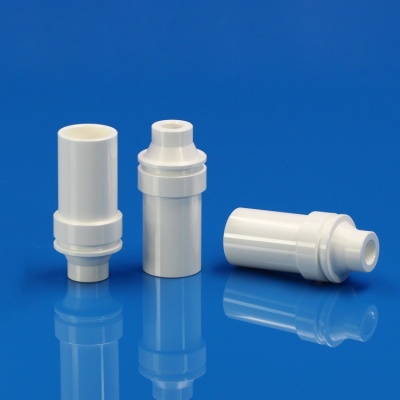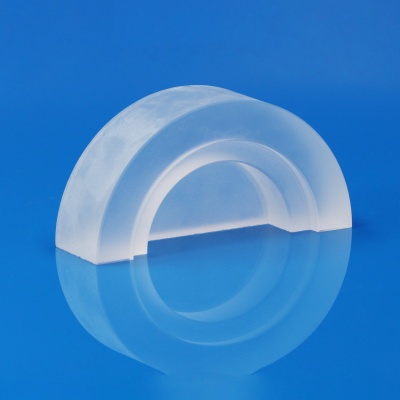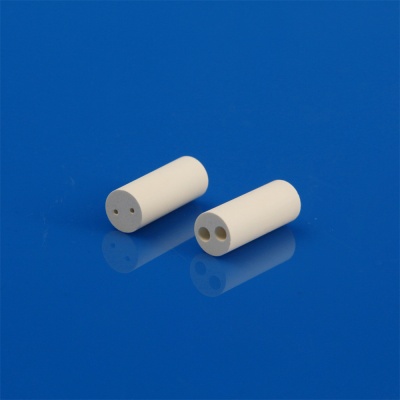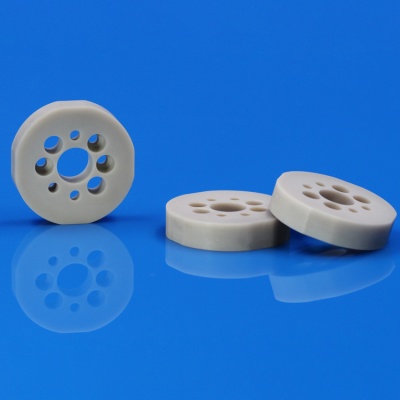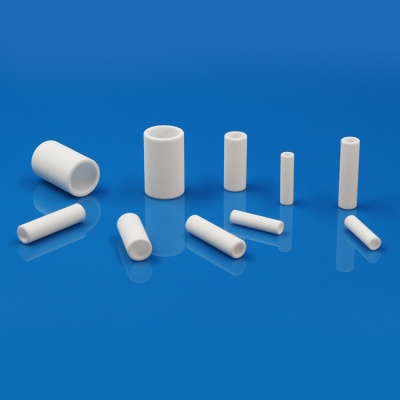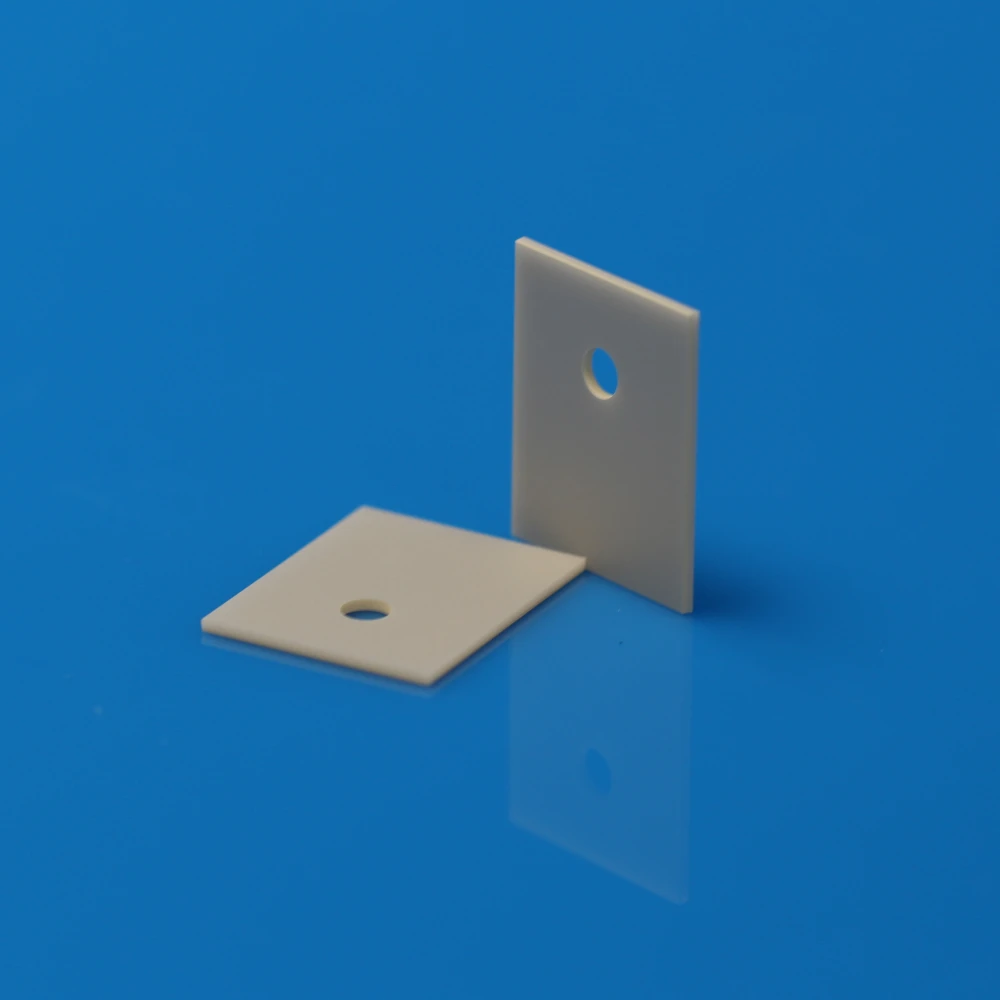
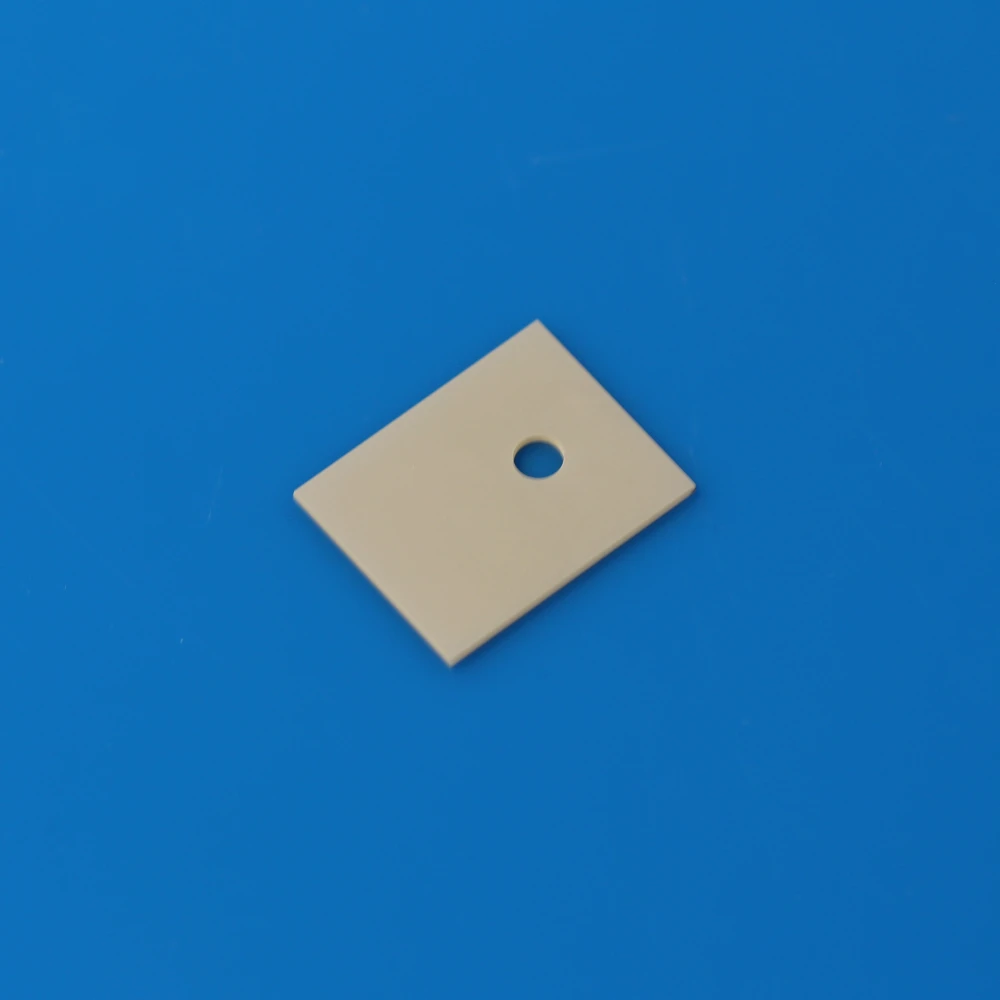
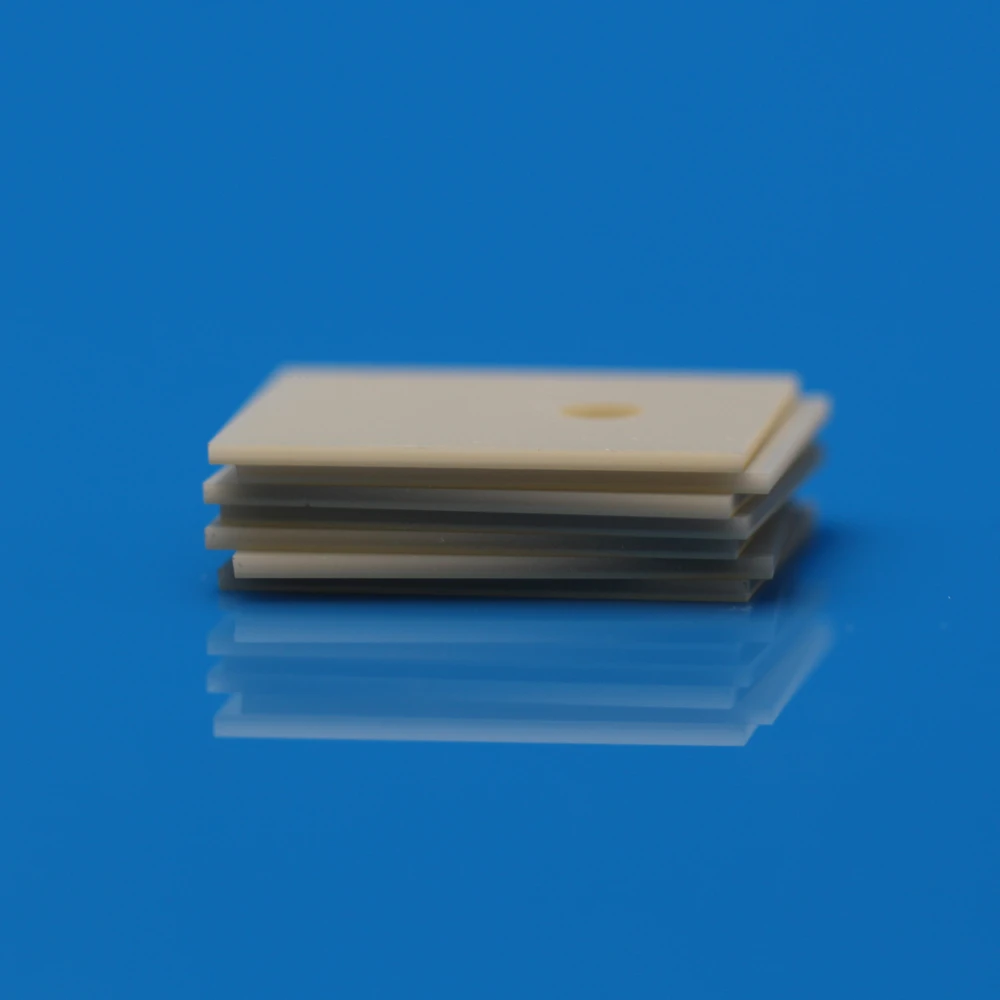
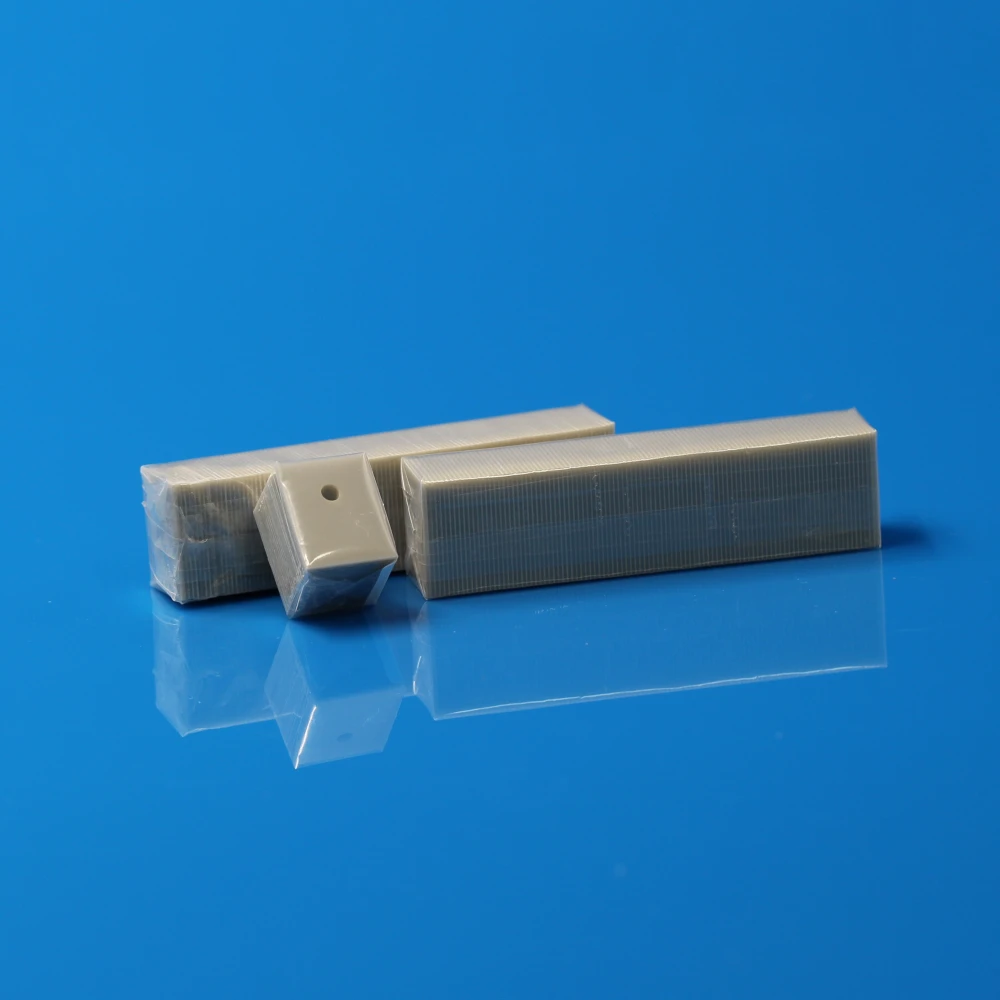
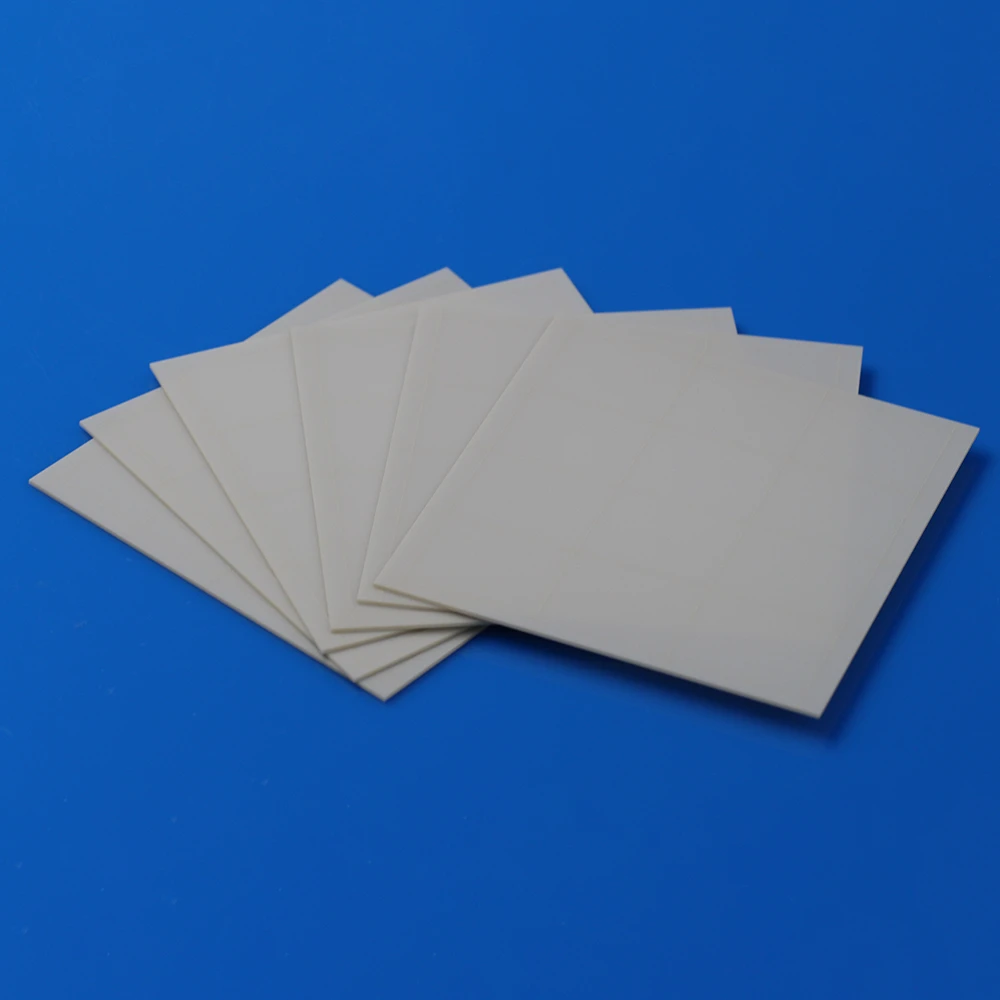
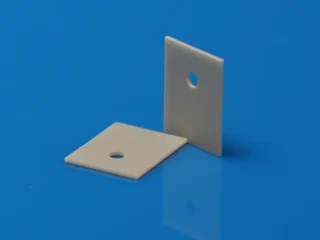

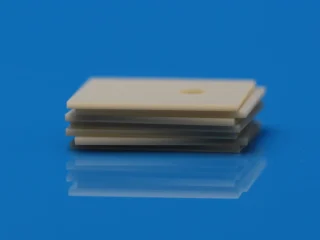
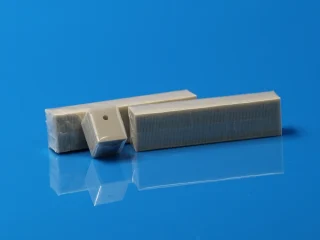
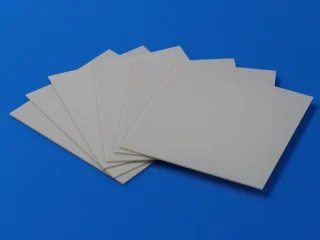
AlN ceramic insulators are used in power modules and semiconductor assemblies where electrical insulation and heat transfer are both important. INNOVACERA can customize the ceramic part to match the semiconductor package design.
Why Electrical Insulation Matters in Power Semiconductor Cooling
In many MOSFET, IGBT, and other power semiconductor packages, the metal mounting surface is electrically connected to the device. If the device is mounted directly onto a metal heat sink, there may have some problems.
For this reason, an insulating layer is usually placed between the semiconductor and the heat sink.
This insulating layer also sits in the heat-transfer path, so its material and thickness directly affect how easily heat can move from the device to the heat sink.
AlN ceramic is useful in applications where good electrical insulation is required but a conventional insulating material creates too much thermal resistance.
When Use AlN ceramics?
Alumina ceramic is commonly used for electrical insulation in power electronics and works well for many applications.
AlN is usually considered when heat dissipation becomes more demanding—for example, when the insulating layer starts to limit heat transfer.
High-Power MOSFETs and IGBTs
As MOSFETs and IGBTs handle more power, more heat has to pass through the same mounting area.
Using AlN between the device and the heat sink can help reduce the thermal resistance of this part of the assembly.
SiC Power Devices
SiC MOSFETs are widely used in high-frequency and high-power-density systems.
Because these designs often generate a lot of heat in a relatively small area, the thermal path between the device and the heat sink becomes especially important. AlN can provide electrical isolation without adding as much thermal resistance as lower-conductivity ceramic materials.
Compact Thermal Designs
In some designs, there simply is not enough space for a larger heat sink.
Improving heat transfer through the insulating layer can help make better use of the available cooling area and support a more compact assembly.
AlN vs. Alumina Ceramic Insulators
| Material | Thermal Conductivity | Electrical Insulation | Main Advantage | Typical Use |
|---|---|---|---|---|
| Alumina (Al2O3) | Moderate | Good | Good balance of insulation, strength, and cost | General power semiconductor insulation |
| Aluminum Nitride (AlN) | High | Good | Better heat transfer while maintaining electrical insulation | High-power and high-heat-flux applications |
AlN is not necessary for every power device.
For many standard applications, alumina is already sufficient. AlN becomes more useful when the ceramic insulation layer contributes too much thermal resistance or when better temperature control is needed.
Compatible Power Semiconductor Packages
INNOVACERA supplies ceramic insulating parts for a range of common power semiconductor packages, including:
- TO-220
- TO-247 Ceramic Insulating Sheet
- TO-3P Ceramic Heat Sink
- TO-264
- TO-254
- TO-257
- TO-258
- Custom designs
Typical Mounting Structure
A typical assembly looks like this:
Power Semiconductor
↓
Thermal Grease / TIM
↓
AlN Ceramic Insulator
↓
Thermal Grease / TIM
↓
Aluminum or Copper Heat Sink
The ceramic's thermal conductivity is only one part of the overall thermal design.
Ceramic thickness, contact area, thermal interface material, surface condition, heat sink flatness, and mounting pressure can all affect the final thermal resistance of the assembly.
Available AlN Thermal Conductivity Grades
Different AlN grades can be selected depending on how much heat needs to be transferred.
170 W/m·K Class
A practical choice for many power semiconductor applications that need both electrical insulation and good heat transfer.
200 W/m·K Class
Suitable for designs with higher heat flux or more demanding temperature-control requirements.
230 W/m·K Class
Used for high-power-density applications where the cooling area is limited or where reducing thermal resistance is especially important.
How Thickness Affects Thermal Resistance
For the same ceramic material, a thinner part generally provides a shorter heat-transfer path and lower thermal resistance.
However, thickness cannot be selected based on thermal performance alone. Electrical insulation, mechanical strength, mounting pressure, and operating voltage also need to be considered.
The right thickness is therefore a balance between thermal, electrical, and mechanical requirements.
With-Hole and Without-Hole Designs
With-Hole Type
This design is commonly used for screw-mounted semiconductor packages.
The hole diameter and position can be customized according to the device mounting hole, screw size, insulating hardware, and heat sink design.
Without-Hole Type
This version is more suitable for spring clips, pressure plates, or other clamping methods.
The outside dimensions and thickness can be adjusted to match the mounting structure.
Typical Applications
AlN ceramic insulators can be used in:
- Industrial inverters
- Servo drives and motor drives
- AC/DC and DC/DC power supplies
- UPS systems
- Solar inverters
- Energy storage systems
- EV charging equipment
- Power converters
- SiC power electronics
- Induction heating equipment
- High-frequency welding equipment
Custom AlN Ceramic Insulators
Standard TO-package shapes are available, but many power semiconductor assemblies require a custom ceramic size or mounting structure.
INNOVACERA can manufacture AlN ceramic insulating parts based on your semiconductor package, heat sink, drawing, or assembly requirements.
Dimensions, thickness, hole position, surface finish, and AlN thermal conductivity grade can be adjusted for the application.
Declaración: Este es un artículo original de INNOVACERA®. Por favor, indique el enlace de origen al reimprimir: https://www.innovacera.com/es/product/aln-ceramic-insulating-heat-sinks-for-power-semiconductors
Preguntas frecuentes
Do all MOSFETs and IGBTs need an AlN insulator?
How should I choose between AlN and alumina?
The choice depends on required thermal performance, electrical insulation, ceramic thickness, mechanical conditions, mounting method, and cost. Alumina is often suitable for general insulation, while AlN is preferred when higher thermal conductivity is required.