

Aluminum nitride ceramic substrates for power electronics thermal management
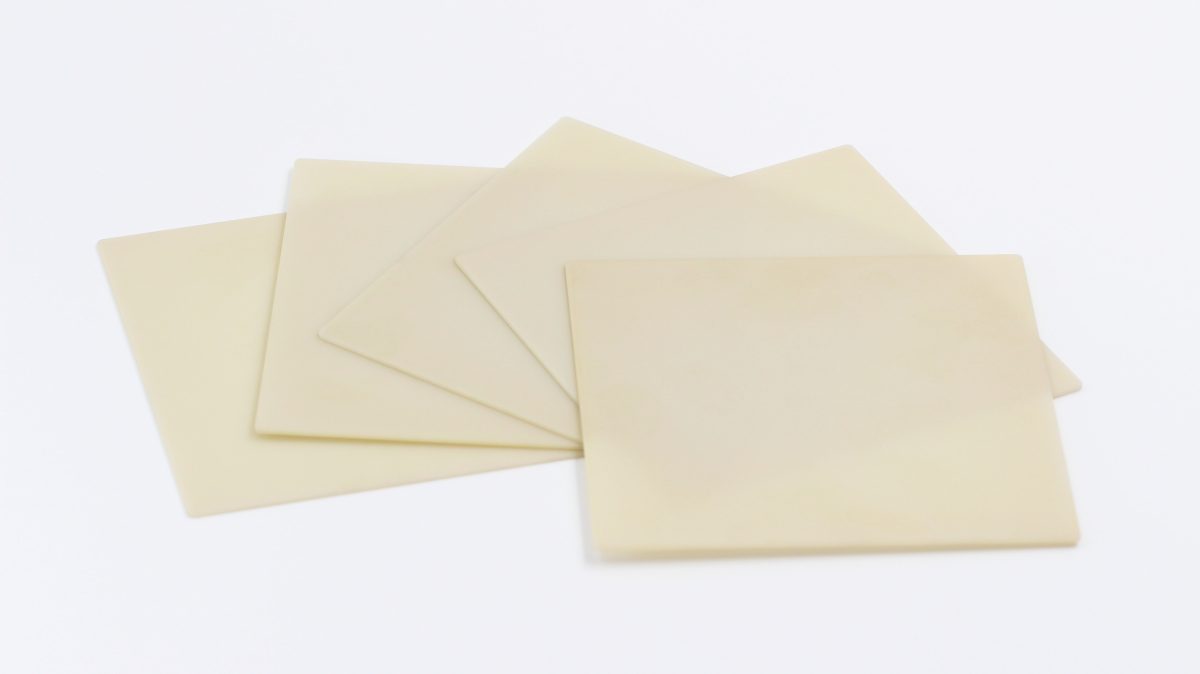
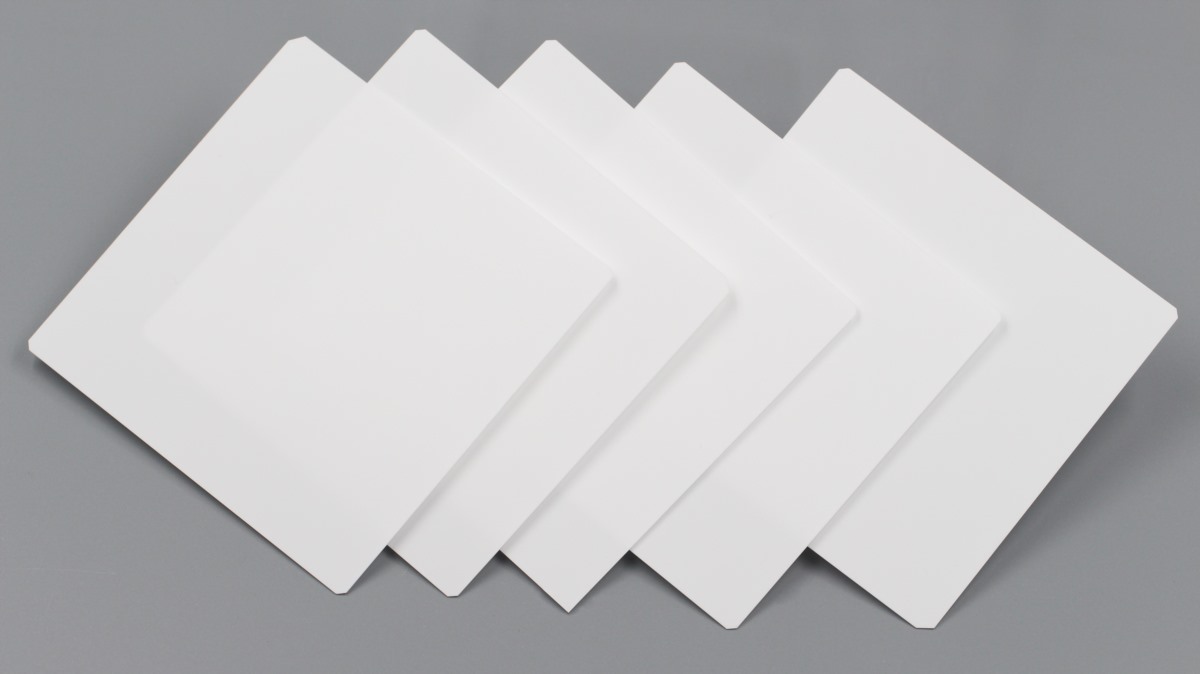
A power electronics manufacturer needed a substrate that could move heat away from high-power devices while still insulating them electrically, inside a compact package. Innovacera reviewed aluminum nitride ceramic substrates, machined to the customer’s drawings.
What this case is about.
This case focuses on a power-electronics substrate where heat dissipation and electrical insulation had to be solved in the same compact ceramic part.
The problem before changing to ceramics
Power electronics generate heat that has to be removed quickly, or device temperature rises and reliability drops. At the same time, the substrate under the device must insulate it electrically.
These two requirements usually pull in opposite directions: materials that conduct heat well often conduct electricity, and good electrical insulators are often poor at moving heat. As packages become more compact and power density rises, the substrate has less room and more heat to handle. The customer needed a substrate material that could dissipate heat effectively, hold strong electrical insulation, and stay dimensionally stable through the thermal cycling of normal operation — all in a small footprint.
Operating conditions and review points
- High power density and localized heat generation
- Electrical insulation under the device
- Controlled flatness, thickness and edge dimensions
- Thermal cycling inside a compact package
The ceramic material and component direction
Innovacera reviewed aluminum nitride (AlN) for the substrate. AlN is one of the few ceramic materials that combines high thermal conductivity with strong electrical insulation, which is exactly the combination a power-electronics substrate needs — it can carry heat away from the device while keeping it electrically isolated.
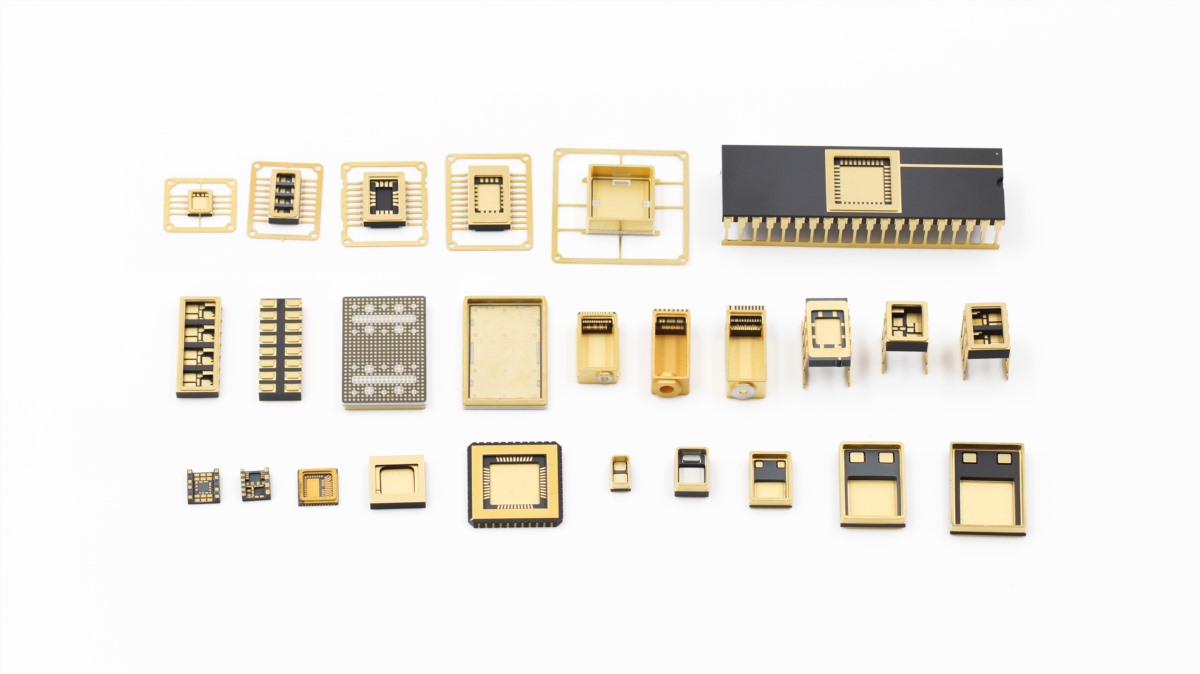
AlN also has a thermal expansion behaviour that works well with the materials used in power packages, which supports stability through repeated thermal cycling. The component work focused on producing substrates to the customer’s drawings: flatness, thickness and edge dimensions were controlled so the substrate seats correctly and the thermal path stays consistent across parts.
Innovacera confirmed dimensions, surface condition and the prototype-to-production route from the drawings, so substrates used for first review and substrates used in repeat production behave the same way.
What improved
Heat dissipation and electrical insulation in one compact substrate.
An aluminum nitride substrate gives the customer heat dissipation and electrical insulation in a single component, which is what a compact, high-power-density package needs. The thermal behaviour of AlN supports stable operation through thermal cycling, and producing the substrates from controlled drawings keeps the thermal path consistent from part to part.
Prototype substrates and repeat-production substrates share the same material and process route. The customer can review a similar approach for other power-electronics components where heat and insulation have to be solved together.
Actual performance depends on drawings, tolerances, operating media, temperature, load and cleaning conditions. Innovacera reviews each RFQ against the customer application before recommending a ceramic route.
Discuss a similar ceramic component
Teilen Sie Zeichnungen, Betriebsbedingungen, Menge und Zielleistung mit. Innovacera kann die Materialrichtung, Fertigbarkeit und Optionen vom Prototyp bis zur Produktion prüfen.