

Metallized alumina feedthrough insulators for vacuum and high-voltage assemblies
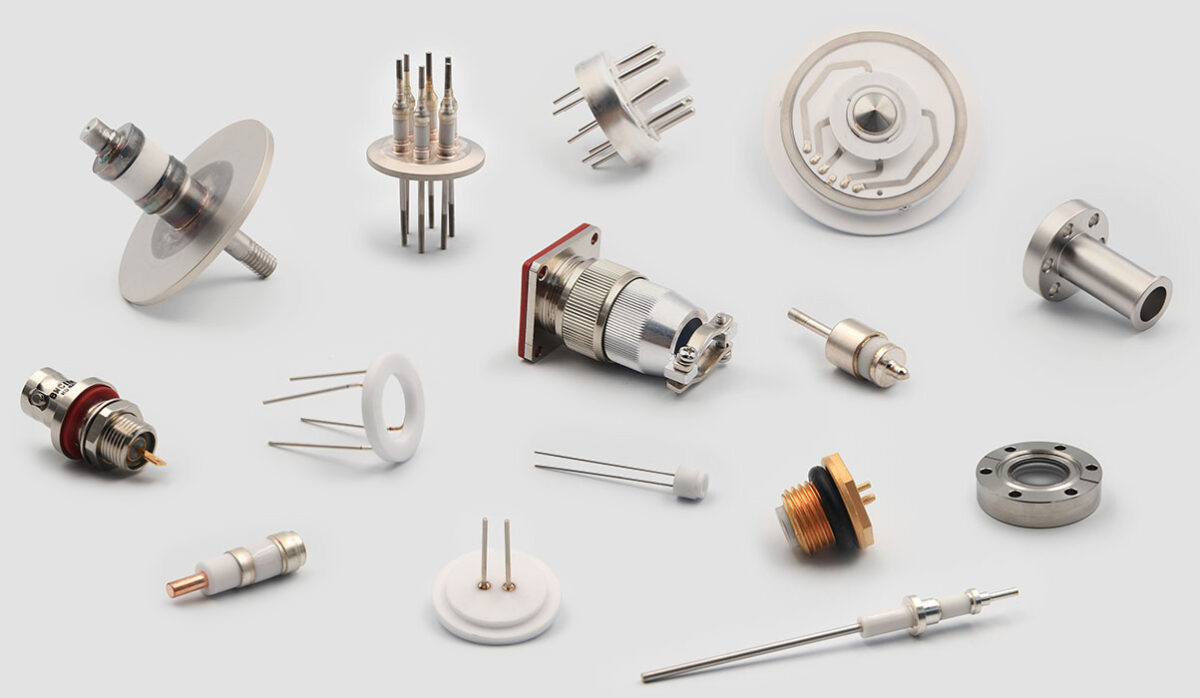
A vacuum equipment builder needed feedthrough insulators that could carry electrical connections through a chamber wall while holding a hermetic seal and high-voltage insulation. Innovacera reviewed metallized alumina insulators with brazing-ready surfaces, so the ceramic, the metal connection and the seal could be designed together.
What this case is about.
This case shows how metallized alumina can help solve the combined requirements of electrical insulation, vacuum sealing and ceramic-to-metal joining in a compact feedthrough assembly.
The problem before changing to ceramics
A feedthrough has to do several things at once. It must insulate an electrical conductor as it passes through a chamber wall, hold a hermetic seal so the vacuum is not lost, and survive the thermal cycling that comes with the equipment heating and cooling.
The ceramic insulator is the part that ties these requirements together — but a bare ceramic cannot be soldered or brazed to metal, and the joint between ceramic and metal is where vacuum and voltage failures usually start. The customer needed an insulator that could be reliably joined to the metal housing and conductor, keep its seal under repeated thermal cycling, and provide the dielectric strength required for high-voltage service. The thermal expansion of the ceramic and the mating metal also had to be considered, so the brazed joint would not be over-stressed as temperature changes.
Operating conditions and review points
- High vacuum and hermetic sealing requirement
- High-voltage insulation through a chamber wall
- Ceramic-to-metal brazing interface
- Repeated heating and cooling of the assembly
The ceramic material and component direction
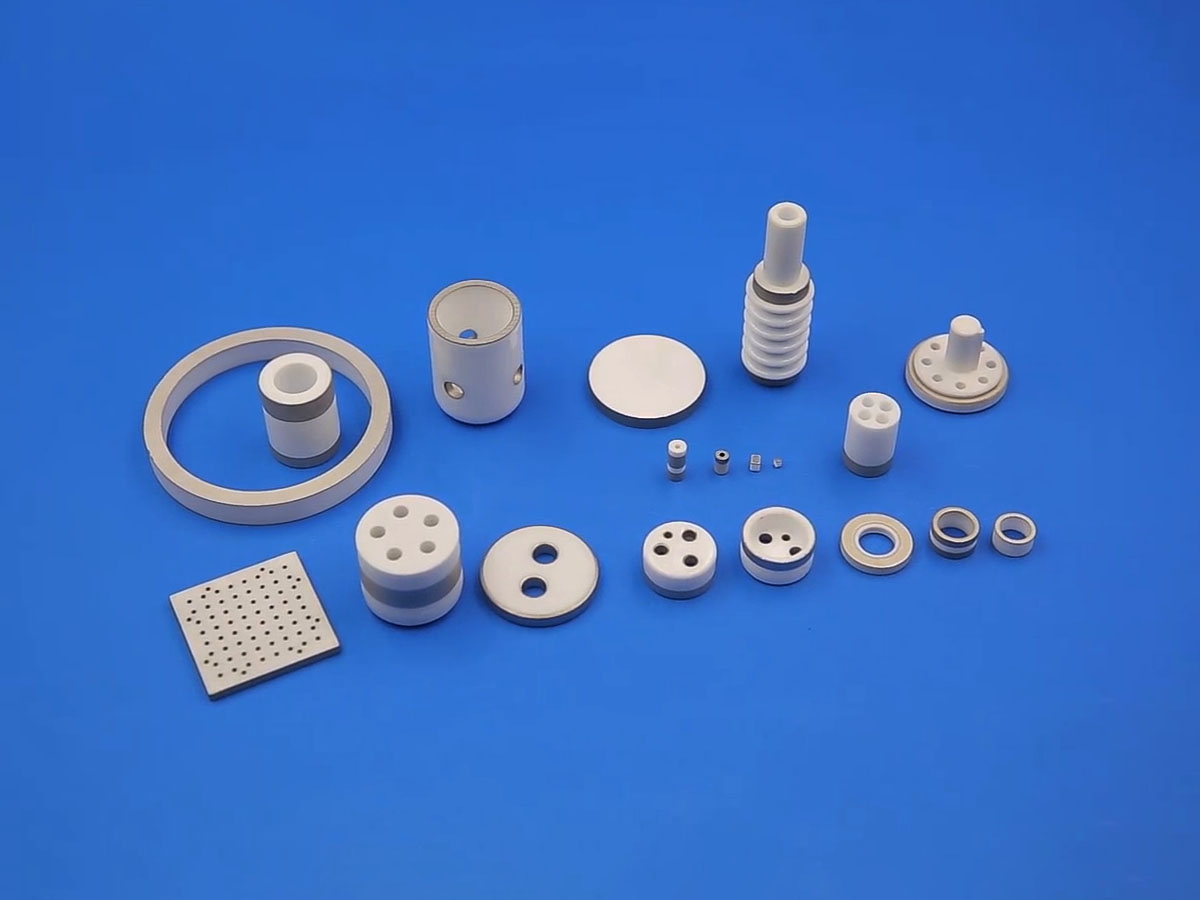
Innovacera reviewed alumina for the insulator body together with a metallized surface where the ceramic joins the metal parts. High-purity alumina gives strong dielectric performance and dimensional stability, which suits the insulation and sealing role.
The key to the assembly is the metallized layer: selected ceramic surfaces are metallized so they can be brazed to the metal housing and conductor, turning a ceramic-to-metal interface into a joint that can be made hermetic. The design work treats the ceramic, the metallization and the braze as one system — the metallized areas, the braze geometry and the expansion behaviour of the mating metal are reviewed together, so the joint stays sealed through thermal cycling rather than being stressed open.
Innovacera worked from the customer’s drawings to confirm insulator dimensions, metallization areas and the braze-ready surfaces, and supported the path from first review parts to repeatable assembly.
What improved
Reliable insulation and hermetic sealing for vacuum and high-voltage assemblies.
With a metallized alumina insulator, the customer has a feedthrough component that can be brazed into the metal assembly while keeping its hermetic seal and high-voltage insulation. Treating the ceramic body, the metallization and the braze joint as one design reduces the risk of vacuum or voltage failure at the ceramic-to-metal interface, and supports stable behaviour through thermal cycling.
Because the insulators are produced from drawings with defined metallization areas, the same approach carries from prototype assemblies into repeat production. The customer can review a similar route for other vacuum or high-voltage components that need ceramic insulation joined to metal.
Actual performance depends on drawings, tolerances, operating media, temperature, load and cleaning conditions. Innovacera reviews each RFQ against the customer application before recommending a ceramic route.
Discuss a similar ceramic component
Teilen Sie Zeichnungen, Betriebsbedingungen, Menge und Zielleistung mit. Innovacera kann die Materialrichtung, Fertigbarkeit und Optionen vom Prototyp bis zur Produktion prüfen.